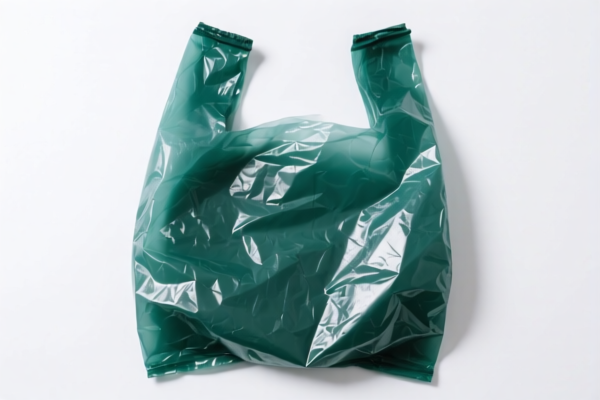
plastic bag
CN → US| HS Code | Tariff Rate | Origin | Destination | Doc |
|---|---|---|---|---|
| 4202221500 | 26.0% | CN | US | Official Doc |
| 3923210030 | 38.0% | CN | US | Official Doc |
| 4202929700 | 52.6% | CN | US | Official Doc |
Product Images



AI Analysis
🛍️ Plastic Bags (Flexible Containers of Plastic or Paper)
🌐 HS Code Reference & Customs Clearance Guide | 2026 Updated Tariff Analysis | Strategic Import Strategy
📌 I. Product Definition & Classification: Are You Sure You Know "Plastic Bags"?
In international trade, "plastic bags" are not a single entity but a broad category of flexible containers. The classification depends entirely on: 1. Material Composition: Pure plastic (polyethylene), paper, or a mix. 2. Structure & Features: Does it have handles? Are the sides sealed? Is it a "bag" (open top) or a "sachet" (sealed)? 3. Usage: Shopping bags, waste bags, or industrial packaging.
⚠️ Key Differentiation Points: - Plastic Bags with Handles & Sides Sealed (Shopping Bags): Often classified under Chapter 42 (Article of Apparel/Travel) if they have specific structural features. - Simple Plastic Sachets/Sealed Bags (Pure Plastic Packaging): Often classified under Chapter 39 (Plastics). - Paper Bags: Classified under Chapter 48 (Paper). - Generic Plastic Containers: May fall under 4202.92 if they are "other containers."
📦 II. HS Code Classification Details (2026 Latest Tariff Authority)
| HS Code | Product Description | Material Match | Structure Match | Estimated Total Tax* |
|---|---|---|---|---|
4202.22.15.00 |
Shopping Bags (Plastic) Outer surface material is plastic sheets; form is "bag". |
✅ Plastic | ✅ Bag/Container | 26.0% |
3923.21.00.30 |
Plastic Sachets / Bags (Sealed) Material: Plastic/Polymer; Form: Bag/Envelope. Note: "Other" category if closure method is unspecified. |
✅ Plastic | ✅ Bag/Sealed | 38.0% |
4202.92.97.00 |
Other Containers (Plastic) Material: Plastic sheets; Form: Shopping bag, bottle bag, or similar container. |
✅ Plastic | ✅ Bag/Container | 52.6% |
4823.90.86.80 |
Paper Bags / Containers Material: Paper/Cardboard. Note: Excludes specific items like shoe covers; falls under "Other Paper Products". |
✅ Paper | ✅ Paper Product | 35.0% |
4819.40.00.40 |
Paper Bags Material: Paper; Form: Bag/Container. Note: Matches specific paper bag classification. |
✅ Paper | ✅ Bag/Container | 35.0% |
🔍 Critical Observation: - Plastic Bags can range from 26% (Chapter 42) to 52.6% (Chapter 42 generic) depending on specific construction. - Paper Bags are generally lower at 35%, but avoid misclassifying paper as plastic to avoid severe penalties. - Chapter 39 is the "catch-all" for simple plastic packaging without specific handles or structural features, often attracting high Add-on Tariffs.
💰 III. 2026 Latest Tariff Rate Breakdown (Detailed Analysis)
✅ Applicable Market: USA (High Tariff Environment)
✅ Origin: China (CN)
✅ Effective Time: 2026 (Including Section 301 & 122 clauses)
🎯 1. 4202.22.15.00 — Plastic Shopping Bags (Structured)
Best for bags with handles and side gussets.
| Item | Content |
|---|---|
| Base Tariff | 16.0% |
| Add-on Tariff (Section 301) | +0.0% (Specific to this subheading) |
| Clause 122 Tariff | +10.0% |
| Total Tax | 26.0% |
| Legal Basis | 122 Clause (Section 301 List 4A) + Base Rate |
| De Minimis Exemption | ❌ No (High risk of seizure) |
📌 Explanation: - This code benefits from a 0% Section 301 Add-on, making it the lowest tax option for plastic bags. - However, the product must have the specific structure of a "shopping bag" (handles, side folds) to qualify. Simple polybags will be rejected.
🎯 2. 3923.21.00.30 — Plastic Sachets / Bags (Sealed/General)
For simple plastic packaging without handles.
| Item | Content |
|---|---|
| Base Tariff | 3.0% |
| Add-on Tariff (Section 301) | +25.0% |
| Clause 122 Tariff | +10.0% |
| Total Tax | 38.0% |
| Legal Basis | Section 301 List 3 + Clause 122 |
| De Minimis Exemption | ❌ No |
📌 Explanation: - High 25% Add-on Tariff applies here. This is a "General Plastic Packaging" classification. - Used for sachets, sealed envelopes, or simple drawstring bags that do not meet the "shopping bag" structural criteria.
🎯 3. 4202.92.97.00 — Other Plastic Containers (Generic)
For plastic bags that don't fit the specific shopping bag or sachet definitions.
| Item | Content |
|---|---|
| Base Tariff | 17.6% |
| Add-on Tariff (Section 301) | +25.0% |
| Clause 122 Tariff | +10.0% |
| Total Tax | 52.6% |
| Legal Basis | Section 301 List 3 + Clause 122 |
| De Minimis Exemption | ❌ No |
📌 Explanation: - Highest Tax Rate (52.6%). This is the danger zone. - Apply only if the bag is a "special container" (e.g., specific industrial plastic bag) that doesn't fit
4202.22or3923.21. - Avoid this code if possible by refining product description to match4202.22.
🎯 4. 4823.90.86.80 & 4819.40.00.40 — Paper Bags
For paper-based bags.
| Item | Content |
|---|---|
| Base Tariff | 0.0% |
| Add-on Tariff (Section 301) | +25.0% |
| Clause 122 Tariff | +10.0% |
| Total Tax | 35.0% |
| Legal Basis | Section 301 List 4 + Clause 122 |
| De Minimis Exemption | ❌ No |
📌 Explanation: - Base is 0%, but the 25% Add-on makes it 35% total. - Crucial: Must be 100% paper or cardboard. If a plastic liner is added, it may be forced into Chapter 39 or 42, increasing taxes.
🛠️ IV. Customs Clearance Practical Advice (Avoid Pitfalls)
✅ 1. Preparation Checklist (Must-Have)
| Document | Required? | Purpose |
|---|---|---|
| ✅ Product Photos (360°) | YES | To prove presence/absence of handles, side gussets, and closure type. |
| ✅ Material Composition Report | YES | Must explicitly state % of Plastic vs. Paper. |
| ✅ Technical Drawings | YES | To distinguish between a "bag" (Chapter 42) and a "sachet" (Chapter 39). |
| ✅ Commercial Invoice | YES | Must use specific names: "Plastic Shopping Bag with Handles" vs. "Plastic Packaging Sachet". |
| ✅ Origin Certificate (CO) | YES | Verify country of origin to apply correct Section 301 list. |
✅ 2. Declaration Strategy (Golden Rules)
🔥 Rule: "Handles define Chapter 42; Sealed = Chapter 39; Paper = Chapter 48."
| Scenario | Correct HS Code | Incorrect (High Risk) | Consequence |
|---|---|---|---|
| Bag with handles, open top, side folds | 4202.22.15.00 |
3923.21.00.30 |
Tax Jump: 26% → 38% + Risk of Misdeclaration. |
| Simple sealed polybag (no handles) | 3923.21.00.30 |
4202.22.15.00 |
Seizure:海关 will reject as "not a shopping bag". |
| Bag with plastic + paper mix | 4819.40.00.40 (if paper dominant) |
4202.22.15.00 |
Audit Risk: Must prove material dominance. |
| Special shape plastic container | 4202.92.97.00 |
3923.21.00.30 |
Avoid: Unless no other option exists; 52.6% is too high. |
✅ 3. Special Situations
| Situation | Advice |
|---|---|
| Biodegradable Plastic Bags | Still classified under 3923 or 4202 based on structure. "Biodegradable" is a feature, not a tariff change. |
| Bags with Printed Logos | Printing does not change HS Code. Declare as "Plastic Shopping Bag (Printed)". |
| Re-usable Shopping Bags (Fabric) | If the bag has fabric straps but plastic body, the main material rule applies. If plastic is >50%, use 4202.22. |
| Drop-shipping (De Minimis) | DO NOT rely on $800 De Minimis for these goods. Section 301 tariffs are strict; CBP often scrutinizes "bag" shipments. |
🌍 V. Global Market Comparison (2026)
| Country | Recommended HS Code | Tax (China Origin) | Key Requirement |
|---|---|---|---|
| 🇺🇸 USA | 4202.22.15.00 |
26% (Best) | Must have handles/gussets. |
| 🇪🇺 EU | 3923.21 or 4202 |
0% - 6% | EPR (Extended Producer Responsibility) mandatory. |
| 🇨🇦 Canada | 4202.22 |
5% - 15% | Green taxes may apply. |
| 🇦🇺 Australia | 3923.21 |
5% | No major Section 301 equivalent, but EPR exists. |
📌 Conclusion: - USA is the most complex market due to the massive 301 Tariffs (25%) + 122 Clause (10%). - Optimization Strategy: Design your plastic bag with handles and side gussets to qualify for
4202.22.15.00(26% total) instead of3923.21(38% total) or4202.92(52.6% total).
📌 VI. Common Errors & Pitfalls (Lessons Learned)
❌ Error 1: Calling a "polythene pouch" a "Shopping Bag".
👉 Result: Customs rejects, forces re-declaration to 3923.21, tax increases to 38%.
❌ Error 2: Mixing Plastic and Paper but declaring as 100% Paper. 👉 Result: Audit triggered. If plastic is found, penalty + 52.6% tax applied.
❌ Error 3: Ignoring the "122 Clause". 👉 Result: Missing the +10% 122 Tariff leads to underpayment and fines.
❌ Error 4: Using "Bag" as the only description. 👉 Result: Too vague. Must specify "Plastic Shopping Bag with Handles".
✅ Correct Practice:
"Plastic Shopping Bag, 12x18 inches, White, HDPE, with Woven Handles, Side Gusseted. Material: 100% Polyethylene."
🎯 VII. Conclusion: Precision is Profit!
🎯 Remember: 🔹 "Handle = 26% (4202.22)"
🔹 "Sealed = 38% (3923.21)"
🔹 "Generic = 52.6% (4202.92) - AVOID!"
🔹 "Paper = 35% (48xx)"
🚀 Action Plan: 1. Review your product design: Add handles if possible to save ~12-26% in taxes. 2. Update Invoice Descriptions: Be specific about structure and material. 3. Check Origin: Ensure no third-country transshipment to avoid "Rules of Origin" issues.
📣 Immediate Action:
📞 Consult a Customs Broker to verify your bag's structural specs.
📄 Prepare a Technical Specification Sheet (Material, Dimensions, Closure Type, Handle Type).
🛡️ Apply for Pre-Ruling if unsure about the "Shopping Bag" definition.
✨ Professional Clearance Starts with Accurate Classification! 💼 Every 1% tax savings = Direct Profit Boost!
Customer Reviews
About HS Code Classification
The Harmonized System (HS) is an internationally standardized nomenclature developed by the World Customs Organization (WCO) to classify traded products. Over 200 countries use the HS system as the basis for customs tariffs, trade statistics, and import/export regulations.
Each HS code follows a hierarchical structure:
- Chapter (2 digits) — Broad category of goods (e.g., Chapter 84: Machinery and Mechanical Appliances)
- Heading (4 digits) — More specific grouping within the chapter
- Subheading (6 digits) — Internationally standardized breakdown, used by all WCO member countries
- National subdivisions (8-10 digits) — Country-specific extensions for further classification, such as US HTSUS 10-digit codes
Correct HS code classification is essential for smooth customs clearance, accurate duty payment, and compliance with trade regulations. Misclassification can lead to customs delays, overpayment of duties, or penalties.
When importing from CN to US, the applicable tariff rates may include:
- Most-Favored-Nation (MFN) rate — The standard duty rate applied to WTO members
- General rate — Applied to countries without trade agreements
- Trade remedy duties — Additional tariffs such as Section 301 (anti-dumping), Section 232 (national security), or countervailing duties
The information provided on this page is for reference purposes only. For official classification, please consult with your local customs authority or a licensed customs broker.