plastic blinds remote control
CN → US| HS Code | Tariff Rate | Origin | Destination | Doc |
|---|---|---|---|---|
| 3916200020 | 40.8% | CN | US | Official Doc |
| 3925305000 | 22.8% | CN | US | Official Doc |
| 3925301000 | 20.8% | CN | US | Official Doc |
| 3926305000 | 22.8% | CN | US | Official Doc |
| 3926909989 | 22.8% | CN | US | Official Doc |
Product Images
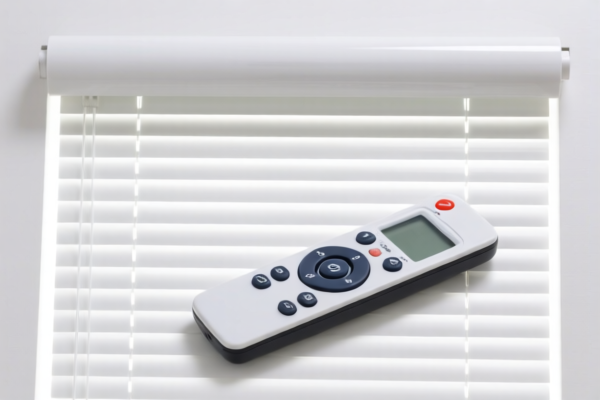
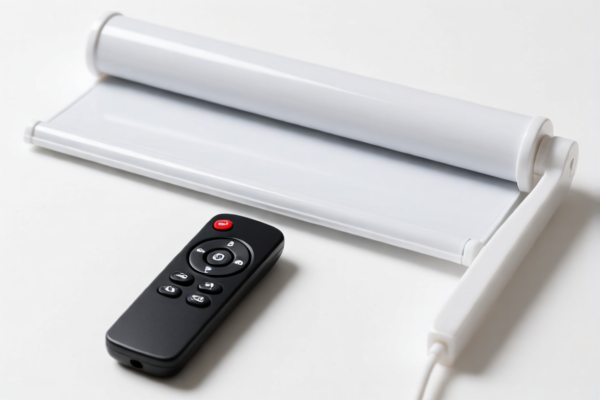
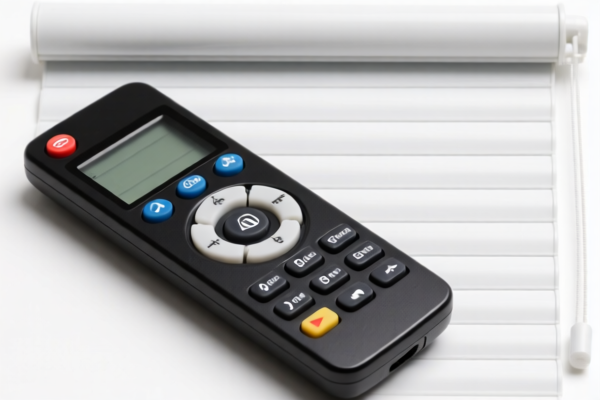
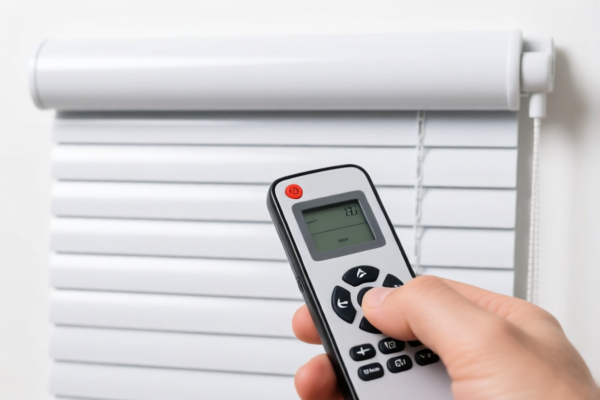
AI Analysis
🪟 Plastic Blinds Remote Control (塑料外窗百叶窗/遥控百叶窗)
🌐 HS Code Reference & Customs Clearance Guide | 2026 Latest Tariff Analysis | Professional-Level Clearance Strategy
📌 I. Product Definition and Classification: Do You Really Understand "Plastic Blinds"?
Plastic Blinds (often integrated with remote control systems) are architectural accessories used for window shading, privacy protection, and light control. In international trade, the classification hinges critically on the structural form, material composition, and specific application.
They are generally categorized into two main logic paths: 1. Window Profile/System (3916): If the product consists primarily of rigid plastic profiles (like PVC/UPVC) specifically shaped for installation into window frames. 2. Building Accessories/Other Plastics (3925/3926): If the product is considered a standalone accessory (like a louver blade, slat, or complete blind assembly) or a component connecting/attaching to windows.
⚠️ Key Distinction Point:
- If the item is a rigid PVC/UPVC profile strictly defined as a window型材 (profile) →归入 3916.20.00.20
- If it is a blinds/louver assembly considered a "building accessory" →归入 3925.30.50.00 or 3925.30.10.00
- If it is a general plastic component or "other plastic article" →归入 3926.30.50.00 or 3926.90.99.89
📦 II. HS Code Classification Details (2026 Latest Tariff Authority对照)
| HS Code | Product Description | Application Scenario | Tax Rate (China Origin to US) |
|---|---|---|---|
3916.20.00.20 |
Plastic Window Profiles (e.g., PVC/UPVC frames for blinds/windows) | Rigid profiles used as the main structural component of windows/blinds | 40.8% |
3925.30.50.00 |
Plastic Building Accessories: Blinds | Standard plastic blinds/louvers classified as building accessories | 22.8% |
3925.30.10.00 |
Plastic Building Accessories: Blinds (Specific Sub-category) | Blinds fully consistent with classification explanations | 20.8% |
3926.30.50.00 |
Other Plastic Articles: Window Connectors/Components | Plastic parts connecting to windows or general plastic components | 22.8% |
3926.90.99.89 |
Other Plastic Articles (Catch-all) | Plastic blinds/curtains falling into residual categories | 22.8% |
🔍 Key Reminder:
- 3916 is for profiles (long, extruded shapes). If your "blind" is essentially a long plastic strip meant to be cut and installed as part of the window frame structure, it might fit here, but the tax burden is significantly higher.
- 3925 is for building accessories. Most commercial "plastic blinds" (venetian, vertical, roller) fall here.
- 3926 is for other articles. Used if the product doesn't fit neatly into 3925 or is considered a generic plastic part.
💰 III. 2026 Latest Tariff Rate Breakdown (Including Surcharges & Policy Add-ons)
✅ Applicable Country: USA (US)
✅ Origin: China (CN)
✅ Effective Date: Post-2025 Importation (Subject to current trade policies)
🎯 1. 3916.20.00.20 —— Plastic Window Profiles (Highest Tax Burden)
| Item | Detail |
|---|---|
| Base Tariff | 5.8% |
| Section 301 Surcharge | +25.0% |
| Section 122 Surcharge | +10.0% |
| Total Rate | 40.8% |
| Calculation Basis | CIF Value × 40.8% |
| De Minimis Exemption | ❌ Not Eligible (Deny De Minimis) |
| Legal Basis Path | Base Tariff: 5.8% + Sec 301: 25.0% + Sec 122: 10% |
📌 Explanation:
- This classification carries the highest risk due to the combined impact of Section 301 and Section 122 tariffs.
- Only use this if the product is definitively a PVC/UPVC profile and not a finished blind accessory.
- Cost Impact: Extremely high. Ensure you are not misclassifying a finished blind as a profile to avoid massive overpayment or misdeclaration penalties.
🎯 2. 3925.30.50.00 —— Plastic Building Accessories: Blinds
| Item | Detail |
|---|---|
| Base Tariff | 5.3% |
| Section 301 Surcharge | +7.5% |
| Section 122 Surcharge | +10.0% |
| Total Rate | 22.8% |
| Calculation Basis | CIF Value × 22.8% |
| De Minimis Exemption | ❌ Not Eligible |
| Legal Basis Path | Base Tariff: 5.3% + Sec 301: 7.5% + Sec 122: 10% |
📌 Note:
- This is a common classification for plastic blinds that are considered "building accessories."
- Lower than the profile classification, but still subject to significant surcharges.
🎯 3. 3925.30.10.00 —— Plastic Building Accessories: Blinds (Optimal Rate)
| Item | Detail |
|---|---|
| Base Tariff | 3.3% |
| Section 301 Surcharge | +7.5% |
| Section 122 Surcharge | +10.0% |
| Total Rate | 20.8% |
| Calculation Basis | CIF Value × 20.8% |
| De Minimis Exemption | ❌ Not Eligible |
| Legal Basis Path | Base Tariff: 3.3% + Sec 301: 7.5% + Sec 122: 10% |
📌 Important:
- This is the most favorable tax rate among the valid classifications for plastic blinds provided in the data.
- Applies when the product description fully matches the classification explanation for this specific sub-category.
- Strategy: Aim for this classification by providing precise product descriptions that align with "blinds" under building accessories.
🎯 4. 3926.30.50.00 —— Other Plastic Articles: Window Connectors/Components
| Item | Detail |
|---|---|
| Base Tariff | 5.3% |
| Section 301 Surcharge | +7.5% |
| Section 122 Surcharge | +10.0% |
| Total Rate | 22.8% |
| Calculation Basis | CIF Value × 22.8% |
| De Minimis Exemption | ❌ Not Eligible |
| Legal Basis Path | Base Tariff: 5.3% + Sec 301: 7.5% + Sec 122: 10% |
📌 Note:
- Use this if the item is considered a component or connector rather than a standalone blind accessory.
- Tax rate is same as3925.30.50.00but classification logic is different (general plastic articles vs. building accessories).
🎯 5. 3926.90.99.89 —— Other Plastic Articles (Catch-all)
| Item | Detail |
|---|---|
| Base Tariff | 5.3% |
| Section 301 Surcharge | +7.5% |
| > Section 122 Surcharge | +10.0% |
| Total Rate | 22.8% |
| Calculation Basis | CIF Value × 22.8% |
| De Minimis Exemption | ❌ Not Eligible |
| Legal Basis Path | Base Tariff: 5.3% + Sec 301: 7.5% + Sec 122: 10% |
📌 Note:
- This is the residual category for plastic blinds/curtains that don't fit other specific headings.
- While it has the same tax rate as other 3926/3925 options, it is less precise. Customs may question the specificity.
🛠️ IV. Customs Clearance Practical Advice (Battlefield Pit-avoidance Guide)
✅ 1. Preparation Checklist (Mandatory)
| Document | Required | Description |
|---|---|---|
| ✅ Product Spec Sheet | ✔️ | Must include material (PVC, ABS, etc.), dimensions, assembly type, and control mechanism (remote/wired). |
| ✅ Technical Drawing | ✔️ | Show if it's a profile (3916), a finished blind (3925), or a component (3926). |
| ✅ Product Photos | ✔️ | Clear images of the product, label, and packaging. Show remote control if applicable. |
| ✅ Commercial Invoice | ✔️ | Clearly state "Plastic Blinds" or "Window Accessories," not vague terms like "Plastic Part." |
| ✅ Packing List | ✔️ | Detail contents to avoid拆分申报 (split declaration) risks. |
✅ 2. Declaration Tips (Key Mantras)
🔥 "Profile is expensive, Blinds are cheaper, Component is safe, Remote doesn't change HS!"
| Scenario | Correct Declaration | Incorrect Practice |
|---|---|---|
| Finished Plastic Blinds | 3925.30.10.00 (20.8%) or 3925.30.50.00 (22.8%) |
Misclassify as "Plastic Profile" → 40.8% |
| PVC Profile for Windows | 3916.20.00.20 (40.8%) |
Misclassify as "Blind" → Risk of penalty if audited |
| Remote Control Only | Check if remote is separate; if included, still classify main product. | Declare remote separately → Complex, potentially higher total tax |
| Generic Plastic Slat | 3926.90.99.89 (22.8%) |
Call it "Building Accessory" incorrectly |
📌 Crucial Point: The remote control is typically considered an accessory. The HS Code is determined by the main item (the plastic blind). Do not try to classify the remote separately unless it is shipped and invoiced as a standalone electronic item (which would fall under Chapter 85).
✅ 3. Special Handling
| Scenario | Handling Advice |
|---|---|
| OEM Custom Blinds | Provide design specs to prove they are "blinds" and not generic plastics. |
| Mixed Shipments | If shipping blinds (3925) with plastic profiles (3916), declare separately. Do not lump them together. |
| "Smart" Blinds | If the remote is integral and the product is marketed as a "smart window system," consult a customs broker. It might still be 3925, but documentation must be robust. |
| Material Composition | Ensure the "Plastic" definition is accurate. If it contains significant metal parts, classification might shift. |
🌍 V. Global Market Comparison (2026 Latest)
| Country/Region | Recommended HS Code | Tariff (China Origin) | Certification | Notes |
|---|---|---|---|---|
| 🇺🇸 USA | 3925.30.10.00 |
20.8% (Lowest valid) | FTC, maybe UL (for remote) | Section 301 + 122 apply. Avoid 3916 (40.8%). |
| 🇨🇳 China | 3925.30.10.00 |
~3-5% | CCC (if electrical) | Low import duty. |
| 🇪🇺 EU | 3925.30.10.00 |
~0-5% | CE, RoHS | No Section 301/122 equivalents. |
| 🇬🇧 UK | 3925.30.10.00 |
~0-5% | UKCA | Post-Brexit rules apply. |
| 🇯🇵 Japan | 3925.30.10.00 |
~0-5% | PSE (for remote) | Low tariffs generally. |
📌 Conclusion:
- The USA is the most challenging market due to the combination of base tariffs and surcharges (Section 301 + 122).
- Target Classification: Aim for3925.30.10.00(20.8%) by providing precise documentation that aligns with "Plastic Blinds" as building accessories.
- Avoid: Misclassifying finished blinds as "Plastic Profiles" (3916) to avoid the 40.8% rate, unless they are indeed raw profiles.
📌 VI. Common Errors & Pitfalls (Lessons Learned)
❌ Error 1: Classifying finished plastic blinds as "Plastic Profiles" (3916)
👉 Consequence: You pay 40.8% instead of 20.8%. Loss of 20% margin!
❌ Error 2: Failing to declare the "Remote Control" appropriately
👉 Consequence: Customs may view the shipment as "Electronics + Plastic" and audit both. If declared as just plastic, risk of penalty. Solution: Include "With Remote Control" in description but keep HS based on the blind.
❌ Error 3: Using vague terms like "Plastic Window Part"
👉 Consequence: Customs assigns a default code (possibly 3926.90.99.89 or worse) leading to delays. Solution: Use specific terms: "Plastic Venetian Blinds for Windows."
❌ Error 4: Ignoring Section 122 and 301
👉 Consequence: Underestimating landed cost. Solution: Factor in at least 20.8% minimum tax for US imports from China.
✅ Correct Practice:
"Plastic Venetian Blinds, PVC Material, with Electric Remote Control, for Residential Windows, Model XYZ, Certified"
🎯 VII. Conclusion: Professional Declaration, Cost Efficiency
🎯 Remember the Mantra:
🔹 "Blinds are Accessories, Profiles are Structures. 20.8% is the Target, 40.8% is the Trap."
🔹 "Remote doesn't change the HS, but Documentation Saves the Cost."
📌 Pro Tip:
If your products are originating from Vietnam, Mexico, Thailand, or Malaysia, you may qualify for IEEPA Exemptions or lower tariffs under USMCA/ASEAN FTAs.
Recommendation: Apply for Advance Ruling from US Customs (CBP) to lock in the 20.8% classification before shipment.
📣 Immediate Action:
📞 Contact a licensed customs broker + Provide Product Photos + Request HS Code Advance Ruling
🚀 Ensure your plastic blinds clear customs smoothly, minimize tax burden, and maximize profit!
✨ Professional Clearance Starts with Accurate Classification!
💼 Every percentage point of tax is a point of profit lost or gained!
Customer Reviews
About HS Code Classification
The Harmonized System (HS) is an internationally standardized nomenclature developed by the World Customs Organization (WCO) to classify traded products. Over 200 countries use the HS system as the basis for customs tariffs, trade statistics, and import/export regulations.
Each HS code follows a hierarchical structure:
- Chapter (2 digits) — Broad category of goods (e.g., Chapter 84: Machinery and Mechanical Appliances)
- Heading (4 digits) — More specific grouping within the chapter
- Subheading (6 digits) — Internationally standardized breakdown, used by all WCO member countries
- National subdivisions (8-10 digits) — Country-specific extensions for further classification, such as US HTSUS 10-digit codes
Correct HS code classification is essential for smooth customs clearance, accurate duty payment, and compliance with trade regulations. Misclassification can lead to customs delays, overpayment of duties, or penalties.
When importing from CN to US, the applicable tariff rates may include:
- Most-Favored-Nation (MFN) rate — The standard duty rate applied to WTO members
- General rate — Applied to countries without trade agreements
- Trade remedy duties — Additional tariffs such as Section 301 (anti-dumping), Section 232 (national security), or countervailing duties
The information provided on this page is for reference purposes only. For official classification, please consult with your local customs authority or a licensed customs broker.