plastic bobbins recyclable
CN → US| HS Code | Tariff Rate | Origin | Destination | Doc |
|---|---|---|---|---|
| 8479400000 | 35.0% | CN | US | Official Doc |
| 8479820080 | 35.0% | CN | US | Official Doc |
| 3926909989 | 22.8% | CN | US | Official Doc |
| 3926908300 | 40.3% | CN | US | Official Doc |
| 3915900010 | 35.0% | CN | US | Official Doc |
| 3915900090 | 35.0% | CN | US | Official Doc |
Product Images

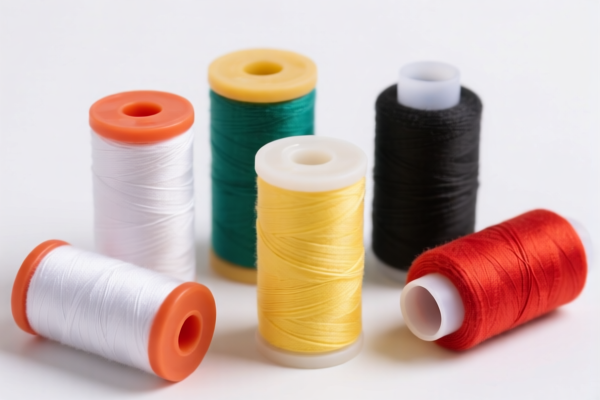
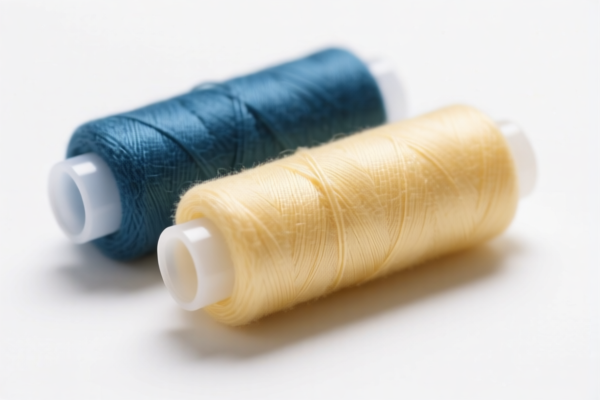
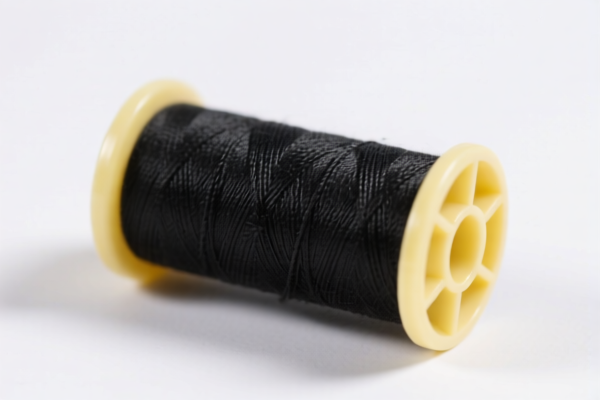
AI Analysis
♻️ Plastic Bobbins: Recyclable Waste (Polyethylene Terephthalate - PET)
🌐 HS Code Reference & Customs Clearance Guide | 2026 Latest Tariff Analysis | Professional-Level Clearance Strategy
📌 I. Product Definition & Classification: Are Your "Plastic Bobbins" Actually Waste?
Plastic bobbins (used in textile, wire, or packaging industries) are functional components. However, when they are discarded, damaged, or no longer fit for their original purpose, they lose their identity as "parts" or "articles" and become "waste, parings, and scrap."
In international trade, the critical distinction lies in the status of the goods:
- Functional Bobbins: If the bobbins are intact, clean, and suitable for reuse in production → They may be classified under 3926.90 (Other articles of plastics).
- Recyclable Scrap/Waste: If the bobbins are broken, off-cuts, trimmings, or discarded post-production items intended for recycling → They are classified under 3915 (Waste, parings, and scrap of plastics).
⚠️ Key Distinction for Customs:
- If you declare "Used Plastic Bobbins" without specifying they are waste/scrap, customs may classify them as 3926.90.99.89 (higher tax).
- If you correctly declare them as "Waste, parings and scrap of plastics: Of PET" → They fall under 3915.90.00.10 (25% tax).
- Crucial Note: Even if the tax rate is the same (25%), misclassification can lead to delays, inspections, or penalties for false declaration. Always declare based on current condition and intent.
📦 II. HS Code Classification Details (2026 Latest Tariff Authority Match)
| HS Code | Product Description | Applicable Scenario | Material |
|---|---|---|---|
3915.90.00.10 |
Waste, parings and scrap of plastics: Of other plastics: Of polyethylene terephthalate (PET) plastics | Discarded PET bobbins, trimmings, off-cuts, recyclable scrap | ✅ PET Plastic |
3915.90.00.90 |
Waste, parings and scrap of plastics: Of other plastics: Other | Waste bobbins made of PP, PE, ABS, etc. (Non-PET) | ✅ Other Plastics |
3926.90.99.89 |
Other articles of plastics and articles of other materials of headings 3901 to 3914: Other: Other | Intact plastic bobbins for sale/use (Not waste) | ✅ Plastic Article |
🔍 Important Reminder:
-3915.90.00.10is the correct code for recyclable PET plastic bobbins declared as waste/scrap.
-3926.90.99.89applies only if the bobbins are sellable/functional products.
- Do NOT mix waste and functional goods in one shipment without clear separation, as this triggers customs scrutiny.
💰 III. 2026 Latest Tariff Rate Breakdown (Including Surtax & Policy Add-ons)
✅ Applicable Country: United States (US)
✅ Country of Origin: China (CN)
✅ Effective Date: From 2025-11-10 (including subsequent imports)
🎯 1. 3915.90.00.10 —— Waste, Parings and Scrap of Plastics: Of PET
| Item | Content |
|---|---|
| Base Tariff | 0.0% (ad valorem) |
| USITC Surtax | +25.0% (From USITC Footnote 9903.88.01) |
| IEEPA Surtax | +0.0% (Note: Base tariff is 0%, so 0% + 25% = 25%) |
| Total Tariff Rate | 25.0% |
| Tax Calculation | CIF Value × 25% |
| Eligibility for De Minimis Exemption | ❌ No (deny_de_minimis) |
| Legal Basis Path | USITC:3915.90.00.10 → FOOTNOTE:9903.88.01 |
📌 Explanation:
- The base tariff for plastic waste is 0%.
- However, the 25% additional tariff applies to all Chinese-origin plastic waste under the Section 301 action.
- Total effective rate: 25%.
- No de minimis exemption: Even for small packages, this tariff applies.
🎯 2. 3915.90.00.90 —— Waste, Parings and Scrap of Plastics: Other
| Item | Content |
|---|---|
| Base Tariff | 0.0% |
| USITC Surtax | +25.0% |
| Total Tariff Rate | 25.0% |
| Tax Calculation | CIF Value × 25% |
| Eligibility for De Minimis Exemption | ❌ No |
📌 Note:
- Same tax treatment as PET waste.
- Applicable to non-PET plastics (e.g., PP, PE, ABS) bobbins declared as scrap.
🛠️ IV. Customs Clearance Practical Advice (Battle-Tested Pitfall Guide)
✅ 1. Required Documentation Checklist (Non-negotiable)
| Document | Must Provide | Explanation |
|---|---|---|
| ✅ Commercial Invoice | ✔️ | Must clearly state: "Waste, Parings and Scrap of Plastics - PET Bobbins" |
| ✅ Packing List | ✔️ | Detail weight, volume, and number of packages. Separate from any functional goods. |
| ✅ Certificate of Recycling/Scrap Status | ✔️ | Optional but recommended: Statement from factory confirming items are non-functional waste/scrap. |
| ✅ Product Photos | ✔️ | Show condition: Broken, clean, sorted, labeled as scrap. |
| ✅ Bill of Lading/Air Waybill | ✔️ | Ensure description matches invoice. |
📌 Critical Tip:
- Do NOT use terms like "Plastic Bobbins" or "Recyclable Parts" without specifying "Waste/Scrap".
- Use precise language: "Plastic Scrap, PET, Recyclable Waste, Non-Functional".
✅ 2. Declaration Best Practices (Key Formula)
🔥 "Declare as Waste, Not as Product; Specify Material, Avoid Audit!"
| Scenario | Correct Declaration | Incorrect Declaration |
|---|---|---|
| Discarded PET bobbins for recycling | 3915.90.00.10 - "Waste, Parings and Scrap of Plastics: Of PET" |
"Plastic Bobbins" → Risks 12.8% tax + audit |
| Non-PET plastic scrap (e.g., PP) | 3915.90.00.90 - "Waste, Parings and Scrap of Plastics: Other" |
"Plastic Scrap" (too vague) → Delayed clearance |
| Functional bobbins for sale | 3926.90.99.89 - "Other Articles of Plastics" |
"Waste" → Misclassification, penalty |
✅ 3. Special Cases & Handling
| Scenario | Handling Advice |
|---|---|
| Mixed Materials | If PET bobbins are mixed with non-PET plastic scrap, separate them if possible. If mixed, declare under 3915.90.00.90 (Other) to avoid misclassification risk. |
| Contaminated Waste | If bobbins are dirty/oily, ensure they meet US recycling standards. Contaminated waste may be rejected. |
| Small Sample Shipments | Still subject to 25% tax. No de minimis exemption for plastic waste from China. |
| Recycling Facility Import | Provide a Letter of Guarantee from the US recycling facility accepting the waste. |
🌍 V. Global Market Comparison (2026 Latest)
| Country/Region | Recommended HS Code | Tariff (China Origin) | Certification/Notes |
|---|---|---|---|
| 🇺🇸 USA | 3915.90.00.10 |
25% | No de minimis; strict waste import rules |
| 🇨🇳 China | 3915.90.00.10 |
0% (Export) | Free export of waste plastics |
| 🇪🇺 EU | 3915.90.00.10 |
0% + VAT | Subject to EU waste shipment regulations |
| 🇦🇺 Australia | 3915.90.00.10 |
5% | Biosecurity checks apply |
📌 Conclusion:
- The USA imposes a 25% surtax on plastic waste from China.
- No duty-free entry for small shipments (de minimis does not apply).
- Ensure proper documentation to avoid seizure or return due to misdeclaration.
📌 VI. Common Mistakes & Pitfalls (Lessons Learned)
❌ Mistake 1: Declaring "Plastic Bobbins" as "Parts" (HS 3926)
👉 Consequence: If customs determines they are waste, you face underpayment (25% vs. 12.8%) → Back taxes + Penalties!
❌ Mistake 2: Not specifying "PET" vs. "Other Plastic"
👉 Consequence: Customs may assess at 3915.90.00.90 (same rate) but delays inspection for material verification.
❌ Mistake 3: Mixing waste with functional goods in one container
👉 Consequence: Entire shipment may be held for inspection → Demurrage charges + Delays.
❌ Mistake 4: Assuming de minimis ($800) applies
👉 Consequence: Plastic waste from China is EXCLUDED from de minimis → Even small shipments pay 25% tax!
✅ Correct Approach:
"Plastic Scrap, PET Bobbins, Recyclable Waste, Non-Functional, HS Code: 3915.90.00.10, Origin: China, Weight: 1000kg"
🎯 VII. Conclusion: Precise Classification Saves Money & Time!
🎯 Remember the Mantra:
🔹 "Waste vs. Product: Declare Clearly!"
🔹 "PET Waste: HS 3915.90.00.10, 25% Tax!"
🔹 "No De Minimis for Plastic Waste from China!"
📌 Pro Tip:
If your bobbins are 100% reusable and sold as new, declare under 3926.90.99.89 (12.8% total tax).
If they are scrap/waste, declare under 3915.90.00.10 (25% total tax).
Choose correctly based on product condition!
📣 Immediate Action:
📞 Consult a licensed customs broker.
📸 Provide photos of the bobbins (broken/clean/labelled).
📄 Ensure invoice explicitly states "Waste, Parings and Scrap of Plastics: Of PET".🚀 Clear the way for recycling, avoid customs headaches, and optimize your supply chain!
✨ Professional Customs Clearance Starts with Accurate Classification!
💼 Your Every Dollar is Worth Precisely Calculating!
Customer Reviews
About HS Code Classification
The Harmonized System (HS) is an internationally standardized nomenclature developed by the World Customs Organization (WCO) to classify traded products. Over 200 countries use the HS system as the basis for customs tariffs, trade statistics, and import/export regulations.
Each HS code follows a hierarchical structure:
- Chapter (2 digits) — Broad category of goods (e.g., Chapter 84: Machinery and Mechanical Appliances)
- Heading (4 digits) — More specific grouping within the chapter
- Subheading (6 digits) — Internationally standardized breakdown, used by all WCO member countries
- National subdivisions (8-10 digits) — Country-specific extensions for further classification, such as US HTSUS 10-digit codes
Correct HS code classification is essential for smooth customs clearance, accurate duty payment, and compliance with trade regulations. Misclassification can lead to customs delays, overpayment of duties, or penalties.
When importing from CN to US, the applicable tariff rates may include:
- Most-Favored-Nation (MFN) rate — The standard duty rate applied to WTO members
- General rate — Applied to countries without trade agreements
- Trade remedy duties — Additional tariffs such as Section 301 (anti-dumping), Section 232 (national security), or countervailing duties
The information provided on this page is for reference purposes only. For official classification, please consult with your local customs authority or a licensed customs broker.