plastic cafe decorations
CN → US| HS Code | Tariff Rate | Origin | Destination | Doc |
|---|---|---|---|---|
| 9505906000 | 10.0% | CN | US | Official Doc |
| 9505104020 | 10.0% | CN | US | Official Doc |
| 3926400090 | 15.3% | CN | US | Official Doc |
| 3926909989 | 22.8% | CN | US | Official Doc |
| 7018105000 | 35.0% | CN | US | Official Doc |
Product Images
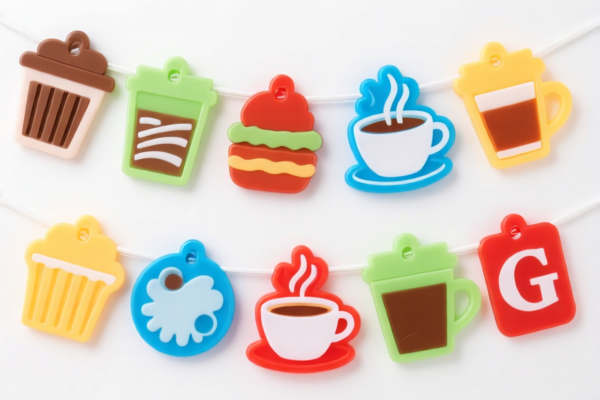
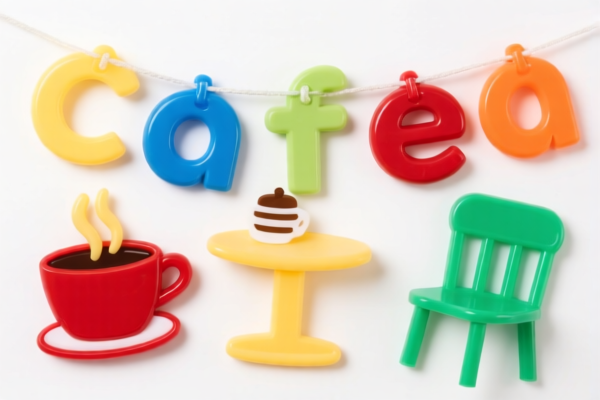

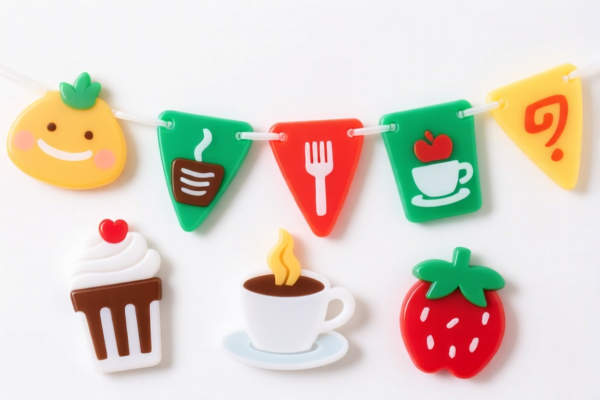
AI Analysis
☕ Plastic Cafe Decorations (Indoor/Outdoor)
🌐 HS Code Reference & Customs Clearance Guide | 2026 Tax Code Analysis | Strategic Compliance Strategy
📌 I. Product Definition & Classification: What Are “Plastic Cafe Decorations”?
“Plastic Cafe Decorations” refer to non-functional ornamental items made primarily of plastic, designed to enhance the aesthetic atmosphere of cafes, restaurants, bars, or retail spaces. These items are not tableware (like cups or plates) nor functional lighting fixtures, but rather purely decorative elements. Common examples include:
- Plastic figurines (e.g., miniature animals, cartoon characters)
- Plastic wreaths, garlands, or garland-like hangings
- Plastic planters or artificial foliage (non-living)
- Plastic signage frames or decorative panels
⚠️ Key Distinction Point:
- If the item is primarily for festive/seasonal use (e.g., Christmas trees, Halloween skeletons) → It may fall under Chapter 95 (Toys & Games).
- If the item is for general indoor/outdoor decoration (year-round use) → It likely falls under Chapter 39 (Plastics) or Chapter 70 (Glass/Ceramics if mixed, but here we focus on plastic).
- If it is purely plastic and not specifically for a holiday → It is generally classified as an “Other article of plastic.”
📦 II. HS Code Classification Details (2026 Latest Tariff Schedule)
Based on the provided data, here are the possible HS Code classifications for “Plastic Cafe Decorations,” depending on their specific design, purpose, and material composition.
| HS Code | Product Description | Applicable Scenario | Total Tax Rate |
|---|---|---|---|
9505.90.60.00 |
Plastic living room/cafe decorations, classified as holiday/caraval/entertainment articles | Seasonal decor (e.g., Halloween, Carnival), party supplies, festive hangings | 10.0% |
9505.10.40.20 |
Plastic living room/cafe decorations, classified as Christmas/holiday celebration articles | Christmas-specific decor (e.g., plastic ornaments, trees, Santas) | 10.0% |
3926.40.00.90 |
Plastic articles of decoration, meeting the definition of plastic decorative articles | General year-round decorative plastic items (e.g., plastic flowers, figurines for interior design) | 15.3% |
3926.90.99.89 |
Other plastic articles, classified as unlisted other plastic products | Plastic decor that doesn’t fit specific subheadings (e.g., complex plastic sculptures, mixed material plastics) | 22.8% |
7018.10.50.00 |
Plastic cartoon character decorations, classified as other non-metal small articles | Note: This code is typically for glass/ceramic, but data specifies “Plastic cartoon figures.” Likely misclassified in source or specific to mixed media. | 35.0% |
🔍 Critical Analysis:
- Chapter 95 (9505.x.x) is reserved for Christmas tree ornaments and other festive articles. If your cafe decor is explicitly for Halloween, Easter, or Christmas, use 9505.90.60.00 or 9505.10.40.20.
- Chapter 39 (3926.x.x) is for other plastic articles. If the decor is year-round (e.g., plastic sunflowers, modern art sculptures), use 3926.40.00.90 (most common for general plastic decor).
- Avoid 7018.10.50.00 unless the item is primarily glass or ceramic with minor plastic parts. Using this for pure plastic items is highly risky and may lead to reclassification and penalties.
💰 III. 2026 Latest Tariff Rate Breakdown (Including Additional Taxes & Policy Surcharges)
✅ Applicable Country: United States (US)
✅ Origin: China (CN)
✅ Effective Date: November 10, 2025 (and onwards)
🎯 1. 9505.90.60.00 & 9505.10.40.20 — Festive/Holiday Plastic Decorations
| Item | Details |
|---|---|
| Base Tariff | 0.0% (ad valorem) |
| Section 301 Surcharge | 0.0% (No additional 25% tariff) |
| Section 122 Tariff | +10% (New tariff for certain festive articles) |
| Total Tax Rate | 10.0% |
| Tax Calculation | CIF Value × 10% |
| De Minimis Eligibility | ❌ No (Denied de minimis exemption) |
| Legal Basis Path | IEEPA:9903.01.25 → Section 122 → USITC:9505.90.60.00 |
📌 Explanation:
- These codes are for seasonal/festive items.
- No 301 tariffs apply, but a new 10% Section 122 tariff is imposed.
- This is the lowest risk/cost option if the product is truly festive.
🎯 2. 3926.40.00.90 — General Plastic Decorative Articles
| Item | Details |
|---|---|
| Base Tariff | 5.3% |
| Section 301 Surcharge | 0.0% |
| Section 122 Tariff | +10% |
| Total Tax Rate | 15.3% |
| Tax Calculation | CIF Value × 15.3% |
| De Minimis Eligibility | ❌ No |
| Legal Basis Path | IEEPA:9903.01.24 → Section 122 → USITC:3926.40.00.90 |
📌 Explanation:
- This is the most common classification for year-round plastic decor (e.g., plastic plants, figurines).
- 5.3% base + 10% Section 122 = 15.3%.
- Lower risk than 3926.90.99.89 if the item is clearly decorative.
🎯 3. 3926.90.99.89 — Other Plastic Articles (Unlisted)
| Item | Details |
|---|---|
| Base Tariff | 5.3% |
| Section 301 Surcharge | +7.5% |
| Section 122 Tariff | +10% |
| Total Tax Rate | 22.8% |
| Tax Calculation | CIF Value × 22.8% |
| De Minimis Eligibility | ❌ No |
| Legal Basis Path | IEEPA:9903.01.25 → Section 122 → USITC:3926.90.99.89 |
📌 Explanation:
- This is a catch-all category. Use only if the item doesn’t fit3926.40.00.90.
- Higher cost due to 7.5% Section 301 surcharge.
- Not recommended if the item is clearly decorative.
🎯 4. 7018.10.50.00 — Plastic Cartoon Figures (Misclassified?)
| Item | Details |
|---|---|
| Base Tariff | 0.0% |
| Section 301 Surcharge | +25.0% |
| Section 122 Tariff | +10% |
| Total Tax Rate | 35.0% |
| Tax Calculation | CIF Value × 35.0% |
| De Minimis Eligibility | ❌ No |
| Legal Basis Path | IEEPA:9903.01.25 → Section 122 → USITC:7018.10.50.00 |
📌 Explanation:
- High Risk: Chapter 70 is for glass/ceramic. If your product is plastic, this classification is incorrect and will likely be challenged by CBP.
- Very High Cost: 35% due to 25% Section 301 tariff.
- Recommendation: Avoid this code unless the item is primarily glass/ceramic with plastic accents.
🛠️ IV. Customs Clearance Practical Advice (Pitfall Avoidance Guide)
✅ 1. Documentation Checklist (Must-Haves)
| Document | Required | Notes |
|---|---|---|
| ✅ Product Description | ✔️ | Must specify “Plastic Decoration” or “Festive Article” |
| ✅ Material Composition | ✔️ | 100% Plastic, ABS, PVC, etc. |
| ✅ Product Photos | ✔️ | Show the item in context (cafe setting, hanging, etc.) |
| ✅ Function Declaration | ✔️ | State: “Non-functional, decorative only” |
| ✅ HS Code Declaration | ✔️ | Justify why it’s 9505 vs. 3926 |
| ✅ Commercial Invoice | ✔️ | Include unit price, quantity, and total value |
| ✅ Packing List | ✔️ | Detail packaging materials |
✅ 2. Declaration Strategy (Key Tips)
🔥 “Seasonal = 9505, Year-Round = 3926.40, Never Guess = 35% Risk!”
| Scenario | Recommended HS Code | Why? |
|---|---|---|
| Christmas Ornaments | 9505.10.40.20 |
Clearly festive |
| Halloween Skeletons | 9505.90.60.00 |
Clearly festive |
| Plastic Sunflowers (Year-Round) | 3926.40.00.90 |
General plastic decor |
| Plastic Wall Hangings (Abstract) | 3926.40.00.90 |
Decorative plastic article |
| Complex Plastic Sculpture | 3926.90.99.89 |
If not clearly “decorative” in the traditional sense |
| Mixed Glass/Plastic Figurine | 7018.10.50.00 |
Only if glass is primary component |
✅ 3. Special Case Handling
| Case | Recommendation |
|---|---|
| OEM Custom Decors | Provide design files and material specs to justify HS Code |
| Light-Up Plastic Decor | If it includes lights, it may fall under Chapter 85 (Electrical). Consult a specialist! |
| Wooden Frames with Plastic Insert | May fall under Chapter 44 (Wood). Ensure primary material is declared |
| Importing from Vietnam | Check for IEEPA Exemption. If eligible, tariffs may drop to 0-5% |
🌍 V. Global Market Comparison (2026)
| Country/Region | Recommended HS Code | Tariff Rate (China Origin) | Certification Required | Notes |
|---|---|---|---|---|
| 🇺🇸 USA | 3926.40.00.90 |
15.3% | No special certs | High scrutiny on “Festive” vs. “General” |
| 🇨🇳 China | 3926.40.00.90 |
5% | CCC (if applicable) | Lower tariffs, no Section 122 |
| 🇪🇺 EU | 3926.90.99 |
0-4% | CE, REACH | No Section 122 equivalent |
| 🇬🇧 UK | 3926.90.99 |
0-4% | UKCA | Post-Brexit alignment with EU |
| 🇦🇺 Australia | 3926.40.00 |
5% | RCM | Moderate tariffs |
📌 Conclusion:
- USA is the most expensive market due to Section 122 (10%) and Section 301 (varies).
- EU/UK/Australia offer lower or zero tariffs for plastic decor.
- China origin is the biggest cost driver for US imports.
📌 VI. Common Mistakes & Pitfalls (Lessons Learned)
❌ Mistake 1: Calling “Plastic Sunflowers” a “Christmas Decoration”
👉 Consequence: CBP may reject the 9505 classification and reclassify to 3926.40.00.90 (15.3%) or worse.
👉 Solution: Only use 9505 for seasonal/festive items.
❌ Mistake 2: Using 7018.10.50.00 for Plastic Figures
👉 Consequence: 35% tariff + potential penalties for misclassification.
👉 Solution: Use 3926.40.00.90 for plastic figurines.
❌ Mistake 3: Not Declaring “Decorative” Purpose
👉 Consequence: CBP may classify as “General Plastic Article” (3926.90.99.89) → 22.8%.
👉 Solution: Clearly state “For Decorative Purposes Only” on invoices.
❌ Mistake 4: Ignoring Section 122 Tariff
👉 Consequence: Underpayment of 10% on eligible items.
👉 Solution: Factor in 10% Section 122 for all plastic decor imports from China.
✅ Correct Practice:
“Plastic Decorative Figurine, 10cm, ABS Plastic, for Cafe Interior Design, Non-Functional, Model XYZ”
🎯 VII. Conclusion: Professional Declaration, Cost Optimization
🎯 Remember the Rules:
🔹 “Festive = 9505 (10%), General Decor = 3926.40 (15.3%), Misclassified = 35%+”
🔹 “Justify the Purpose, Declare the Material, Avoid Guesswork”
📌 Pro Tip:
If your products are originating from Vietnam, Mexico, or Thailand, you may qualify for IEEPA Tariff Exemptions, reducing tariffs to 0-5%.
Recommend pre-ruling with CBP to confirm HS Code classification before shipment.
📣 Immediate Action:
📞 Contact a licensed customs broker + Provide product images + Request Advance Ruling
🚀 Ensure smooth customs clearance, minimize costs, and maximize profit!
✨ Professional Customs Clearance Starts with Accurate Classification!
💼 Every dollar in cost savings counts!
Customer Reviews
About HS Code Classification
The Harmonized System (HS) is an internationally standardized nomenclature developed by the World Customs Organization (WCO) to classify traded products. Over 200 countries use the HS system as the basis for customs tariffs, trade statistics, and import/export regulations.
Each HS code follows a hierarchical structure:
- Chapter (2 digits) — Broad category of goods (e.g., Chapter 84: Machinery and Mechanical Appliances)
- Heading (4 digits) — More specific grouping within the chapter
- Subheading (6 digits) — Internationally standardized breakdown, used by all WCO member countries
- National subdivisions (8-10 digits) — Country-specific extensions for further classification, such as US HTSUS 10-digit codes
Correct HS code classification is essential for smooth customs clearance, accurate duty payment, and compliance with trade regulations. Misclassification can lead to customs delays, overpayment of duties, or penalties.
When importing from CN to US, the applicable tariff rates may include:
- Most-Favored-Nation (MFN) rate — The standard duty rate applied to WTO members
- General rate — Applied to countries without trade agreements
- Trade remedy duties — Additional tariffs such as Section 301 (anti-dumping), Section 232 (national security), or countervailing duties
The information provided on this page is for reference purposes only. For official classification, please consult with your local customs authority or a licensed customs broker.