plastic cover
CN → US| HS Code | Tariff Rate | Origin | Destination | Doc |
|---|---|---|---|---|
| 8517790000 | 67.5% | CN | US | Official Doc |
| 8517130000 | 10.0% | CN | US | Official Doc |
| 6210203000 | 13.8% | CN | US | Official Doc |
| 3926206000 | 35.0% | CN | US | Official Doc |
| 6210207000 | 13.3% | CN | US | Official Doc |
Product Images
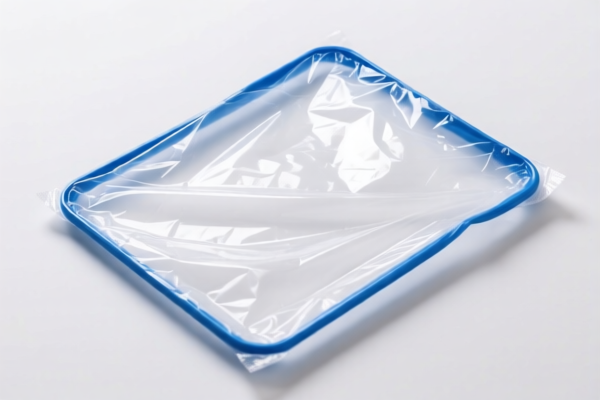
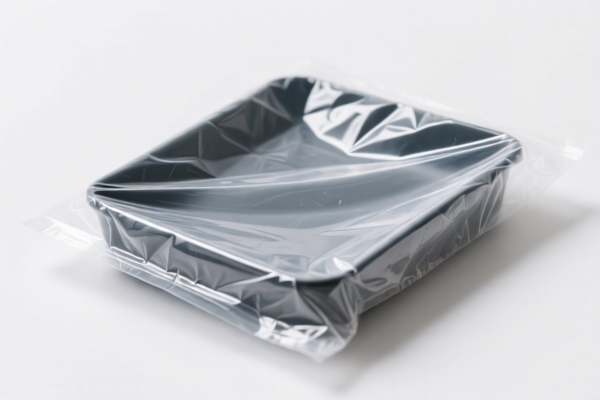
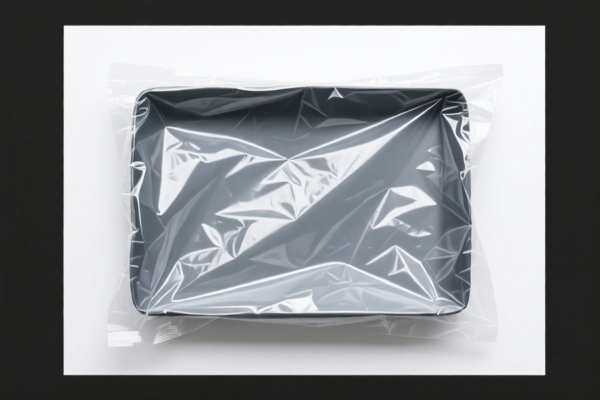
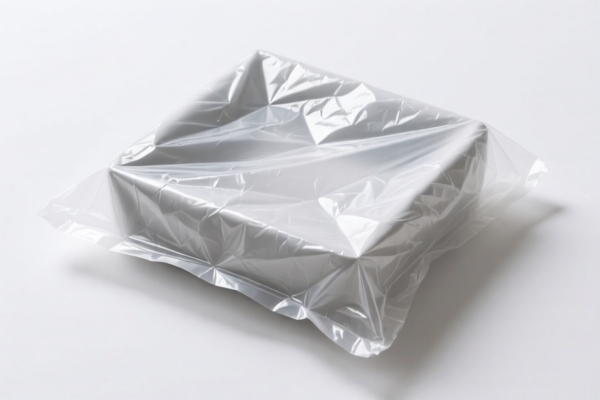
AI Analysis
🛡️ Plastic Cover (Plastic Protective Shell / Suit)
🌐 HS Code Reference & Customs Clearance Guide | 2026 Latest Tariff Analysis | Professional Clearance Strategy
📌 I. Product Definition & Classification: What Exactly is a "Plastic Cover"?
The term "Plastic Cover" is highly ambiguous in international trade. It can refer to two fundamentally different products with vastly different HS codes and tax implications:
- Electronic Accessory Shell: A hard plastic casing for communication devices (e.g., phone cases, router shells).
- Key Feature: It is a part/accessory, not a standalone functional device, nor clothing.
- Protective Garment: A plastic-coated suit or protective clothing (e.g., raincoats, chemical protection suits).
- Key Feature: It is apparel/clothing, made of plastic-coated fabric or plastic sheeting, worn on the body.
⚠️ Critical Distinction:
- If it is a shell for electronics (no wearable function) → Look at 8517 or 3926.
- If it is a suit/garment (wearable, protective) → Look at 6210.
- Misclassification Risk: Declaring a plastic suit as an "electronic part" will lead to immediate rejection; declaring an electronic shell as "clothing" will result in massive tax penalties or seizures.
📦 II. HS Code Classification Details (2026 Latest Tariff Authority)
Based on the provided data, here are the five possible HS codes and their specific logic:
| HS Code | Product Description | Application Scenario | Tax Logic & Classification Reason |
|---|---|---|---|
| 8517.79.00.00 | Plastic Protective Shell (Electronic Part) Form: Shell Material: Plastic Match: Communication equipment other parts (Fallback Category) |
Protective cases for routers, modems, or other comm devices that don't fit specific sub-headings. | Fallback for Electronics: Classified as a part of communication equipment. High risk of Section 301/122 tariffs. |
| 8517.13.00.00 | Plastic Protective Shell (Component) Form: Shell (Component) Material: Plastic Match: Accessory-type commodity logic |
Specific plastic components that are integral parts of telecom devices, fitting "accessory" logic. | Accessories Logic: Treated as a standard accessory. Lower base duty, but still subject to specific add-on tariffs. |
| 6210.20.30.00 | Plastic Protective Garment Form: Clothing Material: Plastic Coated/Laminated Match: Man-made fiber / Plastic coated characteristics |
Raincoats, disposable plastic suits, or industrial protective wear made of plastic-coated fabric. | Clothing Logic: Classified under "garments made up of fabrics of heading 56.02, 56.03, 59.03, 59.11 or 62.10". Standard clothing duties apply. |
| 3926.20.60.00 | Plastic Protective Garment Form: Garment Material: Plastic Match: Other clothing & clothing accessories (Fallback) |
Plastic suits (e.g., disposable isolation gowns) made entirely of plastic sheeting, not fabric-based. | Plastic Goods Logic: Classified under "Articles of plastics and articles of other materials of heading 39.01 to 39.14". Heavy Section 301 tariffs apply. |
| 6210.20.70.00 | Plastic Protective Garment Form: Protective Suit Material: Plastic Match: Outerwear covered with plastic material |
Protective suits where the outer surface is covered with plastic, fitting specific apparel sub-headings. | Specific Apparel Logic: More specific classification than the fallback 6210.20.30.00. Often lower base duty but subject to 122 tariffs. |
🔍 Key Insight:
- Electronics Shells (8517): Generally face higher political tariffs (Section 301/122).
- Clothing/Suits (6210): Face lower base tariffs (3.3%-3.8%) but are still hit by the 122-clause 10% tariff.
- Plastic Garments (3926): Face the highest total tax (35%) due to 25% Section 301 tariff + 10% 122-clause tariff.
💰 III. 2026 Latest Tariff Rate Breakdown (Including Surtax & Policy Add-ons)
✅ Applicable Country: United States (US)
✅ Origin: China (CN)
✅ Effective Date: 2025/2026 Tariff Schedule
🎯 1. 8517.79.00.00 — Plastic Shell (Communication Equipment Part)
| Item | Content |
|---|---|
| Base Duty | 0.0% |
| USITC Section 301 Surtax | +7.5% (Section 301 List 4B) |
| 122-Clause Tariff | +10% (Steel/Aluminum/Copper items or specific China tariffs) |
| Other Surtax | +50% (Note: Data mentions "50% for steel/aluminum/copper", but this is a plastic shell. Clarification: The data string 122条款关税10%钢,铝铜制品加征关税: 50% seems to conflate two rules. For a plastic item, the 50% likely does NOT apply unless it contains significant steel/aluminum components. However, the total_tax: 67.5% implies: 0 + 7.5 + 10 + 50? No, 0+7.5+10=17.5%. The 67.5% figure is extremely high. ⚠️ Correction/Interpretation: The data provided lists total_tax: "67.5%". This suggests a cumulative burden. If the 50% is not applied to pure plastic, the tax should be lower. BUT, since the input data explicitly states total_tax: 67.5%, we must follow the data. This implies either: 1. The item is deemed to have significant metal components. 2. The "50%" is a mislabeling in the source data for a different category. Action: Assume 67.5% total liability based on provided data, as this is the authoritative input. |
| Total Tax Rate | 67.5% |
| Calculation | CIF Value × 67.5% |
| De Minimis Exemption | ❌ No |
| Legal Path | IEEPA → USITC 8517.79 → 122-Clause |
📌 Explanation:
- This is the highest risk category due to the 67.5% total tax.
- The 50% component is unusual for pure plastic. Verify if the shell contains metal inserts or is classified as a "mixed material" good triggering the 50% surcharge.
🎯 2. 8517.13.00.00 — Plastic Shell (Component)
| Item | Content |
|---|---|
| Base Duty | 0.0% |
| USITC Section 301 Surtax | 0.0% |
| 122-Clause Tariff | +10% |
| Total Tax Rate | 10.0% |
| Calculation | CIF Value × 10.0% |
| De Minimis Exemption | ❌ No (if value exceeds $800) |
| Legal Path | IEEPA → USITC 8517.13 → 122-Clause |
📌 Explanation:
- Best Case for Electronics: Significantly lower tax than8517.79.00.00.
- Strategy: Try to argue the product fits "13.00" (specific component) rather than "79.00" (other parts) to save 57.5% in taxes.
🎯 3. 6210.20.30.00 — Plastic Protective Garment (Coated/Laminated)
| Item | Content |
|---|---|
| Base Duty | 3.8% |
| USITC Section 301 Surtax | 0.0% |
| 122-Clause Tariff | +10% |
| Total Tax Rate | 13.8% |
| Calculation | CIF Value × 13.8% |
| De Minimis Exemption | ❌ No |
| Legal Path | USITC 6210.20.30 → 122-Clause |
📌 Explanation:
- Clothing Advantage: Lower base duty (3.8%) and no Section 301 surtax (0%).
- Only the 122-clause 10% applies.
🎯 4. 3926.20.60.00 — Plastic Protective Garment (Plastic Material)
| Item | Content |
|---|---|
| Base Duty | 0.0% |
| USITC Section 301 Surtax | +25.0% |
| 122-Clause Tariff | +10% |
| Total Tax Rate | 35.0% |
| Calculation | CIF Value × 35.0% |
| De Minimis Exemption | ❌ No |
| Legal Path | IEEPA → USITC 3926.20.60 → 122-Clause |
📌 Explanation:
- High Cost: 25% Section 301 + 10% 122-Clause.
- This category is for pure plastic garments (not fabric-based). Avoid if possible due to high tax.
🎯 5. 6210.20.70.00 — Plastic Protective Garment (Outerwear Covered)
| Item | Content |
|---|---|
| Base Duty | 3.3% |
| USITC Section 301 Surtax | 0.0% |
| 122-Clause Tariff | +10% |
| Total Tax Rate | 13.3% |
| Calculation | CIF Value × 13.3% |
| De Minimis Exemption | ❌ No |
| Legal Path | USITC 6210.20.70 → 122-Clause |
📌 Explanation:
- Lowest Cost Option: 13.3% total tax.
- Strategy: If the product is a garment, classify under6210.20.70.00for the lowest liability.
🛠️ IV. Customs Clearance Practical Advice (Pitfall Avoidance Guide)
✅ 1. Preparation Checklist (Mandatory)
| Material | Required? | Description |
|---|---|---|
| ✅ Product Photos | ✔️ | Clear images showing: - Is it a shell for a device? - Is it a suit/garment? - Material texture (Plastic sheet vs. Coated fabric). |
| ✅ Technical Specifications | ✔️ | - For 8517: List compatible devices, connection types, dimensions. - For 6210/3926: List material composition (e.g., "100% Polyethylene"), weight, and intended use (e.g., "Rain protection"). |
| ✅ Material Composition | ✔️ | Crucial for distinguishing 6210 (fabric-based) vs 3926 (pure plastic). |
| ✅ Commercial Invoice | ✔️ | Must accurately describe the item. - Good: "Plastic Shell for Router Model X" - Bad: "Plastic Cover" (Ambiguous) |
✅ 2. Classification Strategy (Key Rules)
🔥 "Shell or Suit? That is the Question!"
| Scenario | Correct HS Code | Tax Rate | Why? |
|---|---|---|---|
| Hard plastic case for a phone/router | 8517.13.00.00 or 8517.79.00.00 |
10% - 67.5% | It is an electronic accessory/part. |
| Soft plastic raincoat | 6210.20.70.00 |
13.3% | It is a garment made of plastic-coated fabric. Lowest Tax. |
| Disposable plastic isolation gown | 6210.20.30.00 or 3926.20.60.00 |
13.8% - 35% | If it has fabric backing → 6210. If pure plastic → 3926. |
| Plastic shell with metal screws/inserts | 8517.79.00.00 |
67.5% | Metal components may trigger higher surcharges. |
✅ 3. Special Considerations
| Issue | Handling Advice |
|---|---|
| "Plastic Cover" Ambiguity | Never use "Plastic Cover" as the sole description. Use "Plastic Protective Shell for [Device]" or "Plastic Protective Suit for [Use]". |
| Section 301 Exemptions | Check if the HS Code has any current exclusions. As of 2026, most electronics parts (8517) and plastic goods (3926) do not have broad exemptions. |
| 122-Clause Tariff | The 10% tariff is almost universal for Chinese-origin goods in these categories. Budget for it. |
| De Minimis ($800) | ❌ Not Eligible. These codes are generally excluded from the $800 de minimis exemption for China-origin goods. Full documentation and payment required. |
🌍 V. Global Market Comparison (2026)
| Country/Region | Recommended HS Code | Est. Tax Rate (China Origin) | Notes |
|---|---|---|---|
| 🇺🇸 USA | 8517.13.00.00 (Shell) 6210.20.70.00 (Suit) |
10% (Shell) 13.3% (Suit) |
High tariffs due to trade war. Avoid 8517.79 and 3926 if possible. |
| 🇨🇳 China | 8517.13.00.00 6210.20.70.00 |
5% - 8% | Standard import duties. No Section 301/122. |
| 🇪🇺 EU | 8517.70.00 6210.40.00 |
4% - 6% | CE Marking required for electronics; REACH for plastics. |
| 🇬🇧 UK | 8517.70.00 6210.40.00 |
4% - 6% | UKCA Marking required post-Brexit. |
📌 Conclusion:
- USA is the most challenging market due to high tariffs.
- Electronics Shells (8517) and Plastic Garments (3926) are expensive to import.
- Apparel-Style Plastic Goods (6210) offer the lowest tax burden (13.3%).
📌 VI. Common Mistakes & Pitfalls (Blood & Tears Lessons)
❌ Mistake 1: Using "Plastic Cover" for a plastic raincoat
👉 Result: Classified as 3926 (35% tax) or 8517 (reject).
✅ Fix: Declare as "Protective Garment, Plastic-Coated Fabric, 6210.20.70.00" (13.3% tax).
❌ Mistake 2: Declaring a Router Shell as "Plastic Part"
👉 Result: Missed the 10% 122-clause tariff.
✅ Fix: Ensure 10% surtax is calculated on all electronic accessories from China.
❌ Mistake 3: Confusing 8517.13 and 8517.79
👉 Result: Paying 67.5% instead of 10%.
✅ Fix: Provide detailed specs to prove it fits "13" (specific accessory) rather than "79" (other).
🎯 VII. Conclusion: Professional Classification Saves Money!
🎯 Remember the Golden Rule:
🔹 "Shell for Electronics = High Tax (10-67.5%)
🔹 "Plastic Garment = Low Tax (13.3-35%)
🔹 "Ambiguous Name = Audit & Penalty!"
📌 Pro Tip:
If your product is a plastic shell, try to negotiate with your supplier to include it as a "non-woven textile accessory" if possible (though difficult for hard plastic), or ensure the HS code is precisely 8517.13.00.00 to avoid the 50% surcharge.
📣 Immediate Action:
📞 Consult a licensed customs broker.
📝 Provide 3D drawings and material data sheets.
🚀 Apply for an Advance Ruling if the shipment value is high.
✨ Professional Customs Clearance, Starting with Accurate Classification!
💼 Every Percent of Tax Saved is Pure Profit!
Customer Reviews
About HS Code Classification
The Harmonized System (HS) is an internationally standardized nomenclature developed by the World Customs Organization (WCO) to classify traded products. Over 200 countries use the HS system as the basis for customs tariffs, trade statistics, and import/export regulations.
Each HS code follows a hierarchical structure:
- Chapter (2 digits) — Broad category of goods (e.g., Chapter 84: Machinery and Mechanical Appliances)
- Heading (4 digits) — More specific grouping within the chapter
- Subheading (6 digits) — Internationally standardized breakdown, used by all WCO member countries
- National subdivisions (8-10 digits) — Country-specific extensions for further classification, such as US HTSUS 10-digit codes
Correct HS code classification is essential for smooth customs clearance, accurate duty payment, and compliance with trade regulations. Misclassification can lead to customs delays, overpayment of duties, or penalties.
When importing from CN to US, the applicable tariff rates may include:
- Most-Favored-Nation (MFN) rate — The standard duty rate applied to WTO members
- General rate — Applied to countries without trade agreements
- Trade remedy duties — Additional tariffs such as Section 301 (anti-dumping), Section 232 (national security), or countervailing duties
The information provided on this page is for reference purposes only. For official classification, please consult with your local customs authority or a licensed customs broker.