plastic cutting boards
CN → US| HS Code | Tariff Rate | Origin | Destination | Doc |
|---|---|---|---|---|
| 3924104000 | 13.4% | CN | US | Official Doc |
| 3924102000 | 24.0% | CN | US | Official Doc |
| 4419909100 | 20.7% | CN | US | Official Doc |
| 6912004810 | 19.8% | CN | US | Official Doc |
| 4419110000 | 13.2% | CN | US | Official Doc |
Product Images
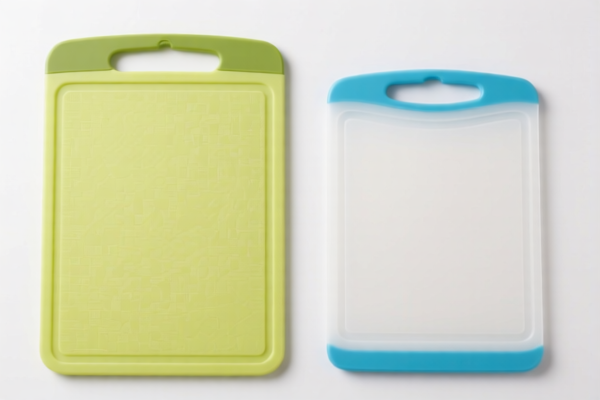
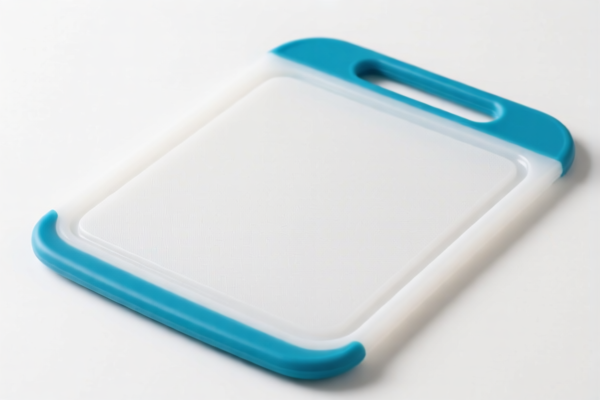
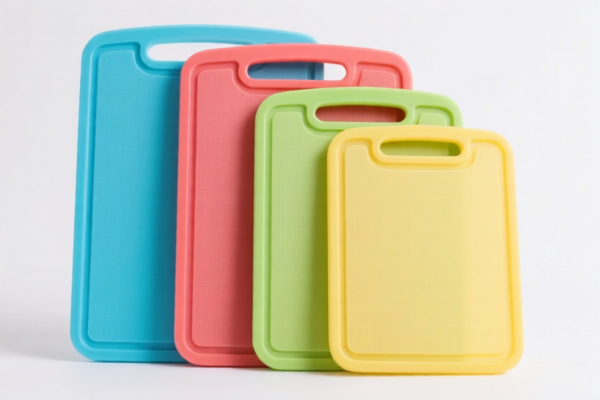

AI Analysis
🔪 Plastic Cutting Boards (Kitchen Utensils)
🌐 HS Code Reference & Customs Clearance Guide | 2026 Latest Tariff Analysis | Strategic Clearance Strategy
📌 I. Product Definition & Classification: Do You Really Understand "Plastic Cutting Boards"?
A plastic cutting board is a common kitchen utensil used for food preparation. In international trade, it falls under Chapter 39 (Plastics and Articles Thereof) or Chapter 44 (Wood and Wood Products) depending on the primary material composition. For plastic cutting boards, the most accurate classification is generally under Heading 39.24.
⚠️ Key Distinction Point:
- If the product is predominantly plastic → Classified under 3924.10.40.00
- If the product is wooden, bamboo, or mixed-material (e.g., wood with plastic handles) → Classified under 4419.90.91.00 or 4419.11.00.00
- If the product is ceramic → Classified under 6912.00.48.10
📦 II. HS Code Classification Details (2026 Latest Tariff Authoritative Comparison)
| HS Code | Product Description | Material | Application Scenario | Total Tax Rate (US/CN) |
|---|---|---|---|---|
3924.10.40.00 |
Tableware, kitchenware, other articles of table or kitchenware, of plastics; Plastic cutting boards | Plastic | Home kitchens, commercial food prep | 13.4% |
3924.10.20.00 |
Tableware, kitchenware, other articles of table or kitchenware, of plastics; Cutting boards (mixed/other plastic) | Plastic or mixed plastic | General kitchen use | 24.0% |
4419.90.91.00 |
Tableware and kitchenware, of wood; Wooden or related material cutting boards | Wooden or related | Traditional wooden boards | 20.7% |
6912.00.48.10 |
Tableware and kitchenware, of ceramic; Ceramic/plastic/wooden boards | Ceramic, wood, or plastic | Decorative or hybrid | 19.8% |
4419.11.00.00 |
Tableware and kitchenware, of bamboo; Bamboo cutting boards | Bamboo | Eco-friendly bamboo boards | 13.2% |
🔍 Key Reminder:
- Pure plastic cutting boards should be declared under 3924.10.40.00 to benefit from the lowest tax rate (13.4%).
- Misclassification as "mixed plastic" (3924.10.20.00) results in a 24.0% tax rate, which is significantly higher.
- Bamboo cutting boards are classified under 4419.11.00.00 with a 13.2% tax rate, which is even lower than plastic.
💰 III. 2026 Latest Tariff Rate Breakdown (Including Additional Taxes, Policy Surcharges)
✅ Applicable Country: United States (US)
✅ Country of Origin: China (CN)
✅ Effective Date: November 10, 2025 (and subsequent imports)
🎯 1. 3924.10.40.00 —— Plastic Cutting Boards (Primary Material: Plastic)
| Item | Content |
|---|---|
| Base Tariff | 3.4% (ad valorem) |
| Section 301 Additional Tariff | 0.0% |
| Section 122 Tariff | +10% (Specific to certain plastic kitchenware from China) |
| Total Tax Rate | 13.4% |
| Tax Calculation | CIF Value × 13.4% |
| De Minimis Eligibility | ❌ No (Not eligible for de minimis exemption) |
| Legal Basis Path | USITC:3924.10.40.00 → SECTION_122:10% |
📌 Explanation:
- The Base Tariff is 3.4%, which is relatively low.
- Section 301 (25% or 7.5%) does NOT apply to this specific HS code.
- However, Section 122 imposes an additional 10% tariff on plastic kitchenware from China.
- Total Rate: 13.4%. This is the lowest tax rate for plastic cutting boards among all classifications.
🎯 2. 3924.10.20.00 —— Mixed Plastic Cutting Boards
| Item | Content |
|---|---|
| Base Tariff | 6.5% |
| Section 301 Additional Tariff | +7.5% |
| Section 122 Tariff | +10% |
| Total Tax Rate | 24.0% |
| Tax Calculation | CIF Value × 24.0% |
| De Minimis Eligibility | ❌ No |
| Legal Basis Path | USITC:3924.10.20.00 → SECTION_301:7.5% → SECTION_122:10% |
📌 Note:
- If the cutting board is classified as "other plastic articles" (3924.10.20.00), it attracts Section 301 (7.5%) AND Section 122 (10%).
- Total Rate: 24.0%, which is 10.6% higher than the pure plastic category.
- Avoid misclassification! Ensure the product is clearly described as "Plastic Cutting Board" to qualify for 3924.10.40.00.
🎯 3. 4419.90.91.00 —— Wooden Cutting Boards
| Item | Content |
|---|---|
| Base Tariff | 3.2% |
| Section 301 Additional Tariff | +7.5% |
| Section 122 Tariff | +10% |
| Total Tax Rate | 20.7% |
| Tax Calculation | CIF Value × 20.7% |
| De Minimis Eligibility | ❌ No |
| Legal Basis Path | USITC:4419.90.91.00 → SECTION_301:7.5% → SECTION_122:10% |
📌 Note:
- Wooden cutting boards also face Section 301 (7.5%) and Section 122 (10%).
- Total Rate: 20.7%, which is higher than pure plastic cutting boards.
🎯 4. 6912.00.48.10 —— Ceramic/Hybrid Cutting Boards
| Item | Content |
|---|---|
| Base Tariff | 9.8% |
| Section 301 Additional Tariff | 0.0% |
| Section 122 Tariff | +10% |
| Total Tax Rate | 19.8% |
| Tax Calculation | CIF Value × 19.8% |
| De Minimis Eligibility | ❌ No |
| Legal Basis Path | USITC:6912.00.48.10 → SECTION_122:10% |
📌 Note:
- Ceramic cutting boards have a higher base tariff (9.8%) but no Section 301.
- Total Rate: 19.8%.
🎯 5. 4419.11.00.00 —— Bamboo Cutting Boards
| Item | Content |
|---|---|
| Base Tariff | 3.2% |
| Section 301 Additional Tariff | 0.0% |
| Section 122 Tariff | +10% |
| Total Tax Rate | 13.2% |
| Tax Calculation | CIF Value × 13.2% |
| De Minimis Eligibility | ❌ No |
| Legal Basis Path | USITC:4419.11.00.00 → SECTION_122:10% |
📌 Note:
- Bamboo cutting boards have the lowest total tax rate (13.2%).
- They are subject to Base Tariff (3.2%) + Section 122 (10%).
- Section 301 does NOT apply to bamboo products.
- Recommendation: If you produce bamboo cutting boards, declare them under 4419.11.00.00 to save 0.2% compared to plastic.
🛠️ IV. Customs Clearance Practical Advice (Real-World Pitfall Avoidance Guide)
✅ 1. Required Documentation Checklist (All Are Mandatory)
| Document | Required | Description |
|---|---|---|
| ✅ Product Specification Sheet | ✔️ | Include material composition, dimensions, weight, usage |
| ✅ Product Photos (Including Label) | ✔️ | Clear images of the product, model, material, and origin label |
| ✅ Commercial Invoice | ✔️ | Clearly state "Plastic Cutting Board" and HS Code 3924.10.40.00 |
| ✅ Packing List | ✔️ | Detail quantity, net weight, gross weight, and package dimensions |
| ✅ Bill of Lading/Air Waybill | ✔️ | Standard shipping document |
| ✅ Certificate of Origin (CO) | ✔️ | If non-China origin, may qualify for preferential rates |
| ✅ FDA Compliance Statement | ✔️ | For food-contact products, confirm FDA compliance for plastics |
✅ 2. Declaration Tips (Key Mantra)
🔥 “Material Matters, HS Code Dictates, Section 122 Strikes, Avoid Misclassification!”
| Scenario | Correct Declaration | Wrong Practice |
|---|---|---|
| Pure plastic cutting board | 3924.10.40.00 |
Misdeclare as 3924.10.20.00 → 24.0% tax |
| Wooden cutting board | 4419.90.91.00 |
Misdeclare as plastic → 13.4% vs 20.7% |
| Bamboo cutting board | 4419.11.00.00 |
Misdeclare as wood → 13.2% vs 20.7% |
| Ceramic cutting board | 6912.00.48.10 |
Misdeclare as plastic → 19.8% vs 13.4% |
✅ 3. Special Handling Cases
| Situation | Handling Advice |
|---|---|
| Mixed-material boards (e.g., wood handle + plastic board) | Declare based on primary material. If plastic >50%, use 3924.10.40.00. |
| OEM Customized Boards | Provide customer PO + design specs to prove material composition. |
| Bamboo Boards | Ensure they are 100% bamboo or bamboo-based. If mixed with plastic, may fall under 3924.10.20.00. |
| Food Contact Compliance | Provide FDA compliance documentation to avoid detention at customs. |
🌍 V. Global Market Customs Clearance Comparison (2026 Latest)
| Country/Region | Recommended HS Code | Tariff | Certification Requirements | Notes |
|---|---|---|---|---|
| 🇺🇸 US | 3924.10.40.00 |
13.4% (China) | FDA + Prop 65 | Section 122 applies |
| 🇨🇳 China | 3924.10.40.00 |
5% | None | No additional tariffs |
| 🇪🇺 EU | 3924.10.40.00 |
6% | CE + Food Contact | No additional tariffs |
| 🇦🇺 Australia | 3924.10.40.00 |
5% | ACS | No additional tariffs |
| 🇯🇵 Japan | 3924.10.40.00 |
0% | JIS | No additional tariffs |
📌 Conclusion:
- US is the only market with significant additional tariffs (Section 122).
- China-origin plastic cutting boards face a 13.4% total tax rate in the US.
- Bamboo boards (4419.11.00.00) offer the lowest rate (13.2%) in the US.
- No de minimis exemption applies to any cutting boards.
📌 VI. Common Errors & Pitfall Guide (Blood Lessons)
❌ Error 1: Declaring plastic cutting boards as 3924.10.20.00
👉 Consequence: Tax jumps from 13.4% to 24.0% → Extra cost of 10.6%!
❌ Error 2: Not providing FDA compliance docs
👉 Consequence: Customs detention, rejection, or return shipment.
❌ Error 3: Misdeclaring bamboo as wood
👉 Consequence: Tax increases from 13.2% to 20.7% → Extra cost of 7.5%!
❌ Error 4: Using vague descriptions like "Kitchen Tool"
👉 Consequence: Customs reclassification, delays, and penalties.
✅ Correct Practice:
“Plastic Cutting Board, Material: HDPE, FDA Compliant, Model XYZ, HS Code: 3924.10.40.00”
🎯 VII. Conclusion: Professional Declaration, Save Time, Reduce Costs!
🎯 Remember the Mantra:
🔹 “Material First, HS Code Second, Section 122 Hits, Misclassification Costs!”
🔹 “Plastic 13.4%, Bamboo 13.2%, Wood 20.7%, Plastic Mix 24.0%!”
📌 Tips:
- If your cutting boards are originally from Vietnam, Mexico, Thailand, or Malaysia, you may avoid Section 122, resulting in 0%~5% tariffs.
- Consider pre-classification rulings (Advance Rulings) to avoid clearance risks.
- Bamboo cutting boards (4419.11.00.00) are the most tax-efficient option for the US market.
📣 Take Action Now:
📞 Contact professional customs brokers + Provide product specs + Apply for HS Code pre-ruling
🚀 Let your cutting boards clear customs smoothly, boost exports, and maximize profits!
✨ Professional Clearance Starts with Accurate Classification!
💼 Every cent of your cost deserves precise calculation!
Customer Reviews
About HS Code Classification
The Harmonized System (HS) is an internationally standardized nomenclature developed by the World Customs Organization (WCO) to classify traded products. Over 200 countries use the HS system as the basis for customs tariffs, trade statistics, and import/export regulations.
Each HS code follows a hierarchical structure:
- Chapter (2 digits) — Broad category of goods (e.g., Chapter 84: Machinery and Mechanical Appliances)
- Heading (4 digits) — More specific grouping within the chapter
- Subheading (6 digits) — Internationally standardized breakdown, used by all WCO member countries
- National subdivisions (8-10 digits) — Country-specific extensions for further classification, such as US HTSUS 10-digit codes
Correct HS code classification is essential for smooth customs clearance, accurate duty payment, and compliance with trade regulations. Misclassification can lead to customs delays, overpayment of duties, or penalties.
When importing from CN to US, the applicable tariff rates may include:
- Most-Favored-Nation (MFN) rate — The standard duty rate applied to WTO members
- General rate — Applied to countries without trade agreements
- Trade remedy duties — Additional tariffs such as Section 301 (anti-dumping), Section 232 (national security), or countervailing duties
The information provided on this page is for reference purposes only. For official classification, please consult with your local customs authority or a licensed customs broker.