plastic decorative tape
CN → US| HS Code | Tariff Rate | Origin | Destination | Doc |
|---|---|---|---|---|
| 3919102040 | 40.8% | CN | US | Official Doc |
| 3919905040 | 40.8% | CN | US | Official Doc |
| 3920200020 | 39.2% | CN | US | Official Doc |
| 3920620020 | 39.2% | CN | US | Official Doc |
| 3920992000 | 39.2% | CN | US | Official Doc |
Product Images

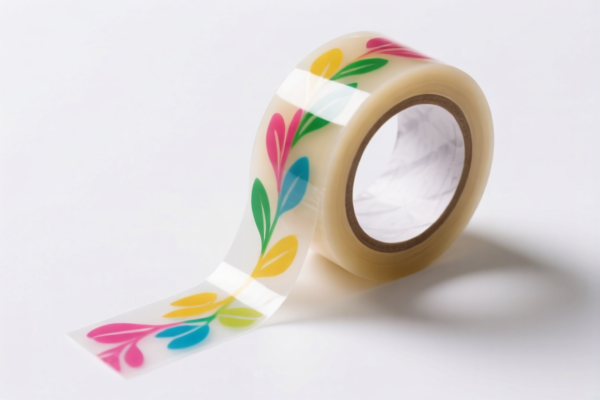
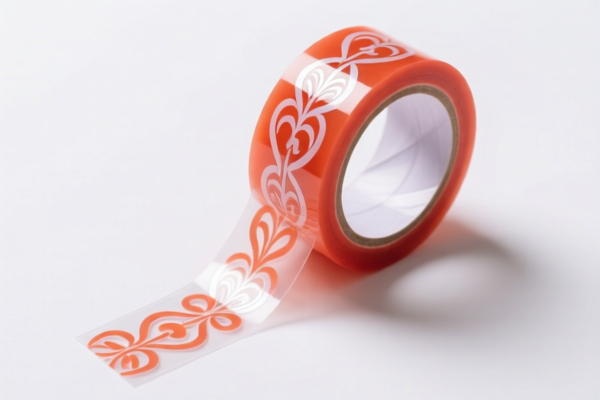
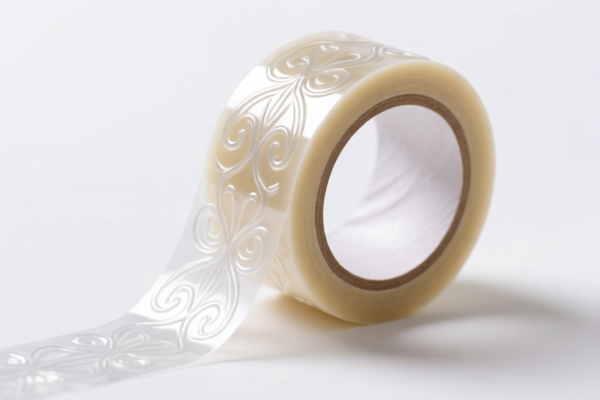
AI Analysis
🏷️ Plastic Decorative Tape (Polymer Adhesive Tapes)
🌐 HS Code Reference & Customs Clearance Guide | 2026 Latest Tariff Analysis | Professional Clearance Strategy
📌 I. Product Definition & Classification: Do You Really Know "Plastic Decorative Tape"?
Plastic Decorative Tape generally refers to adhesive tapes made from polymer materials (such as PVC, PET, PP, or Polyester), characterized by their flat, strip-like shape and self-adhesive nature. In international trade, these products are often categorized based on their specific material composition and structural form. They fall primarily under Chapter 39 (Plastics and Articles Thereof), specifically within headings 3919 (Self-adhesive plates, sheets, film, foil, tape, strip and other forms, of plastics) or 3920 (Other plates, sheets, film, foil and strip, of plastics).
⚠️ Key Classification Distinction:
- If the product is a self-adhesive tape (with adhesive on one or both sides) in a flat roll or strip, it typically falls under Heading 3919.
- If the product is a non-adhesive plastic strip or film intended for lamination or decorative covering (though "Decorative Tape" implies adhesion, sometimes non-adhesive decorative films are misclassified), it might fall under Heading 3920.
- Crucial Point: The term "Decorative" does not create a separate HS heading. The classification depends strictly on the material (Polymer) and form (Tape/Strip). Most "Decorative Tapes" sold to consumers or for industrial use are self-adhesive, thus leaning towards 3919. However, if the tape is a specific type of "Polyester Tape" used for packaging or reinforcement, it may also be classified under 3920 depending on the specific tariff schedule's sub-headings for "Other plastic strips."
📦 II. HS Code Classification Details (2026 Latest Tariff Authority Comparison)
Based on the provided data, here are the four specific HS Codes applicable to Plastic Decorative Tape, along with their tax implications.
| HS Code | Product Description | Applicability & Key Characteristics |
|---|---|---|
| 3919.10.20.40 | Plastic Tape | Material: Plastic. Form: Tape. Classification: Belongs to the category of flat-shaped tapes. This is the broadest category for standard self-adhesive plastic tapes. |
| 3919.90.50.40 | Plastic Tape or Polyester Plastic Tape | Material: Plastic or Polyester. Form: Tape. Classification: Self-adhesive plastic tapes. Specifically covers tapes made of polyester or other plastics not specified in 3919.10. |
| 3920.20.00.20 | Plastic Strip | Material: Plastic (e.g., Polypropylene). Form: Strip. Classification: Belongs to the category of strips made of polypropylene or other plastics. Note: This applies if the item is considered a "strip" rather than a "tape" in the specific tariff schedule context. |
| 3920.62.00.20 | Plastic Strip (Polyester) | Material: Polyester Plastic. Form: Strip. Classification: Other plastic films, foils, and strips. Specifically for polyester-based plastic strips. |
| 3920.99.20.00 | Plastic Strip (Polyester Tape) | Material: Polyester (Plastic category). Form: Tape/Strip. Classification: Strip/flexible film category. This covers polyester tapes that do not fit into the more specific "Polypropylene" or standard "Plastic Tape" headings. |
🔍 Critical Clarification:
- 3919 vs. 3920:3919is for Self-Adhesive tapes.3920is for Other plastic strips/films (non-adhesive or adhesive not classified elsewhere). However, the provided data lists 3920 codes with descriptions mentioning "Tape" (e.g., 3920.99.20.00: "Form: Tape"). This indicates that in this specific tariff schedule, certain plastic strips/tapes (especially Polyester) are classified under 3920.
- Material Matters:
- General Plastic (PVC, etc.) → 3919.10.20.40
- Polyester/Specific Plastics → 3919.90.50.40, 3920.62.00.20, or 3920.99.20.00
- Polypropylene → 3920.20.00.20
💰 III. 2026 Latest Tariff Rate Breakdown (Including Surcharges & Policy Add-ons)
✅ Applicable Country: United States (US)
✅ Country of Origin: China (CN)
✅ Effective Date: Ongoing (Current 2026 Status)
All the HS Codes listed below are subject to the same total tariff rate due to the inclusion of Base Duty, Section 301 Add-on Duty, and Section 122 Tariff.
🎯 Common Tariff Structure for All Listed HS Codes
| Tariff Component | Rate | Legal Basis / Explanation |
|---|---|---|
| Base Duty Rate | 4.2% - 5.8% | Standard Most-Favored-Nation (MFN) duty rate for plastic articles under Chapter 39. |
| Section 301 Add-on Duty | +25.0% | Imposed under the Trade Promotion Authority Act of 2015 (Section 301) against Chinese imports. |
| Section 122 Tariff | +10.0% | Additional tariff imposed under Section 122 of the Trade Act of 1974 (typically for national security or balance of payments reasons). |
| Total Effective Tax Rate | 39.2% - 40.8% | Sum of all duties. |
📌 Detailed Breakdown by HS Code:
1. For 3919.10.20.40 & 3919.90.50.40 (Plastic Tape)
- Base Duty: 5.8%
- Section 301: +25.0%
- Section 122: +10.0%
- Total Tax: 40.8%
- Calculation: CIF Value × 40.8%
2. For 3920.20.00.20, 3920.62.00.20, & 3920.99.20.00 (Plastic Strip/Tape)
- Base Duty: 4.2%
- Section 301: +25.0%
- Section 122: +10.0%
- Total Tax: 39.2%
- Calculation: CIF Value × 39.2%
📌 Important Note:
- The De Minimis exemption (Section 321) is NOT available for these goods if they are subject to Section 301 or Section 122 tariffs. Imports under $800 may still be exempt if they are not subject to these specific punitive tariffs, but Plastic Tapes from China are explicitly targeted. Therefore, expect full duty assessment.
- Section 122 tariffs are often applied retroactively or with specific administrative orders. Ensure compliance with the latest U.S. Customs and Border Protection (CBP) notices.
🛠️ IV. Customs Clearance Practical Advice (Real-World Pitfall Avoidance Guide)
✅ 1. Required Documentation Checklist (Missing Items = Delays)
| Document | Mandatory? | Purpose |
|---|---|---|
| ✅ Product Specification Sheet | ✔️ | Must clearly state: Material (e.g., "100% Polyester," "PVC"), Adhesive Type (Acrylic, Rubber), Width, Length, Thickness. |
| ✅ Commercial Invoice | ✔️ | Must match the HS Code. Description should be precise: "Plastic Decorative Tape, Self-Adhesive, Polyester, 1.5cm x 50m." |
| ✅ Packing List | ✔️ | Detail net/gross weight, number of rolls, and packaging type. |
| ✅ Certificate of Origin (CO) | ✔️ | Crucial for verifying Chinese origin. If origin is not China, different tariffs may apply. |
| ✅ Test Report / MSDS | ✔️ | If the adhesive contains hazardous chemicals, an MSDS (Material Safety Data Sheet) is required for safe transport and clearance. |
| ✅ Labeling | ✔️ | Products should be labeled with country of origin ("Made in China") as per U.S. law. |
✅ 2. Declaration Strategy (Key Mantra)
🔥 “Material First, Form Second, Origin Critical, Tax Precision!”
| Scenario | Correct Declaration | Incorrect Declaration | Risk |
|---|---|---|---|
| Standard Self-Adhesive Plastic Tape | 3919.10.20.40 |
3920.99.20.00 |
Potential misclassification penalty; higher base duty (5.8% vs 4.2%). |
| Polyester Decorative Tape | 3919.90.50.40 or 3920.99.20.00 |
3920.20.00.20 |
Misclassification. 3920.20 is for Polypropylene. Polyester must use 3919.90 or 3920.62/99. |
| Non-Adhesive Polyester Film Strip | 3920.62.00.20 |
3919.10.20.40 |
Major error. Non-adhesive items do not go to 3919. |
| Mixed Orders (Plastic + Non-Plastic) | Split Declaration | Combined Declaration | Severe penalties for undervaluation or misclassification. |
✅ 3. Special Cases & Handling
| Situation | Handling Advice |
|---|---|
| OEM Custom Tapes | Provide the original design file and material specification. Ensure the material is 100% plastic/polymer. |
| Tape with Non-Plastic Components | If the tape has a paper backing, it may fall under Chapter 48 (Paper). Check if the adhesive side is dominant. If mixed, consult a customs broker. |
| High-Value Luxury Decorative Tapes | Ensure the declared value includes all costs (FOB + Insurance + Freight). Under-declaration leads to fines. |
| Section 122 Tariff Volatility | Monitor CBP announcements. Section 122 tariffs can change without long notice. Have a contingency plan for cost increases. |
🌍 V. Global Market Comparison (2026 Latest)
| Country/Region | Recommended HS Code | Total Tariff Rate | Key Requirements | Notes |
|---|---|---|---|---|
| 🇺🇸 USA | 3919.10.20.40 / 3919.90.50.40 / 3920.xxxx.xxxx |
39.2% - 40.8% | FCC (if electronic), RoHS (if applicable), MSDS | High Tariff Market. Section 301 & 122 apply. |
| 🇨🇳 China | 3919.10.20.40 / 3919.90.50.40 |
~6.5% - 8% | None typically | Low tariff for domestic import. |
| 🇪🇺 EU | 3919.10.90 / 3920.99.90 |
~6.5% | CE Marking (if applicable), REACH Compliance | No Section 301 equivalent. |
| 🇬🇧 UK | 3919.10.00 / 3920.99.90 |
~6.5% | UKCA Marking (if applicable) | Post-Brexit rules apply. |
| 🇦🇺 Australia | 3919.10.00 / 3920.99.90 |
~5% | GEMS Registration (if energy-related) | No punitive tariffs. |
📌 Conclusion:
- The USA is the most challenging market for Chinese plastic tapes due to the 40.8% total tariff burden.
- Duty Optimization: Consider supply chain diversification (e.g., manufacturing in Vietnam or Thailand) if available, as these countries may be exempt from Section 301 tariffs.
- Pre-Clearance: For large volumes, apply for an Advance Ruling from U.S. CBP to confirm the HS Code and tariff liability before shipment.
📌 VI. Common Errors & Pitfalls (Lessons Learned)
❌ Error 1: Classifying Polyester Tape as Polypropylene Tape (3920.20.00.20)
👉 Consequence: Misclassification. Polyester and Polypropylene have different base duties and sub-headings. Leads to audits and back-taxes.
❌ Error 2: Ignoring Section 122 Tariff in cost calculation
👉 Consequence: Profit margin erosion. The 10% add-on is significant and often forgotten by importers.
❌ Error 3: Declaring "Decorative Tape" vaguely
👉 Consequence: Customs may detain the shipment for further examination. Always specify Material (e.g., "Polyester") and Adhesive Type.
❌ Error 4: Assuming De Minimis applies
👉 Consequence: U.S. CBP has explicitly excluded Section 301 and Section 122 goods from De Minimis exemption. Expect duty on every package.
✅ Correct Practice:
"Self-Adhesive Polyester Decorative Tape, 1.5cm Width, 50m Length, Acrylic Adhesive, Made in China, HS Code: 3919.90.50.40"
🎯 VII. Conclusion: Precise Classification Saves Money!
🎯 Remember the Mantra:
🔹 "Material Defines Code, Origin Defines Tax, Form Defines Chapter."
🔹 "Plastic Tape from China: 40% Tax is the New Normal. Plan Accordingly!"
📌 Pro Tip:
If your plastic decorative tape is non-adhesive (e.g., a decorative film strip), it may still fall under 3920, but verify if it qualifies for different sub-headings. However, "Tape" almost always implies adhesion, pushing it to 3919.
📣 Immediate Action:
📞 Contact your customs broker with the exact material composition (e.g., "100% PET Polyester") and adhesive type.
🚀 Request a Pre-Ruling from U.S. CBP for large shipments to lock in the HS Code and avoid surprises.
💡 Consider Duty Entitlement Programs (like Section 301 Exclusions) if applicable, though rare for general plastic tapes.
✨ Professional Clearance Starts with Accurate Classification!
💼 Every Percent of Tariff Counts. Optimize Your Supply Chain Today!
Customer Reviews
About HS Code Classification
The Harmonized System (HS) is an internationally standardized nomenclature developed by the World Customs Organization (WCO) to classify traded products. Over 200 countries use the HS system as the basis for customs tariffs, trade statistics, and import/export regulations.
Each HS code follows a hierarchical structure:
- Chapter (2 digits) — Broad category of goods (e.g., Chapter 84: Machinery and Mechanical Appliances)
- Heading (4 digits) — More specific grouping within the chapter
- Subheading (6 digits) — Internationally standardized breakdown, used by all WCO member countries
- National subdivisions (8-10 digits) — Country-specific extensions for further classification, such as US HTSUS 10-digit codes
Correct HS code classification is essential for smooth customs clearance, accurate duty payment, and compliance with trade regulations. Misclassification can lead to customs delays, overpayment of duties, or penalties.
When importing from CN to US, the applicable tariff rates may include:
- Most-Favored-Nation (MFN) rate — The standard duty rate applied to WTO members
- General rate — Applied to countries without trade agreements
- Trade remedy duties — Additional tariffs such as Section 301 (anti-dumping), Section 232 (national security), or countervailing duties
The information provided on this page is for reference purposes only. For official classification, please consult with your local customs authority or a licensed customs broker.