plastic drinking cups
CN → US| HS Code | Tariff Rate | Origin | Destination | Doc |
|---|---|---|---|---|
| 3924102000 | 24.0% | CN | US | Official Doc |
| 3924104000 | 13.4% | CN | US | Official Doc |
| 3926901000 | 20.9% | CN | US | Official Doc |
| 7013371001 | 46.0% | CN | US | Official Doc |
| 7013372090 | 40.0% | CN | US | Official Doc |
Product Images
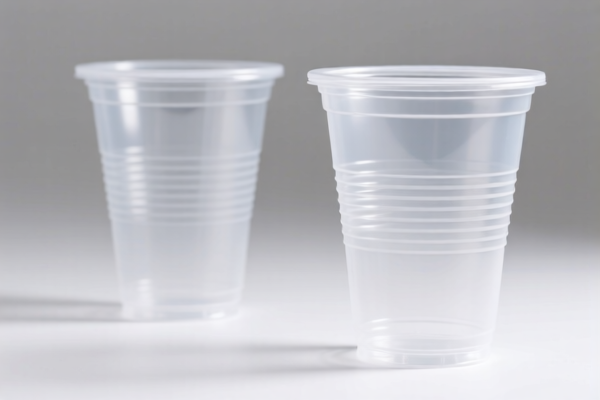
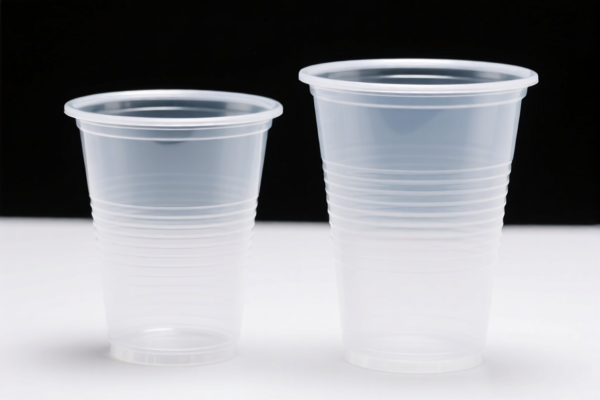
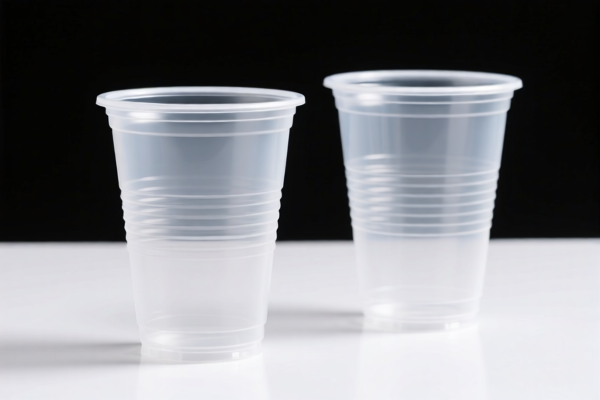
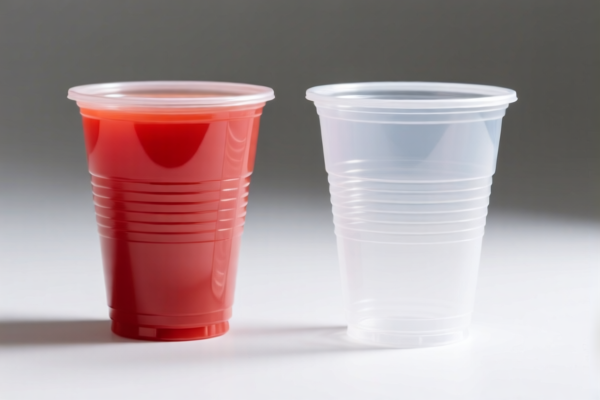
AI Analysis
🥤 Plastic Drinking Cups: HS Code Classification & US Customs Clearance Guide (2026)
🌐 HS Code Reference & Clearance Strategy | 2026 Latest Tariff Analysis | Professional Compliance Guide
📌 I. Product Definition & Classification: Do You Really Understand "Plastic Cups"?
Plastic drinking cups are ubiquitous items in the beverage industry, ranging from single-use party cups to durable reusable tumblers. In international trade, their classification depends heavily on material composition, specific use, and physical structure (e.g., whether they are classified as general containers or specific tableware).
The U.S. Customs and Border Protection (CBP) distinguishes between: * Tableware (Chapter 39.24): Cups specifically designed as eating/drinking vessels, often implying a certain aesthetic or household use. * General Containers (Chapter 39.26): Plastic containers used for storage or holding liquids, which may include large buckets or generic vessels not strictly defined as "tableware." * Glass vs. Plastic: Note that this guide strictly covers Plastic cups. Glass cups fall under Chapter 70 and have significantly different tariff structures (see below for comparison).
⚠️ Key Distinction Point:
- If the item is clearly a cup/glass made of plastic, it generally falls under 3924.10 (Tableware).
- If the item is a bucket or large container, it may fall under 3926.90 (Other articles).
- Glass cups are NOT covered in this specific HS code list but are included in the data for tax comparison.
📦 II. HS Code Classification Details (Based on Provided Data)
Below are the specific HS Codes extracted from your data, with their corresponding tax details and logical explanations.
| HS Code | Product Description | Logical Basis & Application | Total Tax Rate |
|---|---|---|---|
3924.10.20.00 |
Plastic Cup/Tableware | Plastic material, used for drinking. Fits the definition of "cups" within plastic tableware. | 24.0% |
3924.10.40.00 |
Plastic Cup/Tableware (General) | Plastic material, used for drinking. Classified under tableware/household items. | 13.4% |
3926.90.10.00 |
Plastic Container (e.g., Bucket) | Plastic material, acts as a water-holding container. Fits the logic of "buckets" or general containers rather than specific tableware cups. | 20.9% |
7013.37.10.01 |
Glass Drinking Cup | Note: Glass Material – Used for drinking. Fits the definition of glassware cups. Included for tax comparison. | 46.0% |
7013.37.20.90 |
Glass Drinking Cup (Other) | Note: Glass Material – Used for drinking. Fits the description of glassware drinking vessels. Included for tax comparison. | 40.0% |
🔍 Critical Note:
- HS 3924 codes are for Plastic Tableware.
- HS 7013 codes are for Glass Tableware.
- Do not mix materials! A plastic cup cannot be declared under 7013, and a glass cup cannot be declared under 3924. Misclassification leads to severe penalties.
💰 III. 2026 Tariff Rate Breakdown (Detailed Tax Components)
✅ Applicable Country: United States (US)
✅ Origin: China (CN) (Implied by the tax structure: Base + 301/122 tariffs)
✅ Validity: Current US Import Regulations
🎯 1. 3924.10.20.00 – Plastic Cups (Tableware)
| Item | Detail |
|---|---|
| Base Tariff | 6.5% |
| Section 301 Tariff | 7.5% |
| Section 122 Tariff | 10% |
| Total Tax Rate | 24.0% |
| Calculation | CIF Value × 24.0% |
| De Minimis Exemption | ❌ Not Eligible (Section 301/122 goods are generally excluded from de minimis exemptions under current enforcement trends for higher-value shipments, though small packages may still be subject to scrutiny. Assume no exemption for safety.) |
📌 Explanation:
- This is a standard classification for plastic drinking cups deemed as "tableware."
- The 10% Section 122 tariff applies to certain goods from countries of concern.
- The 7.5% Section 301 tariff is part of the ongoing trade measures.
🎯 2. 3924.10.40.00 – Plastic Cups (Household/Tableware)
| Item | Detail |
|---|---|
| Base Tariff | 3.4% |
| Section 301 Tariff | 0.0% |
| Section 122 Tariff | 10% |
| Total Tax Rate | 13.4% |
| Calculation | CIF Value × 13.4% |
| De Minimis Exemption | ❌ Likely Not Eligible (Due to Section 122) |
📌 Explanation:
- This code offers a significant savings (10.6% less) compared to3924.10.20.00.
- Why? The Section 301 tariff is 0% for this subheading, likely due to specific HTSUS exclusions or lower priority categorization for certain plastic household items.
- However, the 10% Section 122 tariff still applies.
- Strategy: If your product fits the description for3924.10.40.00, use this code to save over 10% in duties.
🎯 3. 3926.90.10.00 – Plastic Containers (Buckets/Generic)
| Item | Detail |
|---|---|
| Base Tariff | 3.4% |
| Section 301 Tariff | 7.5% |
| Section 122 Tariff | 10% |
| Total Tax Rate | 20.9% |
| Calculation | CIF Value × 20.9% |
| De Minimis Exemption | ❌ Not Eligible |
📌 Explanation:
- This code is for plastic containers that are not strictly "tableware" (e.g., large buckets, water jugs).
- The tax is 20.9%, which is higher than the preferred3924.10.40.00(13.4%) but lower than3924.10.20.00(24.0%).
- Risk: If you declare a standard drinking cup as a "bucket" to get this rate, customs may reclassify it as tableware, leading to back taxes and penalties.
🎯 4. & 5. Glass Cups (7013.37.10.01 / 7013.37.20.90) – For Reference Only
| HS Code | Total Tax | Breakdown | Note |
|---|---|---|---|
7013.37.10.01 |
46.0% | Base: 28.5% + 301: 7.5% + 122: 10% | High tax due to higher base rate for glass. |
7013.37.20.90 |
40.0% | Base: 22.5% + 301: 7.5% + 122: 10% | Still very high compared to plastic alternatives. |
⚠️ Strategic Insight:
- If you are sourcing Plastic Cups, you are saving 16%–22.6% in taxes compared to Glass Cups.
- This is a major cost advantage for plastic manufacturers importing to the US.
🛠️ IV. Customs Clearance Practical Advice (Avoiding Pitfalls)
✅ 1. Documentation Checklist
| Document | Required? | Details |
|---|---|---|
| ✅ Commercial Invoice | ✔️ | Must clearly state "Plastic Drinking Cup" or "Plastic Tableware". Avoid vague terms like "Container" if it’s a cup. |
| ✅ Product Photos | ✔️ | Show the cup’s shape, size, and material. Prove it’s for drinking, not industrial storage. |
| ✅ Material Specification | ✔️ | Confirm it is 100% Plastic (e.g., PP, PS, PET). If mixed with glass/metal, classification changes. |
| ✅ Country of Origin | ✔️ | Must be clearly marked on the product and packaging. |
| ✅ FCC/FDA Compliance | ✔️ | If applicable, include FDA compliance statements for food-contact plastics. |
✅ 2. Classification Strategy (The "Money-Saving" Tip)
🔥 Golden Rule:
"If it’s a cup, call it tableware. If it’s a bucket, call it a container. But NEVER misdeclare a cup as a bucket to save 4% if the risk of audit is high."
| Scenario | Recommended HS Code | Tax Rate | Why? |
|---|---|---|---|
| Standard Plastic Cup (e.g., Tumbler, Party Cup) | 3924.10.40.00 |
13.4% | Best balance of low base tax and 0% Section 301. |
| Premium/Specialty Plastic Cup | 3924.10.20.00 |
24.0% | May apply if the item is deemed "other" tableware not fitting 40.00. |
| Plastic Bucket/Water Jug | 3926.90.10.00 |
20.9% | Only for large-volume containers. |
| Glass Cup | 7013.37.20.90 |
40.0% | Avoid if possible due to high tax. |
✅ 3. Common Mistakes & Penalties
❌ Mistake 1: Declaring a Plastic Cup as Glass Cup (7013...)
👉 Consequence: 46% tax instead of 13.4%. Overpayment of 32.6%!
❌ Mistake 2: Declaring a Plastic Cup as a Plastic Bucket (3926.90.10.00)
👉 Consequence: Customs may reclassify to 3924.10.20.00 (24.0%) if the item is clearly a cup. You might save 0.1% but risk a penalty and delay.
❌ Mistake 3: Using vague descriptions like "Household Item"
👉 Consequence: Customs will assign the highest possible tax rate based on uncertainty. Always be specific.
🌍 V. Global Market Comparison (2026)
| Market | Recommended HS Code | Estimated Tax (China Origin) | Notes |
|---|---|---|---|
| 🇺🇸 USA | 3924.10.40.00 |
13.4% | Best for plastic cups. Glass is 40%+. |
| 🇨🇳 China | 3924.10.40.00 |
~9% | Lower base tax, no Section 122/301. |
| 🇪🇺 EU | 3924.10.40.00 |
~5.5% | No Section 122/301 tariffs. |
| 🇯🇵 Japan | 3924.10.40.00 |
~8.3% | Stable, low tariffs. |
📌 Conclusion:
The US market imposes significant tariffs on Chinese plastic tableware due to Section 301 and 122.
Plastic Cups (3924.10.40.00) are still a cost-effective choice compared to Glass Cups, but you must optimize your HS code to capture the 13.4% rate rather than the 24.0% or 46.0% alternatives.
📌 VI. Final Clearance Tips
- Apply for Pre-Ruling: If you are unsure whether your cup falls under
3924.10.20.00or3924.10.40.00, file a Binding Ruling Request with CBP. It costs money but guarantees the 13.4% rate. - Labeling: Ensure the product label clearly states "Plastic" and "For Food Use". Avoid images of glass to prevent misclassification.
- Supplier Communication: Ask your supplier to provide a Material Safety Data Sheet (MSDS) and FDA Compliance Letter to prove it is food-grade plastic, supporting the
3924classification.
🎯 VII. Summary: The Bottom Line
| HS Code | Product Type | Total Tax | Recommendation |
|---|---|---|---|
3924.10.40.00 |
Plastic Cup | 13.4% | ✅ BEST CHOICE for Plastic Cups |
3926.90.10.00 |
Plastic Bucket | 20.9% | ❌ Only for Buckets |
3924.10.20.00 |
Plastic Cup (Other) | 24.0% | ⚠️ Riskier, higher tax |
7013.37.20.90 |
Glass Cup | 40.0% | ❌ Avoid High Tax |
💡 Pro Tip:
"Plastic wins. Code 40 wins. Avoid Glass. Avoid misclassification."
By correctly declaring your plastic drinking cups under HS 3924.10.40.00, you save 32.6% in tariffs compared to glass and 10.6% compared to other plastic cup codes.
📣 Immediate Action:
📞 Consult a customs broker with your product photos.
📄 Request a Pre-Ruling for3924.10.40.00.
🚀 Optimize your supply chain to maximize duty savings!
✨ Smart Clearance, Higher Profit!
💼 Every percent saved in tariffs is pure profit.
Customer Reviews
About HS Code Classification
The Harmonized System (HS) is an internationally standardized nomenclature developed by the World Customs Organization (WCO) to classify traded products. Over 200 countries use the HS system as the basis for customs tariffs, trade statistics, and import/export regulations.
Each HS code follows a hierarchical structure:
- Chapter (2 digits) — Broad category of goods (e.g., Chapter 84: Machinery and Mechanical Appliances)
- Heading (4 digits) — More specific grouping within the chapter
- Subheading (6 digits) — Internationally standardized breakdown, used by all WCO member countries
- National subdivisions (8-10 digits) — Country-specific extensions for further classification, such as US HTSUS 10-digit codes
Correct HS code classification is essential for smooth customs clearance, accurate duty payment, and compliance with trade regulations. Misclassification can lead to customs delays, overpayment of duties, or penalties.
When importing from CN to US, the applicable tariff rates may include:
- Most-Favored-Nation (MFN) rate — The standard duty rate applied to WTO members
- General rate — Applied to countries without trade agreements
- Trade remedy duties — Additional tariffs such as Section 301 (anti-dumping), Section 232 (national security), or countervailing duties
The information provided on this page is for reference purposes only. For official classification, please consult with your local customs authority or a licensed customs broker.