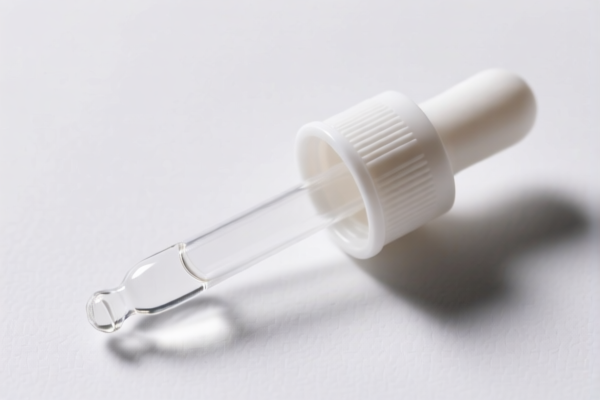
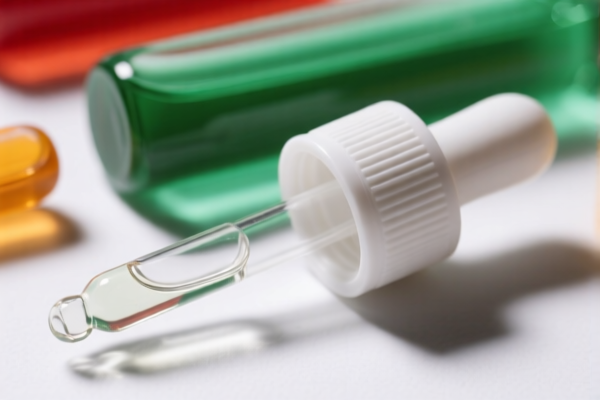
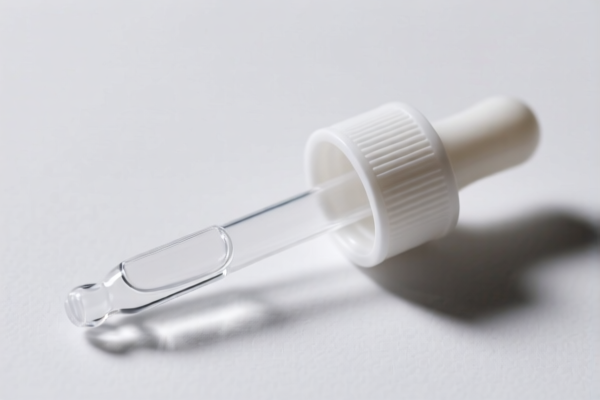
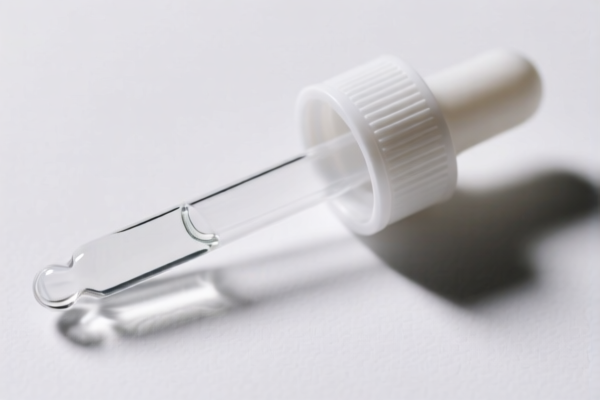
plastic dropper
CN → US| HS Code | Tariff Rate | Origin | Destination | Doc |
|---|---|---|---|---|
| 9018310080 | 110.0% | CN | US | Official Doc |
| 9018310040 | 110.0% | CN | US | Official Doc |
| 3926902100 | 21.7% | CN | US | Official Doc |
| 3926909910 | 22.8% | CN | US | Official Doc |
| 9018310080 | 110.0% | CN | US | Official Doc |
| 9018390050 | 10.0% | CN | US | Official Doc |
| 392640 | 0.0% | CN | US | Official Doc |
| 701000 | 0.0% | CN | US | Official Doc |
Product Images
AI Analysis
💧 Plastic Droppers (Dispensing Pipettes)
🌐 HS Code Reference & Customs Clearance Guide | 2026 Latest Tariff Analysis | Professional Entry Strategy
📌 I. Product Definition & Classification: What Exactly is a "Plastic Dropper"?
A Plastic Dropper is a small, tube-like device made of plastic, designed for dispensing small quantities of liquid. It typically consists of a bulb (rubber or plastic) and a tapered tip.
In international trade, classification depends heavily on the intended use and material composition. While physically similar, a dropper for a perfume bottle is treated very differently from one used in a medical laboratory or a pharmaceutical kit.
⚠️ Key Distinction Point:
- General Purpose/Cosmetic/Labware: Made of plastic → Classified under Chapter 39 (Articles of Plastic) or Chapter 70 (Glass, if applicable);
- Medical/Scientific Instrument: If part of a specific medical apparatus (like a non-hypodermic syringe) → Classified under Chapter 90 (Medical Instruments);
- Ambiguity: If the material is not clearly defined or is a mix, customs may default to the primary material or the most specific function.
📦 II. HS Code Classification Details (2026 Latest Tariff Authority Cross-Reference)
The provided data indicates that "Plastic Droppers" can fall into multiple HS codes depending on specific attributes. Here is the breakdown based on the available data:
| HS Code | Product Description | Application Scenario | Material | Tax Rate (China to US) |
|---|---|---|---|---|
3926.40 |
Other articles of plastics and articles of other materials of headings 3901 to 3914: Droppers | General cosmetic, laboratory, or pharmaceutical dispensing (non-medical device context) | Plastic | ⚠️ Error: Failed to retrieve |
7010.00 |
Glass containers (Note: Included as alternative if material is ambiguous) | If the dropper is actually glass or mixed material | Glass/Glass-like | ⚠️ Error: Failed to retrieve |
3926.90.21.00 |
Other articles of plastics: Ice bags; douche bags, enema bags, hot water bottles... bulbs for syringes; syringes (other than hypodermic syringes)... | Plastic bulbs for syringes, enema bags, or similar nursing/cosmetic accessories | Plastic | 11.7% (Base: 4.2% + Additional: 7.5%) |
3926.90.99.10 |
Other articles of plastics: Other Laboratory ware | Laboratory droppers used for chemical/biological testing | Plastic | 0.0% (Base: 0.0% + Additional: 0.0%) |
9018.31.00.80 |
Instruments/appliances used in medical/surgical sciences: Syringes, with or without needles | Medical syringe components (if dropper is classified as a non-hypodermic syringe part) | Medical Device | 100.0% (Base: 0.0% + Additional: 100.0%) |
9018.39.00.50 |
Instruments/appliances used in medical/surgical sciences: Other (Syringes, needles, etc.) | Other medical syringe accessories not specified elsewhere | Medical Device | 0.0% (Base: 0.0% + Additional: 0.0%) |
9018.31.00.40 |
Instruments/appliances used in medical/surgical sciences: Syringes... Hypodermic | Hypodermic syringes (Less applicable for standard droppers, but listed for medical completeness) | Medical Device | 100.0% (Base: 0.0% + Additional: 100.0%) |
🔍 Critical Analysis of Data Anomalies:
- HS Code3926.40: The tax data shows "Failed to retrieve". This is a common issue for generic "droppers" in Chapter 39. Customs may require detailed explanation to avoid misclassification.
- HS Code3926.90.21.00: This code specifically mentions "bulbs for syringes". If your dropper has a rubber/plastic bulb and is used for dispensing liquid in a medical or quasi-medical context, it could be classified here, resulting in 11.7% tax.
- HS Code3926.90.99.10: This is the most favorable option for laboratory use. If you are exporting plastic droppers for science labs (not medical), classify here for 0% tax.
- HS Code9018.31.00.80&9018.31.00.40: These carry a 100% penalty tax. These are for medical syringes. Do NOT classify standard cosmetic/lab droppers here unless they are explicitly part of a medical syringe kit. Misclassification here could lead to massive duties.
💰 III. 2026 Latest Tariff Rate Breakdown (Including Additional Taxes)
✅ Applicable Country: United States (US)
✅ Origin: China (CN)
✅ Effective Date: 2025/2026 Period
🎯 1. 3926.90.99.10 – Laboratory Ware (Plastic Droppers for Lab Use)
| Item | Content |
|---|---|
| Base Tariff | 0.0% |
| Section 301 Additional Tariff | 0.0% |
| Total Tax Rate | 0.0% |
| Calculation | CIF Value × 0% = $0 |
| De Minimis Eligibility | ✅ Yes (Likely eligible if value < $800) |
| Legal Basis | Chapter 39, Note 6; Specific subheading for "Other Laboratory Ware" |
📌 Explanation:
- This is the best-case scenario.
- Requires proof that the product is used for laboratory purposes (e.g., chemical reagents, biological samples).
- Avoid using terms like "medical," "clinical," or "pharmaceutical" in documentation to prevent automatic escalation to Chapter 90.
🎯 2. 3926.90.21.00 – Other Plastic Articles (Syringe Bulbs/Nursing Accessories)
| Item | Content |
|---|---|
| Base Tariff | 4.2% |
| Section 301 Additional Tariff | 7.5% |
| Total Tax Rate | 11.7% |
| Calculation | CIF Value × 11.7% |
| De Minimis Eligibility | ❌ No (Usually subject to duties) |
| Legal Basis | Chapter 39, Subheading for "bulbs for syringes; syringes (other than hypodermic syringes)" |
📌 Explanation:
- Applicable if the dropper is viewed as a component of a syringe (e.g., the bulb part) or a nursing accessory.
- Higher cost than lab ware.
- Requires clear description to distinguish from medical syringes.
🎯 3. 3926.40 – Other Articles of Plastic (Generic Droppers)
| Item | Content |
|---|---|
| Base Tariff | Error/Failed to Retrieve |
| Section 301 Additional Tariff | Unknown |
| Total Tax Rate | ❓ Uncertain |
| Risk | High |
📌 Explanation:
- The system failed to retrieve data. This often happens when the HS code is too generic.
- Customs may apply the highest applicable rate in Chapter 39 or request a binding ruling.
- Recommendation: Avoid this code if possible. Use3926.90.99.10(Lab) or3926.90.21.00(Bulb/Accessory) if applicable.
🎯 4. 9018.31.00.80 & 9018.31.00.40 – Medical Syringes (AVERAGE USE CASE)
| Item | Content |
|---|---|
| Base Tariff | 0.0% |
| Section 301 Additional Tariff | 100.0% |
| Total Tax Rate | 100.0% |
| Risk | Extreme |
📌 Explanation:
- These codes are for hypodermic or medical syringes.
- NEVER classify cosmetic or standard lab droppers here.
- If misclassified, you will pay 100% duty, which is a penalty rate for certain Chinese-origin goods under IEEPA/301 measures.
🛠️ IV. Customs Clearance Practical Advice (Real-World Pitfall Avoidance)
✅ 1. Documentation Checklist (Essential)
| Document | Must Provide? | Explanation |
|---|---|---|
| ✅ Product Description | ✔️ | Use precise terms: "Plastic Laboratory Dropper for Chemical Reagents" |
| ✅ Usage Statement | ✔️ | Clearly state: "For use in scientific laboratories only. Not for medical or pharmaceutical administration." |
| ✅ Product Photos | ✔️ | Show the dropper alone, without medical packaging or branding. |
| ✅ Material Declaration | ✔️ | Specify: "100% Plastic (PP/PE). No glass components." |
| ✅ Invoice | ✔️ | Value clearly stated. Avoid terms like "Medical Device." |
✅ 2. Declaration Tips (Key Mnemonic)
🔥 "Lab Use is Zero, Medical is Hundred, Generic is Risky!"
| Scenario | Correct HS Code | Tax Rate | Why? |
|---|---|---|---|
| Laboratory Reagent Dropper | 3926.90.99.10 |
0.0% | Classified as "Laboratory Ware" |
| Cosmetic Perfume Dropper | 3926.40 or 3926.90.21.00 |
Error/11.7% | Treated as general plastic article or accessory |
| Medical Syringe Bulb | 3926.90.21.00 |
11.7% | Classified as "bulb for syringe" |
| Full Medical Syringe Kit | 9018.31.00.80 |
100.0% | Classified as Medical Instrument |
📌 Warning:
- If you sell plastic droppers on Amazon or for beauty brands, do not claim they are for "medical use" unless you have FDA clearance. Otherwise, customs may mistakenly classify them as 9018.31.00.80 (100% tax) due to the "syringe" keyword.
- Use keywords like "pipette," "dispenser," "lab tool" instead of "syringe" or "medical dropper."
✅ 3. Special Cases
| Case | Handling Advice |
|---|---|
| OEM for Lab Equipment Brands | Provide a letter of authorization stating the product is for laboratory use. This supports 3926.90.99.10. |
| Mixed Packaging (Lab + Medical) | Separate shipments. Do not bundle medical and non-medical items in one HS code declaration. |
| Glass + Plastic Mix | If the tip is glass, it may fall under 7010.00 (Glass). Tax data is Error. Consult a customs broker for a binding ruling. |
🌍 V. Global Market Comparison (2026 Latest)
| Country/Region | Recommended HS Code | Tariff | Certification | Note |
|---|---|---|---|---|
| 🇺🇸 USA | 3926.90.99.10 |
0.0% | None | Best for lab ware. Avoid 9018 codes. |
| 🇨🇳 China | 3926.90.99.90 |
~5-10% | CCC (if applicable) | Import duty depends on final use. |
| 🇪🇺 EU | 3926.90.97 |
0-6.5% | CE (if medical) | EU is strict on "medical device" claims. |
| 🇦🇺 Australia | 3926.90.90 |
5% | TGA (if medical) | Similar to US, avoid medical labeling for non-medical goods. |
📌 Conclusion:
- USA is the most tariff-friendly for lab ware (0%).
- Misclassification as medical leads to 100% tax.
- Clear labeling and documentation are critical to avoid the "Error" status in3926.40.
📌 VI. Common Mistakes & Pitfall Guide (Blood & Tears Lessons)
❌ Mistake 1: Using "Syringe" in the product title for a cosmetic dropper
👉 Consequence: Customs may classify under 9018.31.00.80 → 100% Tax!
❌ Mistake 2: Classifying lab droppers as "General Plastic Goods" (3926.40)
👉 Consequence: Tax data Error. Customs may delay shipment for inspection or apply highest rate.
❌ Mistake 3: Not specifying "Laboratory Use" in the invoice
👉 Consequence: Customs defaults to cosmetic/general use → 11.7% or higher.
❌ Mistake 4: Mixing medical and non-medical droppers in one shipment
👉 Consequence: Entire shipment may be flagged, leading to delays and penalties.
✅ Correct Practice:
"Plastic Laboratory Dropper Pipette, 10ml, for Chemical Reagents, Non-Medical, Model LAB-DROP-10"
🎯 VII. Conclusion: Precise Classification Saves Money!
🎯 Remember the Mantra:
🔹 "Lab Use is Zero, Medical is Hundred, Cosmetic is Risky!"
🔹 "Avoid 'Syringe' Label for Cosmetics, Use 'Pipette' Instead!"
🔹 "0% Tax is Possible, But Only If You Prove Lab Use!"
📌 Pro Tip:
If you are exporting to the US, always include a "Statement of Non-Medical Use" with your customs broker. This simple document can save you 100% in duties by ensuring classification under 3926.90.99.10.
📣 Immediate Action:
📞 Consult a Customs Broker: Verify if your dropper fits
3926.90.99.10.
📄 Update Product Listings: Remove "medical," "clinical," or "syringe" keywords if not medically certified.
🚀 Optimize Supply Chain: Ship lab-grade droppers separately from any medical components.
✨ Professional Customs Clearance Starts with Accurate Classification!
💼 Your Profit Margin Depends on This 0% vs 100% Difference!
Customer Reviews
About HS Code Classification
The Harmonized System (HS) is an internationally standardized nomenclature developed by the World Customs Organization (WCO) to classify traded products. Over 200 countries use the HS system as the basis for customs tariffs, trade statistics, and import/export regulations.
Each HS code follows a hierarchical structure:
- Chapter (2 digits) — Broad category of goods (e.g., Chapter 84: Machinery and Mechanical Appliances)
- Heading (4 digits) — More specific grouping within the chapter
- Subheading (6 digits) — Internationally standardized breakdown, used by all WCO member countries
- National subdivisions (8-10 digits) — Country-specific extensions for further classification, such as US HTSUS 10-digit codes
Correct HS code classification is essential for smooth customs clearance, accurate duty payment, and compliance with trade regulations. Misclassification can lead to customs delays, overpayment of duties, or penalties.
When importing from CN to US, the applicable tariff rates may include:
- Most-Favored-Nation (MFN) rate — The standard duty rate applied to WTO members
- General rate — Applied to countries without trade agreements
- Trade remedy duties — Additional tariffs such as Section 301 (anti-dumping), Section 232 (national security), or countervailing duties
The information provided on this page is for reference purposes only. For official classification, please consult with your local customs authority or a licensed customs broker.