plastic flooring geometric pattern
CN → US| HS Code | Tariff Rate | Origin | Destination | Doc |
|---|---|---|---|---|
| 3918101040 | 40.3% | CN | US | Official Doc |
| 5904901000 | 35.0% | CN | US | Official Doc |
| 3925900000 | 40.3% | CN | US | Official Doc |
| 3926906090 | 39.2% | CN | US | Official Doc |
| 3926909989 | 22.8% | CN | US | Official Doc |
| 5904909000 | 35.0% | CN | US | Official Doc |
Product Images
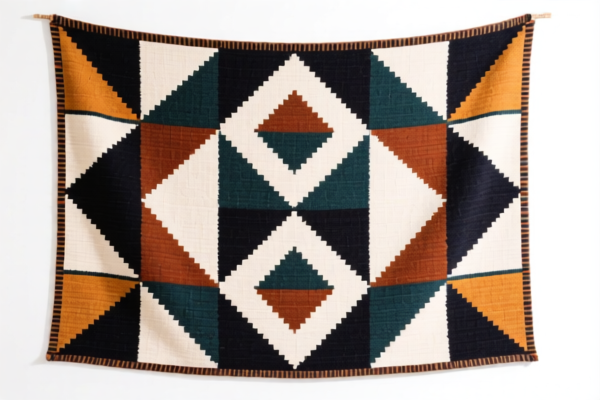
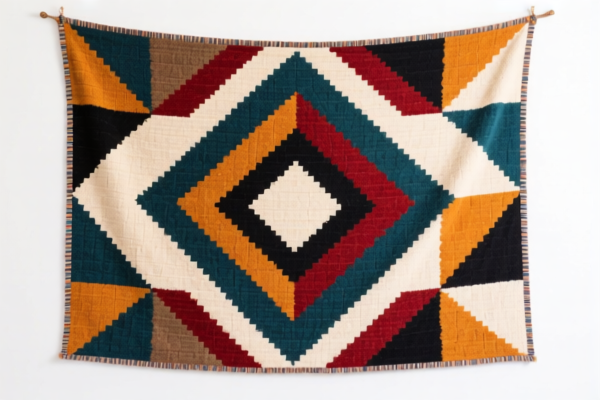
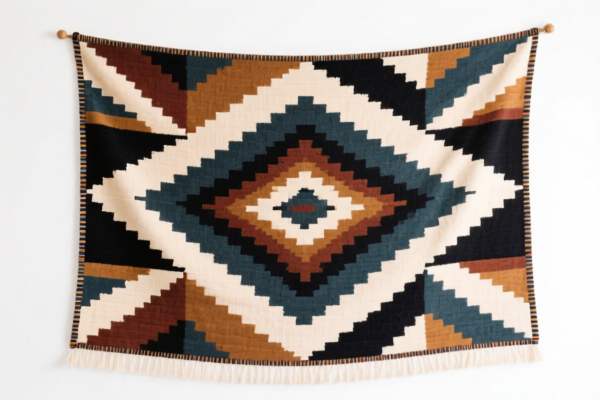
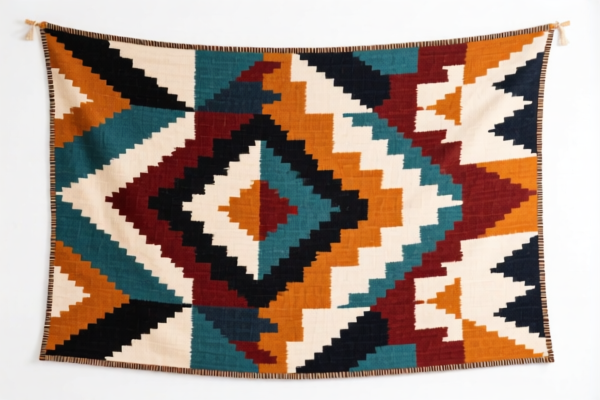
AI Analysis
🏗️ Plastic Flooring – Geometric Pattern (Clay Tiles/PVC/Composite)
🌐 HS Code Reference & Customs Clearance Guide | 2026 Latest Tariff Analysis | Strategic Clearance Strategy for US Import
📌 Part 1: Product Definition & Classification: What Exactly Is "Plastic Flooring with Geometric Patterns"?
Plastic flooring, often referred to as vinyl flooring, PVC flooring, or resilient flooring, is a popular choice for residential and commercial spaces due to its durability, water resistance, and aesthetic versatility. When specified with a "Geometric Pattern," it typically refers to:
1. Solid PVC/Vinyl Tiles or Sheets:
Where the pattern is embossed or printed directly into the wear layer or design layer. These are rigid or semi-rigid, often interlocking or loose-laid.
2. Textile-Based Flooring with Plastic Coating:
A fabric backing (textile) coated or laminated with a plastic (PVC/TPU) surface layer. The "geometric pattern" may be woven, printed, or tufted.
3. Other Plastic Building Components:
Specialized plastic panels or tiles used as flooring but classified under "other plastic articles" if they don't fit standard flooring definitions.
⚠️ Key Distinction Point:
- If it is 100% plastic material (e.g., solid PVC tile/sheet) → Falls under Chapter 39.
- If it has a textile base/backing with a plastic surface → Falls under Chapter 59 (Impregnated/Coated Textile Fabrics).
- If it is a plastic construction article that doesn’t fit standard flooring definitions → May fall under Chapter 39 (Other) or Chapter 3926.
📦 Part 2: HS Code Classification Details (2026 Latest Tariff Authority Comparison)
Based on the provided data, here are the possible HS codes for "Plastic Flooring – Geometric Pattern" and their rationale:
| HS Code | Product Description | Application Scenario | Material Basis |
|---|---|---|---|
3918.10.10.40 |
Floor coverings of plastics, in rolls or tiles | PVC/Vinyl flooring tiles, geometric pattern, solid plastic material | ✅ 100% Plastic (PVC/PE) |
5904.90.10.00 |
Floor coverings, textile base with plastic coating/layer | Geometric pattern, fabric backing with PVC surface | ✅ Textile Base + Plastic Coating |
3925.90.00.00 |
Other plastic building components | Plastic flooring tiles not classified as standard floor coverings (e.g., specialized interlocking plastic panels) | ✅ Plastic Construction Article |
3926.90.60.90 |
Other articles of plastics | Plastic flooring items considered "other plastic articles" (non-standard flooring) | ✅ Plastic Article (General) |
3926.90.99.89 |
Other plastic articles | General plastic flooring products falling under "other plastics" | ✅ Plastic Article (General) |
5904.90.90.00 |
Other floor coverings, textile based | Geometric pattern, textile-based flooring not meeting specific coating criteria | ✅ Textile Base (General) |
🔍 Key Reminder:
-3918.10.10.40is the most common for standard PVC/Vinyl geometric flooring tiles.
-5904.90.10.00is critical if the product has a fabric backing with a plastic surface.
-3925or3926may apply if the product is a plastic construction element but doesn’t fit standard flooring definitions.
- Misclassification Risk: Declaring a textile-backed plastic flooring as pure plastic (3918) can lead to duty discrepancies and customs holds.
💰 Part 3: 2026 Latest Tariff Rate Breakdown (Including Additional Duties & Policy Surcharges)
✅ Applicable Country: United States (US)
✅ Country of Origin: China (CN)
✅ Effective Date: November 10, 2025 (and subsequent imports)
🎯 1. 3918.10.10.40 —— Plastic Floor Coverings (Solid PVC/Vinyl Tiles)
| Item | Content |
|---|---|
| Base Duty Rate | 5.3% (ad valorem) |
| Section 301 Duty (USITC) | +25% (Additional Tariff) |
| IEEPA Duty | +10% (China-specific surcharge, effective Nov 10, 2025) |
| Total Duty Rate | 40.3% |
| Tax Calculation | CIF Value × 40.3% |
| De Minimis Exemption? | ❌ No (deny_de_minimis) |
| Legal Basis Path | IEEPA:9903.01.25 → USITC:3918.10.10.40 → FOOTNOTE:9903.88.01 |
📌 Explanation:
- Base 5.3%: Standard MFN duty for plastic floor coverings.
- 25% Section 301: Retaliatory tariff on Chinese plastic goods.
- 10% IEEPA: New surcharge under the International Emergency Economic Powers Act for Chinese products.
- Total 40.3%: High duty burden; must be factored into landed cost.
🎯 2. 5904.90.10.00 —— Floor Coverings, Textile Base with Plastic Coating
| Item | Content |
|---|---|
| Base Duty Rate | 0.0% (ad valorem) |
| Section 301 Duty (USITC) | +25% (Additional Tariff) |
| IEEPA Duty | +10% (China-specific surcharge) |
| Total Duty Rate | 35.0% |
| Tax Calculation | CIF Value × 35.0% |
| De Minimis Exemption? | ❌ No (deny_de_minimis) |
| Legal Basis Path | IEEPA:9903.01.25 → USITC:5904.90.10.00 → FOOTNOTE:9903.88.01 |
📌 Note:
- Even though the base duty is 0%, the 35% total is still significant due to Section 301 and IEEPA surcharges.
- This code is cheaper than3918by 5.3%, but misclassification is risky.
🎯 3. 3925.90.00.00 —— Other Plastic Building Components
| Item | Content |
|---|---|
| Base Duty Rate | 5.3% |
| Section 301 Duty | +25% |
| IEEPA Duty | +10% |
| Total Duty Rate | 40.3% |
| Tax Calculation | CIF Value × 40.3% |
| De Minimis Exemption? | ❌ No |
| Legal Basis Path | IEEPA:9903.01.25 → USITC:3925.90.00.00 → FOOTNOTE:9903.88.01 |
📌 Note:
- Same rate as3918. Use only if the product is a plastic building component but not a standard floor covering.
🎯 4. 3926.90.60.90 —— Other Articles of Plastics
| Item | Content |
|---|---|
| Base Duty Rate | 4.2% |
| Section 301 Duty | +25% |
| IEEPA Duty | +10% |
| Total Duty Rate | 39.2% |
| Tax Calculation | CIF Value × 39.2% |
| De Minimis Exemption? | ❌ No |
| Legal Basis Path | IEEPA:9903.01.25 → USITC:3926.90.60.90 → FOOTNOTE:9903.88.01 |
📌 Note:
- Slightly lower than3918due to lower base duty. Use for non-standard plastic flooring items.
🎯 5. 3926.90.99.89 —— Other Plastic Articles (General)
| Item | Content |
|---|---|
| Base Duty Rate | 5.3% |
| Section 301 Duty | +7.5% (Reduced Section 301) |
| IEEPA Duty | +10% |
| Total Duty Rate | 22.8% |
| Tax Calculation | CIF Value × 22.8% |
| De Minimis Exemption? | ❌ No |
| Legal Basis Path | IEEPA:9903.01.25 → USITC:3926.90.99.89 → FOOTNOTE:9903.88.01 |
📌 Critical Insight:
- This is the lowest duty rate (22.8%) among all options.
- Applicable if the product is classified as a general plastic article and qualifies for reduced Section 301 duty.
- Risk: Must prove it is not a standard floor covering or building component.
🎯 6. 5904.90.90.00 —— Other Floor Coverings, Textile Based
| Item | Content |
|---|---|
| Base Duty Rate | 0.0% |
| Section 301 Duty | +25% |
| IEEPA Duty | +10% |
| Total Duty Rate | 35.0% |
| Tax Calculation | CIF Value × 35.0% |
| De Minimis Exemption? | ❌ No |
| Legal Basis Path | IEEPA:9903.01.25 → USITC:5904.90.90.00 → FOOTNOTE:9903.88.01 |
📌 Note:
- Same rate as5904.90.10.00. Use for textile-based flooring that doesn’t meet specific coating criteria.
🛠️ Part 4: Customs Clearance Practical Advice (Battle-Tested Pitfall Avoidance Guide)
✅ 1. Required Documentation Checklist (All Must Be Provided)
| Document | Mandatory? | Notes |
|---|---|---|
| ✅ Product Specification Sheet | ✔️ | Include material composition (PVC %, textile backing %, etc.), thickness, pattern type |
| ✅ Material Composition Report | ✔️ | Third-party lab report confirming plastic vs. textile ratio |
| ✅ Product Photos (Including Packaging) | ✔️ | Show geometric pattern, texture, and any labels |
| ✅ Commercial Invoice | ✔️ | Clearly state "Plastic Flooring, Geometric Pattern" and HS Code |
| ✅ Packing List | ✔️ | Detail quantity, weight, and packaging type |
| ✅ Certificate of Origin (CO) | ✔️ | If not China-origin, may qualify for lower duties |
| ✅ Test Reports | ✔️ | FCC, RoHS, Prop 65, or other safety certifications |
✅ 2. Declaration Tips (Key Mnemonics)
🔥 "Material Matters, Pattern Doesn’t! Declare Base, Not Design!"
| Scenario | Correct Declaration | Wrong Approach |
|---|---|---|
| 100% PVC Tile (Geometric) | 3918.10.10.40 |
Declaring as 5904 → 5.3% overpayment |
| Textile + PVC Coating | 5904.90.10.00 |
Declaring as 3918 → 5.3% overpayment |
| Plastic Panel (Non-Standard) | 3926.90.99.89 |
Declaring as 3918 → 17.5% overpayment |
| General Plastic Item | 3926.90.99.89 |
Declaring as 3926.90.60.90 → 1.4% overpayment |
✅ 3. Special Case Handling
| Scenario | Handling Advice |
|---|---|
| OEM Custom Geometric Pattern | Provide design files + material specs to avoid "generic" classification |
| Mixed Packaging (Tiles + Accessories) | Declare as one unit under primary HS code; do not split |
| Samples for Evaluation | Still subject to full duties; no de minimis exemption |
| Temporary Import for Trade Shows | Consider ATA Carnet to defer duties |
🌍 Part 5: Global Market Clearance Comparison (2026 Latest)
| Country/Region | Recommended HS Code | Tariff (China Origin) | Certification Required | Notes |
|---|---|---|---|---|
| 🇺🇸 USA | 3918.10.10.40 / 5904.90.10.00 |
35.0% – 40.3% | RoHS, Prop 65 | High additional duties |
| 🇨🇳 China | 3918 / 5904 |
5% – 10% | CCC (if applicable) | No additional tariffs |
| 🇪🇺 EU | 3918 / 5904 |
0% – 4.5% | CE, REACH | No additional tariffs |
| 🇬🇧 UK | 3918 / 5904 |
0% – 4.5% | UKCA, REACH | Post-Brexit rules apply |
| 🇦🇺 Australia | 3918 / 5904 |
5% | RCM, ACCC | No additional tariffs |
📌 Conclusion:
- USA has the highest tariff burden due to Section 301 and IEEPA surcharges.
- EU and UK offer lower or zero base tariffs, but compliance costs (CE/UKCA) may offset savings.
- Consider supply chain diversification (Vietnam, Thailand) to mitigate US tariffs.
📌 Part 6: Common Errors & Pitfall Guide (Lessons Learned the Hard Way)
❌ Mistake 1: Declaring textile-backed plastic flooring as pure plastic (3918)
👉 Consequence: Overpayment of 5.3% + potential customs audit for misclassification
❌ Mistake 2: Using "Vinyl Flooring" as the only description
👉 Consequence: Customs may reject vague descriptions → Delays + Storage Fees
❌ Mistake 3: Failing to disclose material composition
👉 Consequence: Incorrect HS code → Backdated duties + Penalties
❌ Mistake 4: Assuming de minimis exemption applies
👉 Consequence: 100% duty assessed on small shipments due to deny_de_minimis
✅ Correct Practice:
"PVC Floor Tiles, Geometric Pattern, 100% Vinyl, 2mm Thick, Click-Lock, RoHS Compliant, Model XYZ"
🎯 Part 7: Conclusion: Precision Classification Saves Money
🎯 Key Takeaways:
🔹 "Material Determines Code, Not Design!"
🔹 "USA Tariffs Are High – Plan Ahead!"
🔹 "De Minimis Is Off the Table for China-Origin Plastic Flooring!"
📌 Pro Tip:
If your plastic flooring is originating from Vietnam, Thailand, or Malaysia, you may qualify for lower Section 301 duties or IEEPA exemptions.
Recommend pre-clearance ruling (Advance Ruling) to secure accurate HS code and duty rate.
📣 Immediate Action Required:
📞 Engage a licensed customs broker
📄 Submit product specs + material tests
🚀 Achieve seamless clearance, minimize costs, and maximize profit margins!
✨ Professional clearance begins with accurate classification!
💼 Every cent counts in international trade!
Customer Reviews
About HS Code Classification
The Harmonized System (HS) is an internationally standardized nomenclature developed by the World Customs Organization (WCO) to classify traded products. Over 200 countries use the HS system as the basis for customs tariffs, trade statistics, and import/export regulations.
Each HS code follows a hierarchical structure:
- Chapter (2 digits) — Broad category of goods (e.g., Chapter 84: Machinery and Mechanical Appliances)
- Heading (4 digits) — More specific grouping within the chapter
- Subheading (6 digits) — Internationally standardized breakdown, used by all WCO member countries
- National subdivisions (8-10 digits) — Country-specific extensions for further classification, such as US HTSUS 10-digit codes
Correct HS code classification is essential for smooth customs clearance, accurate duty payment, and compliance with trade regulations. Misclassification can lead to customs delays, overpayment of duties, or penalties.
When importing from CN to US, the applicable tariff rates may include:
- Most-Favored-Nation (MFN) rate — The standard duty rate applied to WTO members
- General rate — Applied to countries without trade agreements
- Trade remedy duties — Additional tariffs such as Section 301 (anti-dumping), Section 232 (national security), or countervailing duties
The information provided on this page is for reference purposes only. For official classification, please consult with your local customs authority or a licensed customs broker.