plastic gloves industrial use
CN → US| HS Code | Tariff Rate | Origin | Destination | Doc |
|---|---|---|---|---|
| 6116104400 | 27.4% | CN | US | Official Doc |
| 3926201050 | 10.0% | CN | US | Official Doc |
| 3926204050 | 16.5% | CN | US | Official Doc |
| 6116104830 | 36.1% | CN | US | Official Doc |
| 6116106500 | 24.5% | CN | US | Official Doc |
Product Images

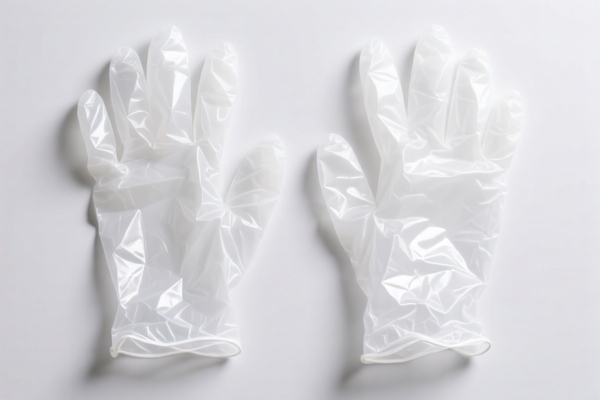


AI Analysis
🧤 Industrial Plastic Gloves (Plastic Coated/Immersed Gloves)
🌐 HS Code Reference & Clearance Guide | 2026 Latest Tariff Analysis | Professional Customs Strategy
📌 I. Product Definition & Classification: Do You Truly Understand "Plastic Industrial Gloves"?
Industrial plastic gloves are protective equipment used for construction, manufacturing, and general labor to shield hands from chemicals, abrasion, and moisture. In international trade, they are not a single homogeneous category. They are strictly divided based on material composition and manufacturing process:
1. Textile Base with Plastic Coating/Impregnation (Chapter 61)
These are gloves made of knitted or crocheted fabric (e.g., nylon, polyester, cotton) that have been dipped, coated, covered, or laminated with plastic (polyethylene, PVC, etc.). They retain the textile nature but gain plastic properties.
* Key Identifier: You can see the fabric texture underneath the plastic; they are flexible and breathable compared to solid rubber.
2. Solid Plastic/Resin Gloves (Chapter 39)
These are gloves made entirely of plastic materials (polyethylene, PVC sheets) without a textile base, or those classified specifically as "Other plastics articles." They are often non-medical, disposable, or heavy-duty non-textile types.
* Key Identifier: No fabric weave visible; usually made from molded or sheet-formed plastic.
⚠️ Critical Distinction Point:
- If the glove is knitted/fabric-based + plastic coating → Classify under 6116 (Textiles).
- If the glove is solid plastic/non-medical other → Classify under 3926 (Plastics).
Misclassification here can lead to a massive tariff shock, ranging from 10% to over 36%.
📦 II. HS Code Classification Details (2026 Latest Tariff Authority)
| HS Code | Product Description | Applicable Scenario | Material Structure | Total Tax Rate* |
|---|---|---|---|---|
6116.10.44.00 |
Plastic-coated gloves (textile base) | Construction, general industrial use | Knitted/Crocheted base + Plastic coating | 27.4% |
3926.20.10.50 |
Other plastic gloves (non-medical) | Non-disposable, general plastic protective wear | Solid Plastic / Non-textile | 10.0% |
3926.20.40.50 |
Other plastic gloves (full plastic definition) | Plastic articles defined strictly as gloves | Solid Plastic / Non-textile | 16.5% |
6116.10.48.30 |
Plastic/rubber coated knitted gloves | Heavy-duty industrial, high abrasion resistance | Knitted base + Thick Plastic/Rubber coating | 36.1% |
6116.10.65.00 |
Other plastic-coated gloves (textile base) | General industrial, standard plastic coverage | Knitted/Crocheted base + Plastic coating | 24.5% |
📌 Note: All rates above apply to imports from China to the USA, including all applicable surcharges (Base Tariff + 301 Section Tariffs + IEEPA/122 Clause Tariffs).
💰 III. 2026 Latest Tariff Rate Breakdown (Detailed Tax Clauses)
✅ Applicable Country: United States (US)
✅ Origin: China (CN)
✅ Effective Time: Current 2026 Tariff Schedule
🎯 1. 6116.10.44.00 —— Textile Gloves with Plastic Coating (Standard Industrial)
| Item | Content |
|---|---|
| Base Tariff | 9.9% (Ad Valorem) |
| Section 301 / Additional Tariff | 7.5% |
| Clause 122 Tariff | 10.0% |
| Total Tax Rate | 27.4% |
| Tax Calculation | CIF Value × 27.4% |
| De Minimis Exemption? | ❌ NO (Section 321 de minimis does NOT apply to goods subject to Section 301 or specific clause tariffs from China) |
| Legal Basis Path | HTSUS:6116.10.44 → USITC Footnotes → IEEPA/301 Add-ons |
📌 Explanation:
- Base 9.9%: Standard MFN rate for coated gloves.
- 7.5% Add-on: Part of the ongoing trade war tariffs on textiles/apparel categories.
- 10% Clause 122: Specific anti-dumping or countervailing duty add-on often applied to certain Chinese textile/plastic hybrids.
- Total 27.4%: High cost burden. Must be accounted for in FOB/CIF pricing.
🎯 2. 3926.20.10.50 —— Plastic Gloves (Non-Medical, Solid Plastic)
| Item | Content |
|---|---|
| Base Tariff | 0.0% |
| Additional Tariff | 0.0% |
| Clause 122 Tariff | 10.0% |
| Total Tax Rate | 10.0% |
| Tax Calculation | CIF Value × 10.0% |
| De Minimis Exemption? | ❌ NO (Still subject to Clause 122) |
| Legal Basis Path | HTSUS:3926.20.10 → Clause 122 |
📌 Explanation:
- Base 0%: Many plastic articles have low base tariffs.
- 0% Add-on: This specific subheading escapes the heavy Section 301 textile/apparel taxes.
- 10% Clause 122: The only remaining levy.
- Total 10.0%: Most cost-effective option if the product design allows classification here.
🎯 3. 3926.20.40.50 —— Other Plastic Gloves (Strict Plastic Definition)
| Item | Content |
|---|---|
| Base Tariff | 6.5% |
| Additional Tariff | 0.0% |
| Clause 122 Tariff | 10.0% |
| Total Tax Rate | 16.5% |
| Tax Calculation | CIF Value × 16.5% |
| De Minimis Exemption? | ❌ NO |
| Legal Basis Path | HTSUS:3926.20.40 → Clause 122 |
📌 Explanation:
- A middle-ground option. If the glove is 100% plastic but falls into a different "other" category than10.50, it incurs a 6.5% base tariff.
- Total 16.5%: Still cheaper than the textile-based gloves.
🎯 4. 6116.10.48.30 —— Heavy-Duty Knitted Gloves with Plastic/Rubber Coating
| Item | Content |
|---|---|
| Base Tariff | 18.6% |
| Additional Tariff | 7.5% |
| Clause 122 Tariff | 10.0% |
| Total Tax Rate | 36.1% |
| Tax Calculation | CIF Value × 36.1% |
| De Minimis Exemption? | ❌ NO |
| Legal Basis Path | HTSUS:6116.10.48 → USITC → Clause 122 |
📌 Explanation:
- Highest Tax Bracket. This code is often used for thicker, more durable gloves (e.g., nylon liner with heavy PVC or rubber coating).
- The higher base tariff (18.6%) reflects the higher value-added nature of these durable goods.
- Avoid this code if possible for cost optimization.
🎯 5. 6116.10.65.00 —— Other Plastic-Coated Textile Gloves
| Item | Content |
|---|---|
| Base Tariff | 7.0% |
| Additional Tariff | 7.5% |
| Clause 122 Tariff | 10.0% |
| Total Tax Rate | 24.5% |
| Tax Calculation | CIF Value × 24.5% |
| De Minimis Exemption? | ❌ NO |
| Legal Basis Path | HTSUS:6116.10.65 → USITC → Clause 122 |
📌 Explanation:
- A standard coating code for general industrial use where the specific "44" or "48" descriptions don't perfectly match the thickness or type.
- Total 24.5%: Moderate-high cost.
🛠️ IV. Customs Clearance Practical Advice (Battle-Proven Pitfall Guide)
✅ 1. Preparation Checklist (Mandatory)
| Document | Required? | Description |
|---|---|---|
| ✅ Product Specification Sheet | ✔️ | Must detail: Fiber content (e.g., 100% Polyester liner), Coating type (PVC, PE, Nitrile), Coating thickness (microns). |
| ✅ Photos (Macro & Micro) | ✔️ | Show the weave of the fabric (to prove textile base) OR the solid mold (to prove plastic only). |
| ✅ Commercial Invoice | ✔️ | Description must be precise: e.g., "Polyester Knitted Gloves, PVC Coated" vs. "Plastic Gloves." |
| ✅ Material Test Report | ✔️ | 3rd party lab report confirming coating composition and fabric type. Critical for distinguishing Ch. 39 vs. Ch. 61. |
| ✅ Certificate of Origin (CO) | ✔️ | Proof of Chinese origin triggers the specific tariffs listed above. |
✅ 2. Classification Strategy (Key Mnemonic)
🔥 "Fabric Plus Plastic = Textile Code (High Tax); Pure Plastic = Plastic Code (Low Tax)"
| Scenario | Correct HS Code | Incorrect Code | Consequence of Error |
|---|---|---|---|
| Knitted Nylon Liner + PVC Coating | 6116.10.44.00 / .48.30 / .65.00 |
3926.20.10.50 |
Underpayment + Penalties (Tax diff: 10% vs 27-36%) |
| 100% PE Disposable Plastic Glove | 3926.20.10.50 |
6116.10.44.00 |
Overpayment (Loss of profit margin, 10% vs 27.4%) |
| Rubber-Coated Cotton Glove | 6116.10.48.30 |
3926.20.40.50 |
Misclassification (Textile rules override if fabric >50%) |
💡 Pro Tip:
If your glove is thin, disposable, and has no visible fabric weave, fight for3926.20.10.50(10%).
If your glove is durable, has a visible knit/crochet liner, you are likely stuck with6116codes (24.5% - 36.1%).
✅ 3. Special Circumstances Handling
| Situation | Handling Advice |
|---|---|
| Mixed Packaging | If plastic gloves and textile gloves are packed together, declare separately. Mixed declarations may trigger audit. |
| "Unisex" Marketing | Do not use gender terms in HS description. Use functional terms: "Industrial Protective Gloves." |
| Certifications | Ensure CE (EU) or ANSI/ISEA (US) compliance documentation is ready. Customs may ask for safety standards proof. |
| Origin Marking | "Made in China" must be permanently marked on each pair or inner packaging to avoid Section 301 evasion flags. |
🌍 V. Global Market Comparison (2026 Snapshot)
| Country/Region | Recommended HS Code | Estimated Tax (China Origin) | Certification Required | Notes |
|---|---|---|---|---|
| 🇺🇸 USA | 6116.10.44.00 / 3926.20.10.50 |
10% – 36.1% | OSHA Compliance, ANSI | High Tariffs. Clause 122 applies. |
| 🇪🇺 EU | 4015.19 (Rubber) / 3926.20 (Plastic) |
0% – 3.7% | CE, REACH | Lower base tariffs, but stricter chemical regs (REACH). |
| 🇨🇦 Canada | 6116.93 / 3926.20 |
0% – 5% | CANSAS Standards | USMCA may apply if manufactured in NA. |
| 🇬🇧 UK | 6116.93 / 3926.20 |
0% – 3.5% | UKCA | Post-Brexit rules align with EU but require UKCA. |
📌 Conclusion:
- The USA is the most tax-sensitive market for Chinese industrial gloves.
- The 17.4% gap between3926.20.10.50(10%) and6116.10.44.00(27.4%) is huge. Product design (textile vs. pure plastic) is the single biggest cost driver.
📌 VI. Common Mistakes & Pitfall Guide (Lessons Learned)
❌ Mistake 1: Calling all "Plastic Gloves" HS 3926.20.10.50 to get 10% tax.
👉 Reality: If the glove has a knitted liner, US Customs will reclassify to 6116 and charge 27.4%. You will face back taxes + penalties.
❌ Mistake 2: Ignoring "Clause 122."
👉 Reality: Even if the base tariff is 0%, the 10% Clause 122 still applies. Don't assume "0% Base" means "0% Total."
❌ Mistake 3: Vague Invoice Descriptions ("Gloves for Hand").
👉 Reality: Triggers manual examination. Customs will ask for material composition. If you can't prove it's pure plastic, they may default to the highest textile rate.
✅ Correct Declaration Example:
"Polyester Knitted Gloves, PVC Coated, Industrial Use, Size M-L, Made in China" → Leads to
6116.10.44.00(Correct, predictable).
"Polyethylene Disposable Gloves, Non-Medical, Bulk Pack" → Leads to3926.20.10.50(Optimal, lower tax).
🎯 VII. Conclusion: Professional Declaration, Cost Control, Compliance!
🎯 Remember the Mantra:
🔹 "Fabric Liner + Plastic Coat = 6116 (High Tax). Pure Plastic = 3926 (Low Tax)."
🔹 "Check the Weave! If you see thread, expect 27%+. If solid plastic, aim for 10%."
🔹 "Clause 122 is always on. Don't let your guard down."
📌 Pro Tip:
If your glove is 100% Plastic but currently classified under a higher 3926 subheading, try to adjust the manufacturing spec or find a subheading that fits the "Non-medical other" definition to hit 3926.20.10.50.
For textile-based gloves, consider supply chain diversification to Vietnam or Mexico if US tariffs remain prohibitive, as they may escape Section 301/Clause 122 depending on final assembly rules.
📣 Immediate Action:
📞 Audit Your Product: Does it have a knit liner?
📄 Review Invoice: Is the material composition explicit?
🚀 Optimize for Savings: Shift design to pure plastic if possible to save 17.4% + in duties.
✨ Professional Customs Clearance Starts with Precise Classification!
💼 Your Profit Margin Depends on the Correct HS Code!
Customer Reviews
About HS Code Classification
The Harmonized System (HS) is an internationally standardized nomenclature developed by the World Customs Organization (WCO) to classify traded products. Over 200 countries use the HS system as the basis for customs tariffs, trade statistics, and import/export regulations.
Each HS code follows a hierarchical structure:
- Chapter (2 digits) — Broad category of goods (e.g., Chapter 84: Machinery and Mechanical Appliances)
- Heading (4 digits) — More specific grouping within the chapter
- Subheading (6 digits) — Internationally standardized breakdown, used by all WCO member countries
- National subdivisions (8-10 digits) — Country-specific extensions for further classification, such as US HTSUS 10-digit codes
Correct HS code classification is essential for smooth customs clearance, accurate duty payment, and compliance with trade regulations. Misclassification can lead to customs delays, overpayment of duties, or penalties.
When importing from CN to US, the applicable tariff rates may include:
- Most-Favored-Nation (MFN) rate — The standard duty rate applied to WTO members
- General rate — Applied to countries without trade agreements
- Trade remedy duties — Additional tariffs such as Section 301 (anti-dumping), Section 232 (national security), or countervailing duties
The information provided on this page is for reference purposes only. For official classification, please consult with your local customs authority or a licensed customs broker.