plastic gloves outdoor
CN → US| HS Code | Tariff Rate | Origin | Destination | Doc |
|---|---|---|---|---|
| 3926204010 | 16.5% | CN | US | Official Doc |
| 6116106500 | 24.5% | CN | US | Official Doc |
| 4015191110 | 38.0% | CN | US | Official Doc |
| 4015195100 | 49.0% | CN | US | Official Doc |
| 3926201020 | 10.0% | CN | US | Official Doc |
Product Images

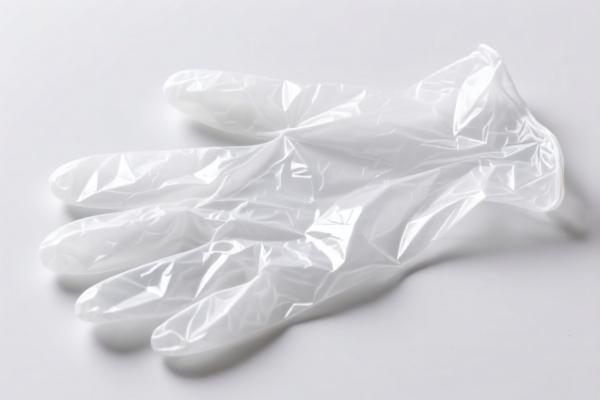


AI Analysis
🧤 Plastic Outdoor Gloves (Industrial/Construction Grade)
🌐 HS Code Reference & Customs Clearance Guide | 2026 Latest Tariff Analysis | Professional Strategy for US Imports
📌 Part I: Product Definition & Classification: Are Your Gloves Really "Plastic"?
Outdoor plastic gloves are critical PPE for construction, gardening, and industrial cleaning. However, customs classification depends heavily on material composition and manufacturing process. They are generally categorized into three main types:
- Pure Plastic/Gloves (Plastic-coated): Made of polyethylene, PVC, or nitrile. Thin, disposable, or heavy-duty reusable.
- Rubber Gloves (Vulcanized): Made of natural or synthetic rubber (latex/nitrile) that has been cured. Often perceived as "plastic" by laymen but classified under Chapter 40.
- Mixed/Material Ambiguity: Products where the coating vs. base material is unclear, leading to different HS Code risks.
⚠️ Key Distinction:
- If the glove is primarily plastic (PVC/PE) → Chapter 39 (Plastics).
- If the glove is rubber (Latex/Nitrile) even if coated with plastic → Chapter 40 (Rubber).
- Misclassification Risk: Declaring rubber gloves as plastic can lead to severe penalties; declaring plastic gloves as rubber may result in overpaying duties.
📦 Part II: HS Code Classification Details (2026 Latest Tariff Authority Comparison)
Based on the provided data, here are the specific HS Codes and their rationale for "Plastic Outdoor Gloves":
| HS Code | Product Description | Applicability Scenario | Material Status | Total Tax Rate |
|---|---|---|---|---|
3926.20.40.10 |
Plastic Construction Gloves | Plastic material, glove form, construction use. Fits "disposable or other plastic glove" criteria. | Pure Plastic | 16.5% |
6116.10.65.00 |
Plastic-Coated Gloves | Plastic material, glove form. Defined as gloves coated/covered with plastic. | Plastic-coated | 24.5% |
4015.19.11.10 |
Rubber Gloves | Vulcanized Rubber. No material conflict. High tariff due to rubber classification. | Rubber (Cured) | 38.0% |
4015.19.51.00 |
Synthetic Rubber Gloves | Vulcanized Synthetic Rubber. Reasonable inference for industrial rubber gloves. | Synthetic Rubber | 49.0% |
3926.20.10.20 |
General Plastic Gloves | Plastic material, glove form. No specific use declared. Classified as "catch-all/residual". | Pure Plastic (General) | 10.0% |
🔍 Critical Analysis:
-3926.20.40.10vs3926.20.10.20: If the gloves are explicitly for construction use,3926.20.40.10(16.5%) is more precise. If no specific industrial use is declared,3926.20.10.20(10.0%) applies but carries a higher risk of customs inquiry regarding "intent." -6116.10.65.00: This code is for gloves coated with plastic (e.g., cotton/nylon liner with plastic grip). If your product is a solid plastic sheet folded into a glove, this may be incorrect. -4015.xxxx: If the gloves are made of rubber (even if it feels like plastic), using a Chapter 39 code is a major compliance error. Rubber gloves are taxed significantly higher due to Section 301 and IEEPA surcharges.
💰 Part III: 2026 Latest Tariff Rate Breakdown (Including Surcharges & Policy Add-ons)
✅ Applicable Country: United States (US)
✅ Origin: China (CN)
✅ Effective Time: 2025/2026 Import Period
🎯 1. 3926.20.40.10 – Plastic Construction Gloves
| Item | Details |
|---|---|
| Base Tariff | 6.5% (Ad Valorem) |
| Section 301 Surcharge | 0.0% (Note: Some plastic items may be exempt or subject to different lists, but data indicates 0.0% here) |
| IEEPA Section 122 Tariff | +10% (Specific China-related add-on) |
| Total Tax Rate | 16.5% |
| De Minimis Exemption? | ❌ No (Small packages subject to full duty) |
| Legal Path | IEEPA:122 → USITC:3926.20.40.10 |
📌 Explanation:
- This is the most cost-effective code for plastic construction gloves.
- The 10% IEEPA tariff is mandatory for Chinese-origin plastic gloves.
- Savings: Compared to rubber gloves (38-49%), this saves 21.5%-32.5% in taxes.
🎯 2. 6116.10.65.00 – Plastic-Coated Gloves
| Item | Details |
|---|---|
| Base Tariff | 7.0% |
| Section 301 Surcharge | +7.5% (Section 301 applies to knit/apparel gloves) |
| IEEPA Section 122 Tariff | +10% |
| Total Tax Rate | 24.5% |
| De Minimis Exemption? | ❌ No |
| Legal Path | IEEPA:122 → 301:6116 → USITC:6116.10.65.00 |
📌 Explanation:
- Applies if the glove is a textile liner with plastic coating.
- Higher base tariff than pure plastic (3926), but lower than rubber.
- Warning: Do not use if the glove is entirely plastic (no textile liner).
🎯 3. 4015.19.11.10 – Vulcanized Rubber Gloves
| Item | Details |
|---|---|
| Base Tariff | 3.0% |
| Section 301 Surcharge | +25.0% (High section 301 rate for rubber products) |
| IEEPA Section 122 Tariff | +10% |
| Total Tax Rate | 38.0% |
| De Minimis Exemption? | ❌ No |
| Legal Path | IEEPA:122 → 301:4015 → USITC:4015.19.11.10 |
📌 Explanation:
- High Risk Code. Many importers mistakenly classify rubber gloves as plastic.
- The 25% Section 301 tariff is punitive.
- Only use if the product is 100% vulcanized rubber (latex/nitrile).
🎯 4. 4015.19.51.00 – Synthetic Rubber Gloves
| Item | Details |
|---|---|
| Base Tariff | 14.0% |
| Section 301 Surcharge | +25.0% |
| IEEPA Section 122 Tariff | +10% |
| Total Tax Rate | 49.0% |
| De Minimis Exemption? | ❌ No |
| Legal Path | IEEPA:122 → 301:4015 → USITC:4015.19.51.00 |
📌 Explanation:
- Most Expensive. Applies to synthetic rubber gloves (e.g., heavy-duty nitrile).
- Avoid unless the product is explicitly synthetic rubber.
🎯 5. 3926.20.10.20 – General Plastic Gloves (Catch-All)
| Item | Details |
|---|---|
| Base Tariff | 0.0% |
| Section 301 Surcharge | 0.0% |
| IEEPA Section 122 Tariff | +10% |
| Total Tax Rate | 10.0% |
| De Minimis Exemption? | ❌ No |
| Legal Path | IEEPA:122 → USITC:3926.20.10.20 |
📌 Explanation:
- Lowest Tax (10%), but Highest Risk.
- Used when no specific use (e.g., construction, medical) is declared.
- Customs May Challenge: If you declare "construction gloves" but use this code, CBP may argue for3926.20.40.10and demand back taxes + penalties.
- Recommendation: Only use if the gloves are truly general-purpose (e.g., household gardening) with no industrial branding.
🛠️ Part IV: Customs Clearance Practical Advice (Avoiding Pitfalls)
✅ 1. Documentation Checklist (Non-negotiable)
| Document | Required? | Purpose |
|---|---|---|
| ✅ Product Spec Sheet | ✔️ | Must specify: Material (PVC/Natural Rubber/Synthetic), Thickness, Coating vs. Solid. |
| ✅ Material Composition Report | ✔️ | Critical: Prove % of Plastic vs. Rubber. CBP will test samples. |
| ✅ Product Photos | ✔️ | Show texture, flexibility, and any coatings. Rubber vs. Plastic looks different under magnification. |
| ✅ Commercial Invoice | ✔️ | Clearly state: "Plastic Gloves, PVC Material, for Construction Use" OR "Rubber Gloves, Nitrile, for Industrial Use". |
| ✅ Labeling/Packaging | ✔️ | If packaging says "Rubber," you cannot declare "Plastic." Consistency is key. |
✅ 2. Declaration Strategy (Key Mantras)
🔥 "Material First, Use Second, Code Third!"
| Scenario | Correct Declaration | Wrong Declaration | Consequence |
|---|---|---|---|
| Pure Plastic (PVC/PE) | 3926.20.40.10 |
4015.19.11.10 (Rubber) |
Overpayment (16.5% vs 38%) |
| Plastic-Coated Textile | 6116.10.65.00 |
3926.20.40.10 (Pure Plastic) |
Underpayment (24.5% vs 16.5%) → Penalties |
| Rubber (Latex/Nitrile) | 4015.19.11.10 |
3926.20.40.10 (Plastic) |
Severe Penalty (38% vs 16.5%) → Seizure Risk |
| General Household Plastic | 3926.20.10.20 |
3926.20.40.10 |
Underpayment (10% vs 16.5%) → Audit Risk |
✅ 3. Special Cases
| Situation | Advice |
|---|---|
| "Nitrile" Gloves | Usually Rubber (Synthetic). Use 4015.19.51.00 (49%) unless it's a plastic-coated fabric. |
| "Disposable" Gloves | If PE/Plastic: 3926.20.40.10 (16.5%). If Latex: 4015.19.11.10 (38%). |
| Mixed Lots | Declare separately. Do not mix rubber and plastic in one HS Code. |
| Pre-Clearance | Submit a Binding Ruling Request to CBP if material is ambiguous. Saves thousands in penalties. |
🌍 Part V: Global Market Comparison (2026)
| Country/Region | Recommended HS Code (Plastic) | Tariff (China Origin) | Notes |
|---|---|---|---|
| 🇺🇸 USA | 3926.20.40.10 |
16.5% | IEEPA 10% + Base 6.5%. |
| 🇪🇺 EU | 3926.20.90 |
6.5% | No Section 301. Lower risk. |
| 🇨🇳 China | 3926.20.90 |
6.5% | Standard import tariff. |
| 🇬🇧 UK | 3926.20.90 |
6.5% | Post-Brexit tariff alignment. |
📌 Conclusion:
- The US market is the most complex due to Section 301 and IEEPA surcharges.
- Plastic gloves (16.5%) are significantly cheaper to import than Rubber gloves (38-49%).
- Accuracy is critical: Misclassifying rubber as plastic to save 21.5% is a fraud risk.
📌 Part VI: Common Mistakes & Pitfalls (Lessons Learned)
❌ Mistake 1: Declaring Nitrile Gloves as Plastic
👉 Consequence: Nitrile is synthetic rubber. Duty jumps from 16.5% to 49%. Back taxes + 25% penalty.
❌ Mistake 2: Using 3926.20.10.20 (10%) for Construction Gloves
👉 Consequence: CBP sees "Construction" on invoice but 10% tariff code. Audit flag. Must pay 16.5% + interest.
❌ Mistake 3: Ignoring IEEPA 122 Tariff
👉 Consequence: Even if base tariff is 0%, 10% IEEPA applies to all Chinese plastic/rubber gloves. Never forget the 10% add-on.
✅ Correct Approach:
"PVC Plastic Gloves, 100% Synthetic Polymer, Disposable, for Outdoor Construction Use, Model ABC, Made in China"
HS Code:3926.20.40.10
Rate: 16.5%
🎯 Part VII: Conclusion: Precision Saves Money!
🎯 Remember the Mantra:
🔹 "Plastic vs. Rubber: Check the Material, Not the Feel!"
🔹 "16.5% for Plastic, 38-49% for Rubber. Don't Guess!"
🔹 "IEEPA 10% is Always On. Never Exclude It!"
📌 Pro Tip:
If you are unsure if your gloves are Plastic (PE/PVC) or Rubber (Latex/Nitrile), send samples to a lab for FTIR Testing. The result is your legal defense.
📣 Immediate Action:
📞 Verify Material Composition
📄 Choose Correct HS Code (3926.20.40.10for Plastic,4015for Rubber)
🚀 Declare Accurately to Avoid 100% Penalty Rates!
✨ Professional Clearance Starts with Precise Classification!
💼 Your Profit Margin Depends on the 32.5% Gap Between Plastic and Rubber!
Customer Reviews
About HS Code Classification
The Harmonized System (HS) is an internationally standardized nomenclature developed by the World Customs Organization (WCO) to classify traded products. Over 200 countries use the HS system as the basis for customs tariffs, trade statistics, and import/export regulations.
Each HS code follows a hierarchical structure:
- Chapter (2 digits) — Broad category of goods (e.g., Chapter 84: Machinery and Mechanical Appliances)
- Heading (4 digits) — More specific grouping within the chapter
- Subheading (6 digits) — Internationally standardized breakdown, used by all WCO member countries
- National subdivisions (8-10 digits) — Country-specific extensions for further classification, such as US HTSUS 10-digit codes
Correct HS code classification is essential for smooth customs clearance, accurate duty payment, and compliance with trade regulations. Misclassification can lead to customs delays, overpayment of duties, or penalties.
When importing from CN to US, the applicable tariff rates may include:
- Most-Favored-Nation (MFN) rate — The standard duty rate applied to WTO members
- General rate — Applied to countries without trade agreements
- Trade remedy duties — Additional tariffs such as Section 301 (anti-dumping), Section 232 (national security), or countervailing duties
The information provided on this page is for reference purposes only. For official classification, please consult with your local customs authority or a licensed customs broker.