Plastic Hose
CN → US| HS Code | Tariff Rate | Origin | Destination | Doc |
|---|---|---|---|---|
| 3917290050 | 38.1% | CN | US | Official Doc |
| 3917310000 | 38.1% | CN | US | Official Doc |
| 3917390050 | 38.1% | CN | US | Official Doc |
| 4009110000 | 37.5% | CN | US | Official Doc |
| 4009120050 | 20.0% | CN | US | Official Doc |
Product Images
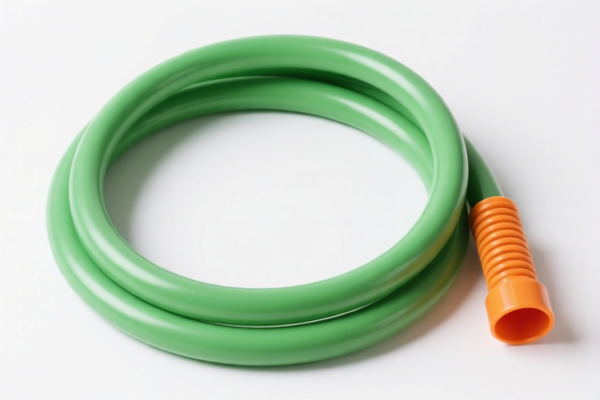
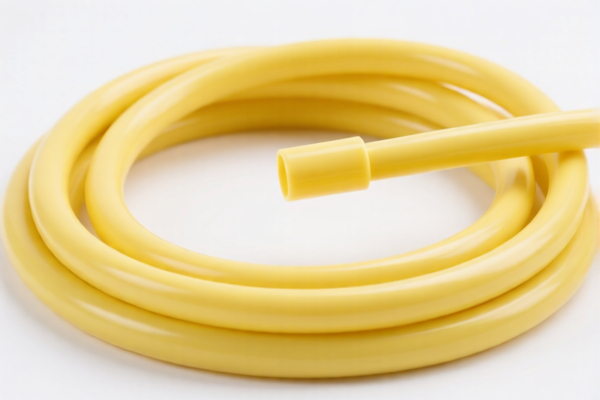
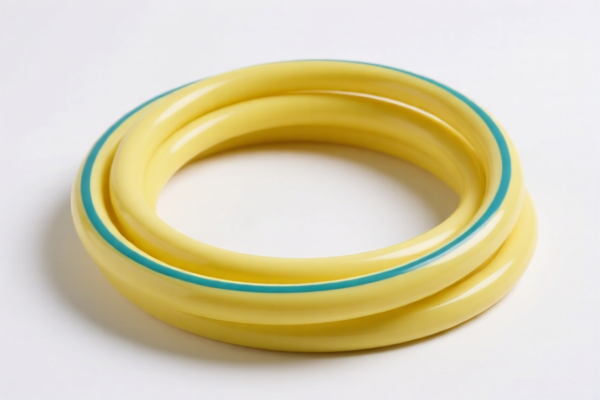
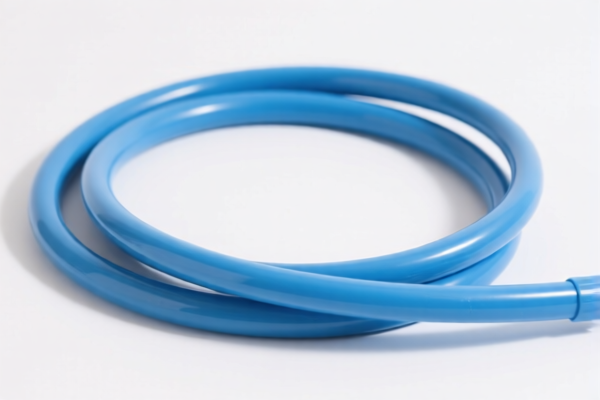
AI Analysis
🚰 Plastic Hose: HS Code Classification & Customs Clearance Guide (2026)
🌐 HS Code Reference & Customs Clearance Guide | 2026 Latest Tariff Analysis | Professional Clearance Strategy
📌 1. Product Definition & Classification: What is a "Plastic Hose"?
In international trade, "Plastic Hose" (塑料软管) refers to flexible tubes made primarily of plastic materials. Unlike rigid pipes (used for fixed installations), hoses are designed for flexibility, bending, and fluid/gas conveyance.
⚠️ Key Distinction:
- Material: Must be primarily Plastic (e.g., PVC, PE, PP, TPU).
- Form: Must be Flexible (Soft/Flexible). If it is rigid, it falls under "Plastic Pipes" (Chapter 39, Heading 3917.29).
- Application: Used for water, air, oil, chemicals, or industrial media.
📦 2. HS Code Classification Details (2026 Latest Tariff Authority)
Based on the provided data, here is the precise classification for Plastic Hoses:
| HS Code | Product Description | Material | Form/State | Key Characteristic |
|--------|--------------------------|----------|-------------------|
| 3917.31.00.00 | Plastic High-Pressure Hose | Plastic | Soft/Flexible | Designed to withstand high pressure; often reinforced. |
| 3917.39.00.50 | General Plastic Hose | Plastic | Soft/Flexible | Standard flexible plastic tubing for general use. |
| 3917.29.00.50 | Plastic Rigid Pipe | Plastic | Rigid/Hard | ⚠️ NOT A HOSE. Rigid pipes are excluded from "hose" classification. |
🔍 Critical Note:
-3917.31.00.00and3917.39.00.50are the correct codes for flexible plastic hoses.
-3917.29.00.50is for rigid pipes. Misclassifying a rigid pipe as a hose can lead to inspection delays or penalties.
- Rubber hoses (e.g.,4009.11.00.00) are NOT plastic and fall under Chapter 40. Do not mix them.
💰 3. 2026 Latest Tariff Rate Breakdown (Including Additional Taxes)
✅ Applicable Country: United States (US)
✅ Country of Origin: China (CN)
✅ Effective Date: November 10, 2025 (and subsequent imports)
🎯 1. 3917.31.00.00 – Plastic High-Pressure Hose
| Item | Content |
|---|---|
| Base Tariff | 3.1% (ad valorem) |
| Additional Tariff (Section 301) | +25.0% |
| Section 122 Tariff | +10.0% |
| Total Tariff Rate | 38.1% |
| Calculation | CIF Value × 38.1% |
| De Minimis Exemption | ❌ NOT Eligible (deny_de_minimis) |
| Legal Basis | USITC:3917.31.00.00 → Footnote: Section 301 → Section 122 |
📌 Explanation:
- 3.1% is the standard Most Favored Nation (MFN) rate.
- 25.0% is the Section 301 tariff on Chinese goods.
- 10% is the Section 122 tariff (national security-related).
- Total: 38.1%. This is a high tariff category. Small shipments (< $800) cannot use de minimis exemption.
🎯 2. 3917.39.00.50 – General Plastic Hose
| Item | Content |
|---|---|
| Base Tariff | 3.1% (ad valorem) |
| Additional Tariff (Section 301) | +25.0% |
| Section 122 Tariff | +10.0% |
| Total Tariff Rate | 38.1% |
| Calculation | CIF Value × 38.1% |
| De Minimis Exemption | ❌ NOT Eligible (deny_de_minimis) |
| Legal Basis | USITC:3917.39.00.50 → Footnote: Section 301 → Section 122 |
📌 Note:
- Same tax structure as high-pressure hoses.
- Applies to standard PVC, PE, or PP flexible hoses.
🎯 3. 3917.29.00.50 – Plastic Rigid Pipe (For Reference Only)
| Item | Content |
|---|---|
| Base Tariff | 3.1% |
| Additional Tariff (Section 301) | +25.0% |
| Section 122 Tariff | +10.0% |
| Total Tariff Rate | 38.1% |
| De Minimis Exemption | ❌ NOT Eligible |
📌 Warning:
- Although rigid, this item also faces 38.1% total tariff.
- Do not misclassify flexible hoses as rigid pipes to avoid "incorrect declaration" penalties.
🛠️ 4. Customs Clearance Practical Advice (Avoid Pitfalls)
✅ 1. Required Documentation Checklist
| Document | Required? | Notes |
|---|---|---|
| ✅ Product Specification Sheet | ✔️ | Must state material (e.g., PVC, PE), inner/outer diameter, pressure rating. |
| ✅ Photos of Product | ✔️ | Show flexibility (bent hose) vs. rigid pipe. Label must be clear. |
| ✅ Commercial Invoice | ✔️ | Clearly state "Plastic Hose" or "High-Pressure Plastic Hose". Avoid vague terms like "Tube". |
| ✅ Packing List | ✔️ | List items by HS Code. Do not mix rubber and plastic hoses. |
| ✅ Origin Certificate | ✔️ | Not for duty reduction, but for proof of Chinese origin (triggering Section 301). |
| ✅ Test Reports | Optional | If claiming specific pressure ratings, provide lab test data. |
✅ 2. Declaration Tips (Key Mantra)
🔥 "Material Matters, Flexibility Defines, Label Clearly!"
| Scenario | Correct Declaration | Wrong Declaration |
|---|---|---|
| Flexible PVC Hose | 3917.39.00.50 – Plastic Hose |
"Plastic Pipe" → Inspection Delay |
| Reinforced High-Pressure Hose | 3917.31.00.00 – High-Pressure Hose |
"Plastic Tubing" → Ambiguous |
| Rigid PVC Pipe | 3917.29.00.50 – Plastic Pipe |
"Hose" → Incorrect Classification |
| Rubber Hose | 4009.11.00.00 – Rubber Hose |
"Plastic Hose" → Wrong Chapter (40 vs 39) |
✅ 3. Special Situations
| Situation | Handling Advice |
|---|---|
| Mixed Material | If hose has plastic inner layer and rubber outer layer, classify based on essential character (usually the core material). |
| OEM/Custom Size | Provide drawings showing flexibility. Do not claim "rigid" if it bends easily. |
| Small Samples (<$800) | ❌ Cannot use de minimis. All plastic hoses from China are subject to 38.1% tariff. |
| Rubber vs. Plastic | Rubber hoses (4009.*) have different rates (e.g., 37.5% or 20%). Ensure material is correctly identified. |
🌍 5. Global Market Comparison (2026)
| Country/Region | Recommended HS Code | Tariff (China Origin) | Certification | Notes |
|---|---|---|---|---|
| 🇺🇸 USA | 3917.39.00.50 / 3917.31.00.00 |
38.1% | No specific cert required for basic plastic | High tariff; no de minimis |
| 🇨🇳 China | 3917.39.00.50 |
3.1% | CCC (if applicable) | No Section 301/122 |
| 🇪🇺 EU | 3917.29 / 3917.39 |
0–6.5% | REACH, RoHS | No Section 301 |
| 🇯🇵 Japan | 3917.39 |
3–6% | PSE (if electrical) | No Section 301 |
| 🇦🇺 Australia | 3917.39 |
5% | RCM | No Section 301 |
📌 Conclusion:
- USA is the only market with 38.1% total tariff due to Section 301 + Section 122.
- EU, Japan, Australia have significantly lower tariffs (0–6.5%).
- Strategic Advice: Consider sourcing plastic hoses from Vietnam, Thailand, or Mexico to avoid US Section 301/122 tariffs (verify rules of origin carefully).
📌 6. Common Mistakes & Pitfalls (Lessons Learned)
❌ Mistake 1: Misclassifying Rigid Pipes as Hoses
👉 Consequence: Even if both are 38.1%, incorrect description leads to customs inspection delays or penalties for false declaration.
❌ Mistake 2: Using "Tube" or "Piping" Vaguely
👉 Consequence: Customs may classify under general plastics (3917.90) or require additional info, causing port storage fees.
❌ Mistake 3: Assuming De Minimis Applies
👉 Consequence: Small shipments (<$800) are NOT exempt. You MUST pay 38.1% tariff. Do not ship small orders via de minimis!
❌ Mistake 4: Confusing Plastic with Rubber
👉 Consequence: Rubber hoses (4009.11.00.00) have 37.5% tariff; 4009.12.00.50 has 20.0%. Misclassification leads to underpayment and audits.
✅ Correct Declaration Example:
"Flexible Plastic Hose, PVC Material, Inner Diameter 10mm, Outer Diameter 15mm, Reinforced, Model XYZ, Made in China"
🎯 7. Conclusion: Professional Classification Saves Money!
🎯 Remember the Mantra:
🔹 "Plastic + Flexible = Hose (3917.3x)"
🔹 "Plastic + Rigid = Pipe (3917.2x)"
🔹 "Total Tariff = 38.1% (US)"
🔹 "De Minimis = NOT Allowed"
📌 Pro Tip:
If your plastic hoses are not for high pressure, use
3917.39.00.50.
If they are high-pressure, use3917.31.00.00.
Both are 38.1% in the US.
Consider supply chain diversification to non-US markets or alternative origin countries.
📣 Take Action Now:
📞 Contact a licensed customs broker + Provide product specs + Apply for Pre-Ruling if uncertain.
🚀 Ensure accurate classification, avoid 38.1% shocks, and smooth customs clearance!
✨ Professional Clearance Starts with Accurate Classification!
💼 Every Percent Counts in Global Trade!
Customer Reviews
About HS Code Classification
The Harmonized System (HS) is an internationally standardized nomenclature developed by the World Customs Organization (WCO) to classify traded products. Over 200 countries use the HS system as the basis for customs tariffs, trade statistics, and import/export regulations.
Each HS code follows a hierarchical structure:
- Chapter (2 digits) — Broad category of goods (e.g., Chapter 84: Machinery and Mechanical Appliances)
- Heading (4 digits) — More specific grouping within the chapter
- Subheading (6 digits) — Internationally standardized breakdown, used by all WCO member countries
- National subdivisions (8-10 digits) — Country-specific extensions for further classification, such as US HTSUS 10-digit codes
Correct HS code classification is essential for smooth customs clearance, accurate duty payment, and compliance with trade regulations. Misclassification can lead to customs delays, overpayment of duties, or penalties.
When importing from CN to US, the applicable tariff rates may include:
- Most-Favored-Nation (MFN) rate — The standard duty rate applied to WTO members
- General rate — Applied to countries without trade agreements
- Trade remedy duties — Additional tariffs such as Section 301 (anti-dumping), Section 232 (national security), or countervailing duties
The information provided on this page is for reference purposes only. For official classification, please consult with your local customs authority or a licensed customs broker.