plastic hot water bottles thickened
CN → US| HS Code | Tariff Rate | Origin | Destination | Doc |
|---|---|---|---|---|
| 3926902100 | 21.7% | CN | US | Official Doc |
| 3926907500 | 14.2% | CN | US | Official Doc |
Product Images
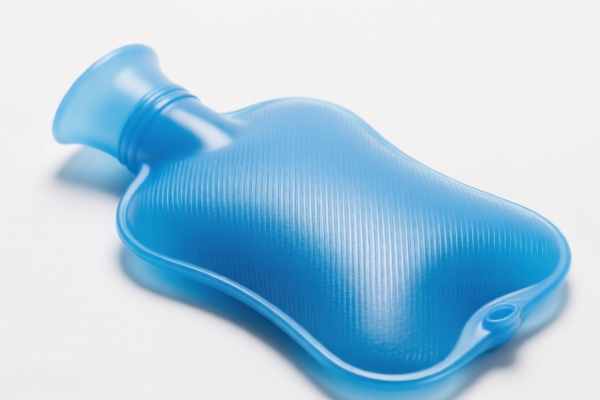
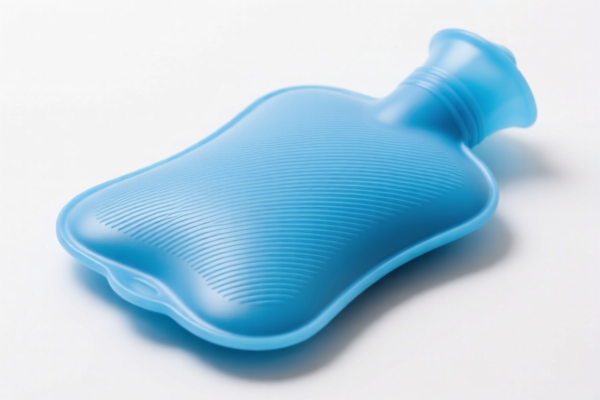
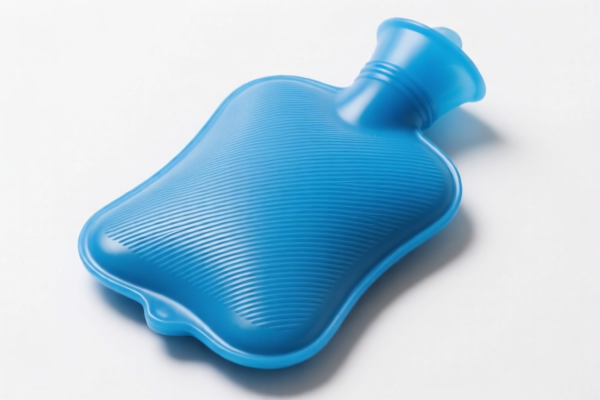
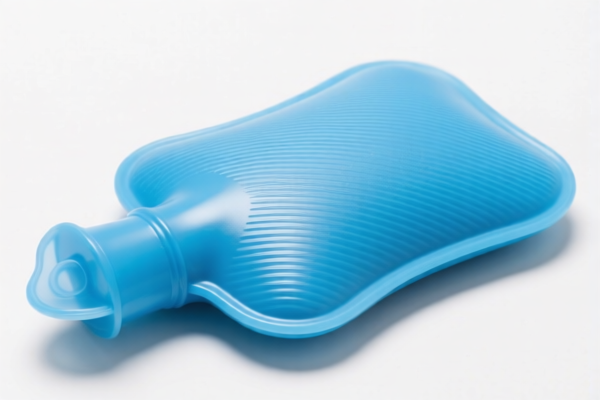
AI Analysis
🫗 Plastic Hot Water Bottles (Thickened/Reinforced)
🌐 HS Code Classification & Customs Clearance Guide | 2026 Updated Tariff Analysis | Strategic Compliance Strategy
📌 I. Product Definition & Classification: What Exactly Is a "Thickened Plastic Hot Water Bottle"?
A "thickened plastic hot water bottle" (also known as a hot water bag or heating pack) is a flexible container used to hold hot water for therapeutic warmth, sleep aid, or muscle relaxation. The term "thickened" implies a reinforced PVC, TPE, or rubber material designed for durability and safety against bursting.
In international trade, classification hinges on two key factors:
1. Material Composition: Is it primarily rubber, plastic, or textile-lined?
2. Function/Use: Is it a general-purpose household item, a medical device, or a component of a larger system?
⚠️ Critical Distinction for Customs:
- If classified under Chapter 39 (Plastics) or Chapter 40 (Rubber), the duty rates differ significantly based on whether it is deemed a "part" of something else or a "standalone household article."
- The provided data suggests two primary competitive HS Codes: 3926.90.21.00 (Plastic Household Articles) and 4016.99.05.00 (Rubber Household Articles).
📦 II. HS Code Classification Details (Based on Provided Data)
The following classification options are derived strictly from the provided dataset. Both codes apply to household hot water bottles but differ in material logic and tax implications.
| HS Code | Product Description | Material/Logic Basis | Key Attribute |
|---|---|---|---|
| 3926.90.21.00 | Hot Water Bottles (Plastic/PVC based) | Classified under Plastic Articles. The summary explicitly states: "The commodity name 'Hot Water Bottle' completely matches the usage description in the classification explanation (hot water bottles and their accessories)." | Plastic/PVC Focus: Treats the item as a generic plastic household good. |
| 4016.99.05.00 | Other Vulcanized Rubber Articles (Household) | Classified under Vulcanized Rubber. Summary 1: "Hot water bottles are usually made of vulcanized rubber material... belonging to 'other household articles among other vulcanized rubber products.' Summary 2: "Material (Rubber) matches vulcanized rubber; use (Hot Water Bottle) falls under household articles... fits 'other unlisted household items'." |
Rubber Focus: Treats the item as a vulcanized rubber product. |
🔍 Classification Strategy:
- Choose 3926.90.21.00 if your product is primarily PVC/TPU/Plastic (common for cheap, clear, or brightly colored bottles).
- Choose 4016.99.05.00 if your product is primarily Rubber or if customs authorities strictly classify flexible heating containers under rubber goods regardless of slight plastic additives.
- Note: The provided data does not include a specific "Plastic" code other than 3926.90.21.00. If your product is purely plastic, this is the only plastic-related option in the dataset.
💰 III. 2026 Latest Tariff Rate Breakdown (High-Precision Analysis)
✅ Jurisdiction: United States (US)
✅ Origin: China (CN)
✅ Effective Date: Current US Import Regulations (Section 301 / 122 Clauses)
🎯 1. 3926.90.21.00 – Plastic Hot Water Bottles
| Item | Detail |
|---|---|
| Base Tariff | 4.2% |
| Additional Tariff (Section 301 / "122 Clause") | +10% |
| Additional Tariff (Section 301 / General) | +7.5% |
| Total Effective Tax Rate | 21.7% |
| Calculation | (Base + Add1 + Add2) × CIF Value |
| De Minimis Exemption | ❌ No (Subject to full scrutiny) |
| Legal Basis Path | USITC:3926.90.21.00 → Section 301: 7.5% → Section 122: 10% |
📌 Analysis:
- The 21.7% total rate is driven by aggressive U.S. trade policies.
- The 10% "122 Clause" tariff is a specific additional duty often applied to certain Chinese goods, adding significant cost.
- The 7.5% is the standard Section 301 additional duty for many plastic articles.
🎯 2. 4016.99.05.00 – Vulcanized Rubber Household Articles
| Item | Detail |
|---|---|
| Base Tariff | 3.4% |
| Additional Tariff (Section 301 / "122 Clause") | +10% |
| Additional Tariff (Section 301 / General) | +7.5% |
| Total Effective Tax Rate | 20.9% |
| Calculation | (Base + Add1 + Add2) × CIF Value |
| De Minimis Exemption | ❌ No |
| Legal Basis Path | USITC:4016.99.05.00 → Section 301: 7.5% → Section 122: 10% |
📌 Analysis:
- This code offers a 0.8% savings compared to the plastic classification (20.9% vs. 21.7%).
- Why? The base tariff for rubber articles (3.4%) is slightly lower than for plastic articles (4.2%).
- Crucial: This saving is only valid if the product is legally justifiable as "Vulcanized Rubber." Misclassifying plastic as rubber can lead to penalties.
🛠️ IV. Customs Clearance Practical Advice (Risk Mitigation Guide)
✅ 1. Documentation Checklist (Non-Negotiable)
| Document | Required? | Purpose |
|---|---|---|
| Product Specification Sheet | ✔️ | Must detail material composition (% Rubber vs. % Plastic). Crucial for choosing between 3926 and 4016. |
| Material Safety Data Sheet (MSDS) | ✔️ | Proves material safety, especially for PVC/Rubber. |
| Commercial Invoice | ✔️ | Must clearly state: "Hot Water Bottle, Household Use, Material: [PVC/Rubber], Country of Origin: China" |
| Origin Certificate (CO) | ✔️ | Required for determining Section 301 applicability. |
| Third-Party Testing Report | ✔️ | CPC (Children's Product Certificate) if marketed for children. Prop 65 compliance for California. |
| Product Photos | ✔️ | Show the bottle inflated, label, and any valves/plugs. |
✅ 2. Classification Decision Tree (How to Choose)
mermaid graph TD A[Start: Hot Water Bottle] --> B{Primary Material?} B -->|>50% Rubber / Vulcanized| C[HS Code: 4016.99.05.00] B -->|>50% Plastic / PVC / TPE| D[HS Code: 3926.90.21.00] C --> E[Total Tax: 20.9%] D --> F[Total Tax: 21.7%] E --> G[Final Check: Is it Medical?] F --> G G -->|Yes, Class II Device| H[⚠️ RECLASSIFY! May need 9019.10/9019.10.85] G -->|No, Household Use| I[Clear with Selected Code]
💡 Pro Tip: If your "thickened" bottle is made of TPE (Thermoplastic Elastomer), customs may still classify it under Chapter 40 if it is vulcanized, or Chapter 39 if it is not. Check the manufacturing process. If it is molded plastic, 3926.90.21.00 is safer.
✅ 3. Common Mistakes & Penalties
❌ Mistake 1: Declaring as "Rubber" when it is Plastic to save 0.8%.
👉 Risk: Customs audit reveals PVC content. Penalty: 20% duty on underpaid amount + interest.
❌ Mistake 2: Ignoring the Section 122 (10%) tariff.
👉 Risk: Underpayment. The dataset explicitly lists this 10% addition. Failure to include it leads to immediate detention.
❌ Mistake 3: Omitting "Household Use" in description.
👉 Risk: If deemed "Medical" without proper FDA registration, goods may be rejected. Ensure invoice says "For Home Use / Therapeutic Heating."
🌍 V. Global Market Comparison (2026 Context)
| Region | Recommended HS Code | Est. Duty (CN Origin) | Key Requirement |
|---|---|---|---|
| 🇺🇸 USA | 3926.90.21.00 or 4016.99.05.00 |
20.9% – 21.7% | CPC (if for kids), Prop 65, Section 301 Compliance |
| 🇨🇳 China | 3926.90.90.90 or 4016.99.90.90 |
~5-8% | CCC (if medical) |
| 🇪🇺 EU | 3926.90.97 or 4016.93 |
0-2.7% | REACH Compliance, CE Marking |
| 🇬🇧 UK | 3926.90.90 or 4016.93.00 |
0-4.5% | UKCA Marking |
📌 Conclusion for USA Market:
The 0.8% difference between the two codes is minimal. Focus on material accuracy. If you use PVC (most common for "thickened" clear bottles), 3926.90.21.00 is the correct choice. Do not try to optimize for 0.8% at the cost of compliance.
📌 VI. Strategic Recommendations for Importers
-
Pre-Importation Analysis:
- Obtain a material certificate from your supplier. Does it say "Vulcanized Rubber" or "PVC/TPU"?
- If PVC → Use 3926.90.21.00.
- If Rubber → Use 4016.99.05.00.
-
Labeling Strategy:
- Clearly mark: "Not a Toy. For Household Use Only."
- Include Warning Labels: "Do not use if damaged. Max temp 70°C." This reduces liability and customs scrutiny regarding safety standards.
-
Tariff Engineering (Advanced):
- If you are shipping sets (Bottle + Cover + Funnel), ensure the Bottle is the essential character.
- The dataset treats "Hot Water Bottle" as the core item. Accessories should be declared as part of the same entry to avoid separate higher duties on small plastic parts.
-
Legal Citation for Clearing Agents:
> "Please classify under HS Code 3926.90.21.00 as 'Plastic articles of a kind used for household purposes,' specifically hot water bottles. Applicable duties include Base (4.2%), Section 301 (7.5%), and Section 122 (10%), totaling 21.7%."
🎯 VII. Final Summary: Cost & Compliance Snapshot
| Metric | 3926.90.21.00 (Plastic) |
4016.99.05.00 (Rubber) |
|---|---|---|
| Total Duty | 21.7% | 20.9% |
| Base Tariff | 4.2% | 3.4% |
| Section 301 | 7.5% | 7.5% |
| Section 122 | 10% | 10% |
| Best For | PVC, TPE, Plastic Bottles | Vulcanized Rubber Bottles |
| Risk Level | Low (if material is plastic) | Medium (if material is mixed) |
🚀 Action Item:
Verify your material composition today. If you are unsure, choose 3926.90.21.00 for PVC products to avoid misclassification penalties, even if it costs $0.80 more per $100 of goods. Compliance is worth the fraction of a percent.
✨ Professional Clearance Starts with Accurate HS Codes.
💼 Your Profit Margin Depends on Precise Tariff Calculation.
Customer Reviews
About HS Code Classification
The Harmonized System (HS) is an internationally standardized nomenclature developed by the World Customs Organization (WCO) to classify traded products. Over 200 countries use the HS system as the basis for customs tariffs, trade statistics, and import/export regulations.
Each HS code follows a hierarchical structure:
- Chapter (2 digits) — Broad category of goods (e.g., Chapter 84: Machinery and Mechanical Appliances)
- Heading (4 digits) — More specific grouping within the chapter
- Subheading (6 digits) — Internationally standardized breakdown, used by all WCO member countries
- National subdivisions (8-10 digits) — Country-specific extensions for further classification, such as US HTSUS 10-digit codes
Correct HS code classification is essential for smooth customs clearance, accurate duty payment, and compliance with trade regulations. Misclassification can lead to customs delays, overpayment of duties, or penalties.
When importing from CN to US, the applicable tariff rates may include:
- Most-Favored-Nation (MFN) rate — The standard duty rate applied to WTO members
- General rate — Applied to countries without trade agreements
- Trade remedy duties — Additional tariffs such as Section 301 (anti-dumping), Section 232 (national security), or countervailing duties
The information provided on this page is for reference purposes only. For official classification, please consult with your local customs authority or a licensed customs broker.