plastic laminated passport holder
CN → US| HS Code | Tariff Rate | Origin | Destination | Doc |
|---|---|---|---|---|
| 4820300040 | 35.0% | CN | US | Official Doc |
| 4202321000 | 0.0% | CN | US | Official Doc |
| 4820900000 | 35.0% | CN | US | Official Doc |
| 3926909989 | 22.8% | CN | US | Official Doc |
| 4202322000 | 55.0% | CN | US | Official Doc |
Product Images
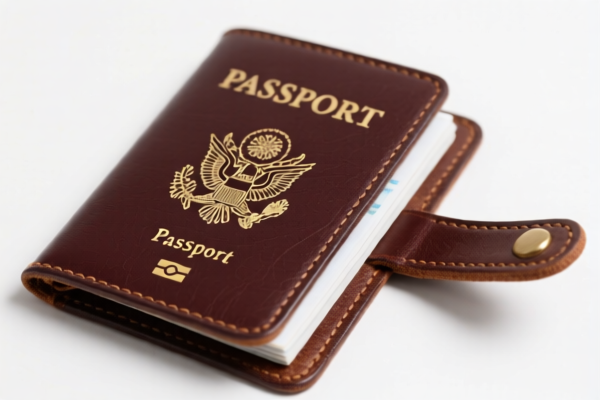
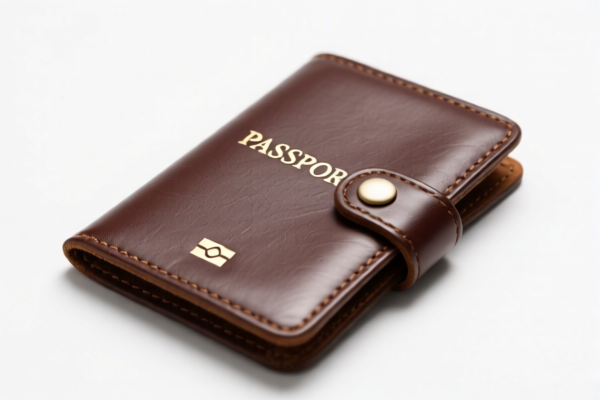
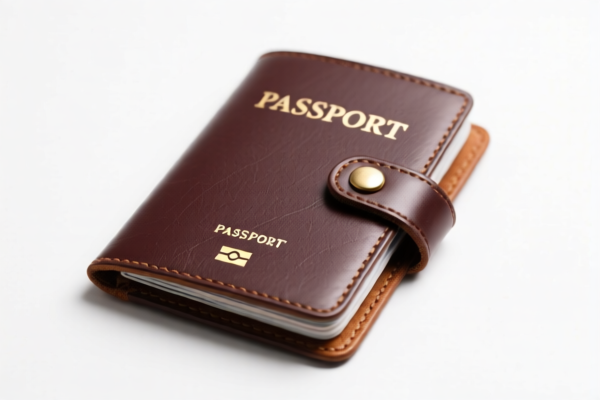
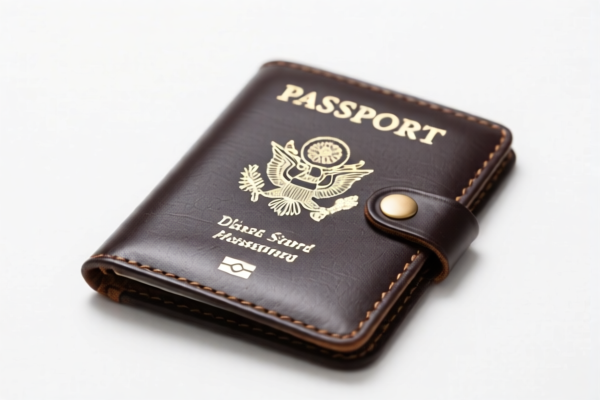
AI Analysis
🛂 Plastic Laminated Passport Holder: HS Code Classification & Customs Clearance Guide
🌐 HS Code Reference & Customs Clearance Strategy | 2026 Latest Tariff Analysis | Expert-Level Compliance
📌 I. Product Definition & Classification: Do You Really Know What This Is?
A Plastic Laminated Passport Holder is a personal accessory used to store and protect passport documents. In international trade, its classification is highly sensitive due to the ambiguity of its material composition (paper vs. plastic) and its functional identity (stationery vs. leather goods/containers).
Based on the provided data, there are five potential HS Code classifications, ranging from stationery to plastic accessories. The choice depends heavily on how customs authorities interpret the "laminated" nature (is it paper treated with plastic, or plastic sheets bonded together?).
⚠️ Key Distinction Point:
- If viewed as Paper/Cardboard with a plastic coating → Chapter 48 (Lower Duty: 35%)
- If viewed as Plastic/Leather-like container → Chapter 42 or 39 (Varies: 12.1% or 22.8% or 55%)
📦 II. HS Code Classification Details (2026 Latest Tariff Authority Comparison)
| HS Code | Product Description Logic | Primary Material Interpretation | Duty Rate (Total) | Tax Detail Breakdown |
|---|---|---|---|---|
4820.30.00.40 |
Other folders and covers; classified as plastic-laminated paper, falling under paper/cardboard category logic. | Paper/Cardboard (with plastic lamination) | 35.0% | Base: 0% Section 301: 25% Section 122: 10% |
4202.32.10.00 |
Articles of apparel or clothing accessories, pocket-size containers; classified as laminated plastic suitable for carrying in pockets/purses. | Layered Plastic / Synthetic Material | 12.1¢/kg + 4.6% + 35.0% | Base: 12.1¢/kg + 4.6% Section 301: 25% Section 122: 10% |
4820.90.00.00 |
Other books, blank books, etc.; classified as paper/cardboard stationery items like passport covers. | Paper/Cardboard (Stationery logic) | 35.0% | Base: 0% Section 301: 25% Section 122: 10% |
3926.90.99.89 |
Other articles of plastics; classified as plastic laminated passport holder falling under general plastic products. | Plastic (General Plastic Product) | 22.8% | Base: 5.3% Section 301: 7.5% Section 122: 10% |
4202.32.20.00 |
Other articles of plastics or textile materials, pocket-size containers; classified as outer surface of plastic sheet made containers. | Plastic Sheet / Plastic Material | 55.0% | Base: 20.0% Section 301: 25% Section 122: 10% |
🔍 Critical Insight:
- Cheapest Duty:3926.90.99.89at 22.8% (if accepted as general plastic).
- Highest Duty:4202.32.20.00at 55.0% (strict interpretation of "plastic sheet containers").
- Complex Calculation:4202.32.10.00has a mixed duty (Ad Valorem + Specific), requiring weight-based calculation.
- Paper Logic:4820.xxxxcodes assume the item is fundamentally paper with plastic lamination, resulting in a flat 35%.
💰 III. 2026 Latest Tariff Rate Details (Including Surcharges & Policy Add-ons)
✅ Applicable Country: United States (US)
✅ Origin: China (CN) (Inferred from Section 122/301 references)
✅ Effective Time: Current regulations (2025-2026)
🎯 1. 4820.30.00.40 & 4820.90.00.00 —— Paper-Based Classification (Stationery Logic)
| Item | Content |
|---|---|
| Base Tariff | 0% (ad valorem) |
| USITC Surcharge (Section 301) | +25% |
| Section 122 Tariff | +10% |
| Total Rate | 35.0% |
| Calculation Method | CIF Value × 35% |
| De Minimis Eligibility | ❌ No (High duty rate typically denies de minimis for this HS range if flagged) |
| Legal Basis | USITC:4820.30.00.40 → SECTION301:25% → SECTION122:10% |
📌 Explanation:
- These codes treat the passport holder as stationery/paper goods.
- The "laminated" aspect is ignored for classification, treating it as paper with a finish.
- 35% is a moderate-to-high rate, significantly cheaper than the 55% plastic container rate but more expensive than the 22.8% general plastic rate.
🎯 2. 3926.90.99.89 —— General Plastic Product Classification
| Item | Content |
|---|---|
| Base Tariff | 5.3% |
| USITC Surcharge (Section 301) | +7.5% (Note: Lower than typical 25% for specific plastic categories) |
| Section 122 Tariff | +10% |
| Total Rate | 22.8% |
| Calculation Method | CIF Value × 22.8% |
| De Minimis Eligibility | ❌ No (Likely excluded due to Section 301/122 applicability) |
| Legal Basis | USITC:3926.90.99.89 → SECTION301:7.5% → SECTION122:10% |
📌 Explanation:
- This is the most cost-effective classification for "Plastic Laminated" items if customs accepts them as general plastic articles.
- The Section 301 rate here is notably lower (7.5%) compared to the 25% in other codes, possibly due to specific exclusion lists or subheading nuances.
- Recommendation: Attempt to justify this classification by emphasizing the plastic content over the paper core.
🎯 3. 4202.32.10.00 —— Pocket-Sized Plastic Container
| Item | Content |
|---|---|
| Base Tariff | 12.1¢/kg + 4.6% |
| USITC Surcharge (Section 301) | +25% |
| Section 122 Tariff | +10% |
| Total Rate | Complex (Specific + Ad Valorem) |
| Calculation Method | (Weight × 12.1¢) + (CIF Value × 4.6% + 25% + 10%) |
| De Minimis Eligibility | ❌ No |
| Legal Basis | USITC:4202.32.10.00 → SECTION301:25% → SECTION122:10% |
📌 Explanation:
- This code treats the item as a travel accessory/container.
- The duty is a mix of weight-based and value-based. For light passport holders, the specific duty (12.1¢/kg) is negligible, but the 35% total ad valorem equivalent makes it similar to the paper classification.
- Risk: Customs may audit weight declarations.
🎯 4. 4202.32.20.00 —— Plastic Sheet Container (Highest Risk)
| Item | Content |
|---|---|
| Base Tariff | 20.0% |
| USITC Surcharge (Section 301) | +25% |
| Section 122 Tariff | +10% |
| Total Rate | 55.0% |
| Calculation Method | CIF Value × 55.0% |
| De Minimis Eligibility | ❌ No |
| Legal Basis | USITC:4202.32.20.00 → SECTION301:25% → SECTION122:10% |
📌 Explanation:
- This is the wor-case scenario.
- Customs views the item as a container made of plastic sheets (Chapter 42 logic for leather goods analogs).
- Avoid this code unless explicitly required by the specific product structure.
🛠️ IV. Customs Clearance Practical Advice (Battle-Tested Guide)
✅ 1. Preparation Checklist (Mandatory)
| Document | Required | Explanation |
|---|---|---|
| ✅ Product Composition Report | ✔️ | Must specify: "Paper core with PVC/Plastic lamination" vs. "Full plastic construction". |
| ✅ Product Photos | ✔️ | Show texture. If it looks like plastic, argue for 3926.90.99.89. If it looks like paper with a sheen, argue for 4820.xxxx. |
| ✅ Commercial Invoice | ✔️ | Description should be neutral: "Travel Document Holder" or "Passport Cover". Avoid overly specific "Plastic" or "Paper" terms if aiming for flexibility. |
| ✅ Packing List | ✔️ | Include net weight (critical for 4202.32.10.00). |
| ✅ Material Safety Data Sheet (MSDS) | ✔️ | If claiming plastic, ensure no hazardous substances. |
✅ 2. Declaration Strategy (Key Tips)
🔥 "Material is King, Form is Queen: Choose Your Battle!"
| Scenario | Recommended HS Code | Reasoning | Risk |
|---|---|---|---|
| Goal: Lowest Duty | 3926.90.99.89 |
Argue it is a "General Plastic Article". | Medium (CBP may reclassify as 4820 or 4202) |
| Safe/Neutral | 4820.30.00.40 |
Argue it is a "Paper Folder/Cover". | Low (Common for laminated papers) |
| Travel Accessory | 4202.32.10.00 |
Argue it is a "Pocket-sized container". | Medium (Weight declaration required) |
| Avoid at All Costs | 4202.32.20.00 |
High duty (55%). | High |
✅ 3. Special Cases
| Case | Handling Advice |
|---|---|
| Mixed Material (Paper + Plastic) | Provide a material breakdown ratio. If plastic >50%, push for 3926 or 4202. If paper >50%, push for 4820. |
| OEM/Custom Design | Include design files showing the primary layer is plastic or paper. |
| Bulk Import (De Minimis) | Note: With duties >22%, Section 321 De Minimis ($800) is likely NOT applicable if classified under these specific high-duty HS codes. Check current CBP enforcement trends on Section 122 items. |
🌍 V. Global Market Comparison (2026 Latest)
| Country/Region | Recommended HS Code | Estimated Duty | Certification | Notes |
|---|---|---|---|---|
| 🇺🇸 USA | 3926.90.99.89 or 4820.30.00.40 |
22.8% - 35.0% | None Specific | High Section 122/301 impact. USA is the most complex market for this item. |
| 🇨🇳 China | 4202.32.90.00 |
~10-15% | None | Lower surcharges. |
| 🇪🇺 EU | 4202.32.00.00 or 3926.90.97.00 |
0-4% (Most Free) | REACH | No Section 301/122 equivalents. |
| 🇬🇧 UK | 4202.32.00.00 |
4% | UKCA | Post-Brexit trade deals may apply. |
📌 Conclusion:
- The USA imposes the highest barriers due to Section 122 (10%) and Section 301 (7.5%-25%) tariffs.
- Strategy: Competitors often use3926.90.99.89to minimize costs. If CBP challenges this, the fallback is4820.30.00.40(35%).
📌 VI. Common Errors & Pitfalls (Blood Lessons)
❌ Error 1: Using "Passport Holder" without specifying material.
👉 Consequence: CBP assigns default "Leather/Plastic" codes (4202.32.20.00) → 55% Duty!
❌ Error 2: Misdeclaring "Plastic" when it's paper-based.
👉 Consequence: Audit for fraud, back taxes, and penalties.
❌ Error 3: Ignoring Section 122.
👉 Consequence: Many importers forget the 10% Section 122 tariff on certain plastics/paper imports from China, leading to surprise bills.
❌ Error 4: Assuming De Minimis applies.
👉 Consequence: If the HS code is flagged for Section 301/122, the $800 exemption does not apply. Shipments will be held.
✅ Correct Practice:
"Travel Document Holder, Laminated Plastic-Coated Paper, Model XYZ, for Personal Use"
🎯 VII. Conclusion: Precision Classification Saves Money
🎯 Remember the Mantra:
🔹 "Plastic Logic = 22.8% (Best Case)"
🔹 "Paper Logic = 35.0% (Safe Case)"
🔹 "Leather/Container Logic = 55.0% (Worst Case)"
🔹 "Don't Ignore Section 122: It's Always +10%!"
📌 Pro Tip:
If you are shipping to the US, request a Binding Ruling from CBP if your volume is high. Paying $500-$1000 for a ruling can save thousands in duties on 4202.32.20.00 vs 3926.90.99.89.
📣 Immediate Action:
📞 Contact a Customs Broker to review your product samples.
📸 Provide High-Res Photos showing material texture.
📄 Verify Material Breakdown (Paper % vs. Plastic %).
✨ Professional Clearance Starts with Accurate Classification!
💼 Every 1% duty difference is pure profit! Optimize Today!
Customer Reviews
About HS Code Classification
The Harmonized System (HS) is an internationally standardized nomenclature developed by the World Customs Organization (WCO) to classify traded products. Over 200 countries use the HS system as the basis for customs tariffs, trade statistics, and import/export regulations.
Each HS code follows a hierarchical structure:
- Chapter (2 digits) — Broad category of goods (e.g., Chapter 84: Machinery and Mechanical Appliances)
- Heading (4 digits) — More specific grouping within the chapter
- Subheading (6 digits) — Internationally standardized breakdown, used by all WCO member countries
- National subdivisions (8-10 digits) — Country-specific extensions for further classification, such as US HTSUS 10-digit codes
Correct HS code classification is essential for smooth customs clearance, accurate duty payment, and compliance with trade regulations. Misclassification can lead to customs delays, overpayment of duties, or penalties.
When importing from CN to US, the applicable tariff rates may include:
- Most-Favored-Nation (MFN) rate — The standard duty rate applied to WTO members
- General rate — Applied to countries without trade agreements
- Trade remedy duties — Additional tariffs such as Section 301 (anti-dumping), Section 232 (national security), or countervailing duties
The information provided on this page is for reference purposes only. For official classification, please consult with your local customs authority or a licensed customs broker.