plastic laundry baskets
CN → US| HS Code | Tariff Rate | Origin | Destination | Doc |
|---|---|---|---|---|
| 3926901000 | 20.9% | CN | US | Official Doc |
| 3926909989 | 22.8% | CN | US | Official Doc |
| 3924104000 | 13.4% | CN | US | Official Doc |
| 7326908688 | 87.9% | CN | US | Official Doc |
| 4602191800 | 39.5% | CN | US | Official Doc |
Product Images
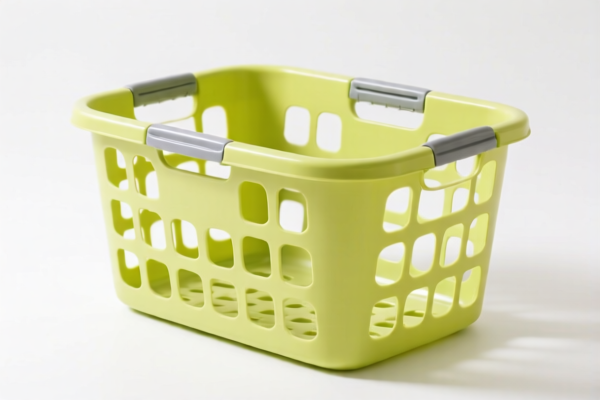
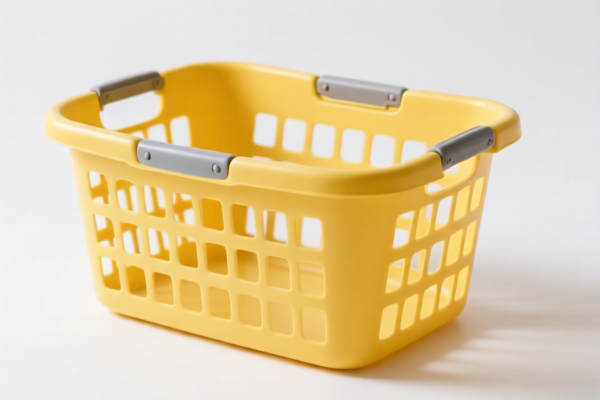
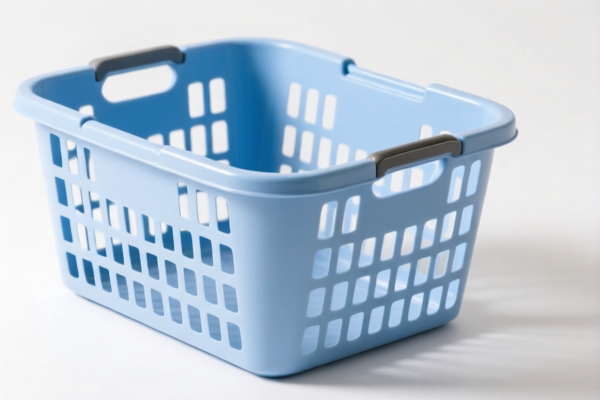
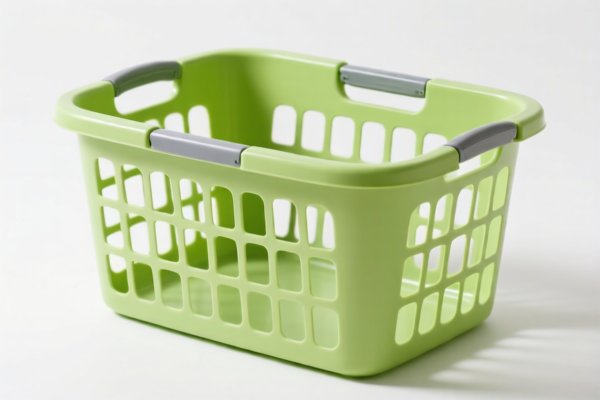
AI Analysis
🧺 Plastic Laundry Baskets (Wicker-style, Collapsible, or Rigid)
🌐 HS Code Classification & Customs Clearance Guide | 2026 Tax Analysis | Professional Strategy
📌 I. Product Definition: What Exactly Is a "Laundry Basket"?
A laundry basket is a container used for storing dirty or clean laundry. However, in international trade, material composition and manufacturing process are the sole determinants of the HS Code. Even if the function is identical (holding clothes), the material shifts the classification entirely, leading to drastically different tax liabilities.
⚠️ Critical Distinction:
- Plastic: Classified under Chapter 39 (Plastics) or Chapter 39/32 overlap for specific home goods.
- Metal (Steel/Iron): Classified under Chapter 73 (Articles of Iron or Steel).
- Plant Material (Wicker/Bamboo/Rattan): Classified under Chapter 46 (Manufactures of straw, of vegetable plaiting materials).Misclassification Risk: Declaring a metal basket as plastic to avoid high tariffs can lead to severe penalties, duty evasion charges, and shipment seizure.
📦 II. HS Code Classification Matrix (Based on Material)
Based on the provided data, here are the specific classifications for Laundry Baskets. Note that while the user input is "Plastic Laundry Baskets," the market contains variants in other materials. The analysis below covers the Plastic variants primarily, followed by Non-Plastic comparisons for context.
✅ Primary: Plastic Variants
| HS Code | Product Description | Material | Key Characteristics |
|---|---|---|---|
| 3926.90.10.00 | Plastic Laundry Basket (Container Type) | Plastic | Specifically classified as a "container." Often rigid, molded, or specific storage bins. |
| 3926.90.99.89 | Plastic Laundry Basket (Other Article) | Plastic | A "catch-all" for plastic articles not specified elsewhere. Often used for flexible, collapsible, or decorative plastic baskets. |
| 3924.10.40.00 | Plastic Drainage Basket / Household Item | Plastic | Technically a "kitchenware/household item" (Chapter 39/32 overlap logic). Used if the basket has specific drainage features or is marketed as a multi-purpose household organizer rather than just a laundry hamper. |
⚠️ Non-Plastic Variants (For Comparison/Avoidance)
| HS Code | Product Description | Material | Tax Implication |
|---|---|---|---|
| 7326.90.86.88 | Steel/Iron Laundry Basket | Metal | 🚨 HIGH TAX ALERT: 87.9% Total. |
| 4602.19.18.00 | Woven Plant Material Basket | Bamboo/Rattan/Straw | 🚨 HIGH TAX ALERT: 39.5% Total. |
💰 III. 2026 Tariff Rate Breakdown (USA Import from China)
✅ Destination: United States (US)
✅ Origin: China (CN)
✅ Applicable Regime: Section 301 + Section 122 + Base Duties
🎯 1. 3926.90.10.00 – Plastic Laundry Basket (Container Class)
Best for: Rigid, molded plastic hampers.
| Item | Detail |
|---|---|
| Base Duty | 3.4% |
| Section 301 Surcharge | 7.5% |
| Section 122 Surcharge | 10.0% |
| Total Tax Rate | 20.9% |
| Calculation | CIF Value × 20.9% |
| De Minimis Eligibility | ❌ No (Subject to full duties upon entry if value exceeds exemption thresholds, though typically baskets are high-volume/low-value, they are often caught in bulk shipments). |
📌 Explanation:
- This code is favored for standard plastic laundry hampers because it falls under "Other Articles of Plastics."
- The 10% Section 122 tariff is a specific add-on for certain consumer goods, significantly impacting this category.
🎯 2. 3926.90.99.89 – Plastic Laundry Basket (Other/General)
Best for: Collapsible, fabric-backed plastic, or decorative plastic baskets.
| Item | Detail |
|---|---|
| Base Duty | 5.3% |
| Section 301 Surcharge | 7.5% |
| Section 122 Surcharge | 10.0% |
| Total Tax Rate | 22.8% |
| Calculation | CIF Value × 22.8% |
| De Minimis Eligibility | ❌ No |
📌 Explanation:
- Slightly higher base duty (5.3% vs 3.4%) compared to the "container" classification.
- Use this if the basket does not strictly fit the "container" definition (e.g., if it has non-plastic handles, fabric liners, or is a "folding" design that blurs the line between container and general article).
🎯 3. 3924.10.40.00 – Plastic Household/Kitchen Basket
Best for: Baskets with specific drainage holes or dual-purpose use (laundry + kitchen waste).
| Item | Detail |
|---|---|
| Base Duty | 3.4% |
| Section 301 Surcharge | 0.0% |
| Section 122 Surcharge | 10.0% |
| Total Tax Rate | 13.4% |
| Calculation | CIF Value × 13.4% |
| De Minimis Eligibility | ❌ No |
📌 Explanation:
- Lowest Tax Rate among plastic options!
- Risk Factor: This classification relies on the item being viewed as a "household/kitchen" utensil rather than a "laundry" item.
- Strategy: If your product is a plastic basket with holes (for drainage) and marketed as a "multi-purpose organizer," you might argue for this code. However, if customs determines it is primarily for laundry, they may reclassify it to 3926.90.10.00 (20.9%). Only use this if the product design strongly supports "kitchen/household" use (e.g., salad spinner style, drain basket).
🚨 Critical Comparison: Why Material Matters
| Material | HS Code | Total Tax | Strategy |
|---|---|---|---|
| Plastic (Container) | 3926.90.10.00 | 20.9% | ✅ Recommended for standard plastic hampers. |
| Plastic (Other) | 3926.90.99.89 | 22.8% | ⚠️ Use only if 3926.90.10.00 doesn't fit. |
| Plastic (Drainage/Household) | 3924.10.40.00 | 13.4% | ✅✅ Lowest Tax, but requires strong "kitchen/home" design/marketing. High risk of reclassification. |
| Steel/Iron | 7326.90.86.88 | 87.9% | ❌ AVOID if possible. Extremely high tariff due to Section 301 (25%) + Aluminum/Steel surcharge (50%). |
| Wicker/Plant | 4602.19.18.00 | 39.5% | ❌ High Tax. Subject to 25% Section 301. |
🛠️ IV. Customs Clearance Practical Advice
✅ 1. Documentation Checklist
| Document | Required? | Notes |
|---|---|---|
| Commercial Invoice | ✅ | Must clearly state "Laundry Basket, Plastic." Do not use vague terms like "Storage Bin" if it's clearly for laundry. |
| Packing List | ✅ | Detail the number of units, gross weight, and dimensions. |
| Product Photos | ✅ | Crucial: Show the basket from multiple angles. Highlight material texture (plastic vs. woven). If using code 3924.10.40.00, highlight drainage holes or kitchen-style features. |
| Material Certificate | ✅ | Confirm 100% plastic composition (e.g., PP, PE). If it has metal handles or fabric liners, it may be disqualified from plastic codes. |
| Labeling | ✅ | "Made in China." |
✅ 2. Classification Strategy (The "How-To")
-
For Standard Rigid Plastic Hampers:
→ Use 3926.90.10.00.
→ Reason: It is explicitly a "container" made of plastic.
→ Tax: 20.9%. -
For Collapsible/Flexible Plastic Baskets:
→ Use 3926.90.99.89.
→ Reason: Not a rigid "container" in the traditional sense.
→ Tax: 22.8%. -
For Plastic Baskets with Drainage (The "Tax Hack" Attempt):
→ Consider 3924.10.40.00.
→ Warning: Only if the basket is marketed as a "multi-purpose household organizer" or "kitchen drain basket."
→ Tax: 13.4%.
→ Risk: If customs officer sees "Laundry" in the name or usage, they will reclassify to 3926.90.10.00. Use with caution. -
Avoid Metal and Wicker:
→ Do not import steel or bamboo baskets if your primary goal is cost efficiency. The taxes (87.9% and 39.5%) are prohibitive for low-margin goods.
✅ 3. Common Pitfalls to Avoid
| Mistake | Consequence | Solution |
|---|---|---|
| Misdeclaring Plastic as Steel | Underpayment of duties → Audit & Penalties | Ensure material is accurately stated. |
| Using 3924.10.40.00 for Standard Laundry Baskets | Customs Rejection → Back duties + 10% penalty | Only use 3924.10.40.00 for drainage/kitchen-style baskets. |
| Ignoring Section 122 | Unexpected 10% charge at border | Budget for 10% Section 122 in all plastic codes. |
| Missing Material Certificate | Customs Hold → Delayed Release | Provide proof of 100% plastic composition. |
📌 V. Final Recommendation
For most importers of Plastic Laundry Baskets:
-
Safest Bet: 3926.90.10.00 (20.9% Tax).
- Easy to justify as a "plastic container."
- Moderate tax rate.
-
Aggressive (But Risky) Bet: 3924.10.40.00 (13.4% Tax).
- Only if the product has drainage holes and is marketed as a household organizer or kitchen accessory.
- Must be prepared to defend the classification if challenged.
-
Avoid: Metal (7326.90.86.88) and Wicker (4602.19.18.00) due to excessive taxation.
🚀 Pro Tip:
Always include high-resolution photos showing the plastic texture and any drainage features in your initial customs submission. If using the lower-tax 3924.10.40.00 code, include marketing materials that position the product as a "multi-purpose organizer" rather than strictly a "laundry hamper."
✨ Accurate Classification = Predictable Costs.
💼 Don't let customs misclassification eat your margin!
Customer Reviews
About HS Code Classification
The Harmonized System (HS) is an internationally standardized nomenclature developed by the World Customs Organization (WCO) to classify traded products. Over 200 countries use the HS system as the basis for customs tariffs, trade statistics, and import/export regulations.
Each HS code follows a hierarchical structure:
- Chapter (2 digits) — Broad category of goods (e.g., Chapter 84: Machinery and Mechanical Appliances)
- Heading (4 digits) — More specific grouping within the chapter
- Subheading (6 digits) — Internationally standardized breakdown, used by all WCO member countries
- National subdivisions (8-10 digits) — Country-specific extensions for further classification, such as US HTSUS 10-digit codes
Correct HS code classification is essential for smooth customs clearance, accurate duty payment, and compliance with trade regulations. Misclassification can lead to customs delays, overpayment of duties, or penalties.
When importing from CN to US, the applicable tariff rates may include:
- Most-Favored-Nation (MFN) rate — The standard duty rate applied to WTO members
- General rate — Applied to countries without trade agreements
- Trade remedy duties — Additional tariffs such as Section 301 (anti-dumping), Section 232 (national security), or countervailing duties
The information provided on this page is for reference purposes only. For official classification, please consult with your local customs authority or a licensed customs broker.