plastic paper covered id card holders
CN → US| HS Code | Tariff Rate | Origin | Destination | Doc |
|---|---|---|---|---|
| 4202399000 | 55.0% | CN | US | Official Doc |
| 4202995000 | 42.8% | CN | US | Official Doc |
| 3926909989 | 22.8% | CN | US | Official Doc |
| 3926908500 | 24.0% | CN | US | Official Doc |
| 4820900000 | 35.0% | CN | US | Official Doc |
| 4820300040 | 35.0% | CN | US | Official Doc |
Product Images
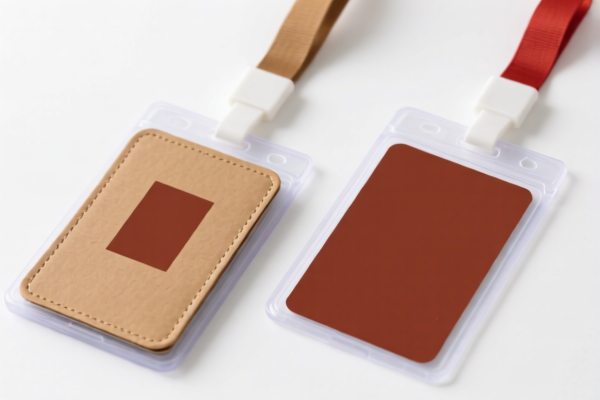
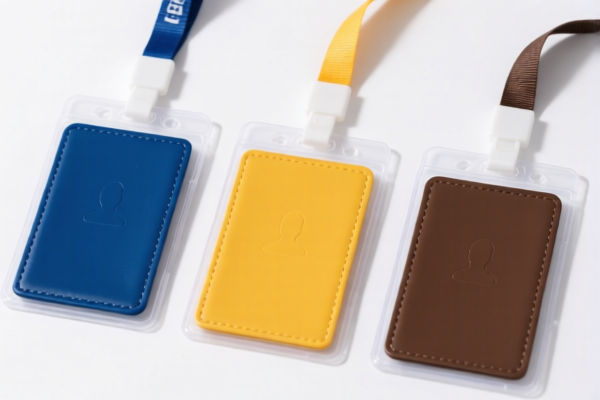
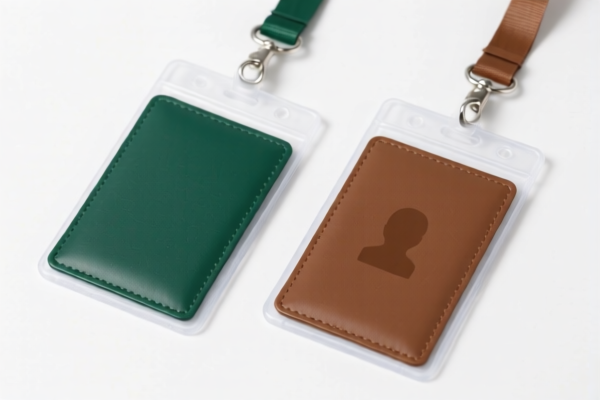
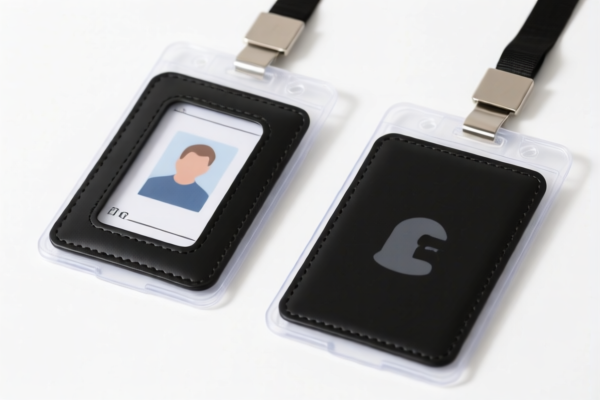
AI Analysis
💳 Plastic Paper-Covered ID Card Holders (Wallets/Purses of Mixed Materials)
🌐 HS Code Reference & Customs Clearance Guide | 2026 Latest Tariff Analysis | Professional Strategy
📌 I. Product Definition: What Exactly Are We Declaring?
Plastic paper-covered ID card holders are small containers designed to hold identification cards, credit cards, or access badges. In international trade, these items often fall under Chapter 42 (Articles of Leather; Saddle Harnesses and Harness Equipment) or Chapter 39 (Plastics), depending on their primary material construction.
The key distinction lies in the cover material and composition:
1. Leather/Textile/Plastic Sheet Covered: If the item is made of base materials (like leather, plastic sheeting, or textiles) and covered with paper, it may fall under Chapter 42.
2. Pure Plastic: If the item is entirely plastic or predominantly plastic without a significant "paper covering" component that defines its character, it falls under Chapter 39.
⚠️ Critical Classification Point:
- If the product is described as "paper-covered" but is primarily a small container of leather, composition leather, plastic sheeting, textile materials, vulcanized fiber, or paperboard, it is classified under Heading 4202.
- If it is a pure plastic wallet/pouch without significant leather/textile components, it falls under Heading 3926.
📦 II. HS Code Classification Details (2026 Tariff Authority Cross-Reference)
Based on the provided data, here are the relevant HS Codes and their descriptions:
| HS Code | Product Description | Applicable Scenario | Material Composition |
|---|---|---|---|
4202.39.90.00 |
Trunks, suitcases, vanity cases, attache cases, briefcases, school satchels, spectacle cases, binocular cases, camera cases, musical instrument cases, gun cases, holsters and similar containers; traveling bags, insulated food or beverage bags, toiletry bags, knapsacks and backpacks, handbags, shopping bags, wallets, purses, map cases, cigarette cases, tobacco pouches, tool bags, sports bags, bottle cases, jewelry boxes, powder cases, cutlery cases and similar containers, of leather or of composition leather, of sheeting of plastics, of textile materials, of vulcanized fiber or of paperboard, or wholly or mainly covered with such materials or with paper: Articles of a kind normally carried in the pocket or in the handbag: Other: Other | Small ID card holders, card wallets, coin purses that fit in pockets | Leather, Plastic Sheeting, Textile, Vulc. Fiber, Paperboard, or Covered with Paper |
4202.99.50.00 |
... Other: Other: Of materials (other than leather, composition leather, sheeting of plastics, textile materials, vulcanized fiber or paperboard) wholly or mainly covered with paper: Other | ID card holders where the base material is not one of the listed materials (e.g., wood, metal, rubber) but is covered with paper | Base Material + Paper Cover |
3926.90.99.89 |
Other articles of plastics and articles of other materials of headings 3901 to 3914: Other: Other | Pure plastic ID holders, plastic sleeves, or non-specific plastic articles | 100% Plastic or Plastic-dominant |
3926.90.85.00 |
Other articles of plastics and articles of other materials of headings 3901 to 3914: Other: Fasteners, in clips suitable for use in a mechanical attaching device | If the ID holder uses a specific plastic clip mechanism | Plastic Clip/Fastener |
🔍 Key Distinction:
- "Paper-Covered" is the Keyword: If the product is explicitly "paper-covered" and contains materials like leather, plastic sheeting, or textile, it leans towards 4202.
- Pure Plastic: If it's just a clear plastic sleeve or a molded plastic holder with no leather/textile/paperboard component, it likely falls under 3926.90.99.89.
- 4202.39.90.00 is the most common for standard "wallets/purses" including card holders made of leather, plastic sheeting, or textile.
💰 III. 2026 Latest Tariff Rate Details (Including Surtaxes)
✅ Applicable Country: United States (US)
✅ Origin: China (CN)
✅ Effective Time: Current rates apply (see details below)
🎯 1. 4202.39.90.00 – Wallets/Purses (Including ID Card Holders of Leather/Plastic Sheet/Textile)
| Item | Content |
|---|---|
| Base Tariff | 0.0% (ad valorem) |
| Section 301 Surtax | 25.0% |
| Total Tariff Rate | 25.0% |
| Tax Calculation | CIF Value × 25% |
| De Minimis Exemption | ❌ Not Applicable (If value > $800, standard duties apply; if < $800, may be exempt under Section 321, but Section 301 surtaxes often still apply depending on CBP interpretation) |
| Legal Basis | USITC Tariff Schedule: 4202.39.90.00 + Section 301 Footnote |
📌 Explanation:
- This is the most likely classification for leather, faux leather, or plastic-sheeted card holders/wallets.
- 0% base duty makes it attractive, but the 25% surtax is significant.
- No additional IEEPA tax listed in the provided data for this code (unlike electronics).
🎯 2. 4202.99.50.00 – Other Containers Covered with Paper (Non-Standard Materials)
| Item | Content |
|---|---|
| Base Tariff | 0.0% |
| Section 301 Surtax | 0.0% |
| Total Tariff Rate | 0.0% |
| Tax Calculation | CIF Value × 0% |
| De Minimis Exemption | N/A (0% duty) |
| Legal Basis | USITC Tariff Schedule: 4202.99.50.00 |
📌 Note:
- This code is for items made of materials other than leather, plastic sheeting, textile, etc., but covered with paper.
- Very rare for standard ID holders. Only apply if the base material is unusual (e.g., bamboo, metal) and wrapped in paper.
- Benefit: 0% Total Duty if correctly classified.
🎯 3. 3926.90.99.89 – Other Plastic Articles
| Item | Content |
|---|---|
| Base Tariff | 5.3% |
| Section 301 Surtax | 7.5% |
| Total Tariff Rate | 12.8% |
| Tax Calculation | CIF Value × 12.8% |
| De Minimis Exemption | ❌ Not Applicable (if > $800) |
| Legal Basis | USITC Tariff Schedule: 3926.90.99.89 |
📌 Note:
- Applies to pure plastic ID holders that don't fit other plastic categories.
- Lower than 4202.39.90.00 (12.8% vs 25%) if it's pure plastic.
🎯 4. 3926.90.85.00 – Plastic Fasteners/Clips
| Item | Content |
|---|---|
| Base Tariff | 6.5% |
| Section 301 Surtax | 7.5% |
| Total Tariff Rate | 14.0% |
| Tax Calculation | CIF Value × 14.0% |
| De Minimis Exemption | ❌ Not Applicable |
📌 Note:
- Only if the product is primarily a plastic clip/fastener for attaching devices. Not typical for general ID holders.
🛠️ IV. Customs Clearance Practical Advice (Pitfall Avoidance Guide)
✅ 1. Documentation Checklist (Mandatory)
| Document | Required | Description |
|---|---|---|
| ✅ Product Specification Sheet | ✔️ | Material breakdown: e.g., "Outer: PVC Plastic Sheeting, Inner: Polyester Lining" |
| ✅ Photos (Front/Back/Inside) | ✔️ | Show if it's a "wallet" style or "sleeve" style. Label should say "ID Card Holder" or "Wallet". |
| ✅ Commercial Invoice | ✔️ | Clearly state "Plastic Paper-Covered ID Card Holder". Avoid vague terms like "Plastic Part". |
| ✅ Packing List | ✔️ | Weight and dimensions of each unit. |
| ✅ Material Declaration | ✔️ | Specify if it contains leather, plastic sheeting, textile, or paperboard. |
✅ 2. Classification Strategy (Key Mnemonic)
🔥 "Leather/Plastic Sheeting = 4202 (25%); Pure Plastic = 3926 (12.8%); Paper Cover + Non-Standard Base = 4202.99.50 (0%)"
| Scenario | Correct HS Code | Total Tax | Risk |
|---|---|---|---|
| Standard Faux Leather Card Holder | 4202.39.90.00 |
25% | Low (Common) |
| Pure Clear Plastic ID Sleeve | 3926.90.99.89 |
12.8% | Low (Common) |
| Canvas/Polyester Card Holder | 4202.39.90.00 |
25% | Low (Considered "Textile" covered) |
| Metal Card Holder Wrapped in Paper | 4202.99.50.00 |
0% | High (Must prove non-standard base material) |
✅ 3. Special Cases & Handling
| Case | Handling Advice |
|---|---|
| OEM Custom Print | If printing is on the outside, still classify by material. Do not classify as "printed matter" (4911) unless it's a paper document. |
| Mixed Materials | If it has plastic and leather, classify as 4202 (Chapter 42 overrides Chapter 39 for specific articles of Chapter 42). |
| Sample vs. Bulk | For samples < $200, de minimis may apply, but always declare accurately. |
🌍 V. Global Market Comparison (2026 Latest)
| Country/Region | Recommended HS Code | Tariff | Certification | Note |
|---|---|---|---|---|
| 🇺🇸 USA | 4202.39.90.00 |
25% | No specific | High surtax for leather/plastic sheeting. |
| 🇨🇳 China | 4202.39.90.00 |
8-10% | N/A | Lower base duty than US. |
| 🇪🇺 EU | 4202.39.90 |
12% | CE (if applicable) | No surtax. |
| 🇬🇧 UK | 4202.39.90 |
12% | N/A | Post-Brexit tariff aligns with EU. |
| 🇦🇺 Australia | 4202.39.90 |
5% | N/A | Lower tariff than US. |
📌 Conclusion:
- USA has the highest tariff burden for these items due to Section 301.
- Pure plastic (3926) is cheaper to import into the US (12.8%) than leather/plastic sheeting versions (25%).
- Consider sourcing from countries with FTA benefits if available.
📌 VI. Common Mistakes & Pitfalls (Lessons Learned)
❌ Mistake 1: Classifying a leather ID holder as 3926.90.99.89 (Plastic)
👉 Consequence: 25% tax instead of 12.8%? No, wait: Leather is 25%, Plastic is 12.8%. If you misclassify leather as plastic, you underpay 12.2%. CBP will assess back duties + penalties.
❌ Mistake 2: Classifying a pure plastic holder as 4202.39.90.00
👉 Consequence: Overpaying 12.2% (25% vs 12.8%). No penalty, but lost profit.
❌ Mistake 3: Describing it as "Plastic Part" or "Accessories"
👉 Consequence: Customs Delay for classification review.
✅ Correct Practice:
"ID Card Holder, Plastic, Faux Leather Exterior, Polyester Interior, Clear Window" →
4202.39.90.00
"ID Card Sleeve, 100% PVC Plastic, Transparent" →3926.90.99.89
🎯 VII. Conclusion: Smart Classification Saves Money!
🎯 Remember the Mnemonic:
🔹 "Leather/Sheeting = 4202 (25%); Pure Plastic = 3926 (12.8%); Paper+Non-Standard = 4202.99.50 (0%)"
🔹 "Don't call it a 'Plastic Part' – call it 'Wallet' or 'Holder' and specify material!"
📌 Pro Tip:
If your product is pure plastic, insist on
3926.90.99.89(12.8%) to save 12.2% compared to4202.39.90.00.
If it's faux leather or plastic sheeting, you're stuck with 25%. Consider plastic-only alternatives if cost-sensitive.
📣 Immediate Action:
📞 Verify material composition with supplier.
📸 Take clear photos of the interior lining.
📄 Submit for Pre-Ruling (Ruling Letter) if shipment value is high.
✨ Professional Clearance Starts with Accurate Classification!
💼 Every 1% of tax saved is 1% of profit gained!
Customer Reviews
About HS Code Classification
The Harmonized System (HS) is an internationally standardized nomenclature developed by the World Customs Organization (WCO) to classify traded products. Over 200 countries use the HS system as the basis for customs tariffs, trade statistics, and import/export regulations.
Each HS code follows a hierarchical structure:
- Chapter (2 digits) — Broad category of goods (e.g., Chapter 84: Machinery and Mechanical Appliances)
- Heading (4 digits) — More specific grouping within the chapter
- Subheading (6 digits) — Internationally standardized breakdown, used by all WCO member countries
- National subdivisions (8-10 digits) — Country-specific extensions for further classification, such as US HTSUS 10-digit codes
Correct HS code classification is essential for smooth customs clearance, accurate duty payment, and compliance with trade regulations. Misclassification can lead to customs delays, overpayment of duties, or penalties.
When importing from CN to US, the applicable tariff rates may include:
- Most-Favored-Nation (MFN) rate — The standard duty rate applied to WTO members
- General rate — Applied to countries without trade agreements
- Trade remedy duties — Additional tariffs such as Section 301 (anti-dumping), Section 232 (national security), or countervailing duties
The information provided on this page is for reference purposes only. For official classification, please consult with your local customs authority or a licensed customs broker.