plastic paper covered small item pouches
CN → US| HS Code | Tariff Rate | Origin | Destination | Doc |
|---|---|---|---|---|
| 4202221500 | 51.0% | CN | US | Official Doc |
| 4202929700 | 52.6% | CN | US | Official Doc |
| 3923210030 | 38.0% | CN | US | Official Doc |
| 6307909891 | 24.5% | CN | US | Official Doc |
| 6307908940 | 17.0% | CN | US | Official Doc |
Product Images
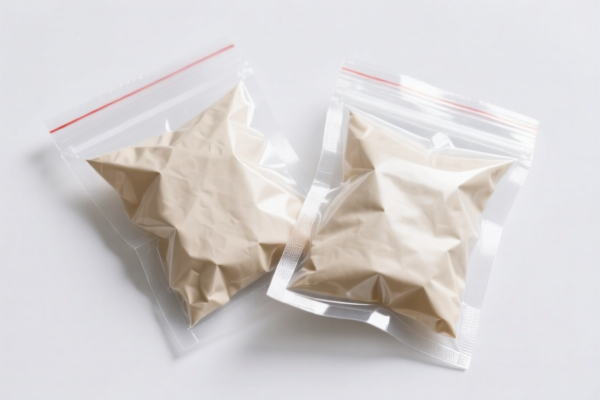
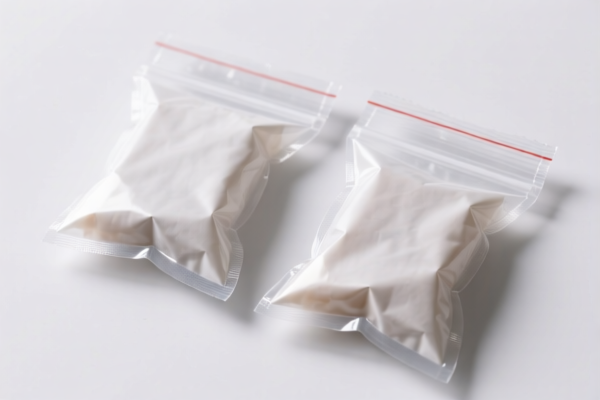
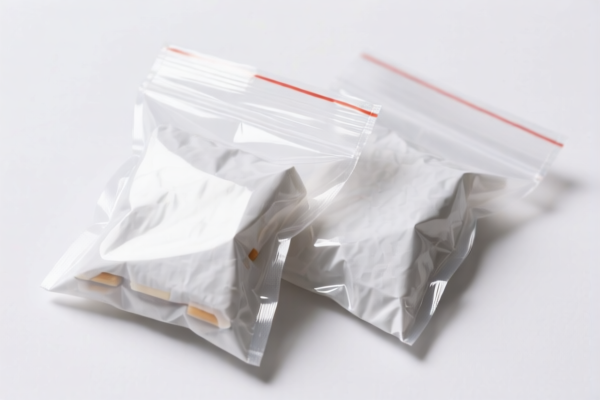
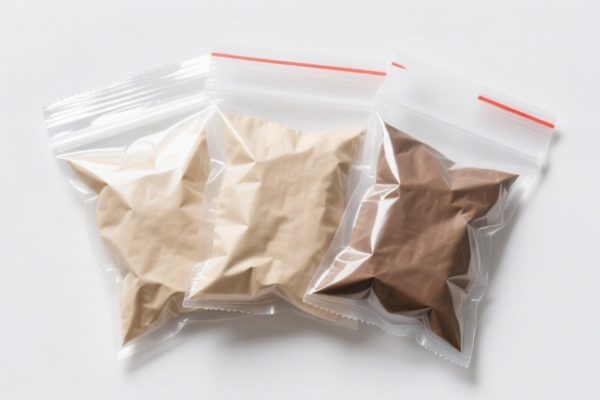
AI Analysis
🧳 Plastic Paper Covered Small Item Pouches: HS Code Classification & Customs Clearance Guide
🌐 HS Code Reference & Customs Clearance Guide | 2026 Latest Tariff Analysis | Professional Strategy
📌 I. Product Definition & Classification: What Exactly Are "Plastic Paper Covered Small Item Pouches"?
These products are small storage bags/pouches characterized by a composite material structure. The key distinction lies in the outer surface material and the intended use. In international trade, they fall into two main categories based on material composition:
- Plastic-Surfaced Pouches: The outer layer is plastic (e.g., PVC, PE, Vinyl), often laminated with paper or designed to look like paper. These are treated as articles of plastic or articles of leather/plastic substitutes.
- Textile/Cotton Pouches: If the "paper" description is a misnomer for a fabric texture, or if the item is actually made of cotton/cloth, it falls under textile articles.
⚠️ Key Distinction Point:
- If the outer surface is plastic (even if laminated with paper or textured like paper) → Classify under Chapter 42 (Articles of Leather; Plaastic/Synthetic Materials).
- If the material is actually Cotton/Textile → Classify under Chapter 63 (Other Made-Up Textile Articles).
- If it is a simple plastic bag/capsule without the structure of a "pouch" or "bag" → Classify under Chapter 39 (Plastics and Articles Thereof).
📦 II. HS Code Classification Details (2026 Latest Tariff Authority Mapping)
Based on the provided data, here are the four potential HS Codes, ranked by suitability and tax efficiency.
| HS Code | Product Description | Material/Morphology Match | Total Tax Rate (China→US) | Key Tax Components |
|--------|----------|----------|----------|
| 4202.22.15.00 | Plastic Sheets/Laminates: Pouches with outer surface of plastic sheets. | ✅ Best Match for "Plastic Paper Covered". Matches "Plastic" material requirement and "Bag/Pouch" form. | 51.0% | Base: 16.0% + Section 301: 25.0% + 122 Clause: 10.0% |
| 4202.92.97.00 | Other Articles of Plastic: Shopping bags, bottle bags, similar containers of plastic. | ✅ Strong Match. Matches "Plastic" material and "Bag/Pouch" utility. | 52.6% | Base: 17.6% + Section 301: 25.0% + 122 Clause: 10.0% |
| 3923.21.00.30 | Sacks/Bags of Plastics: Sacks and bags for packing, plastic film. | ⚠️ Fallback Option. Matches material (Plastic) and form (Bag/Capsule). Used if the item is deemed a simple "bag" rather than a structured "pouch". | 38.0% | Base: 3.0% + Section 301: 25.0% + 122 Clause: 10.0% |
| 6307.90.98.91 | Other Made-Up Textile Articles: Cotton small item bags. | ❌ Mismatch (If plastic). Only applicable if the product is Cotton. Low tax but high risk if misclassified. | 24.5% | Base: 7.0% + Section 301: 7.5% + 122 Clause: 10.0% |
| 6307.90.89.40 | Other Made-Up Textile Articles: Cotton small item bags (Specific Subcategory). | ❌ Mismatch (If plastic). Only applicable if the product is Cotton. | 17.0% | Base: 7.0% + Section 301: 0.0% + 122 Clause: 10.0% |
🔍 Critical Note:
- "Plastic Paper Covered" typically implies a plastic outer layer with a paper-like finish or lamination. This falls squarely under Chapter 42 (Articles of Plastic/Leather).
- Do NOT classify as Textile (6307) unless you can prove the primary material is cotton/fabric. Misclassification leads to significant penalties.
- Do NOT classify as simple Plastic Bags (3923) if the item has the structure of a pouch (handles, zippers, structured shape), as Chapter 42 is more specific for "bags/pouches" of this nature.
💰 III. 2026 Latest Tariff Rate Breakdown (Detailed Tax Policy Analysis)
✅ Applicable Country: United States (US)
✅ Origin: China (CN)
✅ Effective Date: November 10, 2025 (and subsequent imports)
🎯 1. 4202.22.15.00 — Plastic Sheets/Laminates (Recommended for Plastic-Surfaced Pouches)
| Item | Content |
|---|---|
| Base Tariff | 16.0% |
| Section 301 Tariff | +25.0% (USITC Footnote 9903.88.01) |
| Section 122 Tariff | +10.0% (USITC Footnote 9903.01.25) |
| Total Tariff | 51.0% |
| Calculation Basis | CIF Value × 51.0% |
| De Minimis Exemption | ❌ Not Eligible (Section 301 and 122 tariffs apply to all values) |
| Legal Path | IEEPA:9903.01.25 (122 Clause) → USITC:4202.22.15.00 → FOOTNOTE:9903.88.01 (301 Clause) |
📌 Explanation:
- This is the most accurate classification for "Plastic Paper Covered" pouches because the outer surface is plastic.
- The 51.0% rate is high but reflects the specific nature of the product as a finished article of plastic, not raw material.
🎯 2. 4202.92.97.00 — Other Plastic Articles (Shopping Bags, etc.)
| Item | Content |
|---|---|
| Base Tariff | 17.6% |
| Section 301 Tariff | +25.0% |
| Section 122 Tariff | +10.0% |
| Total Tariff | 52.6% |
| Calculation Basis | CIF Value × 52.6% |
| De Minimis Exemption | ❌ Not Eligible |
| Legal Path | IEEPA:9903.01.25 → USITC:4202.92.97.00 → FOOTNOTE:9903.88.01 |
📌 Note:
- This code is a fallback for plastic bags/pouches that don't fit specifically into "handbags" or "wallets" (4202.22).
- Avoid if4202.22.15.00is applicable, as it is 1.6% more expensive.
🎯 3. 3923.21.00.30 — Plastic Sacks/Bags (Fallback for Simple Bags)
| Item | Content |
|---|---|
| Base Tariff | 3.0% |
| Section 301 Tariff | +25.0% |
| Section 122 Tariff | +10.0% |
| Total Tariff | 38.0% |
| Calculation Basis | CIF Value × 38.0% |
| De Minimis Exemption | ❌ Not Eligible |
| Legal Path | IEEPA:9903.01.25 → USITC:3923.21.00.30 → FOOTNOTE:9903.88.01 |
📌 Warning:
- This code is cheaper (38.0%) but risky.
- It is intended for simple plastic sacks/bags (like produce bags or shipping sacks).
- If your "pouch" has structure, zippers, handles, or is marketed as a "small item bag" (not a sack), CBP may challenge this classification and reclassify to Chapter 42, leading to back taxes + penalties.
🎯 4. 6307.90.98.91 & 6307.90.89.40 — Cotton/Textile Pouches (ONLY if Material is Cotton)
| Item | Content |
|---|---|
| Base Tariff | 7.0% |
| Section 301 Tariff | 7.5% (or 0% for 6307.90.89.40) |
| Section 122 Tariff | +10.0% |
| Total Tariff | 24.5% (or 17.0%) |
| De Minimis Exemption | ❌ Not Eligible (Section 301/122 still apply to China) |
📌 Critical:
- DO NOT USE these codes if the product is Plastic.
- Only use if the product is 100% Cotton or Textile-based.
- If you misclassify plastic as cotton, the penalty for undervaluation/false declaration is severe.
🛠️ IV. Customs Clearance Practical Advice (Avoid Pitfalls)
✅ 1. Documentation Checklist (Must-Haves)
| Document | Required? | Purpose |
|---|---|---|
| ✅ Product Specification Sheet | ✔️ | Must clearly state: "Outer Surface: Plastic (PVC/PE/Vinyl)" or "Material: Cotton". Avoid vague terms like "Paper-Look". |
| ✅ Product Photos | ✔️ | Show the outer layer texture. If it cracks/bends like plastic, it’s plastic. |
| ✅ Bill of Lading / Invoice | ✔️ | Clearly describe as "Plastic Laminated Pouch" or "Vinyl Small Item Bag". |
| ✅ Material Composition Statement | ✔️ | Explicitly state: "100% Plastic Outer Layer, Paper Lamination Inside" if applicable. |
✅ 2. Declaration Tips (Key Mantras)
🔥 "Plastic Outer = Chapter 42; Simple Bag = Chapter 39; Cotton = Chapter 63."
| Scenario | Correct Declaration | Wrong Declaration | Risk |
|---|---|---|---|
| Pouch with Plastic Outer | 4202.22.15.00 |
3923.21.00.30 |
Penalty: CBP may reclassify to Chapter 42, leading to 13% higher tax + interest. |
| Simple Plastic Ziploc Bag | 3923.21.00.30 |
4202.22.15.00 |
Overpayment: Paying 51% instead of 38%. |
| Cotton Bag | 6307.90.98.91 |
4202.22.15.00 |
Penalty: False declaration. |
✅ 3. Special Handling
| Situation | Advice |
|---|---|
| "Paper-Look" Plastic | If the product is plastic but printed/finished to look like paper, still classify as Plastic (4202). CBP looks at the primary material of the outer surface. |
| Composite Materials | If the pouch has a plastic outer layer and cotton inner lining, the outer surface material determines classification. Chapter 42 applies. |
| De Minimis (Section 321) | NOT ELIGIBLE. Section 301 and 122 tariffs apply to all shipments from China, regardless of value ($800 de minimis threshold does not exempt these tariffs). |
🌍 V. Global Market Comparison (2026 Latest)
| Country/Region | Recommended HS Code | Tariff (China) | Notes |
|---|---|---|---|
| 🇺🇸 USA | 4202.22.15.00 |
51.0% | High tariff due to Section 301 + 122. |
| 🇨🇳 China | 4202.22.15.00 |
~5-10% | Low import tariff. |
| 🇪🇺 EU | 4202.22.15.00 |
~5% | No Section 301/122 equivalent. |
| 🇬🇧 UK | 4202.22.15.00 |
~5% | Post-Brexit tariff applies. |
📌 Conclusion:
- USA is the most expensive market due to 51.0% total tariff.
- Cost Optimization: Consider sourcing from Vietnam, Mexico, or Thailand to avoid US Section 301/122 tariffs (if applicable).
- Pre-Ruling: Apply for an Advance Ruling from CBP to confirm4202.22.15.00vs.3923.21.00.30to avoid disputes.
📌 VI. Common Mistakes & Pitfalls (Blood & Tears Lessons)
❌ Mistake 1: Declaring "Plastic Paper Pouch" as "Cotton Bag" (6307) to save tax.
👉 Result: CBP inspection reveals plastic. Back taxes + 5x penalty.
❌ Mistake 2: Declaring structured pouches as "Plastic Bags" (3923) to pay 38% instead of 51%.
👉 Result: CBP argues it's a "pouch" not a "sack". Reclassification to 4202 + interest.
❌ Mistake 3: Assuming Section 321 ($800 de minimis) exempts Section 301/122 tariffs.
👉 Result: Section 301 and 122 apply to ALL shipments from China, even under $800.
✅ Correct Practice:
"Plastic Laminated Pouch, Outer Surface: PVC, For Small Items, Model XYZ, HS Code 4202.22.15.00"
🎯 VII. Conclusion: Precision in Classification Saves Money!
🎯 Remember:
🔹 "Plastic Outer = Chapter 42 (51%);
🔹 "Simple Bag = Chapter 39 (38%);
🔹 "Cotton = Chapter 63 (17-24%);
🔹 "Misclassification = Penalties!""
📌 Pro Tip:
If your product is plastic but you want to avoid the 51% tariff, consider:
1. Sourcing from non-China countries (Vietnam, Mexico, etc.).
2. Applying for an Exclusion (if available).
3. Structuring the product as a simple "plastic sack" (3923) if possible (risky, requires strong justification).
📣 Immediate Action:
📞 Consult a Customs Broker + Provide Product Samples + Apply for CBP Pre-Ruling.
🚀 Ensure Smooth Customs Clearance, Avoid Surprises, Maximize Profit!
✨ Professional Clearance Starts with Accurate Classification!
💼 Every Dollar Saved on Tariffs is Pure Profit!
Customer Reviews
About HS Code Classification
The Harmonized System (HS) is an internationally standardized nomenclature developed by the World Customs Organization (WCO) to classify traded products. Over 200 countries use the HS system as the basis for customs tariffs, trade statistics, and import/export regulations.
Each HS code follows a hierarchical structure:
- Chapter (2 digits) — Broad category of goods (e.g., Chapter 84: Machinery and Mechanical Appliances)
- Heading (4 digits) — More specific grouping within the chapter
- Subheading (6 digits) — Internationally standardized breakdown, used by all WCO member countries
- National subdivisions (8-10 digits) — Country-specific extensions for further classification, such as US HTSUS 10-digit codes
Correct HS code classification is essential for smooth customs clearance, accurate duty payment, and compliance with trade regulations. Misclassification can lead to customs delays, overpayment of duties, or penalties.
When importing from CN to US, the applicable tariff rates may include:
- Most-Favored-Nation (MFN) rate — The standard duty rate applied to WTO members
- General rate — Applied to countries without trade agreements
- Trade remedy duties — Additional tariffs such as Section 301 (anti-dumping), Section 232 (national security), or countervailing duties
The information provided on this page is for reference purposes only. For official classification, please consult with your local customs authority or a licensed customs broker.