plastic rubber bands for stationery
CN → US| HS Code | Tariff Rate | Origin | Destination | Doc |
|---|---|---|---|---|
| 3926909905 | 22.8% | CN | US | Official Doc |
| 3926909989 | 22.8% | CN | US | Official Doc |
Product Images
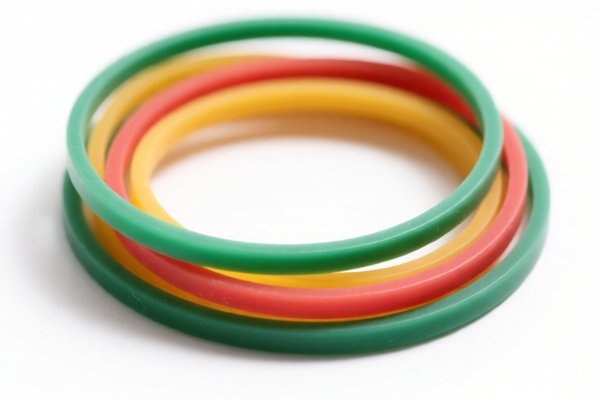
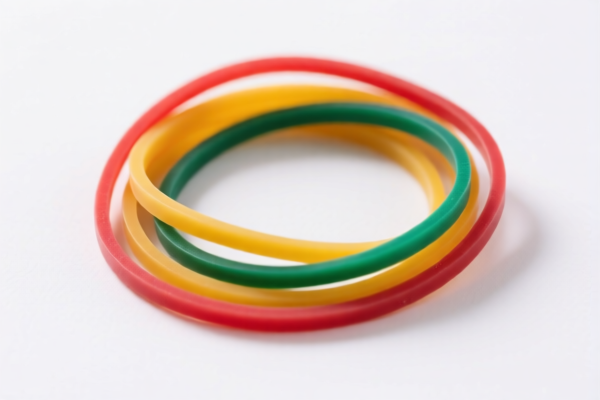
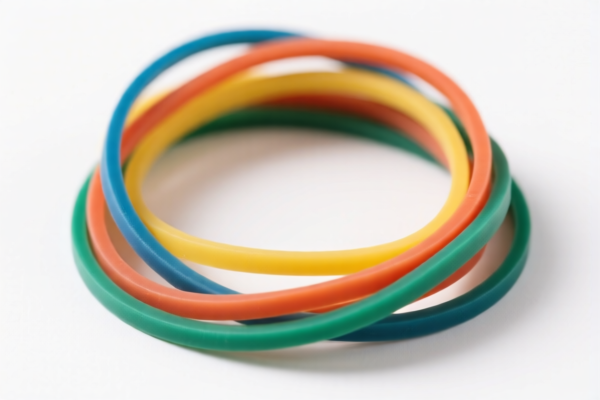
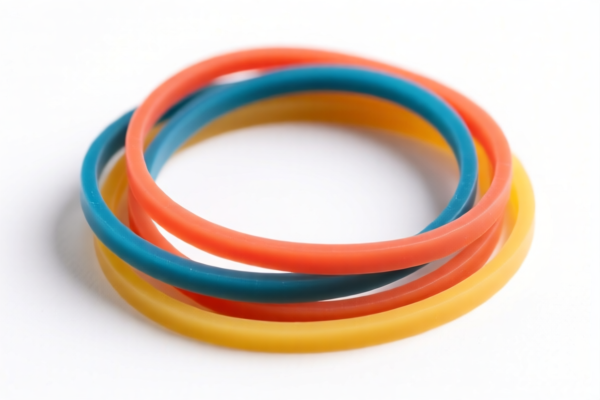
AI Analysis
🎀 Plastic Elastic Bands for Stationery (Rubber Bands Made Wholly of Plastics)
🌐 HS Code Reference & Customs Clearance Guide | 2026 Latest Tariff Analysis | Professional Customs Strategy
📌 I. Product Definition & Classification: What Exactly Are "Plastic Rubber Bands"?
"Plastic Rubber Bands for Stationery" refer to elastic loops made entirely from plastic materials (such as PVC, PE, PP, or synthetic rubber-plastic blends), used for bundling documents, notebooks, or office supplies. Unlike traditional natural rubber bands, these are classified under Chapter 39 (Plastics and Articles Thereof).
In international trade, the key distinction lies in the material composition and final function:
- Plastic Elastic Bands: Made wholly of plastics (headings 3901–3914). These are often transparent, color-stable, and resistant to aging but may have different elasticity profiles than natural rubber.
- Natural Rubber Bands: Classified under Chapter 40 (Rubber and Articles Thereof), specifically 4016.93.
- Mixed Material Bands: If the band contains non-plastic components (e.g., a metal clip attached or a fabric core), classification may shift.
⚠️ Key Distinction Point:
- If the band is wholly made of plastic (even if it mimics the stretch of rubber) → It falls under Chapter 39.
- If it contains natural rubber as the primary elastic component → It falls under Chapter 40.
- If it is a standard stationery item but made of plastic → It is not excluded from Chapter 39 just because it is for "stationery"; Chapter 39 specifically covers articles of plastics for general use.
📦 II. HS Code Classification Details (2026 Latest Tariff Authority Comparison)
Based on the provided data, the product falls under Heading 3926: Other articles of plastics and articles of other materials of headings 3901 to 3914.
| HS Code | Product Description | Applicable Scenario | Material Composition |
|---|---|---|---|
3926.90.99.05 |
Other Elastic bands made wholly of plastics | Stationery plastic bands, office supply bundlers, industrial plastic ties (elastic type) | ✅ 100% Plastic |
3926.90.99.89 |
Other (Other articles of plastics) | Plastic items not specified elsewhere (e.g., plastic figurines, general plastic household goods) | ✅ 100% Plastic |
🔍 Critical Note:
-3926.90.99.05is the specific HS code for elastic bands made wholly of plastics. This is the correct classification for "Plastic Rubber Bands for Stationery."
-3926.90.99.89is a fallback category for "Other" plastic articles. Using this code for elastic bands is incorrect and may lead to customs inquiries or penalties due to misclassification.
- Do not classify under 4016.93 (Rubber bands) unless the product contains natural rubber.
💰 III. 2026 Latest Tariff Rate Breakdown (Including Surtaxes)
✅ Applicable Country: United States (US)
✅ Origin: China (CN)
✅ Effective Time: 2025/2026 (Subject to current trade policies)
🎯 1. 3926.90.99.05 —— Elastic Bands Made Wholly of Plastics
| Item | Details |
|---|---|
| Base Tariff Rate | 5.3% (Ad Valorem) |
| Section 301 Surcharge | +7.5% (Additional duties on Chinese goods) |
| Total Tariff Rate | 12.8% |
| Tax Calculation | CIF Value × 12.8% |
| De Minimis Eligibility | ❌ Not Applicable (Generally, Section 301 goods are excluded from de minimis thresholds if declared separately, but check latest CBP guidance. Usually, Section 301 duties apply regardless of value for commercial shipments.) |
| Legal Basis Path | HTSUS: 3926.90.99.05 → Section 301: Footnote 9903.03.77 (or applicable current footnote for plastics) |
📌 Explanation:
- The 5.3% base rate applies to "Other articles of plastics" under Chapter 39.
- The 7.5% surcharge is part of the ongoing Section 301 trade actions against China.
- Total 12.8% is the effective duty rate for this specific plastic stationery item.
- Important: Unlike electronics or machinery, plastic household/stationery items often face lower surcharge rates (7.5% vs 25%) in recent trade adjustments, but this must be verified against the latest USITC lists.
🎯 2. 3926.90.99.89 —— Other Plastic Articles (Incorrect Classification for Bands)
| Item | Details |
|---|---|
| Base Tariff Rate | 5.3% |
| Section 301 Surcharge | +7.5% |
| Total Tariff Rate | 12.8% |
| Tax Calculation | CIF Value × 12.8% |
| De Minimis Eligibility | ❌ Not Applicable |
📌 Note:
- Although the tariff rate is the same (12.8%) for3926.90.99.89, using this code for elastic bands is a compliance risk.
- Customs may flag this as misdeclaration, leading to delays, audits, or penalties.
- Always use3926.90.99.05for plastic elastic bands.
🛠️ IV. Customs Clearance Practical Advice (Real-World Pitfall Guide)
✅ 1. Required Documentation Checklist (Must-Haves)
| Document | Must Provide | Description |
|---|---|---|
| ✅ Product Specification Sheet | ✔️ | Must explicitly state: "100% Plastic" (e.g., PVC, PE, PP). Avoid vague terms like "synthetic." |
| ✅ Material Safety Data Sheet (MSDS) | ✔️ | To confirm no hazardous chemicals (e.g., phthalates) if for children's stationery. |
| ✅ Product Photos | ✔️ | Clear images showing the elastic nature and plastic texture. |
| ✅ Commercial Invoice | ✔️ | Description: "Elastic Bands, 100% Plastic, for Stationery Use, HS Code 3926.90.99.05" |
| ✅ Packing List | ✔️ | Weight and quantity must match invoice. |
| ✅ Certificate of Origin (CO) | ✔️ | To prove China origin for surcharge calculation. |
✅ 2. Declaration Tips (Key Mantra)
🔥 "Material is Key, Code is Specific, Stationery Use Doesn't Change Chapter 39!"
| Scenario | Correct Declaration | Incorrect Practice |
|---|---|---|
| Plastic Bands for Office | HS 3926.90.99.05 | Misclassifying as 4016.93 (Rubber) → 0% base + surcharge? Or higher? |
| Plastic Bands with Metal Clip | HS 3926.90.99.05 (if plastic is dominant) or Mixed Goods rules | Declaring as 8308.90 (Fittings) → Different tax treatment |
| Natural Rubber Bands | HS 4016.93 | Declaring as 3926.90.99.05 → Major misclassification |
| Plastic Bands for Industrial Use | HS 3926.90.99.05 | Using 3926.90.99.89 → "Other" is for non-specified items, not bands |
📌 Crucial Point:
- Even though the product is for "Stationery," it is not excluded from Chapter 39.
- Do not try to classify it as a "Stationery Accessory" under a different chapter (e.g., Chapter 48 or 96) unless specifically provided for.
- Plastic Elastic Bands are explicitly covered under 3926.90.99.05.
✅ 3. Special Cases Handling
| Situation | Handling Advice |
|---|---|
| Bands with Fillers | If the plastic band contains >10% non-plastic fillers (e.g., chalk, talc), it may still be classified as plastic if the plastic character is dominant. Provide composition details. |
| Children’s Toys | If the bands are part of a toy set, ensure compliance with CPSIA (US) for phthalates and heavy metals. |
| Bulk vs. Retail | Bulk packaging does not change the HS Code, but packaging details should match the invoice. |
| Origin Marking | Ensure each package or the goods themselves are marked "Made in China" to avoid duty evasion claims. |
🌍 V. Global Market Comparison (2026 Latest)
| Country/Region | Recommended HS Code | Tariff | Certification | Notes |
|---|---|---|---|---|
| 🇺🇸 USA | 3926.90.99.05 |
12.8% (5.3% Base + 7.5% Surcharge) | None specific | High compliance risk if misclassified as Rubber (4016) |
| 🇨🇳 China | 3926.90.99.05 |
5.3% (Import Duty) | None | No Section 301 surcharge for imports into China |
| 🇪🇺 EU | 3926.90.99 |
4.5% (Standard MFN) | REACH (Chemicals) | No additional surcharges for China origin |
| 🇬🇧 UK | 3926.90.99 |
4.5% (Standard MFN) | UKCA (if applicable) | Post-Brexit rules align with EU for this item |
| 🇯🇵 Japan | 3926.90.90 |
6.0% | None | No surcharges |
📌 Conclusion:
- The US is the most complex market due to Section 301 surcharges.
- EU and UK have lower tariffs but stricter chemical compliance (REACH) for plastics.
- China has the lowest import tariff for this item.
📌 VI. Common Mistakes & Pitfall Guide (Lessons from Blood and Tears)
❌ Mistake 1: Classifying Plastic Rubber Bands as 4016.93 (Rubber Bands)
👉 Consequence: Customs may reject the declaration if material proof shows 100% plastic. Penalty + Delay.
👉 Correct: Use 3926.90.99.05.
❌ Mistake 2: Using 3926.90.99.89 (Other) for Elastic Bands
👉 Consequence: Misclassification. While tax rate is same, it shows lack of professional knowledge. Customs may audit your company for repeat offenses.
👉 Correct: Use 3926.90.99.05 (Specific for elastic bands).
❌ Mistake 3: Claiming "Stationery" Exemption
👉 Consequence: There is no blanket exemption for stationery items from Section 301.
👉 Correct: Pay the 12.8% duty.
✅ Correct Declaration Example:
"Elastic Bands, 100% PVC, for Stationery Use, Transparent, 10cm Length, HS Code: 3926.90.99.05, Made in China"
🎯 VII. Conclusion: Precision in Classification Saves Money!
🎯 Remember the Mantra:
🔹 "Plastic Bands = 3926.90.99.05"
🔹 "12.8% Total Duty for US Imports"
🔹 "Rubber Bands = 4016.93 (Different Chapter)"
🔹 "Misclassification = Delay + Penalty"
📌 Pro Tip:
- If you are importing into the US, ensure your supplier provides a Material Declaration stating "100% Plastic."
- If the bands contain natural rubber, even 1%, they may need to be classified under 4016.93.
- Always apply for a Binding Ruling from US Customs (CBP) if you are shipping large volumes, to lock in the classification and avoid future disputes.
📣 Immediate Action:
📞 Contact Your Customs Broker
📄 Provide Material Composition Sheet
🚀 Declare HS Code: 3926.90.99.05
💼 Your Stationery Business, Smoothly Cleared!
✨ Professional Customs Clearance Starts with Precise Classification!
💼 Every Cent Counts in Global Trade!
Customer Reviews
About HS Code Classification
The Harmonized System (HS) is an internationally standardized nomenclature developed by the World Customs Organization (WCO) to classify traded products. Over 200 countries use the HS system as the basis for customs tariffs, trade statistics, and import/export regulations.
Each HS code follows a hierarchical structure:
- Chapter (2 digits) — Broad category of goods (e.g., Chapter 84: Machinery and Mechanical Appliances)
- Heading (4 digits) — More specific grouping within the chapter
- Subheading (6 digits) — Internationally standardized breakdown, used by all WCO member countries
- National subdivisions (8-10 digits) — Country-specific extensions for further classification, such as US HTSUS 10-digit codes
Correct HS code classification is essential for smooth customs clearance, accurate duty payment, and compliance with trade regulations. Misclassification can lead to customs delays, overpayment of duties, or penalties.
When importing from CN to US, the applicable tariff rates may include:
- Most-Favored-Nation (MFN) rate — The standard duty rate applied to WTO members
- General rate — Applied to countries without trade agreements
- Trade remedy duties — Additional tariffs such as Section 301 (anti-dumping), Section 232 (national security), or countervailing duties
The information provided on this page is for reference purposes only. For official classification, please consult with your local customs authority or a licensed customs broker.