plastic scratch resistant table covers
CN → US| HS Code | Tariff Rate | Origin | Destination | Doc |
|---|---|---|---|---|
| 3920200055 | 39.2% | CN | US | Official Doc |
| 5903102010 | 35.0% | CN | US | Official Doc |
| 3920100000 | 39.2% | CN | US | Official Doc |
| 5903102090 | 35.0% | CN | US | Official Doc |
Product Images
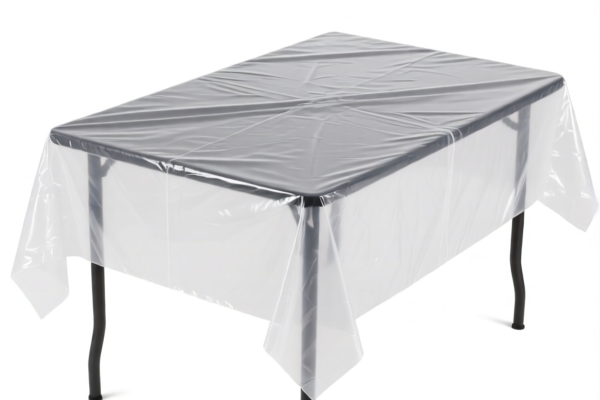
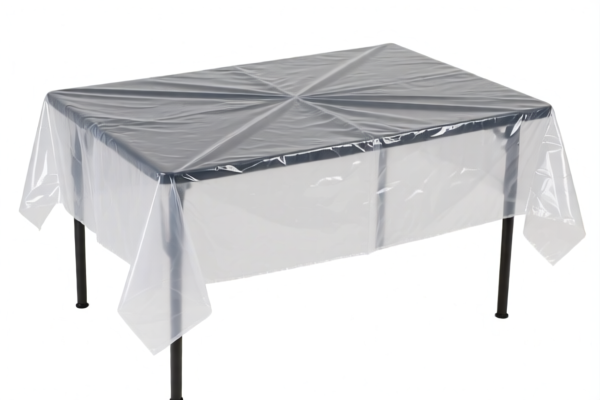
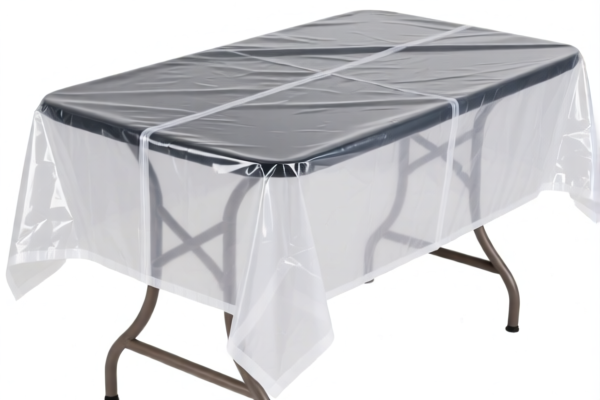
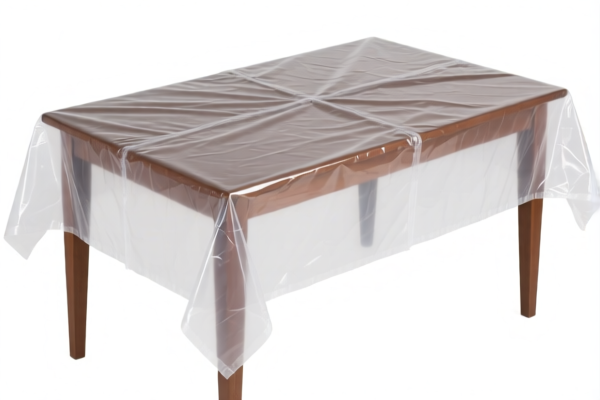
AI Analysis
🍽️ Plastic Scratch Resistant Table Covers
🌐 HS Code Reference & Customs Clearance Guide | 2026 Latest Tariff Analysis | Professional Clearance Strategy
📌 I. Product Definition & Classification: Do You Really Understand "Plastic Table Covers"?
Plastic scratch-resistant table covers are essential protective materials used in dining, hospitality, and industrial settings. In international trade, their classification depends heavily on the base material (polymer type) and the physical form (film, sheet, or coated fabric).
Key Distinction:
- Pure Plastic Sheets/Films (e.g., PP, PE, PVC plastic layers): Classified under Chapter 39 or 5903 if impregnated/coated.
- Fabric with Plastic Coating: If the textile fabric is impregnated, coated, covered, or laminated with plastic, it falls under 5903.
- Solid Plastic Sheets: If it is a standalone plastic sheet/film without a textile base, it falls under Chapter 39.
⚠️ Critical Classification Point:
- If the product is a standalone plastic sheet/film (like a rigid or semi-rigid PVC/PP sheet) → HS Code 3920 series.
- If the product is a textile fabric (woven/knit) that has been coated/impregnated with plastic (e.g., PVC-coated polyester) → HS Code 5903 series.
📦 II. HS Code Classification Details (2026 Latest Tariff Authority Comparison)
Based on the provided data, here are the precise HS Code mappings for "Plastic Scratch Resistant Table Covers":
| HS Code | Product Description | Material/Form Key | Tax Rate (China Origin) |
|---|---|---|---|
3920.20.00.55 |
Plastic Table Cover, Polypropylene (PP) material, form: board, sheet, film, foil, strip | Pure PP Plastic Sheet/Film | 39.2% |
5903.10.20.10 |
Plastic Table Cover, PVC coated/laminated fabric, classified as textile fabric impregnated/coated/laminated with plastic | Textile Base + PVC Coating | 35.0% |
3920.10.00.00 |
Plastic Table Cover, Polyethylene material, form: sheet, film, strip cover | Pure PE Plastic Sheet/Film | 39.2% |
5903.10.20.90 |
Plastic Table Cover, PVC/etc. impregnated/coated textile fabric, form: cover/laminated fabric | Textile Base + Plastic Layer | 35.0% |
🔍 Key Insight:
- Polypropylene (PP) and Polyethylene (PE) based table covers are classified under 3920 (Plastics in primary forms/sheets).
- PVC-coated fabrics are classified under 5903 (Textiles impregnated/coated/laminated with plastic).
- The tax rate difference is 4.2% (39.2% vs. 35.0%), which can significantly impact landed costs for large volumes.
💰 III. 2026 Latest Tariff Rate Breakdown (Including Surcharges & Policy Add-ons)
✅ Applicable Country: United States (US)
✅ Country of Origin: China (CN)
✅ Effective Date: November 10, 2025 onwards (including subsequent imports)
🎯 1. 3920.20.00.55 & 3920.10.00.00 —— Plastic Table Covers (PP/PE Sheets)
| Item | Content |
|---|---|
| Base Tariff Rate | 4.2% (Ad Valorem) |
| Section 301 Surcharge | +25.0% (USITC Footnote under Section 301) |
| IEEPA Surcharge (Section 122) | +10.0% (Targeting China/HK products, effective Nov 2025) |
| Total Effective Rate | 39.2% |
| Tax Calculation | CIF Value × 39.2% |
| De Minimis Exemption Available? | ❌ No (deny_de_minimis) |
| Legal Basis Path | IEEPA:122 → USITC:3920.20.00.55 / 3920.10.00.00 → FOOTNOTE:301 |
📌 Explanation:
- The 4.2% is the standard Most Favored Nation (MFN) duty for plastic sheets.
- The 25% is the standard Section 301 tariff for most Chinese plastic products.
- The 10% is the new IEEPA (Section 122) surcharge targeting specific Chinese imports.
- Total: 39.2%. This is a high-cost category. Buyers must factor this into pricing.
🎯 2. 5903.10.20.10 & 5903.10.20.90 —— Plastic-Coated Textile Table Covers (PVC Fabric)
| Item | Content |
|---|---|
| Base Tariff Rate | 0.0% (Ad Valorem) |
| Section 301 Surcharge | +25.0% (USITC Footnote under Section 301) |
| IEEPA Surcharge (Section 122) | +10.0% (Targeting China/HK products, effective Nov 2025) |
| Total Effective Rate | 35.0% |
| Tax Calculation | CIF Value × 35.0% |
| De Minimis Exemption Available? | ❌ No (deny_de_minimis) |
| Legal Basis Path | IEEPA:122 → USITC:5903.10.20.10 / 5903.10.20.90 → FOOTNOTE:301 |
📌 Note:
- Although the base duty is 0%, the 301 and IEEPA surcharges bring the total to 35.0%.
- This is 4.2% cheaper than the pure plastic sheet category (39.2%).
- Even "PVC-coated polyester" or "vinyl-coated canvas" tablecloths fall here, provided the fabric is the primary structural element.
🛠️ IV. Customs Clearance Practical Advice (Battle-Tested Pitfall Guide)
✅ 1. Required Documentation Checklist (None Can Be Omitted)
| Document | Mandatory? | Description |
|---|---|---|
| ✅ Product Specification Sheet | ✔️ | Must specify material: PP, PE, or PVC-coated Fabric. |
| ✅ Material Composition Statement | ✔️ | Clearly state % of textile vs. plastic layer. Critical for 3920 vs. 5903 split. |
| ✅ Product Photos | ✔️ | Show texture, coating, and flexibility. Helps distinguish film from coated fabric. |
| ✅ Commercial Invoice | ✔️ | Describe as "Plastic Table Cover, PP/PE" or "PVC-Coated Fabric Tablecloth". |
| ✅ Packing List | ✔️ | Include weight and dimensions. |
| ✅ Certificate of Origin (CO) | ✔️ | Required to confirm China origin for surcharge calculation. |
✅ 2. Declaration Strategy (Key Mantras)
🔥 “Material First, Form Second, Name Accurate, Tax Lower!”
| Scenario | Correct Declaration | Wrong Practice |
|---|---|---|
| Stiff/semi-rigid plastic sheet | 3920.20.00.55 (PP) or 3920.10.00.00 (PE) |
Call it "Tablecloth" → Risk of misclassification |
| Soft, flexible fabric with plastic coating | 5903.10.20.10 or 5903.10.20.90 |
Call it "Plastic Sheet" → Wrong HS Code |
| Mixed Material (Textile + Plastic) | Emphasize Textile Base + Plastic Coating | Emphasize "Plastic" only → Higher 39.2% rate |
✅ 3. Special Situation Handling
| Situation | Handling Advice |
|---|---|
| Is it a Sheet or Fabric? | If it tears like fabric, it’s likely 5903. If it tears like plastic film, it’s 3920. |
| OEM Custom Prints | Provide print design files + material spec. No impact on HS Code, but required for IP clearance. |
| Scratch-Resistant Coating | This is a functional description, not a classification factor. Does not change HS Code. |
| Import for Commercial vs. Personal | Both subject to same tariffs. No de minimis exemption for these codes. |
🌍 V. Global Market Clearance Comparison (2026 Latest)
| Country/Region | Recommended HS Code | Tariff (China Origin) | Certification Requirements | Notes |
|---|---|---|---|---|
| 🇺🇸 United States | 3920 or 5903 |
35.0% - 39.2% | None specific (but FDA may apply for food-contact) | High Tariff. No exemptions. |
| 🇨🇳 China | 3920 or 5903 |
~5-10% | None | Low duty. Easy clearance. |
| 🇪🇺 European Union | 3920 or 5903 |
~6-12% | REACH Compliance | No Section 301/IEEPA surcharges. |
| 🇬🇧 United Kingdom | 3920 or 5903 |
~6-12% | UKCA Mark (if applicable) | Post-Brexit rules apply. |
| 🇨🇦 Canada | 3920 or 5903 |
~6-12% | None | CUSMA benefits may apply if non-China origin. |
📌 Conclusion:
- The US is the only major market with these high surcharges (25% + 10%).
- For other markets, the duty is significantly lower (6-12%).
- Strategy: If targeting the US, consider sourcing from Vietnam, Mexico, or Thailand to avoid Section 301 and IEEPA surcharges, reducing tax to 0-5%.
📌 VI. Common Mistakes & Pitfall Guide (Lessons Learned the Hard Way)
❌ Mistake 1: Declaring PVC-coated fabric as "Plastic Sheet" (3920)
👉 Consequence: Overpayment of 4.2% on large volumes.
👉 Fix: Correctly classify as 5903 (35.0% vs 39.2%).
❌ Mistake 2: Declaring pure PP plastic sheet as "Fabric Tablecloth" (5903)
👉 Consequence: Customs audit, penalty, and forced re-classification to 3920.
👉 Fix: Accurate material description: "Polypropylene Sheet" vs "PVC-Coated Polyester".
❌ Mistake 3: Ignoring IEEPA Section 122 (10% Surcharge)
👉 Consequence: Underpayment of tax.
👉 Fix: Always include the +10% IEEPA surcharge in cost calculations for China-origin goods.
❌ Mistake 4: Assuming "Scratch Resistant" changes the HS Code
👉 Consequence: Unnecessary reclassification attempts.
👉 Fix: "Scratch Resistant" is a marketing term. Classify by material and form.
✅ Correct Declaration Example:
"PVC-Coated Polyester Fabric Tablecloth, Plastic Impregnated, Size 54x72, Brown, for Commercial Dining Use"
🎯 VII. Conclusion: Professional Classification Saves Money!
🎯 Remember the Mantra:
🔹 "Plastic Sheet? 3920 (39.2%). Coated Fabric? 5903 (35.0%)."
🔹 "301 is 25%, IEEPA is 10%. Total is High!"
🔹 "Check Origin: China = High Tax. Vietnam/Mexico = Low Tax."
📌 Pro Tip:
If your table covers are originally produced in Vietnam, Mexico, or Thailand, you can apply for IEEPA/Section 301 Exemptions, reducing the total tax to 0-5%.
Recommendation: Apply for an Advance Ruling from US Customs (CBP) if you have large, recurring shipments to ensure correct classification and avoid penalties.
📣 Immediate Action:
📞 Contact your customs broker + Provide Material Specs + Verify Country of Origin
🚀 Ensure your table covers pass through US Customs smoothly, maximize profit margins!
✨ Professional Clearance Starts with Accurate Classification!
💼 Every percentage point of tax savings is pure profit!
Customer Reviews
About HS Code Classification
The Harmonized System (HS) is an internationally standardized nomenclature developed by the World Customs Organization (WCO) to classify traded products. Over 200 countries use the HS system as the basis for customs tariffs, trade statistics, and import/export regulations.
Each HS code follows a hierarchical structure:
- Chapter (2 digits) — Broad category of goods (e.g., Chapter 84: Machinery and Mechanical Appliances)
- Heading (4 digits) — More specific grouping within the chapter
- Subheading (6 digits) — Internationally standardized breakdown, used by all WCO member countries
- National subdivisions (8-10 digits) — Country-specific extensions for further classification, such as US HTSUS 10-digit codes
Correct HS code classification is essential for smooth customs clearance, accurate duty payment, and compliance with trade regulations. Misclassification can lead to customs delays, overpayment of duties, or penalties.
When importing from CN to US, the applicable tariff rates may include:
- Most-Favored-Nation (MFN) rate — The standard duty rate applied to WTO members
- General rate — Applied to countries without trade agreements
- Trade remedy duties — Additional tariffs such as Section 301 (anti-dumping), Section 232 (national security), or countervailing duties
The information provided on this page is for reference purposes only. For official classification, please consult with your local customs authority or a licensed customs broker.