plastic scratch resistant tablecloth
CN → US| HS Code | Tariff Rate | Origin | Destination | Doc |
|---|---|---|---|---|
| 3920200055 | 39.2% | CN | US | Official Doc |
| 5903102010 | 35.0% | CN | US | Official Doc |
| 3920100000 | 39.2% | CN | US | Official Doc |
| 5903102090 | 35.0% | CN | US | Official Doc |
Product Images
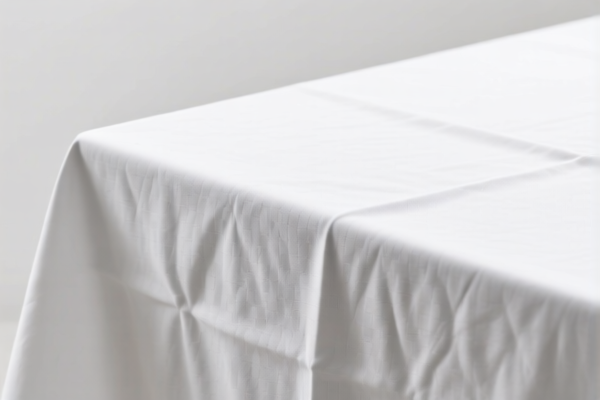
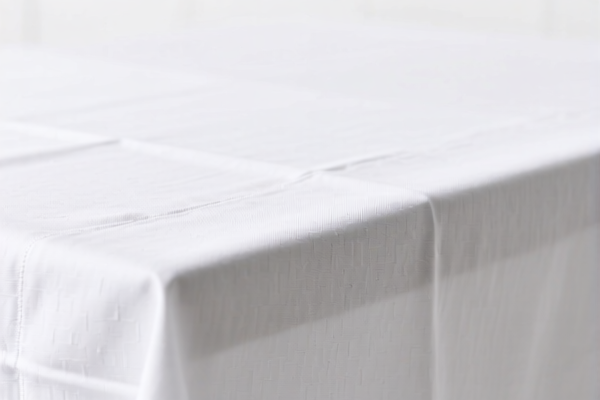
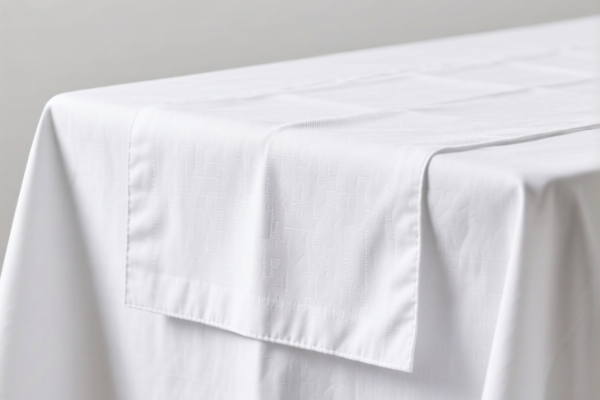
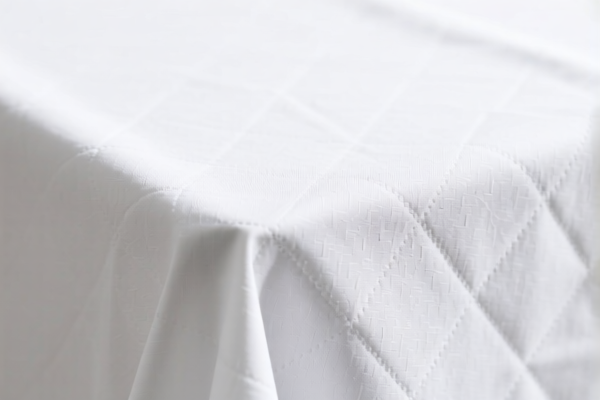
AI Analysis
🍽️ Plastic Scratch Resistant Tablecloths (Polymer Sheets & Coated Fabrics)
🌐 HS Code Reference & Customs Clearance Guide | 2026 Latest Tariff Breakdown | Professional-Level Clearance Strategy
📌 I. Product Definition & Classification: Do You Really Understand "Plastic Tablecloths"?
Plastic tablecloths are versatile household and commercial textile-adjacent products used for surface protection. In international trade, they are strictly categorized based on their material composition and manufacturing structure. They are not a single unified HS code but fall into two primary categories:
- Plastic Sheets/Films (Plastic Tablecloths): Made entirely from polymers (like PP or PE), formed into plates, sheets, films, foils, or strips. They do not contain a textile fabric base.
- Impregnated/Coated Textile Fabrics (Plastic-Coated Tablecloths): Made from a textile fabric (e.g., woven polyester/cotton) that has been impregnated, coated, covered, or laminated with plastics (like PVC).
⚠️ Key Distinction Point:
- If the product is 100% plastic (homogeneous polymer structure), it falls under Chapter 39 (Plastics and articles thereof).
- If the product has a visible fabric base covered by plastic (PVC/PE coating), it falls under Chapter 59 (Textile fabrics coated with plastic).
- "Scratch Resistant" is a performance feature, not a structural definition, so it does not change the HS code but may affect marketing descriptions.
📦 II. HS Code Classification Details (2026 Latest Tariff Authority Comparison)
| HS Code | Product Description | Applicable Scenario | Structure Type |
|---|---|---|---|
3920.20.00.55 |
Plastic tablecloth, material: Polypropylene (PP), shape: plate, sheet, film, foil, strip | PP-based tablecloths, often marketed as "scratch-resistant" or durable | ✅ 100% Plastic (No Fabric) |
3920.10.00.00 |
Plastic tablecloth, material: Ethylene polymers (PE), shape: plate, sheet, film, strip | PE-based (Polyethylene) tablecloths, flexible films | ✅ 100% Plastic (No Fabric) |
5903.10.20.10 |
Plastic tablecloth, material: PVC-coated/laminated fabric, classified as textile fabric impregnated/coated/covered/laminated with plastics | PVC-coated woven tablecloths (common in commercial settings) | ✅ Plastic-Coated Fabric |
5903.10.20.90 |
Plastic tablecloth, material: Polyvinyl chloride or other plastics impregnated/coated on textile fabric, shape: covered/laminated fabric | Other plastic-coated textile tablecloths (non-PVC or specific sub-categories) | ✅ Plastic-Coated Fabric |
🔍 Key Reminder:
- PP (3920.20.00.55) vs. PE (3920.10.00.00): Check the material label. PP is often stiffer/more scratch-resistant; PE is softer/more flexible.
- Coated vs. Pure: If you can see a woven texture under the plastic, it is Chapter 59. If it is solid plastic, it is Chapter 39.
💰 III. 2026 Latest Tariff Rate Breakdown (Including Additional Taxes & Policy Surcharges)
✅ Applicable Country: United States (US)
✅ Origin: China (CN)
✅ Effective Date: November 10, 2025 (for imports thereafter)
🎯 1. 3920.20.00.55 — Plastic Tablecloth, Polypropylene (PP)
| Item | Details |
|---|---|
| Base Tariff | 4.2% (ad valorem) |
| Section 301 Additional Tariff | +25.0% (Due to USITC Footnote 9903.88.01) |
| Section 122 Tariff | +10.0% (Specific provision for certain plastic goods) |
| Total Tariff Rate | 39.2% |
| Tax Calculation | CIF Value × 39.2% |
| De Minimis Exemption? | ❌ Not Eligible (Section 321 de minimis does not apply to goods subject to Section 301/122 tariffs) |
| Legal Basis Path | USITC:3920.20.00.55 → SECTION_301:9903.88.01 → SECTION_122:9903.10.10 |
📌 Explanation:
- The 25% is the standard "Trump Tariff" (Section 301) on Chinese plastics.
- The 10% is the specific "Section 122" tariff targeting plastic table coverings.
- Total 39.2% is a heavy burden; cost structure must be carefully planned.
🎯 2. 3920.10.00.00 — Plastic Tablecloth, Ethylene Polymers (PE)
| Item | Details |
|---|---|
| Base Tariff | 4.2% (ad valorem) |
| Section 301 Additional Tariff | +25.0% |
| Section 122 Tariff | +10.0% |
| Total Tariff Rate | 39.2% |
| Tax Calculation | CIF Value × 39.2% |
| De Minimis Exemption? | ❌ Not Eligible |
| Legal Basis Path | USITC:3920.10.00.00 → SECTION_301:9903.88.01 → SECTION_122:9903.10.10 |
📌 Note:
- Same tax structure as PP tablecloths.
- Whether it’s PE or PP, if it’s a "plastic sheet/film" type tablecloth, it faces the same 39.2% total rate.
🎯 3. 5903.10.20.10 — PVC-Coated Textile Tablecloth
| Item | Details |
|---|---|
| Base Tariff | 0.0% (ad valorem) |
| Section 301 Additional Tariff | +25.0% |
| Section 122 Tariff | +10.0% |
| Total Tariff Rate | 35.0% |
| Tax Calculation | CIF Value × 35.0% |
| De Minimis Exemption? | ❌ Not Eligible |
| Legal Basis Path | USITC:5903.10.20.10 → SECTION_301:9903.88.01 → SECTION_122:9903.10.10 |
📌 Explanation:
- The base tariff is 0%, making this category slightly cheaper than pure plastic sheets (4.2% base).
- However, the 25% + 10% surcharges still apply.
- Total 35.0% is 4.2% lower than PP/PE tablecloths.
🎯 4. 5903.10.20.90 — Other Plastic-Impregnated Textile Tablecloth
| Item | Details |
|---|---|
| Base Tariff | 0.0% (ad valorem) |
| Section 301 Additional Tariff | +25.0% |
| Section 122 Tariff | +10.0% |
| Total Tariff Rate | 35.0% |
| Tax Calculation | CIF Value × 35.0% |
| De Minimis Exemption? | ❌ Not Eligible |
| Legal Basis Path | USITC:5903.10.20.90 → SECTION_301:9903.88.01 → SECTION_122:9903.10.10 |
📌 Note:
- Similar to the PVC-coated variant.
- If the textile base is not PVC but another plastic (e.g., PE-coated fabric), it may fall here.
- Total 35.0% remains consistent for coated textile types.
🛠️ IV. Customs Clearance Practical Advice (Avoid Pitfalls in Practice)
✅ 1. Required Documentation Checklist (None Can Be Skipped)
| Document | Mandatory | Explanation |
|---|---|---|
| ✅ Product Specification Sheet | ✔️ | Must clearly state: Material (PP/PE/PVC+Fabric), Thickness, Dimensions |
| ✅ Material Composition Proof | ✔️ | Certificate of Analysis (CoA) or Manufacturer’s Declaration specifying if it’s 100% plastic or coated fabric |
| ✅ Product Photos (Clear Label) | ✔️ | Show texture (woven vs. smooth), thickness, and any "Scratch Resistant" claims |
| ✅ Commercial Invoice | ✔️ | Description must match HS Code: e.g., “PP Plastic Tablecloth, Sheet” vs. “PVC-Coated Woven Tablecloth” |
| ✅ Packing List | ✔️ | Detail net/gross weight; avoid mixing different HS codes in one shipment without clear separation |
| ✅ Certificate of Origin (CO) | ✔️ | Essential for proving Chinese origin (triggers tariffs) or exemption if shipped from elsewhere |
✅ 2. Declaration Tips (Key Mantra)
🔥 “Material Defines Code, Structure Dictates Tax!”
| Scenario | Correct Declaration | Wrong Action |
|---|---|---|
| Solid PP/PE Sheet | 3920.20.00.55 or 3920.10.00.00 |
Calling it “Fabric Tablecloth” → Misclassification risk |
| Woven Fabric with Plastic Coating | 5903.10.20.10 or 5903.10.20.90 |
Calling it “Plastic Sheet” → Overpaying 4.2% base tax (but still subject to surcharges) |
| “Scratch Resistant” Marketing Term | Include in description, but not as HS basis | Using “Scratch Resistant” as a primary identifier → No such HS code exists |
✅ 3. Special Circumstances Handling
| Situation | Handling Advice |
|---|---|
| OEM Custom Tablecloths | Provide customer PO + design specs. Ensure material matches invoice. |
| Mixed Materials (e.g., PP with Fabric Backing) | Critical: If >50% value or essential character is plastic sheet, likely Chapter 39. If fabric is essential, Chapter 59. Consult a broker. |
| Small Samples (De Minimis) | ❌ Do NOT rely on De Minimis ($800). Section 301 and 122 tariffs explicitly exclude de minimis entries. Taxes apply even to small packages. |
| Return/Rework Goods | Provide proof of prior export to avoid double taxation, but surcharges may still apply depending on timing. |
🌍 V. Global Market Clearance Comparison (2026 Latest)
| Country/Region | Recommended HS Code | Tariff (CN Origin) | Certification Req. | Notes |
|---|---|---|---|---|
| 🇺🇸 USA | 3920.20.00.55 / 5903.10.20.10 |
39.2% (Plastic Sheet) / 35.0% (Coated Fabric) | None specific | High tariff burden; Section 301 + 122 apply. |
| 🇨🇳 China | 3920.20.00.55 / 5903.10.20.10 |
~5-8% (Import Duty) | None | No Section 301 surcharges. |
| 🇪🇺 EU | 3920.20.00.00 / 5903.10.00.00 |
~6-10% | None | No US-style surcharges. |
| 🇬🇧 UK | 3920.20.00.00 / 5903.10.00.00 |
~6-10% | None | Post-Brexit, aligned with EU structure. |
📌 Conclusion:
- The USA is uniquely harsh on these goods due to Section 301 (25%) and Section 122 (10%).
- Coated fabrics (5903...) save 4.2% in base duty compared to pure plastic sheets (3920...).
- Cost optimization strategy: If possible, design tablecloths as plastic-coated textiles rather than solid plastic sheets to save the base 4.2% duty.
📌 VI. Common Mistakes & Pitfall Guide (Lessons from Blood & Tears)
❌ Mistake 1: Calling a PVC-coated fabric tablecloth a “Plastic Sheet”
👉 Consequence: Wrong HS Code (3920 instead of 5903). While base tax is higher for 3920, the surcharge is the same. However, misclassification leads to penalties and delays.
❌ Mistake 2: Assuming small shipments ($800) are tariff-free
👉 Consequence: Section 301 and 122 tariffs apply to ALL shipments from China, regardless of value. Your $50 sample bag will still be taxed 39.2%.
❌ Mistake 3: Vague description “Plastic Tablecloth”
👉 Consequence: CBP (US Customs) may classify it as the highest duty rate or request additional info, causing holds and demurrage fees.
✅ Correct Action:
“Polypropylene (PP) Plastic Tablecloth, Sheet, 0.5mm Thickness, Scratch Resistant, Model XYZ”
OR
“PVC-Coated Polyester Woven Tablecloth, 1.2m x 1.8m, Model ABC”
🎯 VII. Conclusion: Precision in Classification Saves Money!
🎯 Remember the Mantra:
🔹 “PP/PE = Chapter 39 (39.2%), PVC-Coated = Chapter 59 (35.0%)”
🔹 “De Minimis Doesn’t Save You from Section 301/122!”
🔹 “Clear Material Description = Smooth Clearance”
📌 Pro Tip:
If your tablecloths are shipped from Vietnam, Malaysia, or Mexico, you may apply for IEEPA/Section 301 Exclusions (if eligible) or enjoy lower base rates. However, origin must be genuine (transshipment fraud is heavily penalized).
📣 Immediate Action:
📞 Contact a Licensed Customs Broker
📄 Provide Material Spec Sheets & Photos
🚀 Apply for Advance Ruling (Pre-classification) to Avoid Surprises
✨ Professional Clearance Starts with Accurate Classification!
💼 Your Profit Margin Depends on Precise Tariff Management!
Customer Reviews
About HS Code Classification
The Harmonized System (HS) is an internationally standardized nomenclature developed by the World Customs Organization (WCO) to classify traded products. Over 200 countries use the HS system as the basis for customs tariffs, trade statistics, and import/export regulations.
Each HS code follows a hierarchical structure:
- Chapter (2 digits) — Broad category of goods (e.g., Chapter 84: Machinery and Mechanical Appliances)
- Heading (4 digits) — More specific grouping within the chapter
- Subheading (6 digits) — Internationally standardized breakdown, used by all WCO member countries
- National subdivisions (8-10 digits) — Country-specific extensions for further classification, such as US HTSUS 10-digit codes
Correct HS code classification is essential for smooth customs clearance, accurate duty payment, and compliance with trade regulations. Misclassification can lead to customs delays, overpayment of duties, or penalties.
When importing from CN to US, the applicable tariff rates may include:
- Most-Favored-Nation (MFN) rate — The standard duty rate applied to WTO members
- General rate — Applied to countries without trade agreements
- Trade remedy duties — Additional tariffs such as Section 301 (anti-dumping), Section 232 (national security), or countervailing duties
The information provided on this page is for reference purposes only. For official classification, please consult with your local customs authority or a licensed customs broker.