plastic seals
CN → US| HS Code | Tariff Rate | Origin | Destination | Doc |
|---|---|---|---|---|
| 3926908500 | 24.0% | CN | US | Official Doc |
| 3924104000 | 13.4% | CN | US | Official Doc |
| 3924905650 | 20.9% | CN | US | Official Doc |
| 3926909989 | 22.8% | CN | US | Official Doc |
Product Images

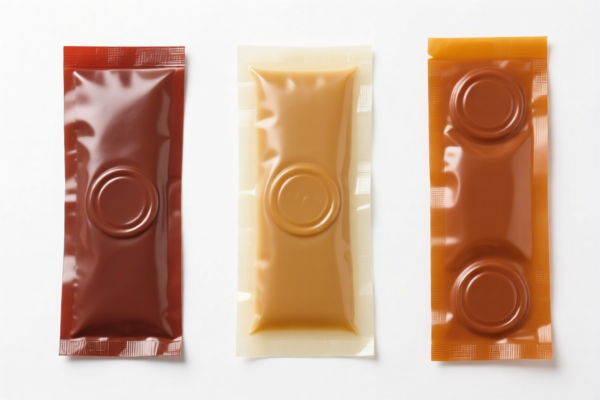

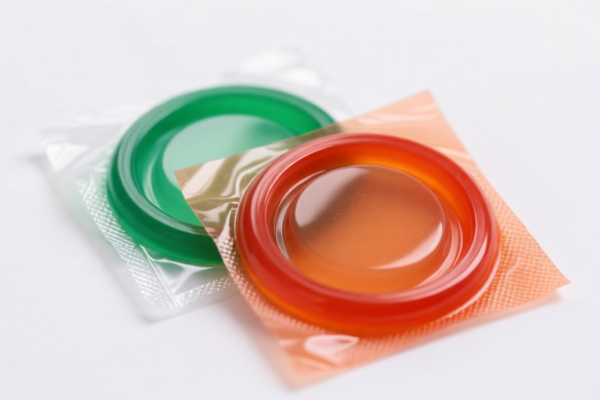
AI Analysis
🔒 Plastic Seals (Clips, Clips & Fasteners)
🌐 HS Code Reference & Customs Clearance Guide | 2026 Latest Tariff Analysis | Professional Clearance Strategy
📌 1. Product Definition & Classification: Are You Sure These Are Just "Plastic Clips"?
Plastic seals (including cable ties, twist ties, food container clips, and packaging fasteners) are ubiquitous in logistics, household, and industrial applications. However, in international trade, their classification depends heavily on their specific function and design.
⚠️ Key Distinction Point:
- If used primarily as a household kitchen tool or general home gadget → Classified under Chapter 3924 (Household articles).
- If used primarily as an industrial fastener or closure mechanism → Classified under Chapter 3926 (Other articles of plastics).
📦 2. HS Code Classification Details (2026 Latest Tariff Authoritative Comparison)
| HS Code | Product Description | Applicable Scenario | Total Tax Rate (China-US) |
|---|---|---|---|
3926.90.85.00 |
Plastic clips/fasteners used as closures (e.g., bag clips, document clips) | Industrial packaging, office storage, heavy-duty clips | 24.0% |
3924.10.40.00 |
Other household articles (small tools/gadgets) | General household plastic items, non-specific clips | 13.4% |
3924.90.56.50 |
Kitchen utensils or specific clips for kitchen use | Food storage clips, kitchen organization tools | 20.9% |
3926.90.99.89 |
Other plastic articles (general/uncategorized) | Generic plastic fasteners not fitting other specific categories | 22.8% |
🔍 Important Reminder:
- Kitchen vs. General Use: If the plastic seal is specifically designed for food preservation or kitchen organization, it may qualify for 3924.90.56.50 (20.9%).
- Industrial vs. Household: If it’s a generic cable tie or bag clip for general closure, it often falls under 3926.90.85.00 (24.0%) or 3926.90.99.89 (22.8%).
- Misclassification Risk: Declaring a kitchen-specific clip as a "general plastic article" (3926.90.99.89) may lead to disputes, though rates are similar. Declaring a general clip as a "kitchen item" (3924.90.56.50) to save tax is risky and may trigger audits.
💰 3. 2026 Latest Tariff Rate Breakdown (Including Additional Taxes & Policy Add-ons)
✅ Applicable Country: USA (US)
✅ Origin: China (CN)
✅ Effective Date: Current rates (includes Section 301 and Section 232/122 implications as per data)
🎯 1. 3926.90.85.00 —— Plastic Clips/Fasteners (Closure Use)
| Item | Content |
|---|---|
| Base Tariff | 6.5% (ad valorem) |
| Section 301 Additional Tariff | +7.5% (China-specific) |
| Section 122 Tariff | +10% (Targeted US industry protection) |
| Total Tax Rate | 24.0% |
| Calculation | CIF Value × 24.0% |
| De Minimis Eligibility | ❌ No (Subject to full duties) |
| Legal Basis Path | Base: 3926.90.85.00 → Section 301: +7.5% → Section 122: +10% |
📌 Explanation:
- This HS Code is for functional plastic closures. The 7.5% Section 301 tariff is applied because it’s a Chinese-origin plastic article.
- The 10% Section 122 tariff is a targeted additional duty for specific plastic products affecting US industries.
- Total 24% is a high duty, requiring careful cost calculation.
🎯 2. 3924.10.40.00 —— Other Household Articles (Small Tools)
| Item | Content |
|---|---|
| Base Tariff | 3.4% |
| Section 301 Additional Tariff | 0.0% (Exempt or not applicable for this subheading) |
| Section 122 Tariff | +10% |
| Total Tax Rate | 13.4% |
| Calculation | CIF Value × 13.4% |
| De Minimis Eligibility | ❌ No |
| Legal Basis Path | Base: 3924.10.40.00 → Section 301: 0% → Section 122: +10% |
📌 Note:
- This is the lowest total tax rate among the options, but only if the product can be legitimately classified as a "household small tool" or "general household article."
- Risk: If customs determines the item is primarily an industrial fastener, they may reclassify it to 3926, increasing the tax by 10.6 percentage points.
🎯 3. 3924.90.56.50 —— Kitchen Utensils/Clips
| Item | Content |
|---|---|
| Base Tariff | 3.4% |
| Section 301 Additional Tariff | +7.5% |
| Section 122 Tariff | +10% |
| Total Tax Rate | 20.9% |
| Calculation | CIF Value × 20.9% |
| De Minimis Eligibility | ❌ No |
| Legal Basis Path | Base: 3924.90.56.50 → Section 301: +7.5% → Section 122: +10% |
📌 Note:
- If the plastic seal is specifically marketed as a food container clip, kitchen organizer, or bakery bag sealer, this code is appropriate.
- The 7.5% Section 301 tariff applies here, making it more expensive than 3924.10.40.00 but cheaper than most 3926 codes.
🎯 4. 3926.90.99.89 —— Other Plastic Articles
| Item | Content |
|---|---|
| Base Tariff | 5.3% |
| Section 301 Additional Tariff | +7.5% |
| Section 122 Tariff | +10% |
| Total Tax Rate | 22.8% |
| Calculation | CIF Value × 22.8% |
| De Minimis Eligibility | ❌ No |
| Legal Basis Path | Base: 3926.90.99.89 → Section 301: +7.5% → Section 122: +10% |
📌 Note:
- This is a catch-all category for plastic articles not specifically listed elsewhere.
- Use this only if the product doesn’t fit the specific "closure" (3926.90.85.00) or "kitchen" (3924.90.56.50) definitions clearly.
- The 7.5% Section 301 tariff applies, similar to most plastic articles from China.
🛠️ 4. Customs Clearance Practical Advice (Avoiding Pitfalls)
✅ 1. Preparation Checklist (Essential Documents)
| Document | Required | Explanation |
|---|---|---|
| ✅ Product Specifications | ✔️ | Material (PP, PE, Nylon), dimensions, weight, load capacity |
| ✅ Product Photos | ✔️ | Clear images of the seal, packaging, and labeling |
| ✅ Intended Use Statement | ✔️ | Explicitly state: "For household kitchen use" vs. "Industrial packaging" |
| ✅ Commercial Invoice | ✔️ | Describe accurately: "Plastic Food Container Clips" vs. "Plastic Cable Ties" |
| ✅ Packing List | ✔️ | Detail quantity, gross weight, net weight |
| ✅ Test Reports | ✔️ | FDA (if for food contact), RoHS, REACH (if applicable) |
✅ 2. Declaration Tips (Key Mantras)
🔥 "Kitchen Clips go to 3924, Industrial Clips to 3926. Be Specific, Save Tax!"
| Scenario | Correct HS Code | Incorrect Practice |
|---|---|---|
| Food container clips, kitchen organization | 3924.90.56.50 (20.9%) |
Declaring as "general plastic" (3926) → 22.8%+ |
| General bag clips, document clips, office storage | 3926.90.85.00 (24.0%) |
Declaring as "kitchen item" → Risk of penalty |
| Generic plastic fasteners, no specific use | 3926.90.99.89 (22.8%) |
Declaring as "household gadget" (3924.10.40.00) → 13.4% (High Risk) |
| Cable ties (nylon/plastic) | 3926.90.85.00 or 3926.90.99.89 |
Declaring as "kitchen utensil" → Immediate rejection |
✅ 3. Special Considerations
| Situation | Advice |
|---|---|
| Food-Grade Plastic Seals | Must include FDA Compliance Statement or test report. Misdeclaring non-FDA plastic as "food contact" can lead to seizure. |
| Mixed Shipments | If a shipment contains both kitchen clips and industrial cable ties, split the declaration. Do not lump them into one HS code. |
| OEM/Custom Designs | Provide design drawings if the clip has a unique function. Custom tools may fall under 3924.10.40.00 if considered "household gadgets." |
| Packaging Claims | If the product is marketed as "Eco-Friendly" or "Recyclable," ensure materials match. False claims can lead to penalties. |
🌍 5. Global Market Comparison (2026 Latest)
| Country/Region | Recommended HS Code | Tariff (China Origin) | Notes |
|---|---|---|---|
| 🇺🇸 USA | 3926.90.85.00 |
24.0% (Highest) | Section 301 + 122 add-ons apply. |
| 🇺🇸 USA | 3924.10.40.00 |
13.4% (Lowest) | Only if legitimately a household gadget. |
| 🇨🇳 China | 3926.90.85.00 |
~6.5% | No Section 301 for imports into China. |
| 🇪🇺 EU | 3926.90.99 |
~6.5% | No Section 301, but VAT applies. |
| 🇬🇧 UK | 3926.90.99 |
~6.5% | Post-Brexit rules apply. |
📌 Conclusion:
- USA is the most complex market due to Section 301 and Section 122 tariffs.
- Strategic Classification: If your product can be legitimately classified as a household gadget (3924.10.40.00), you save 10.6% compared to industrial fasteners. However, this must be defensible with product marketing and description.
📌 6. Common Errors & Pitfalls (Lessons Learned)
❌ Error 1: Declaring industrial cable ties as "kitchen clips"
👉 Consequence: Customs reclassifies to 3926.90.85.00 → Back taxes + fines.
❌ Error 2: Using vague terms like "Plastic Accessories" on the invoice
👉 Consequence: Customs assigns their own HS code, often resulting in the highest possible rate (24.0%).
❌ Error 3: Ignoring FDA requirements for food-contact plastic seals
👉 Consequence: Goods held at port, returned, or destroyed.
❌ Error 4: Mixing Section 301 exempt and non-exempt items in one shipment
👉 Consequence: Entire shipment may be subject to scrutiny. Separate shipments if possible.
✅ Correct Practice:
"Plastic Food Storage Clips, PP Material, FDA Compliant, Model XYZ, For Kitchen Use"
🎯 7. Conclusion: Precision in Classification Saves Money!
🎯 Remember the Mantras:
🔹 "Kitchen Clips = 3924, Industrial Clips = 3926. Don’t Gamble!"
🔹 "Section 122 Adds 10%, Section 301 Adds 7.5%. Plan Ahead!"
🔹 "HS Code Determines Tax, Tax Determines Profit. Be Exact!"
📌 Pro Tip:
If your plastic seals are not of Chinese origin (e.g., Vietnam, Thailand), you may avoid Section 301 tariffs.
For Chinese-origin goods, consider Advance Ruling from CBP to confirm the correct HS Code, especially if you’re aiming for the lower 13.4% rate under 3924.10.40.00.
📣 Immediate Action:
📞 Contact a licensed customs broker + Provide product images + Request HS Code pre-classification
🚀 Ensure smooth clearance, avoid delays, and protect your profit margins!
✨ Professional Customs Clearance Starts with Accurate Classification!
💼 Every Percentage Point of Tax is Your Bottom Line!
Customer Reviews
About HS Code Classification
The Harmonized System (HS) is an internationally standardized nomenclature developed by the World Customs Organization (WCO) to classify traded products. Over 200 countries use the HS system as the basis for customs tariffs, trade statistics, and import/export regulations.
Each HS code follows a hierarchical structure:
- Chapter (2 digits) — Broad category of goods (e.g., Chapter 84: Machinery and Mechanical Appliances)
- Heading (4 digits) — More specific grouping within the chapter
- Subheading (6 digits) — Internationally standardized breakdown, used by all WCO member countries
- National subdivisions (8-10 digits) — Country-specific extensions for further classification, such as US HTSUS 10-digit codes
Correct HS code classification is essential for smooth customs clearance, accurate duty payment, and compliance with trade regulations. Misclassification can lead to customs delays, overpayment of duties, or penalties.
When importing from CN to US, the applicable tariff rates may include:
- Most-Favored-Nation (MFN) rate — The standard duty rate applied to WTO members
- General rate — Applied to countries without trade agreements
- Trade remedy duties — Additional tariffs such as Section 301 (anti-dumping), Section 232 (national security), or countervailing duties
The information provided on this page is for reference purposes only. For official classification, please consult with your local customs authority or a licensed customs broker.