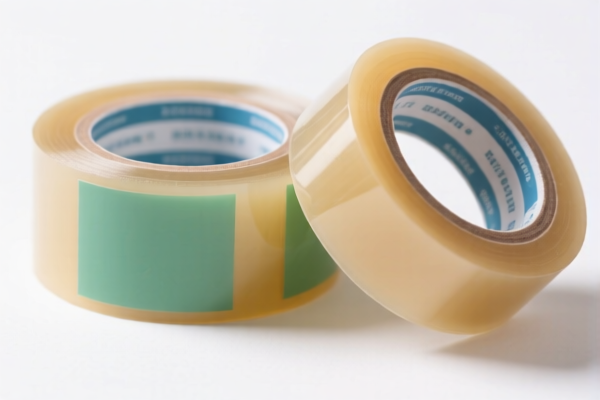
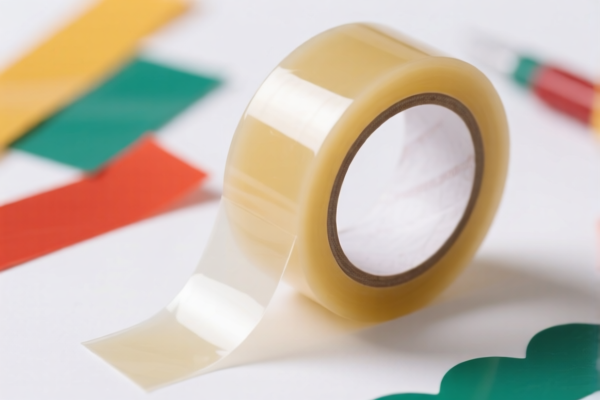
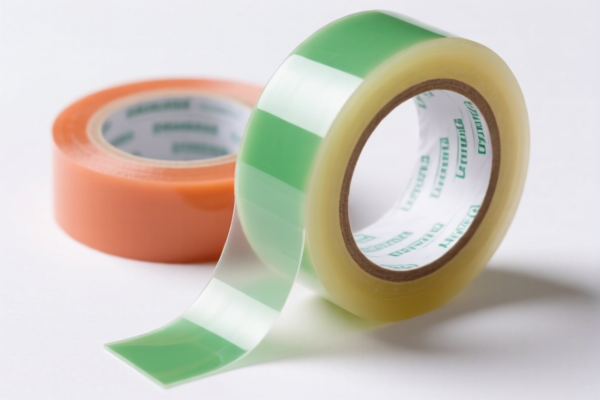
plastic self adhesive craft tape
CN → US| HS Code | Tariff Rate | Origin | Destination | Doc |
|---|---|---|---|---|
| 3919102055 | 40.8% | CN | US | Official Doc |
| 3919905060 | 40.8% | CN | US | Official Doc |
| 3920992000 | 39.2% | CN | US | Official Doc |
| 3920200015 | 39.2% | CN | US | Official Doc |
| 3926909989 | 22.8% | CN | US | Official Doc |
Product Images

AI Analysis
🎨 Plastic Self-Adhesive Craft Tape (塑料自粘条/胶带)
🌐 HS Code Reference & Customs Clearance Guide | 2026 Latest Tariff Analysis | Professional Clearance Strategy
📌 I. Product Definition & Classification: What exactly is "Plastic Self-Adhesive Tape"?
Plastic Self-Adhesive Craft Tape is a versatile material widely used in packaging, automotive exterior decoration, and industrial applications. It consists of a plastic film backing with an adhesive layer on one or both sides.
In international trade, its classification depends heavily on: 1. Material Composition: Is it a general polymer, an acrylic polymer, or a specific plastic type? 2. Form/Shape: Is it a general strip, a flexible ribbon, a board/sheet, or a specific "other" plastic article? 3. Usage: Is it for general craft, automotive use, or structural bonding?
⚠️ Key Distinction Point:
- If it is a general self-adhesive plastic strip not elsewhere specified → 3919.10.20.55
- If it is specifically for automotive exterior trim → 3919.90.50.60
- If it is described as a flexible ribbon/band → 3920.99.20.00
- If it is made of acrylic polymers and in plate/sheet/ribbon form → 3920.20.00.15
- If it is classified as an other plastic article (less specific) → 3926.90.99.89
📦 II. HS Code Classification Details (2026 Latest Tariff Authority Comparison)
| HS Code | Product Description | Application Scenario | Key Material/Form Feature |
|---|---|---|---|
3919.10.20.55 |
Plastic Self-Adhesive Tape, Self-Adhesive Strip Form | General crafts, packaging, general industrial use | Material: Plastic; Form: Self-adhesive strip |
3919.90.50.60 |
Plastic Self-Adhesive Tape, Strip Form, for Automotive Exterior | Automotive trim, car body decoration | Material: Plastic; Form: Strip; Specific Use: Auto Exterior |
3920.99.20.00 |
Plastic Self-Adhesive Tape, Flexible Ribbon Form | General flexible plastic tape, non-specific adhesive | Material: Plastic; Form: Flexible Ribbon/Strip |
3920.20.00.15 |
Plastic Self-Adhesive Tape, Acrylic Polymer, Plate/Sheet/Ribbon | Specific acrylic-based tapes, technical films | Material: Acrylic Polymer; Form: Plate, Sheet, or Ribbon |
3926.90.99.89 |
Other Plastic Articles, Plastic Self-Adhesive Tape | General plastic accessories, less specific categorization | Material: Plastic; Form: Self-adhesive tape; Category: Other Plastic Articles |
🔍 Key Reminder:
- 3919 is the primary heading for Self-Adhesive Plates, Sheets, Film, Tape, Strip, and other shapes of plastics.
- 3920 is for other plates/sheets/film (non-adhesive in the heading sense, but can include adhesive variants if classified differently by specific national rules or description). Note: In this dataset, 3920 is used for specific forms like acrylic ribbons.
- 3926 is a residual category for "Other articles of plastics." Use only if the product does not fit the specific technical descriptions of 3919 or 3920.
- Automotive Use: If the tape is specifically marketed for automotive exterior decoration,3919.90.50.60may offer a more precise fit, though tariff rates may vary slightly due to specificity.
💰 III. 2026 Latest Tariff Rate Details (Including Surtaxes & Policy Add-ons)
✅ Applicable Country: United States (US)
✅ Origin: China (CN)
✅ Effective Date: 2025/2026 (Current Trade Environment)
🎯 1. 3919.10.20.55 —— General Plastic Self-Adhesive Tape (Strip)
| Item | Content |
|---|---|
| Base Tariff | 5.8% |
| Section 301 Surcharge | +25.0% |
| Section 122 Tariff | +10.0% |
| Total Tax Rate | 40.8% |
| Tax Calculation | CIF Value × 40.8% |
| De Minimis Exemption | ❌ Not Eligible (High tax rate exceeds de minimis thresholds) |
| Legal Basis Path | USITC:3919.10.20.55 → Section 301: Footnote 9903.88.01 → Section 122: 10% |
📌 Explanation:
- 5.8% is the standard Most Favored Nation (MFN) duty.
- 25% is the Section 301 tariff for Chinese goods.
- 10% is an additional Section 122 tariff (often related to specific trade actions).
- Total: 40.8% is a significant cost driver. Cost absorption or pricing adjustment is critical.
🎯 2. 3919.90.50.60 —— Automotive Exterior Plastic Self-Adhesive Tape
| Item | Content |
|---|---|
| Base Tariff | 5.8% |
| Section 301 Surcharge | +25.0% |
| Section 122 Tariff | +10.0% |
| Total Tax Rate | 40.8% |
| Tax Calculation | CIF Value × 40.8% |
| De Minimis Exemption | ❌ Not Eligible |
| Legal Basis Path | USITC:3919.90.50.60 → Section 301 → Section 122 |
📌 Note:
- Same tariff rate as general plastic tape.
- Specificity Advantage: Using this code may reduce customs scrutiny if the product is clearly branded/marketed for automotive use, avoiding misclassification penalties.
🎯 3. 3920.99.20.00 —— Flexible Plastic Ribbon/Tape
| Item | Content |
|---|---|
| Base Tariff | 4.2% |
| Section 301 Surcharge | +25.0% |
| Section 122 Tariff | +10.0% |
| Total Tax Rate | 39.2% |
| Tax Calculation | CIF Value × 39.2% |
| De Minimis Exemption | ❌ Not Eligible |
| Legal Basis Path | USITC:3920.99.20.00 → Section 301 → Section 122 |
📌 Explanation:
- Slightly lower base tariff (4.2% vs 5.8%) due to different subheading description ("Flexible Ribbon").
- Total Savings: 1.6% less than3919codes. Verify if your product's physical form (ribbon vs. general strip) justifies this code.
🎯 4. 3920.20.00.15 —— Acrylic Polymer Plastic Tape
| Item | Content |
|---|---|
| Base Tariff | 4.2% |
| Section 301 Surcharge | +25.0% |
| Section 122 Tariff | +10.0% |
| Total Tax Rate | 39.2% |
| Tax Calculation | CIF Value × 39.2% |
| De Minimis Exemption | ❌ Not Eligible |
| Legal Basis Path | USITC:3920.20.00.15 → Section 301 → Section 122 |
📌 Note:
- Applies only if the material is specifically acrylic polymer.
- If your tape is PVC, PE, or PP, do not use this code. Misclassification leads to penalties.
🎯 5. 3926.90.99.89 —— Other Plastic Articles (Self-Adhesive Tape)
| Item | Content |
|---|---|
| Base Tariff | 5.3% |
| Section 301 Surcharge | +7.5% |
| Section 122 Tariff | +10.0% |
| Total Tax Rate | 22.8% |
| Tax Calculation | CIF Value × 22.8% |
| De Minimis Exemption | ❌ Not Eligible (High risk of rejection) |
| Legal Basis Path | USITC:3926.90.99.89 → Section 301 (7.5% rate for this specific residual code?) → Section 122 |
📌 Warning:
- 22.8% is significantly lower than other options.
- However, this is a residual category. Customs may challenge this classification if the product clearly fits3919or3920.
- Risk: If Customs reclassifies to3919, you will owe the difference + penalties.
- Use Case: Only if the tape is a non-standard plastic accessory that doesn't fit the technical definitions of adhesive films/strips in Chapter 39 headings. Consult a customs broker before using.
🛠️ IV. Customs Clearance Practical Advice (Real-World Pitfall Guide)
✅ 1. Preparation Checklist (Must-Haves)
| Document | Required? | Explanation |
|---|---|---|
| ✅ Product Specification Sheet | ✔️ | Must include: Material (PVC, Acrylic, PE, etc.), Thickness, Adhesive Type, Width, Length. |
| ✅ Material Safety Data Sheet (MSDS) | ✔️ | For adhesive chemicals. |
| ✅ Product Photos (Packaging & Product) | ✔️ | Show label, "Plastic Self-Adhesive Tape," and any specific usage (e.g., "For Automotive Trim"). |
| ✅ Commercial Invoice | ✔️ | Clearly state "Plastic Self-Adhesive Tape" and HS Code. Do not use vague terms like "Craft Supplies." |
| ✅ Bill of Lading/Air Waybill | ✔️ | Ensure weight and dimensions match invoice. |
| ✅ Proof of Origin | ✔️ | To confirm Chinese origin (triggering tariffs). |
✅ 2. Declaration Strategy (Key Tips)
🔥 “Material Matters, Form Defines, Use Contextualizes!”
| Scenario | Recommended HS Code | Reason |
|---|---|---|
| General Purpose Craft Tape | 3919.10.20.55 |
Standard self-adhesive plastic strip. |
| Auto Trim Tape | 3919.90.50.60 |
Explicitly stated use for automotive exterior. |
| Acrylic Film/Ribbon | 3920.20.00.15 |
Specific material (Acrylic) + form. |
| Flexible Plastic Band | 3920.99.20.00 |
Described as "ribbon" or "flexible band." |
| Non-Standard Plastic Accessory | 3926.90.99.89 |
Only if it doesn't fit 3919/3920 definitions. High risk, low tariff. |
✅ 3. Special Case Handling
| Situation | Handling Advice |
|---|---|
| Mixed Materials | If the tape has a paper backing + plastic film, it may not be "100% plastic." Verify material composition %. |
| "Craft Tape" Ambiguity | Avoid using "Craft Tape" alone in description. Use "Plastic Self-Adhesive Tape for Crafts" to align with HS definitions. |
| Automotive Parts | If part of a kit, ensure the tape is not classified as an "auto part" (Chapter 87) unless it has specific function. Generally, adhesive tapes remain in Chapter 39. |
| Section 122 Tariff | This 10% tariff is critical. No exemptions apply. Include it in your landed cost calculation. |
🌍 V. Global Market Comparison (2026 Latest)
| Country/Region | Recommended HS Code | Tariff Rate | Certification/Notes |
|---|---|---|---|
| 🇺🇸 United States | 3919.10.20.55 / 3919.90.50.60 |
40.8% | Section 301 + 122. High duty. |
| 🇺🇸 United States | 3926.90.99.89 |
22.8% | High risk of reclassification. |
| 🇨🇳 China (Export) | N/A | 0% (Export) | VAT refund applies. |
| 🇪🇺 European Union | 3919.10 / 3920.20 | ~4-6.5% | No Section 301/122. Easier clearance. |
| 🇨🇦 Canada | 3919.10 | ~5-6% | MFN rates apply. |
📌 Conclusion:
- The US market is the most challenging due to Section 301 and 122 tariffs.
- Tariff Engineering: Consider if your product can be classified under3920(39.2%) by adjusting the description to "flexible ribbon" or "acrylic polymer" if accurate.
- Risk vs. Reward:3926(22.8%) is tempting but risky. Only use with professional legal advice.
📌 VI. Common Mistakes & Pitfalls (Lessons Learned)
❌ Mistake 1: Using "Craft Tape" as the sole description
👉 Consequence: Customs may reject or misclassify.
👉 Solution: Always include "Plastic Self-Adhesive Tape" and material/form details.
❌ Mistake 2: Misclassifying Auto Tape as General Tape
👉 Consequence: No major penalty, but potential audit flag if specific automotive regulations apply.
👉 Solution: Clearly state "Automotive Exterior Trim" if using 3919.90.50.60.
❌ Mistake 3: Ignoring Section 122 Tariff in Costing
👉 Consequence: Underpricing leads to margin loss.
👉 Solution: Always include 10% + 25% + Base Rate in FOB/CIF calculations.
❌ Mistake 4: Using 3926 without justification
👉 Consequence: Customs audit, back taxes, penalties.
👉 Solution: Ensure the product truly doesn't fit Chapter 39 headings 3919 or 3920.
🎯 VII. Conclusion: Professional Declaration, Cost Optimization, Risk Mitigation
🎯 Key Takeaways:
🔹 Standard Rate: 40.8% for most plastic self-adhesive tapes from China to the US.
🔹 Potential Saving: 39.2% if classified under3920(Flexible Ribbon/Acrylic).
🔹 High Risk/Low Reward: 22.8% under3926is not recommended without expert review.
🔹 Documentation: Precise material and form description is key to avoiding reclassification.
📌 Pro Tip:
- If you are importing into the US, calculate landed cost including 40.8% unless you have a strong case for
3920.- For non-US markets (EU, Canada, ASEAN), tariffs are significantly lower (4-6%). Consider diversifying supply chains if US duties are unsustainable.
📣 Immediate Action:
📞 Contact a Customs Broker to verify if your "Plastic Self-Adhesive Craft Tape" qualifies for
3920(39.2%) based on material/form.
🚀 Accurate Declaration: Use "Plastic Self-Adhesive Tape, [Material], [Form]" in all documents.
✨ Professional Clearance Starts with Precise Classification!
💼 Your Profit Margin Depends on Accurate Tariff Calculation!
Customer Reviews
About HS Code Classification
The Harmonized System (HS) is an internationally standardized nomenclature developed by the World Customs Organization (WCO) to classify traded products. Over 200 countries use the HS system as the basis for customs tariffs, trade statistics, and import/export regulations.
Each HS code follows a hierarchical structure:
- Chapter (2 digits) — Broad category of goods (e.g., Chapter 84: Machinery and Mechanical Appliances)
- Heading (4 digits) — More specific grouping within the chapter
- Subheading (6 digits) — Internationally standardized breakdown, used by all WCO member countries
- National subdivisions (8-10 digits) — Country-specific extensions for further classification, such as US HTSUS 10-digit codes
Correct HS code classification is essential for smooth customs clearance, accurate duty payment, and compliance with trade regulations. Misclassification can lead to customs delays, overpayment of duties, or penalties.
When importing from CN to US, the applicable tariff rates may include:
- Most-Favored-Nation (MFN) rate — The standard duty rate applied to WTO members
- General rate — Applied to countries without trade agreements
- Trade remedy duties — Additional tariffs such as Section 301 (anti-dumping), Section 232 (national security), or countervailing duties
The information provided on this page is for reference purposes only. For official classification, please consult with your local customs authority or a licensed customs broker.