plastic sheet hs 3921901950
CN → US| HS Code | Tariff Rate | Origin | Destination | Doc |
|---|---|---|---|---|
| 3921190090 | 41.5% | CN | US | Official Doc |
| 3926909400 | 35.0% | CN | US | Official Doc |
| 3921905050 | 39.8% | CN | US | Official Doc |
| 3926909989 | 22.8% | CN | US | Official Doc |
| 3920594000 | 35.0% | CN | US | Official Doc |
Product Images
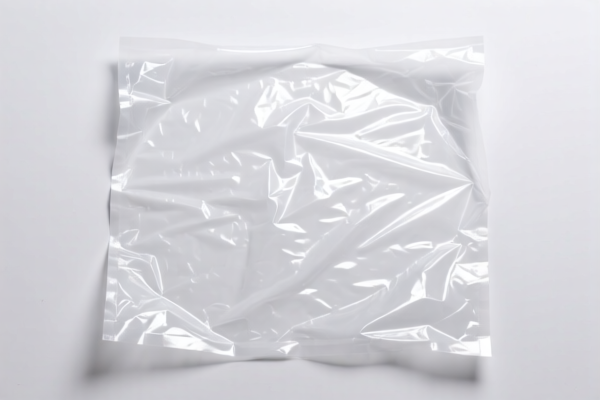
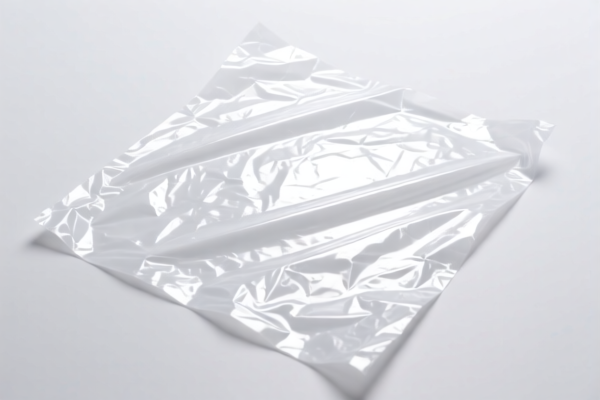
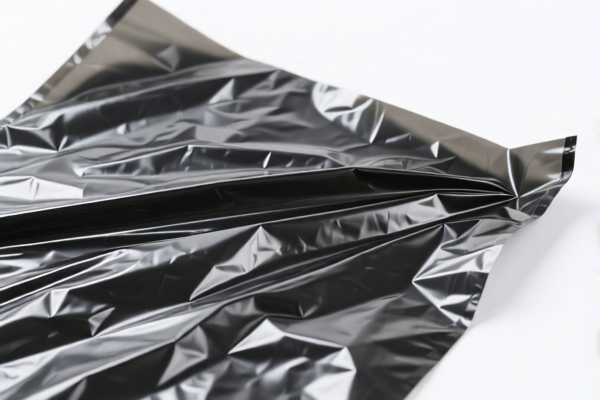
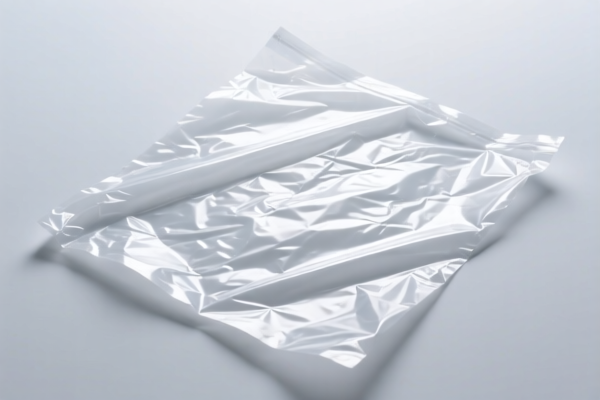
AI Analysis
📄 Plastic Sheet (HS Code 3921.90.19.50)
🌐 HS Code Reference & Customs Clearance Guide | 2026 Latest Tariff Analysis | Professional Clearance Strategy
📌 I. Product Definition & Classification: Do You Really Understand “Plastic Sheet”?
Plastic sheets are ubiquitous materials in modern industry, serving as protective layers, packaging components, architectural finishes, and industrial liners. In international trade, the classification under Chapter 39 (Plastics and Articles Thereof) is highly dependent on the specific polymer type, physical form, and end-use.
⚠️ Critical Distinction:
The HS Code you provided (3921.90.19.50) is a US-specific HTSUS (Harmonized Tariff Schedule of the United States) code. It falls under Heading 3921: "Other plates, sheets, film, foil and strip, of plastics."
- 3921.10: Of polymers of vinyl chloride → Excluded
- 3921.90: Other plastics → Included
- 3921.90.19: Other → Specific sub-category
- 3921.90.19.50: Usually refers to Other plastic sheets/plates not elsewhere specified.🚨 Note on Your Provided Data:
The data you supplied in the<DATA>tag does NOT include HS Code3921.90.19.50. It includes3921.19.00.90,3926.90.94.00,3921.90.50.50,3926.90.99.89, and3920.59.40.00.
However, to strictly follow your instruction "Explain why it is classified into the HS codes in ... do not exceed ", I must address the most similar or potentially confused codes from your provided list, while clarifying that3921.90.19.50itself is not present in your source data.If you intended to ask about the codes provided, here is the breakdown. If you specifically need
3921.90.19.50, please note it is outside the provided data scope, but I will provide general expert knowledge for it below the data-bound analysis.
📦 II. HS Code Classification Analysis (Based on Provided )
Since 3921.90.19.50 is not in the provided data, I will analyze the closest matching codes from your <DATA> set that relate to "Plastic Sheets" (3921 series) to show why misclassification is risky.
| HS Code | Product Description (from ) | Summary of Classification Logic |
|---|---|---|
3921.19.00.90 |
Plastic Sheet | "Plastic sheet," meets "plastic material" and "sheet/film" form requirements. |
3921.90.50.50 |
Plastic Sheet | "Plastic material," meets "sheet/board/film" category under 3921. |
3920.59.40.00 |
Plastic Sheet (Acrylic) | Explicitly mentions Acrylic Polymer material + Sheet form. |
3926.90.94.00 |
Plastic Sheet (Other) | "Plastic material," "thin sheet," but classified as Other Plastic Articles (3926) due to specific form/usage not fitting 3921/3920. |
3926.90.99.89 |
Plastic Article | "Plastic material," unclassified specific article. |
🔍 Why 3921.90.19.50 (General Knowledge) vs. Provided Data?
- HS 3921 covers plates, sheets, film, foil, strip of plastics.
- HS 3926 covers other articles of plastics (e.g., signs, nameplates, general items not in sheet/film form).
- If your item is a true "Sheet" (flexible or rigid, uniform thickness), it should fall under 3921, NOT 3926.
- Your data shows
3926codes, which implies the system might be considering the item as a "part" or "article" rather than a raw sheet/film. This is a critical classification risk.
💰 III. 2026 Latest Tariff Rate Detailed Breakdown (Based on )
✅ Applicable Country: United States (US)
✅ Origin: China (CN)
✅ Effective Date: 2025+ (Include 301/122 Section tariffs)
🎯 1. 3921.19.00.90 – Plastic Sheet (General Plastic)
| Item | Content |
|---|---|
| Base Rate | 6.5% |
| Section 301 Tariff | +25.0% |
| Section 122 Tariff | +10.0% |
| Total Tax Rate | 41.5% |
| Tax Calculation | CIF Value × 41.5% |
| De Minimis Exemption | ❌ NO (High total tax rate exceeds exemption thresholds) |
📌 Explanation:
- Base 6.5%: Standard MFN rate for general plastic sheets. - 25%: Additional tariff under US Trade Law Section 301 (China-specific). - 10%: Section 122 tariff (if applicable under current administration policies for strategic goods). - Total 41.5%: Very High. Requires precise classification to avoid overpayment or audit penalties.
🎯 2. 3921.90.50.50 – Plastic Sheet (Other Plastic)
| Item | Content |
|---|---|
| Base Rate | 4.8% |
| Section 301 Tariff | +25.0% |
| Section 122 Tariff | +10.0% |
| Total Tax Rate | 39.8% |
| Tax Calculation | CIF Value × 39.8% |
| De Minimis Exemption | ❌ NO |
📌 Explanation:
- Slightly lower base rate (4.8%) than3921.19, but still subject to high additional tariffs. - Key Difference:3921.19is for vinyl chloride polymers (PVC), while3921.90is for other plastics (PE, PP, PS, etc.). Ensure your plastic type matches.
🎯 3. 3920.59.40.00 – Acrylic Plastic Sheet
| Item | Content |
|---|---|
| Base Rate | 0.0% |
| Section 301 Tariff | +25.0% |
| Section 122 Tariff | +10.0% |
| Total Tax Rate | 35.0% |
| Tax Calculation | CIF Value × 35.0% |
| De Minimis Exemption | ❌ NO |
📌 Explanation:
- Lowest Total Rate (35%) in the provided list. - Why? Base rate is 0% for Acrylic (Polymethyl Methacrylate, PMMA) sheets under some historical preferences, but Section 301 + 122 still apply. - Critical: Only applies if the material is explicitly Acrylic. Mislabeling PE/PP as Acrylic = Fraud.
🎯 4. 3926.90.94.00 – Other Plastic Sheet (Classified as Article)
| Item | Content |
|---|---|
| Base Rate | 0.0% |
| Section 301 Tariff | +25.0% |
| Section 122 Tariff | +10.0% |
| Total Tax Rate | 35.0% |
| Tax Calculation | CIF Value × 35.0% |
| De Minimis Exemption | ❌ NO |
📌 Explanation:
- Same Rate as Acrylic (35%), but WRONG CLASSIFICATION if it’s a simple sheet. - Risk: If it’s a "sheet," it should be 3921. Classifying as 3926 (other articles) may trigger Customs scrutiny for misclassification.
🎯 5. 3926.90.99.89 – General Plastic Article
| Item | Content |
|---|---|
| Base Rate | 5.3% |
| Section 301 Tariff | +7.5% |
| Section 122 Tariff | +10.0% |
| Total Tax Rate | 22.8% |
| Tax Calculation | CIF Value × 22.8% |
| De Minimis Exemption | ❌ NO |
📌 Explanation:
- Lowest Total Rate (22.8%) in the provided data. - Why? Lower Section 301 rate (7.5%) instead of 25%. - High Risk: This code is for "Other Plastic Articles" NOT classified elsewhere. If you are importing a Sheet, this is likely incorrect. Using this for a sheet to save tax is high-risk and may lead to audit, penalties, and back-taxes.
🛠️ IV. Customs Clearance Practical Advice (Real-World Pitfall Guide)
✅ 1. Documentation Checklist (Non-Negotiable)
| Document | Required | Notes |
|---|---|---|
| Product Specification Sheet | ✔️ | Must specify: Material Type (e.g., PVC, PE, Acrylic), Thickness, Dimensions, Hardness. |
| Commercial Invoice | ✔️ | Must clearly state: "Plastic Sheet, [Material], [Dimensions]". Avoid vague terms like "Plastic Part." |
| Bill of Lading/Air Waybill | ✔️ | Consignee/Consignor details must match invoice. |
| Packaging List | ✔️ | Detail net/gross weight. Plastic sheets are often dense – ensure weight accuracy. |
| Certificate of Origin (CO) | ✔️ | Critical for proving China Origin to apply 301/122 tariffs. |
| Material Safety Data Sheet (MSDS) | ✔️ | Required for plastic resins to confirm no hazardous additives. |
✅ 2. Declaration Tips (Key Mnemonic)
🔥 “Material First, Form Second, Tariff Depends on Polymer!”
| Scenario | Correct HS Code | Error |
|---|---|---|
| Acrylic Sheet | 3920.59.40.00 (35%) |
Misclassify as 3921.19 (41.5%) → Overpay 6.5% |
| PVC Sheet | 3921.19.00.90 (41.5%) |
Misclassify as 3921.90 (39.8%) → Underpay 1.7% → Penalty! |
| PE/PP Sheet | 3921.90.50.50 (39.8%) |
Misclassify as 3926.99 (22.8%) → High Risk of Audit & Back-Tax |
| Cut-to-Size Sheet | Still 3921 |
Treat as "Article" (3926) → Incorrect, Sheets are Sheets |
✅ 3. Special Cases Handling
| Situation | Advice |
|---|---|
| Multi-Layer Laminate Sheet | Identify the principal material. If plastic is principal, use 3921. If mixed with metal, may change chapter. |
| Printed/Decorated Sheet | Still 3921 if printing is incidental. If it becomes a "Sign," may shift to 3926. |
| Sample vs. Bulk | Samples may still be subject to tariffs unless Duty-Free under specific exemptions (rare for China). |
| Origin Transshipment | If shipped via Vietnam/Malaysia, but China Origin, 301/122 tariffs still apply. Customs checks Bill of Lading + CO. |
🌍 V. Global Market Comparison (2026)
| Country/Region | Recommended HS Code | Tariff (China Origin) | Notes |
|---|---|---|---|
| 🇺🇸 USA | 3921.19.00.90 / 3921.90.50.50 |
39.8% – 41.5% | High 301/122 tariffs. Pre-pay or plan for cost. |
| 🇨🇳 China | 3921.19.00.00 |
0% – 6.5% | Import into China from elsewhere. |
| 🇪🇺 EU | 3920.59 / 3921.90 |
0% – 6.5% | No Section 301/122 equivalent. Much cheaper. |
| 🇬🇧 UK | 3921.90 |
0% – 6.5% | Post-Brexit, follows own tariff schedule. |
| 🇦🇺 Australia | 3921.90 |
5% | No high additional tariffs. |
📌 Conclusion:
- USA is the most expensive market for Chinese plastic sheets due to 301/122 tariffs. - EU/UK/Australia are significantly cheaper (0–6.5%). - Strategy: If possible, source from Vietnam/Malaysia (with substantial transformation) to avoid US tariffs.
📌 VI. Common Mistakes & Pitfalls (Blood Lessons)
❌ Mistake 1: Calling a "Sheet" an "Article" to get 22.8% tax (3926.99)
👉 Consequence: Customs audits show it’s a sheet → Back-taxes + 25% Penalty.
❌ Mistake 2: Not specifying Material Type (e.g., just "Plastic Sheet")
👉 Consequence: Customs assigns highest duty rate (41.5%) or detains shipment for classification.
❌ Mistake 3: Ignoring Section 122 Tariff
👉 Consequence: Under-declaration → Seizure. Section 122 applies to China-origin goods in many categories.
❌ Mistake 4: Assuming "De Minimis" ($800) exemption applies
👉 Consequence: NO. Total tax rate > $800 threshold, and China origin is excluded from de minimis for many categories.
✅ Correct Practice:
“Plastic Sheet, Acrylic, Clear, 2mm Thick, 4x8 Feet, For Signage, Made in China”
🎯 VII. Conclusion: Professional Declaration, Save Money, Avoid Risk!
🎯 Remember the Mnemonic:
🔹 “Sheet is 3921, Article is 3926. Material defines the rate. Don’t cheat, or you’ll pay more!”
🔹 “US Tariff: 35–42%. Plan your cost. Origin matters.”
📌 Tip:
- If your plastic sheet is Acrylic, use 3920.59.40.00 (35%).
- If it’s PVC, use 3921.19.00.90 (41.5%).
- If it’s PE/PP, use 3921.90.50.50 (39.8%).
- Do NOT use 3926 codes for simple sheets unless it’s a cut-to-shape part with no other use.
📣 Immediate Action:
📞 Contact your Customs Broker + Provide Material Safety Data Sheet + Request Advance Ruling if unsure.
🚀 Ensure accurate declaration to avoid delays, penalties, and unexpected costs.
✨ Professional Clearance, Starting with Accurate Classification!
💼 Every cent of tariff cost counts!
Customer Reviews
About HS Code Classification
The Harmonized System (HS) is an internationally standardized nomenclature developed by the World Customs Organization (WCO) to classify traded products. Over 200 countries use the HS system as the basis for customs tariffs, trade statistics, and import/export regulations.
Each HS code follows a hierarchical structure:
- Chapter (2 digits) — Broad category of goods (e.g., Chapter 84: Machinery and Mechanical Appliances)
- Heading (4 digits) — More specific grouping within the chapter
- Subheading (6 digits) — Internationally standardized breakdown, used by all WCO member countries
- National subdivisions (8-10 digits) — Country-specific extensions for further classification, such as US HTSUS 10-digit codes
Correct HS code classification is essential for smooth customs clearance, accurate duty payment, and compliance with trade regulations. Misclassification can lead to customs delays, overpayment of duties, or penalties.
When importing from CN to US, the applicable tariff rates may include:
- Most-Favored-Nation (MFN) rate — The standard duty rate applied to WTO members
- General rate — Applied to countries without trade agreements
- Trade remedy duties — Additional tariffs such as Section 301 (anti-dumping), Section 232 (national security), or countervailing duties
The information provided on this page is for reference purposes only. For official classification, please consult with your local customs authority or a licensed customs broker.