plastic sheet hs 3921904090
CN → US| HS Code | Tariff Rate | Origin | Destination | Doc |
|---|---|---|---|---|
| 3921190090 | 41.5% | CN | US | Official Doc |
| 3926909400 | 35.0% | CN | US | Official Doc |
| 3921905050 | 39.8% | CN | US | Official Doc |
| 3926909989 | 22.8% | CN | US | Official Doc |
| 3920594000 | 35.0% | CN | US | Official Doc |
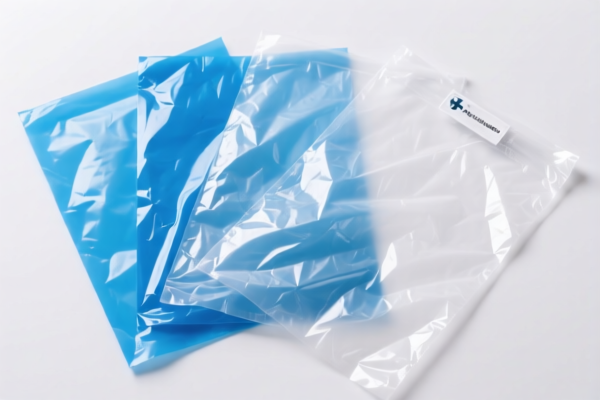
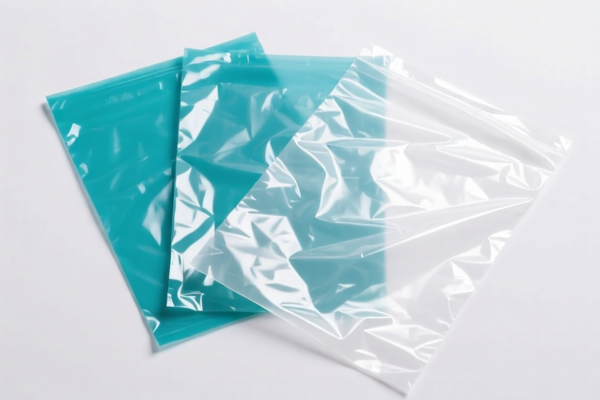
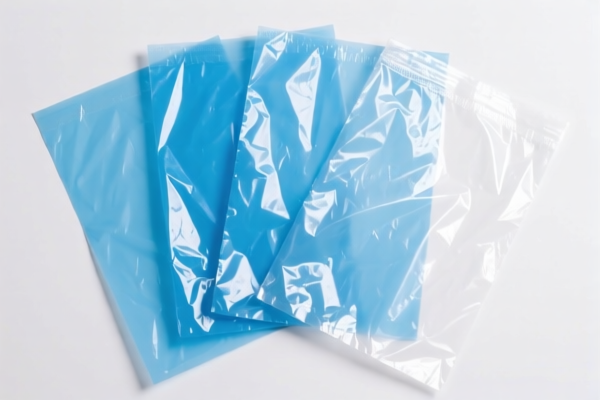
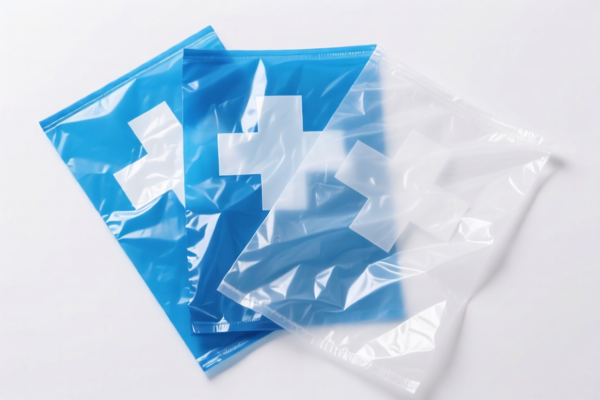
Product Images
AI Analysis
🛡️ Plastic Sheet (HS Code: 3921.90.40.90)
🌐 HS Code Reference & Customs Clearance Guide | 2026 Latest Tariff Analysis | Professional Customs Strategy
📌 I. Product Definition & Classification: Do You Really Understand "Plastic Sheet"?
Plastic Sheet (Plastic Sheet), in international trade, refers to flat articles made of plastic, excluding products classified under other specific headings (such as foils, plates, or specific composite materials). It must meet the material requirement of "Plastic" and the form requirement of "Sheet/Film."
⚠️ Key Distinction Point:
- If the material is Plastic and the form is Sheet, it generally falls under Chapter 39.
- Specifically, 3921.90.40.90 usually refers to "Other plates, sheets, film, film, and strip, of plastics" that do not fall under more specific subheadings (like those for cellulose, reinforced, or specific polymer types like acrylic/plexiglass which might fall under 3920 or 3926 depending on exact composition and processing).
- Crucial Note: The provided data highlights that while 3921.90.40.90 is the target, other codes like 3921.19.00.90, 3926.90.94.00, and 3920.59.40.00 are also viable depending on the exact polymer type (e.g., Acrylic vs. Generic Plastic) and structure.
📦 II. HS Code Classification Details (2026 Latest Tariff Authority Comparison)
The following table details the potential HS Codes from the provided data, their descriptions, and why they might be relevant to a "Plastic Sheet."
| HS Code | Product Description | Applicable Scenario | Material/Shape Match |
|---|---|---|---|
3921.19.00.90 |
Plastic sheet (plastic sheet), meeting the material requirement of "plastic" and the form requirement of "sheet/film." | Generic plastic sheets, packaging films, protective sheets | ✅ Material: Plastic ✅ Shape: Sheet |
3926.90.94.00 |
Commodity material is plastic (plastic), shape is thin sheet (sheet), consistent with the description of plastic thin sheets in the classification. | Thin plastic sheets, customized plastic components | ✅ Material: Plastic ✅ Shape: Thin Sheet |
3921.90.50.50 |
Commodity material is plastic (plastic), shape is sheet material (sheet), consistent with the category of plastic boards, sheets, films, foils, and strips. | Standard plastic boards/sheets | ✅ Material: Plastic ✅ Shape: Sheet |
3926.90.99.89 |
Commodity material is plastic (plastic), conforming to the plastic product attributes of HS 3926909989, belonging to the unclassified specific product category. | Unclassified plastic products, miscellaneous plastic items | ✅ Material: Plastic ✅ Shape: N/A (General) |
3920.59.40.00 |
Product name explicitly includes material (plastic/acrylic polymer) and shape (sheet/thin sheet), completely consistent with HS code requirements for material and shape. | Acrylic/Acrylic Polymer Sheets | ✅ Material: Acrylic/Plastic ✅ Shape: Sheet |
🔍 Important Reminder:
- 3921.90.40.90 is a specific subheading for "Other" plastic sheets. However, if the sheet is Acrylic (Polymethyl Methacrylate/PMMA), it is often classified under 3920.59.40.00.
- If the sheet is a finished article rather than a raw sheet/film, it might fall under 3926.90.94.00 or 3926.90.99.89.
- Misclassification Risk: Declaring a finished plastic part as a "sheet" to avoid higher tariffs is a common red flag for Customs.
💰 III. 2026 Latest Tariff Rate Details (Including Surcharges, Policy Add-ons)
✅ Applicable Country: United States (US)
✅ Origin: China (CN)
✅ Effective Date: From November 10, 2025 onwards (including subsequent imports)
🎯 1. 3921.19.00.90 —— Plastic Sheet (Generic)
| Item | Content |
|---|---|
| Base Tariff Rate | 6.5% (ad valorem) |
| USITC Surcharge (Section 301) | +25.0% |
| IEEPA Surcharge (Section 122) | +10.0% |
| Total Tax Rate | 41.5% |
| Tax Calculation | CIF Value × 41.5% |
| De Minimis Eligibility | ❌ Not Eligible (deny_de_minimis) |
| Legal Basis Path | Base: 6.5% → Section 301: 25% → IEEPA: 10% |
📌 Explanation:
- The 6.5% is the standard MFN (Most Favored Nation) duty for generic plastic sheets.
- The 25% is the Section 301 tariff applied to many Chinese plastic products.
- The 10% is the Section 122 tariff (or similar IEEPA surcharge) applied to Chinese goods.
- Total 41.5% is a significant cost driver.
🎯 2. 3926.90.94.00 —— Plastic Thin Sheet/Article
| Item | Content |
|---|---|
| Base Tariff Rate | 0.0% (ad valorem) |
| USITC Surcharge (Section 301) | +25.0% |
| IEEPA Surcharge (Section 122) | +10.0% |
| Total Tax Rate | 35.0% |
| Tax Calculation | CIF Value × 35.0% |
| De Minimis Eligibility | ❌ Not Eligible (deny_de_minimis) |
| Legal Basis Path | Base: 0.0% → Section 301: 25% → IEEPA: 10% |
📌 Note:
- The 0% base rate is attractive, but the 25%+10% surcharges still apply.
- This code is often used for "Other" plastic articles. Ensure the product is not a simple sheet that fits better under 3921.
🎯 3. 3921.90.50.50 —— Plastic Sheet (Other)
| Item | Content |
|---|---|
| Base Tariff Rate | 4.8% (ad valorem) |
| USITC Surcharge (Section 301) | +25.0% |
| IEEPA Surcharge (Section 122) | +10.0% |
| Total Tax Rate | 39.8% |
| Tax Calculation | CIF Value × 39.8% |
| De Minimis Eligibility | ❌ Not Eligible (deny_de_minimis) |
| Legal Basis Path | Base: 4.8% → Section 301: 25% → IEEPA: 10% |
🎯 4. 3926.90.99.89 —— Unclassified Plastic Product
| Item | Content |
|---|---|
| Base Tariff Rate | 5.3% (ad valorem) |
| USITC Surcharge (Section 301) | +7.5% |
| IEEPA Surcharge (Section 122) | +10.0% |
| Total Tax Rate | 22.8% |
| Tax Calculation | CIF Value × 22.8% |
| De Minimis Eligibility | ❌ Not Eligible (deny_de_minimis) |
| Legal Basis Path | Base: 5.3% → Section 301: 7.5% → IEEPA: 10% |
📌 Key Insight:
- This code has the lowest total tax rate (22.8%) due to a lower Section 301 surcharge (7.5% instead of 25%).
- However, it is a "catch-all" code. Misusing it for simple sheets can lead to penalties. It is best for complex plastic products that don't fit other categories.
🎯 5. 3920.59.40.00 —— Acrylic Polymer Sheet
| Item | Content |
|---|---|
| Base Tariff Rate | 0.0% (ad valorem) |
| USITC Surcharge (Section 301) | +25.0% |
| IEEPA Surcharge (Section 122) | +10.0% |
| Total Tax Rate | 35.0% |
| Tax Calculation | CIF Value × 35.0% |
| De Minimis Eligibility | ❌ Not Eligible (deny_de_minimis) |
| Legal Basis Path | Base: 0.0% → Section 301: 25% → IEEPA: 10% |
📌 Note:
- If your "Plastic Sheet" is Acrylic (PMMA), this is the most accurate code.
- The 0% base rate is offset by the 35% surcharges.
🛠️ IV. Customs Clearance Practical Advice (Real-World Pitfall Guide)
✅ 1. Preparation Checklist (All Documents Required)
| Document | Mandatory? | Description |
|---|---|---|
| ✅ Product Specification Sheet | ✔️ | Must include material type (e.g., PVC, PE, Acrylic), thickness, dimensions, density. |
| ✅ Material Safety Data Sheet (MSDS) | ✔️ | Required for customs to verify material composition. |
| ✅ Product Photos (Clear) | ✔️ | Show the sheet texture, packaging, and any markings. |
| ✅ Commercial Invoice | ✔️ | Must clearly state "Plastic Sheet," HS Code, and Country of Origin. |
| ✅ Packing List | ✔️ | Detail weight, dimensions, and number of packages. |
| ✅ Certificate of Origin (CO) | ✔️ | If claiming any preferential treatment (though unlikely for US/China). |
✅ 2. Declaration Tips (Key Mnemonic)
🔥 "Material First, Shape Second, Code Specific, Tax Lower!"
| Scenario | Correct Declaration | Wrong Practice |
|---|---|---|
| Generic Plastic Sheet | 3921.19.00.90 or 3921.90.50.50 |
Declaring as "Plastic Part" → 22.8% (if misclassified) or higher if caught. |
| Acrylic Sheet | 3920.59.40.00 |
Declaring as generic "Plastic Sheet" → 41.5% (if misclassified as 3921.19) or 35% (if 3920 but with wrong sub). |
| Thin Plastic Film/Sheet | 3926.90.94.00 |
Declaring as "Plastic Board" → Different duty rates. |
| Finished Plastic Article | 3926.90.99.89 |
Declaring as "Sheet" → Severe Penalty for false declaration. |
✅ 3. Special Circumstances Handling
| Situation | Handling Advice |
|---|---|
| Acrylic vs. Generic Plastic | Crucial: Acrylic (PMMA) has a different HS code (3920) than generic plastics (3921/3926). Misidentifying Acrylic as generic plastic can lead to audits. |
| Composite Materials | If the sheet is laminated or has other materials, it may not be "100% plastic." Check if it fits "Plastic-coated" or "Composite" codes. |
| Thickness Matters | Very thin sheets (films) might fall under 3920, while thicker sheets fall under 3921 or 3926. |
| Used vs. New | New sheets are classified under 3921/3926. Used plastic sheets may fall under 3915 (waste/scrap) or be prohibited/restricted. |
🌍 V. Global Main Market Clearance Comparison (2026 Latest)
| Country/Region | Recommended HS Code | Tariff Rate | Certification Requirements | Notes |
|---|---|---|---|---|
| 🇺🇸 USA | 3920.59.40.00 (Acrylic)3921.19.00.90 (Generic) |
35% - 41.5% (incl. 301+122) |
FDA (if food contact), Prop 65 | High tariffs due to US-China trade war. |
| 🇨🇳 China | 3920.59.40.00 |
5% - 8% | CCC (if applicable) | No Section 301/122 tariffs. |
| 🇪🇺 EU | 3920.59.40.00 |
0% - 4.5% | REACH, RoHS | No major surcharges for plastics. |
| 🇦🇺 Australia | 3920.59.40.00 |
5% | RCM | Moderate tariffs. |
| 🇯🇵 Japan | 3920.59.40.00 |
0% - 6% | JIS | Low tariffs. |
📌 Conclusion:
- The USA is the most expensive market for plastic sheets due to Section 301 (25%) and Section 122 (10%) surcharges.
- Acrylic sheets have a lower base rate (0%) but still face high surcharges (35%).
- Generic sheets have a higher base rate (6.5%) but the same surcharges, leading to a 41.5% total rate.
📌 VI. Common Errors & Pitfall Guide (Lessons Learned)
❌ Error 1: Declaring Acrylic Sheets as Generic Plastic Sheets (3921 instead of 3920)
👉 Consequence: While the total rate might seem similar (35% vs 41.5%), incorrect classification can lead to audits and penalties for misdeclaration. Acrylic is a distinct polymer.
❌ Error 2: Declaring Finished Plastic Parts as Plastic Sheets
👉 Consequence: Customs may reject the shipment for false classification. The correct code might be 3926.90.99.89 (22.8% total), but declaring it as a sheet is a violation.
❌ Error 3: Ignoring Thickness and Form
👉 Consequence: Films and sheets have different classifications. If the product is a "film" (<0.15mm), it may fall under a different subheading.
❌ Error 4: Not disclosing Material Composition
👉 Consequence: Customs may request lab tests to determine if it is PVC, PE, PP, or Acrylic. Delays and additional costs.
✅ Correct Practice:
"Acrylic Sheet, Polymethyl Methacrylate (PMMA), 3mm Thick, Clear, Model XYZ, Certified for Outdoor Use"
🎯 VII. Conclusion: Professional Declaration, Save Time, Reduce Costs!
🎯 Remember the Mnemonic:
🔹 "Acrylic is 3920, Generic is 3921, Article is 3926, Code Choice Matters!"
🔹 "Tariff is High (35-41%), Declaration Must Be Precise, Penalty is Severe!"
📌 Tips:
- If your plastic sheet is recycled or waste, it falls under 3915, which has different duties and restrictions.
- Consider pre-classification rulings from US Customs if the product is complex.
- Supply Chain Diversification: If tariffs are too high, consider sourcing from Vietnam, Thailand, or Mexico to avoid US-China surcharges (though rules of origin must be strictly met).
📣 Immediate Action:
📞 Contact a professional customs broker + Provide Material Specs + Apply for HS Code Pre-Ruling
🚀 Let your plastic sheet clear customs smoothly, efficiently, and cost-effectively!
✨ Professional Clearance, Starts with Accurate Classification!
💼 Every cent of your cost deserves precise calculation!
Customer Reviews
About HS Code Classification
The Harmonized System (HS) is an internationally standardized nomenclature developed by the World Customs Organization (WCO) to classify traded products. Over 200 countries use the HS system as the basis for customs tariffs, trade statistics, and import/export regulations.
Each HS code follows a hierarchical structure:
- Chapter (2 digits) — Broad category of goods (e.g., Chapter 84: Machinery and Mechanical Appliances)
- Heading (4 digits) — More specific grouping within the chapter
- Subheading (6 digits) — Internationally standardized breakdown, used by all WCO member countries
- National subdivisions (8-10 digits) — Country-specific extensions for further classification, such as US HTSUS 10-digit codes
Correct HS code classification is essential for smooth customs clearance, accurate duty payment, and compliance with trade regulations. Misclassification can lead to customs delays, overpayment of duties, or penalties.
When importing from CN to US, the applicable tariff rates may include:
- Most-Favored-Nation (MFN) rate — The standard duty rate applied to WTO members
- General rate — Applied to countries without trade agreements
- Trade remedy duties — Additional tariffs such as Section 301 (anti-dumping), Section 232 (national security), or countervailing duties
The information provided on this page is for reference purposes only. For official classification, please consult with your local customs authority or a licensed customs broker.