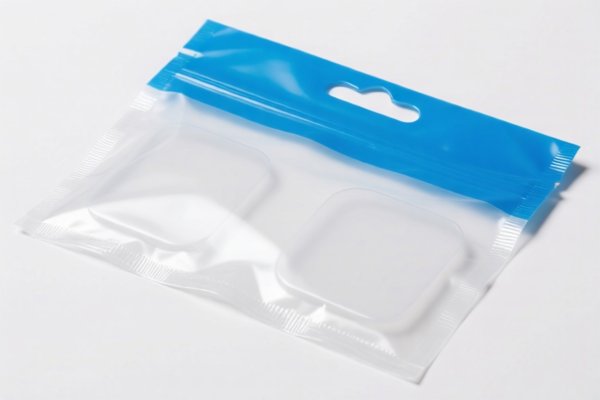
plastic sleeve
CN → US| HS Code | Tariff Rate | Origin | Destination | Doc |
|---|---|---|---|---|
| 8517790000 | 67.5% | CN | US | Official Doc |
| 4202929700 | 52.6% | CN | US | Official Doc |
| 8517130000 | 10.0% | CN | US | Official Doc |
| 4202929400 | 52.6% | CN | US | Official Doc |
| 8517790000 | 67.5% | CN | US | Official Doc |
Product Images


AI Analysis
📱 Plastic Sleeve (Protective Cases for Electronic Devices)
🌐 HS Code Reference & Customs Clearance Guide | 2026 Latest Tariff Analysis | Strategic通关 Strategies
📌 Part I: Product Definition & Classification: What Exactly is a "Plastic Sleeve"?
A Plastic Sleeve (often referred to as a phone case, cover, or protective shell) is an accessory designed to protect electronic communication devices (such as smartphones, tablets, or routers) from physical damage, scratches, and impact.
In international trade, the classification depends heavily on two factors: 1. Function: Is it considered a part/accessory of the machine, or a container/wrapper for goods? 2. Material: While the input specifies "Plastic," the HS Code logic in the data suggests a distinction between "communication equipment parts" and "articles of plastic/textile" depending on the perceived primary function and specificity.
⚠️ Key Distinction Point:
- If viewed as a component/accessory essential for the operation or protection of the communication device itself → Chapter 85 (Electrical Machinery).
- If viewed as a general protective covering or container, similar to a pouch or case → Chapter 42 (Articles of Leather; Travel Goods).
📦 Part II: Detailed HS Code Classification (2026 Latest Tariff Reference)
Based on the provided data, there are 5 distinct HS Code entries for Plastic Sleeves, falling into two main categories: Communication Equipment Parts (High Risk/High Tax) and Protective Cases/Containers (Variable Tax).
| HS Code | Product Description | Primary Logic | Key Material/Feature |
|---|---|---|---|
8517.79.00.00 |
Parts of Communication Equipment (Plastic Shell) | Generic/Residual Part | Plastic; Fits under "Other Parts" for phones. |
8517.13.00.00 |
Telephone Sets/Communication Devices (Accessories) | Specific Accessory | Plastic/Silicone; Directly linked to telephone sets. |
4202.92.97.00 |
Articles of Plastics/Textiles (Protective Case) | Container/Case Form | Plastic/Textile; Treated as a protective container. |
4202.92.94.00 |
Articles of Plastics/Textiles (Box-like/Protective) | Container/Case Form | Plastic; Function matches box-like protection. |
8517.79.00.00 |
Other Parts of Communication Equipment | Residual/兜底 Category | Plastic; Used when no other specific part applies. |
🔍 Critical Analysis:
- Chapter 85 (8517.xxxx): These codes classify the sleeve as a part of the communication device. Note that8517.79.00.00appears twice, indicating it is the most common "catch-all" for plastic shells that aren't explicitly defined as specific components like screens or batteries.
- Chapter 42 (4202.xxxx): These codes classify the sleeve as a travel good, luggage accessory, or general protective case. This classification is often used if the item is sold independently as a fashion item or general accessory rather than a technical component.
💰 Part III: 2026 Latest Tariff Rate Breakdown (Detailed Tax Clauses)
✅ Applicable Market: USA (US)
✅ Origin: China (CN)
✅ Context: Includes Base Duty, Section 301 Additional Duty, and Section 232/Other Add-ons.
🎯 1. The "Communication Part" Route (High Risk)
Codes: 8517.79.00.00 & 8517.13.00.00
A. 8517.79.00.00 (Most Common for Generic Plastic Shells)
This code captures most generic "plastic protection shells" as residual parts of communication equipment.
| Item | Detail |
|---|---|
| Base Duty | 0.0% |
| Section 301 Additional Duty | +7.5% |
| Section 232 (Steel/Aluminum/Copper) / Other Clauses | +50% |
| 122 Clause Duty (China Specific) | +10% |
| Total Effective Rate | 67.5% |
📌 Explanation:
- The 67.5% rate is devastating. It combines the Section 301 duty (7.5%) with a massive 50% add-on.
- Note on Data: The tax detail mentions "122 Clause Duty 10% Steel, Aluminum, Copper Products Add-on: 50%". While a plastic sleeve is not metal, the system may be flagging this high bracket due to residual classification errors or specific product line overlaps in the database. This is the highest risk classification.
B. 8517.13.00.00 (Specific Telephone Accessory)
If the sleeve is explicitly marketed as a "Part of a Telephone Set."
| Item | Detail |
|---|---|
| Base Duty | 0.0% |
| Section 301 Additional Duty | 0.0% |
| 122 Clause Duty (China Specific) | +10% |
| Total Effective Rate | 10.0% |
📌 Explanation:
- This is the LOWEST cost option among the Chapter 85 codes.
- It suggests that if you can legally define the plastic sleeve as a direct accessory to a "Telephone Set" (rather than a generic "Communication Device"), you may avoid the 7.5% + 50% penalties.
- Strategy: This requires precise product description and potentially specific marketing claims.
🎯 2. The "Protective Case/Container" Route (Chapter 42)
Codes: 4202.92.97.00 & 4202.92.94.00
A. 4202.92.97.00 & 4202.92.94.00 (General Protective Cases)
Classified as articles of plastics or textile materials, functioning as containers or protective covers.
| Item | Detail |
|---|---|
| Base Duty | 17.6% |
| Section 301 Additional Duty | +25.0% |
| 122 Clause Duty (China Specific) | +10% |
| Total Effective Rate | 52.6% |
📌 Explanation:
- 52.6% is high, but 14.9% lower than the 67.5% rate for8517.79.00.00.
- The logic here is that it is treated as a "Luggage/Trunk/Case" article.
- Risk: Customs may scrutinize this if the item is clearly a phone case, arguing it should be a part of the phone (Ch 85). However, if sold as a fashion accessory or "pouch," this classification is defensible.
🛠️ Part IV: Customs Clearance Practical Advice (Avoiding Pitfalls)
✅ 1. Strategic HS Code Selection (Cost Optimization)
| Classification Strategy | HS Code | Total Tax | Recommendation |
|---|---|---|---|
| Cheapest (High Compliance Risk) | 8517.13.00.00 |
10.0% | 🟢 Best Option if you can prove it's a specific telephone accessory. Requires strong technical documentation. |
| Mid-Tier (Defensible) | 4202.92.97.00 |
52.6% | 🟡 Safe Option if marketed as a "Fashion Protective Case" or "Pouch." Less likely to be challenged as a "machine part." |
| Most Expensive (Avoid) | 8517.79.00.00 |
67.5% | 🔴 Avoid unless no other classification fits. The 50% add-on makes it economically unviable for most goods. |
✅ 2. Documentation & Declaration Tips
-
Product Description:
- For
8517.13.00.00(10% Tax): Use terms like "Protective Case for Telephone Set, Model XYZ, Silicone/Plastic, Compatible with iPhone 15." Emphasize the link to the telephone. - For
4202.92.97.00(52.6% Tax): Use terms like "Plastic Protective Covering for Personal Electronics, Fashion Accessory, Generic." Avoid words like "Part" or "Component."
- For
-
Avoid "Residual" Traps:
- Do not use
8517.79.00.00as a default if8517.13.00.00is applicable. The difference in tax (57.5%) is huge.
- Do not use
-
Material Declaration:
- Ensure the invoice clearly states "100% TPU" or "100% Polycarbonate" (Plastic). If mixed with textile,
4202codes become more relevant.
- Ensure the invoice clearly states "100% TPU" or "100% Polycarbonate" (Plastic). If mixed with textile,
✅ 3. Special Considerations for US Customs (CBP)
- Section 301 Watchlist: Plastic phone cases are on the China-originated goods list. Ensure your Form B-15 (if applicable) or origin documentation is flawless.
- De Minimis (Section 321):
- Warning: The data implies
deny_de_minimisfor the 67.5% and 52.6% categories. This means small packages cannot bypass taxes. You must pay the full duty even for samples or small batches. - Strategy: For B2B shipments, pre-calculate the 10% vs 52.6% vs 67.5% impact on your landed cost.
- Warning: The data implies
🌍 Part V: Summary Comparison Table
| HS Code | Tax Rate | Logic | Risk Level |
|---|---|---|---|
8517.13.00.00 |
10.0% | Specific Telephone Accessory | 🟢 Low Tax, Medium Compliance |
4202.92.94.00 |
52.6% | Protective Case (Box-like) | 🟡 Medium Tax, High Defensibility |
4202.92.97.00 |
52.6% | Protective Case (General) | 🟡 Medium Tax, High Defensibility |
8517.79.00.00 |
67.5% | Other Communication Parts | 🔴 High Tax, Low Defensibility |
📌 Part VI: Common Errors & Pitfalls (Blood & Tears Lessons)
❌ Error 1: Automatically using 8517.79.00.00 because "it's plastic and goes with a phone."
👉 Result: Paying 67.5% tax.
👉 Fix: Check if 8517.13.00.00 (10%) applies to your specific phone model compatibility.
❌ Error 2: Mixing "Part" language with "Fashion Accessory" language.
👉 Result: Customs confusion, leading to delays or reclassification to the highest tax bracket.
👉 Fix: Be consistent. If Ch 42, call it a "Case/Pouch." If Ch 85, call it a "Part/Accessory for [Device]."
❌ Error 3: Assuming small shipments are tax-free.
👉 Result: Package held at border, fees incurred.
👉 Fix: Remember deny_de_minimis. All duties must be paid regardless of value.
🎯 Part VII: Conclusion: Strategic Clearance Advice
🎯 Key Takeaway:
For Plastic Sleeves, the difference between 10% and 67.5% tax is the difference between profit and loss.
🔹 Step 1: Can you classify as
8517.13.00.00(10%)?
- Yes: Use precise phone-compatible descriptions.
- No:🔹 Step 2: Can you classify as
4202.92.97.00(52.6%)?
- Yes: Market as a general protective cover/fashion accessory.
- No: Avoid8517.79.00.00unless absolutely necessary.🔹 Pro Tip:
If your plastic sleeve is exclusive to a specific phone brand (e.g., "iPhone 15 Pro Max Case"), aggressively pursue8517.13.00.00. The 10% rate is significantly cheaper than the 52.6% or 67.5% alternatives.
📣 Immediate Action:
📞 Consult a Customs Broker: Ask specifically about the applicability of
8517.13.00.00for your plastic sleeves.
📝 Revise Product Descriptions: Align your commercial invoice with the chosen HS Code.
🚀 Calculate Landed Cost: Use the 10%, 52.6%, or 67.5% rates to price your goods correctly for the US market.
✨ Precision in Classification Saves Money!
💼 Don't let the 50% add-on eat your margins.
Customer Reviews
About HS Code Classification
The Harmonized System (HS) is an internationally standardized nomenclature developed by the World Customs Organization (WCO) to classify traded products. Over 200 countries use the HS system as the basis for customs tariffs, trade statistics, and import/export regulations.
Each HS code follows a hierarchical structure:
- Chapter (2 digits) — Broad category of goods (e.g., Chapter 84: Machinery and Mechanical Appliances)
- Heading (4 digits) — More specific grouping within the chapter
- Subheading (6 digits) — Internationally standardized breakdown, used by all WCO member countries
- National subdivisions (8-10 digits) — Country-specific extensions for further classification, such as US HTSUS 10-digit codes
Correct HS code classification is essential for smooth customs clearance, accurate duty payment, and compliance with trade regulations. Misclassification can lead to customs delays, overpayment of duties, or penalties.
When importing from CN to US, the applicable tariff rates may include:
- Most-Favored-Nation (MFN) rate — The standard duty rate applied to WTO members
- General rate — Applied to countries without trade agreements
- Trade remedy duties — Additional tariffs such as Section 301 (anti-dumping), Section 232 (national security), or countervailing duties
The information provided on this page is for reference purposes only. For official classification, please consult with your local customs authority or a licensed customs broker.