plastic snack tray
CN → US| HS Code | Tariff Rate | Origin | Destination | Doc |
|---|---|---|---|---|
| 3924102000 | 24.0% | CN | US | Official Doc |
| 3924103000 | 22.8% | CN | US | Official Doc |
| 6911108010 | 38.3% | CN | US | Official Doc |
| 6911103510 | 43.5% | CN | US | Official Doc |
| 3924102000 | 24.0% | CN | US | Official Doc |
Product Images
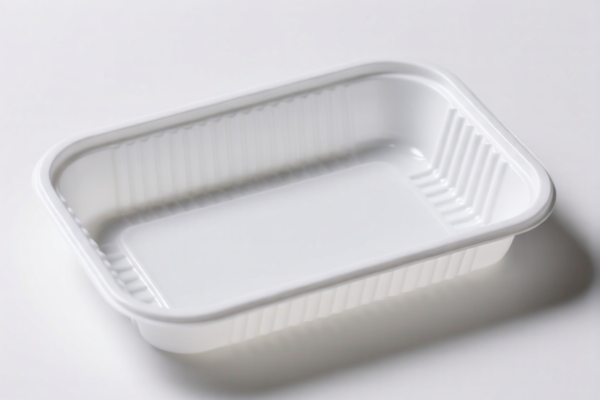
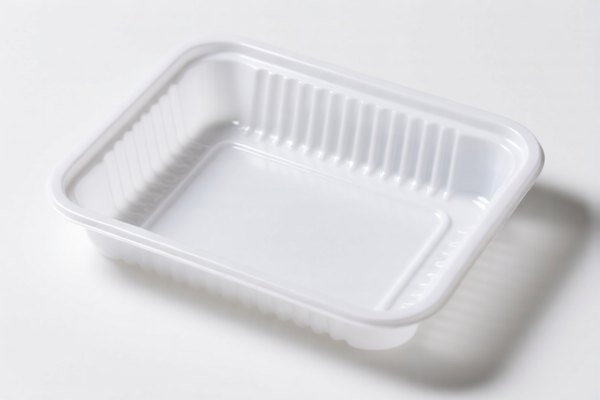
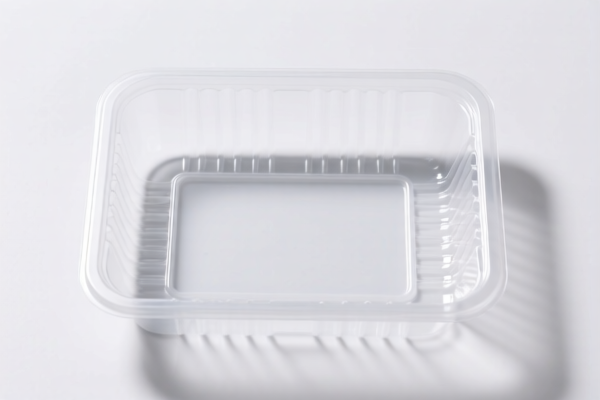
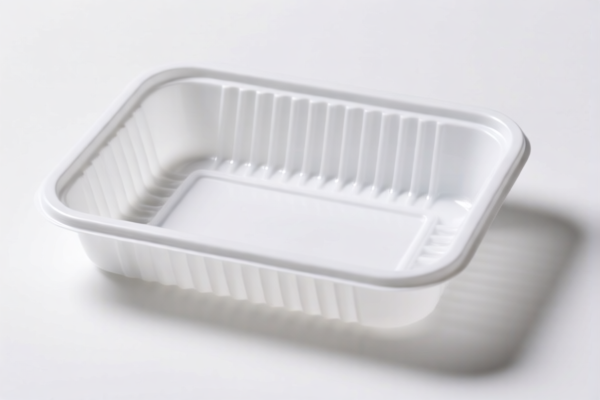
AI Analysis
🍽️ Plastic Snack Tray (塑料制餐盘/零食杯)
🌐 HS Code Reference & Customs Clearance Guide | 2026 Latest Tariff Analysis | Professional Strategy for Home Goods
📌 Part 1: Product Definition & Classification – What Exactly is a "Plastic Snack Tray"?
A Plastic Snack Tray is a household item designed primarily for holding and serving food, specifically snacks (chips, nuts, candy) or fruits. In international trade, classification depends strictly on the material and specific form, not just the general function.
Key Distinctions: * General Meal Plates (餐盘): Designed for full meals. * Fruit/Snack Specific Items (水果盘/零食杯): Designed for specific small portions (fruits, dry snacks). * Material: The examples provided are exclusively Plastic (Polymers).
⚠️ Critical Classification Point:
- If it is a Plastic Plate meant for general dining or snacks, it falls under 3924.10.
- If it is specifically a Plastic Fruit Bowl/Cup, it may fall under 3924.10 (same code, different sub-description) or similar plastic articles.
- Note: The provided data shows both "Plastic Plates" and "Plastic Fruit/Snack Cups" mapping to HS Code 3924.10.20.00 or 3924.10.30.00. We must distinguish between these sub-codes for accurate duty calculation.
📦 Part 2: HS Code Classification Details (2026 Latest Tariff Concordance)
Based on the provided data, here is the breakdown for Plastic Snack Trays.
| HS Code | Product Description | Application Scenario | Material | Total Tax Rate |
|---|---|---|---|---|
3924.10.20.00 |
Plastic Meal Plates (Plastic Tableware) | General serving, meals, snacks (if classified as plate) | Plastic | 24.0% |
3924.10.30.00 |
Plastic Fruit/Snack Cups | Specifically for holding fruits, nuts, dry snacks | Plastic | 22.8% |
🔍 Important Note on Ceramic vs. Plastic:
The data also includes Ceramic items (6911.10...), but since your product is Plastic, you MUST NOT use HS Codes starting with69. Using a ceramic code for a plastic item is a major customs violation leading to fines and seizure.
💰 Part 3: 2026 Latest Tariff Rate Breakdown (Including Additional Duties)
✅ Applicable Country: United States (US)
✅ Origin: China (CN)
✅ Effective Date: 2025/2026 (Current Policy)
🎯 1. 3924.10.20.00 – Plastic Plates (General/Snack)
| Item | Content |
|---|---|
| Base Tariff | 6.5% |
| Section 301 Additional Tariff | 7.5% |
| Section 122 Additional Tariff | 10% |
| Total Tariff Rate | 24.0% |
| Tax Calculation | CIF Value × 24.0% |
| De Minimis Exemption | ❌ No (Section 301 and 122 duties generally do not apply to de minimis exemptions in the same way, or are subject to strict scrutiny; however, for professional clearance, assume full duty for B2B). |
| Legal Basis Path | HTSUS: 3924.10 → Section 301 (Footnote 9903.88.01) → Section 122 |
📌 Explanation:
- Base (6.5%): Standard Most Favored Nation (MFN) rate for plastic tableware.
- Section 301 (7.5%): Trade war tariffs on Chinese plastics.
- Section 122 (10%): Additional duties for national security/economic reasons.
- Total: 24.0%. This is a significant cost factor.
🎯 2. 3924.10.30.00 – Plastic Fruit/Snack Cups
| Item | Content |
|---|---|
| Base Tariff | 5.3% |
| Section 301 Additional Tariff | 7.5% |
| Section 122 Additional Tariff | 10% |
| Total Tariff Rate | 22.8% |
| Tax Calculation | CIF Value × 22.8% |
| De Minimis Exemption | ❌ No |
| Legal Basis Path | HTSUS: 3924.10 → Section 301 → Section 122 |
📌 Explanation:
- Base (5.3%): Slightly lower base rate for specific fruit/serving cups compared to general plates.
- Total: 22.8%.
- Savings: Choosing3924.10.30.00over3924.10.20.00saves 1.2% on the total value. If you have large volumes, this adds up!
🛠️ Part 4: Customs Clearance Practical Advice (Real-World Pitfall Guide)
✅ 1. Required Documentation Checklist (None Can Be Missing)
| Document | Must Provide | Description |
|---|---|---|
| ✅ Commercial Invoice | ✔️ | Must clearly state "Plastic Snack Tray" or "Plastic Fruit Bowl". Avoid vague terms like "Household Item". |
| ✅ Packing List | ✔️ | Detail weight, dimensions, and quantity. |
| ✅ Product Photos | ✔️ | Clear photos showing the item is Plastic (not ceramic/metal). Show food contact safety labels (e.g., FDA compliant logo). |
| ✅ Material Declaration | ✔️ | Specify plastic type (e.g., PP, PE, PS). This helps customs verify it's not restricted materials. |
| ✅ HS Code Confirmation | ✔️ | Pre-clearance confirmation for 3924.10.30.00 if applicable. |
✅ 2. Declaration Strategy (Key Mnemonic)
🔥 "Be Specific, Not Generic: 'Plate' vs 'Fruit Cup' Matters!"
| Scenario | Correct HS Code | Why? |
|---|---|---|
| Rectangular tray for chips/snacks | 3924.10.20.00 (Plate) or 3924.10.30.00 (Cup/Tray) |
If it's shallow and wide, argue for 30 if it fits the "Fruit/Snack" definition. |
| Deep plastic cup for yogurt/fruit | 3924.10.30.00 |
Specifically for fruits/snacks. Lower Tax! |
| Ceramic tray (Mistake) | 6911.10.80.10 |
WRONG for plastic. High tax (38.3%). |
📌 Pro Tip:
If your product is a shallow, wide tray meant for snacks, try to classify it as3924.10.30.00(Plastic Fruit/Snack Article) rather than3924.10.20.00(Plate).
- Tax Saving: 24.0% vs 22.8%.
- Condition: Ensure the item is not clearly a "meal plate" for hot food. Snack cups/trays are more likely to fit30.
✅ 3. Special Situations
| Situation | Handling Advice |
|---|---|
| FDA Compliance | Must provide proof of FDA Food Contact compliance. Plastic tableware must be safe for food. Without this, customs may block entry. |
| Packaging | If shipped with non-plastic accessories (e.g., plastic forks), declare them separately or ensure they are minor accessories. |
| Origin Labeling | Ensure "Made in China" is clearly marked on the product/packaging to avoid country of origin fraud claims. |
🌍 Part 5: Global Market Clearance Comparison (2026)
| Country/Region | Recommended HS Code | Tariff (China Origin) | Certification Requirements | Notes |
|---|---|---|---|---|
| 🇺🇸 USA | 3924.10.30.00 |
22.8% | FDA + Section 301 + 122 | High tariff environment. |
| 🇺🇸 USA | 3924.10.20.00 |
24.0% | FDA + Section 301 + 122 | 1.2% higher than above. |
| 🇨🇳 China | 3924.10 |
~5-10% | CCC (if applicable) | Lower tariffs. |
| 🇪🇺 EU | 3924.10 |
~3-6% | LFGB/Food Contact | No Section 301/122. |
| 🇬🇧 UK | 3924.10 |
~5-8% | UKCA/Food Contact | Post-Brexit rules apply. |
📌 Conclusion:
- The USA is the most challenging market due to Section 301 and 122 duties.
- Always aim for3924.10.30.00if your product is specifically a snack/fruit holder, as it saves 1.2% in duty.
📌 Part 6: Common Errors & Pitfall Guide (Lessons Learned)
❌ Error 1: Classifying Plastic Snack Tray as 6911 (Ceramic)
👉 Consequence: Tax jumps from 22.8% to 38.3% + Potential customs fraud investigation.
👉 Fix: Always declare material as Plastic (39).
❌ Error 2: Using "Household Plastic Item" as Description
👉 Consequence: Customs delays. Need to clarify if it's a plate, cup, or container.
👉 Fix: Use "Plastic Snack Tray" or "Plastic Fruit Serving Bowl".
❌ Error 3: Ignoring Section 122 Tariff (10%)
👉 Consequence: Under-declaring duty.
👉 Fix: Ensure your HS code search includes all current additional duties (301 + 122).
✅ Correct Declaration Example:
"Plastic Snack Tray, PP Material, FDA Compliant, for Dry Snacks, Model XYZ, Made in China"
🎯 Part 7: Conclusion – Professional Declaration, Cost Saving, Risk Free!
🎯 Remember the Mnemonic:
🔹 "Plastic Snack, Look to 39; 30 is Better, 2% Less Due; No Ceramic Mix, Keep it Clear!"
🔹 "Section 301 & 122 Add 17.5%, Total Tax 22.8% - 24.0%; Declare Correctly, Avoid the Stress!"
📌 Pro Tip:
If you are importing large volumes, consider HS Code Pre-Ruling from CBP (Customs and Border Protection) to lock in the classification as 3924.10.30.00 (22.8%) instead of 3924.10.20.00 (24.0%). This small difference can save thousands of dollars annually.
📣 Immediate Action:
📞 Contact Your Freight Forwarder + Provide Product Specs + Confirm FDA Compliance
🚀 Clear Customs Smoothly, Maximize Profit, Export Successfully!
✨ Professional Clearance Starts with Accurate Classification!
💼 Every Percentage Point of Tax Matters!
Customer Reviews
About HS Code Classification
The Harmonized System (HS) is an internationally standardized nomenclature developed by the World Customs Organization (WCO) to classify traded products. Over 200 countries use the HS system as the basis for customs tariffs, trade statistics, and import/export regulations.
Each HS code follows a hierarchical structure:
- Chapter (2 digits) — Broad category of goods (e.g., Chapter 84: Machinery and Mechanical Appliances)
- Heading (4 digits) — More specific grouping within the chapter
- Subheading (6 digits) — Internationally standardized breakdown, used by all WCO member countries
- National subdivisions (8-10 digits) — Country-specific extensions for further classification, such as US HTSUS 10-digit codes
Correct HS code classification is essential for smooth customs clearance, accurate duty payment, and compliance with trade regulations. Misclassification can lead to customs delays, overpayment of duties, or penalties.
When importing from CN to US, the applicable tariff rates may include:
- Most-Favored-Nation (MFN) rate — The standard duty rate applied to WTO members
- General rate — Applied to countries without trade agreements
- Trade remedy duties — Additional tariffs such as Section 301 (anti-dumping), Section 232 (national security), or countervailing duties
The information provided on this page is for reference purposes only. For official classification, please consult with your local customs authority or a licensed customs broker.