plastic soled short boots with protective metal toe caps
CN → US| HS Code | Tariff Rate | Origin | Destination | Doc |
|---|---|---|---|---|
| 6401929060 | 55.0% | CN | US | Official Doc |
| 6401929030 | 55.0% | CN | US | Official Doc |
| 6402914067 | 16.0% | CN | US | Official Doc |
| 3926909989 | 22.8% | CN | US | Official Doc |
| 6402914050 | 16.0% | CN | US | Official Doc |
Product Images
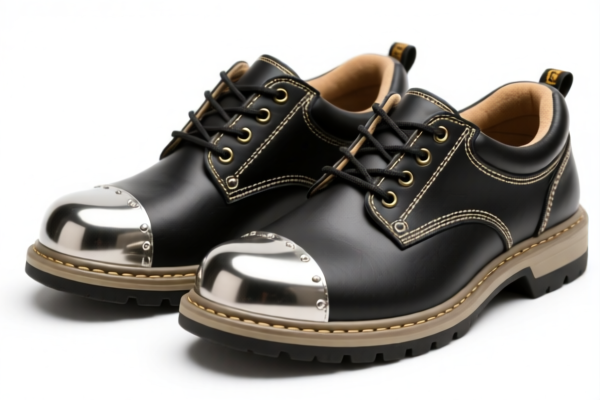
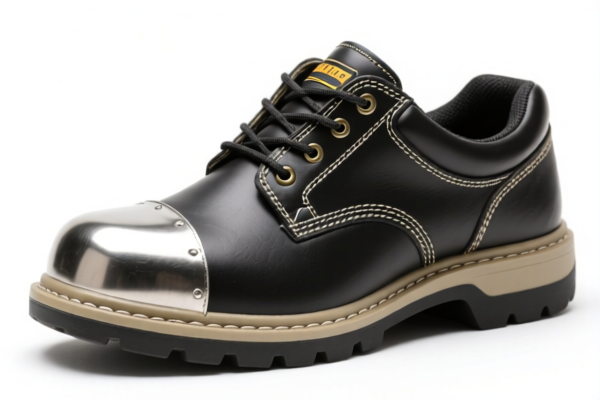
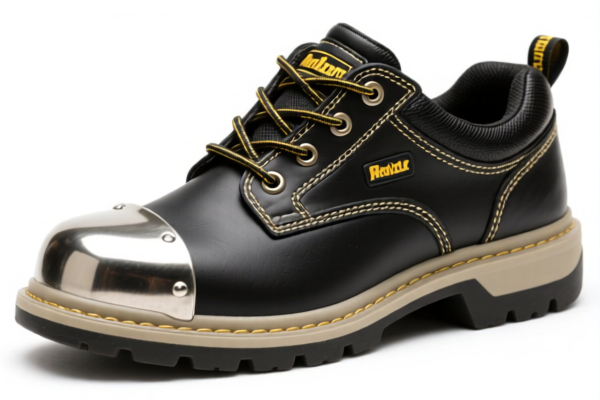
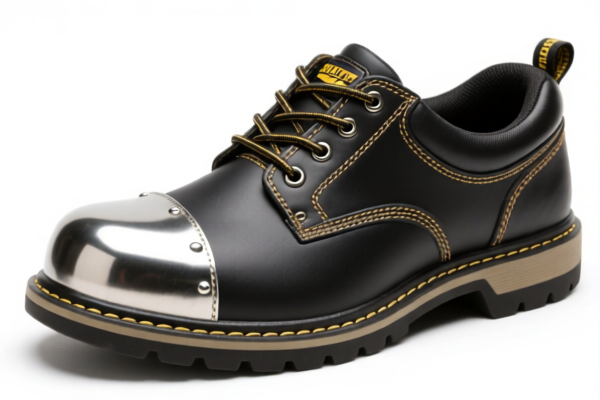
AI Analysis
🥾 Plastic Soled Short Boots with Protective Metal Toe Caps
🌐 HS Code Reference & Customs Clearance Guide | 2026 Latest Tariff Analysis | Professional-Level Strategy
📌 I. Product Definition & Classification: Do You Really Understand "Plastic Short Boots"?
Plastic soled short boots with protective metal toe caps are a specific category of safety footwear. In international trade, the classification depends heavily on the material composition of the upper part, the type of sole, and the specific usage scenario (e.g., industrial work, general fashion, or other).
Key Distinction Points:
- If the boot is primarily designed as industrial safety gear with specific features (like metal toe caps), it may fall under specific "Work Shoe" categories depending on the exact material breakdown.
- If the boot is a general plastic/rubber boot with a plastic sole, it typically falls under Chapter 64 (Footwear).
- If the boot is classified as a finished plastic product rather than footwear (rare, but possible if it lacks typical footwear structure), it might fall under Chapter 39.
⚠️ Critical Clarification:
- The presence of a metal toe cap does not automatically change the chapter from 64 to 73 (Iron/Steel) unless the item is primarily a metal part. It remains a "boot" (Chapter 64).
- The sole material (Plastic) and upper material (Rubber/Plastic/Other) determine the specific HS Code.
- Usage (Work vs. General) can influence the 8-digit suffix in some national tariffs, affecting duty rates.
📦 II. HS Code Classification Details (2026 Latest Tariff Authority Comparison)
Based on the provided data, here are the possible HS Codes for "Plastic soled short boots with protective metal toe caps":
| HS Code | Product Description | Scenario | Sole Material | Upper Material/Type |
|---|---|---|---|---|
6401.92.90.60 |
Plastic short ankle boots, plastic material, covers ankle, for footwear | General plastic boots | Plastic | Plastic |
6401.92.90.30 |
Plastic short ankle boots, plastic material, covers ankle, for work shoes | Industrial/Safety boots (e.g., with metal toe cap) | Plastic | Plastic |
6402.91.40.67 |
Plastic short ankle boots, upper rubber/plastic, covers ankle, for other footwear | General use, mixed material | Rubber/Plastic | Rubber/Plastic |
3926.90.99.89 |
Plastic products, plastic material, finished boot form, other plastic products | Non-footwear classification (if not considered footwear) | N/A | Plastic |
6402.91.40.50 |
Plastic short ankle boots, plastic material, covers ankle, for footwear | General plastic boots | Plastic | Plastic |
🔍 Key Insight:
- For safety boots with metal toe caps,6401.92.90.30is often the most precise fit if they are considered work shoes made of plastic/rubber with plastic soles.
-6402.91.40.50and6402.91.40.67apply if the upper is rubber or plastic but the classification logic differs slightly (e.g., "other footwear").
-3926.90.99.89is a fallback for non-footwear plastic items, but boots are usually classified in Chapter 64. Misclassification here can lead to significant duty differences.
💰 III. 2026 Latest Tariff Rate Details (Including Surcharges, Policy Add-ons)
✅ Applicable Country: United States (US)
✅ Country of Origin: China (CN)
✅ Effective Date: November 10, 2025 (and subsequent imports)
🎯 1. 6401.92.90.30 – Plastic Short Ankle Boots (For Work Shoes)
| Item | Details |
|---|---|
| Base Tariff | 37.5% (ad valorem) |
| USITC Additional Tariff | +7.5% (Section 301) |
| IEEPA Additional Tariff | +10% (Section 122) |
| Total Tariff | 55.0% |
| Tax Calculation | CIF Value × 55% |
| De Minimis Eligibility | ❌ Not Eligible (High duty rate excludes it) |
| Legal Basis Path | USITC:6401.92.90.30 → FOOTNOTE:301 → IEEPA:122 |
📌 Explanation:
- Base Tariff 37.5%: Standard duty for rubber/plastic footwear with plastic soles.
- Section 301 (7.5%): Additional tariff on Chinese-made rubber/plastic footwear.
- Section 122 (10%): Additional tariff under IEEPA for specific Chinese imports.
- Total 55% is very high. This applies to most plastic rubber-soled boots from China.
🎯 2. 6402.91.40.67 & 6402.91.40.50 – Other Plastic/Rubber Short Ankle Boots
| Item | Details |
|---|---|
| Base Tariff | 6.0% (ad valorem) |
| USITC Additional Tariff | +0.0% (No Section 301 surcharge for this specific sub-category in the provided data) |
| IEEPA Additional Tariff | +10% (Section 122) |
| Total Tariff | 16.0% |
| Tax Calculation | CIF Value × 16% |
| De Minimis Eligibility | ❌ Not Eligible (Still subject to IEEPA) |
| Legal Basis Path | USITC:6402.91.40.50/67 → IEEPA:122 |
📌 Explanation:
- These codes represent a significant savings compared to6401.92.90.30.
- If your boots can be classified under6402.91(rubber/plastic uppers, other than safety footwear or specific work boots), the duty drops from 55% to 16%.
- Key Differentiator: Is it strictly a "work shoe" (higher duty) or "other footwear" (lower duty)? This depends on design, marketing, and intended use.
🎯 3. 3926.90.99.89 – Other Plastic Products (Non-Footwear)
| Item | Details |
|---|---|
| Base Tariff | 5.3% (ad valorem) |
| USITC Additional Tariff | +7.5% (Section 301) |
| IEEPA Additional Tariff | +10% (Section 122) |
| Total Tariff | 22.8% |
| Tax Calculation | CIF Value × 22.8% |
| De Minimis Eligibility | ❌ Not Eligible |
| Legal Basis Path | USITC:3926.90.99.89 → FOOTNOTE:301 → IEEPA:122 |
📌 Explanation:
- If the item is not considered footwear (e.g., plastic fashion items that look like boots but lack functional sole structure), it may fall here.
- 22.8% is lower than the work boot rate (55%) but higher than the "other footwear" rate (16%).
- Risk: High risk of reclassification by Customs if the item is clearly a boot.
🛠️ IV. Customs Clearance Practical Advice (Avoid Pitfalls)
✅ 1. Documentation Checklist (Essential)
| Document | Required | Notes |
|---|---|---|
| ✅ Product Specifications | ✔️ | Material composition (upper, sole, toe cap), size, color |
| ✅ Photos | ✔️ | Clear images of the boot, including the metal toe cap and sole |
| ✅ Commercial Invoice | ✔️ | Accurate description: "Plastic Short Ankle Boots with Metal Toe Cap" |
| ✅ Certificate of Origin | ✔️ | To prove origin (China) and apply correct tariffs |
| ✅ Safety Standards Certificate | ✔️ | If claiming "work shoe" status, provide ANSI/ASTM or CE certification |
✅ 2. Classification Strategy (Key Tips)
| Situation | Recommended HS Code | Reason |
|---|---|---|
| Industrial Safety Boots | 6401.92.90.30 |
Meets "Work Shoe" definition, higher duty (55%) |
| General Plastic Boots | 6402.91.40.50 |
"Other footwear", lower duty (16%) |
| Fashion Plastic Boots | 3926.90.99.89 |
If not functional footwear, but risky |
🔥 Pro Tip:
- If your boots are not specifically designed for industrial safety (no ANSI/ASTM rating), argue for classification under6402.91.40.50(16% duty) instead of6401.92.90.30(55% duty).
- Metal toe caps do not automatically make it a "work shoe" if it lacks other safety features. Focus on marketing and intended use.
✅ 3. Special Cases
| Case | Handling Advice |
|---|---|
| OEM Custom Boots | Provide design specs to prove intended use (work vs. fashion) |
| Mixed Materials | Declare main material (plastic/rubber) accurately |
| High-Value Safety Boots | Consider Advance Ruling from US CBP to confirm HS Code |
🌍 V. Global Market Comparison (2026 Latest)
| Country/Region | Recommended HS Code | Tariff | Notes |
|---|---|---|---|
| 🇺🇸 USA | 6402.91.40.50 |
16% | Avoid 6401.92.90.30 (55%) if possible |
| 🇨🇳 China | 6402.91.40.50 |
~10% | Import duty + VAT |
| 🇪🇺 EU | 6402.91.00 |
3-6% | Lower tariffs, stricter safety standards |
| 🇬🇧 UK | 6402.91.00 |
3-6% | Similar to EU post-Brexit |
📌 Conclusion:
- USA has the highest tariffs for plastic footwear from China due to Section 301 and IEEPA.
- Classification accuracy can save 39% in duties (55% vs. 16%).
- Evidence of "Non-Work" use is critical to achieve the lower rate.
📌 VI. Common Errors & Pitfalls (Lessons Learned)
❌ Error 1: Misclassifying general boots as "Work Shoes"
👉 Result: 55% duty instead of 16% → Overpayment!
❌ Error 2: Classifying boots as "Plastic Products" (3926)
👉 Result: 22.8% duty + risk of reclassification penalty → Unstable Cost
❌ Error 3: Ignoring the Metal Toe Cap
👉 Result: Customs may reclassify as safety gear with higher duties → Delays & Penalties
✅ Correct Approach:
"Plastic Short Ankle Boots, Plastic Sole, Plastic Upper, with Reinforced Toe Cap, For General Use"
🎯 VII. Conclusion: Precision Classification, Cost Savings!
🎯 Remember:
🔹 "Work Shoes = 55%, General Boots = 16%, Plastic Products = 22.8%"
🔹 "Classify correctly, save 39% in duties, avoid customs headaches!"
📌 Pro Tip:
If your boots are not certified as safety footwear (e.g., no ANSI/ASTM label), do not declare them as "Work Shoes" (6401.92.90.30). Use 6402.91.40.50 to benefit from the 16% tariff.
📣 Immediate Action:
📞 Consult a customs broker + Provide product photos + Apply for Advance Ruling
🚀 Optimize your supply chain, reduce costs, and clear customs smoothly!
✨ Professional classification starts with accurate descriptions!
💼 Every percentage point in duty matters!
Customer Reviews
About HS Code Classification
The Harmonized System (HS) is an internationally standardized nomenclature developed by the World Customs Organization (WCO) to classify traded products. Over 200 countries use the HS system as the basis for customs tariffs, trade statistics, and import/export regulations.
Each HS code follows a hierarchical structure:
- Chapter (2 digits) — Broad category of goods (e.g., Chapter 84: Machinery and Mechanical Appliances)
- Heading (4 digits) — More specific grouping within the chapter
- Subheading (6 digits) — Internationally standardized breakdown, used by all WCO member countries
- National subdivisions (8-10 digits) — Country-specific extensions for further classification, such as US HTSUS 10-digit codes
Correct HS code classification is essential for smooth customs clearance, accurate duty payment, and compliance with trade regulations. Misclassification can lead to customs delays, overpayment of duties, or penalties.
When importing from CN to US, the applicable tariff rates may include:
- Most-Favored-Nation (MFN) rate — The standard duty rate applied to WTO members
- General rate — Applied to countries without trade agreements
- Trade remedy duties — Additional tariffs such as Section 301 (anti-dumping), Section 232 (national security), or countervailing duties
The information provided on this page is for reference purposes only. For official classification, please consult with your local customs authority or a licensed customs broker.