plastic table arrangement
CN → US| HS Code | Tariff Rate | Origin | Destination | Doc |
|---|---|---|---|---|
| 3920200055 | 39.2% | CN | US | Official Doc |
| 5903102010 | 35.0% | CN | US | Official Doc |
| 5903102090 | 35.0% | CN | US | Official Doc |
| 3920100000 | 39.2% | CN | US | Official Doc |
| 6702104000 | 13.4% | CN | US | Official Doc |
Product Images
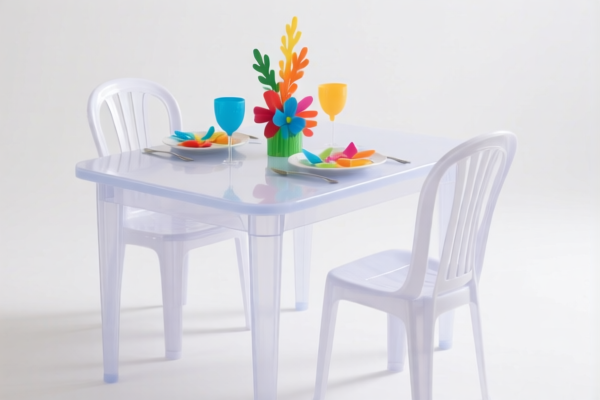
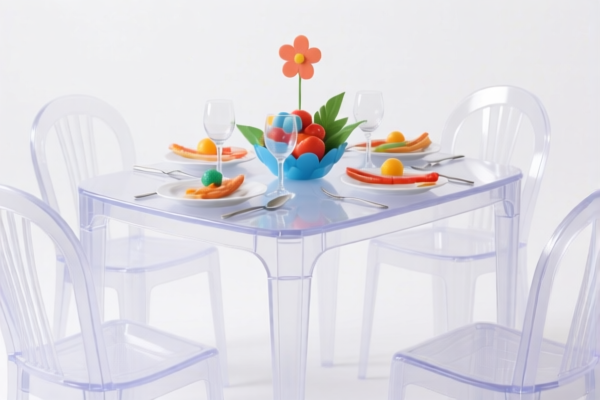
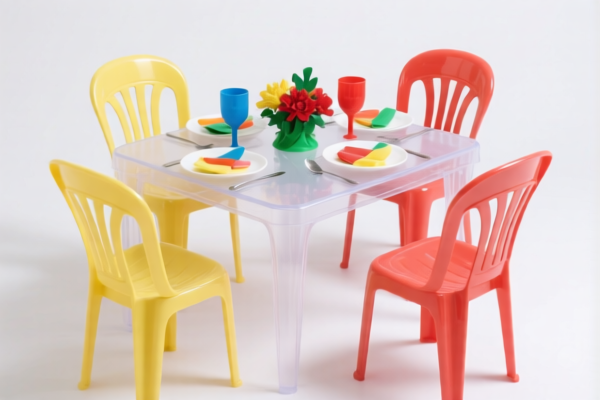
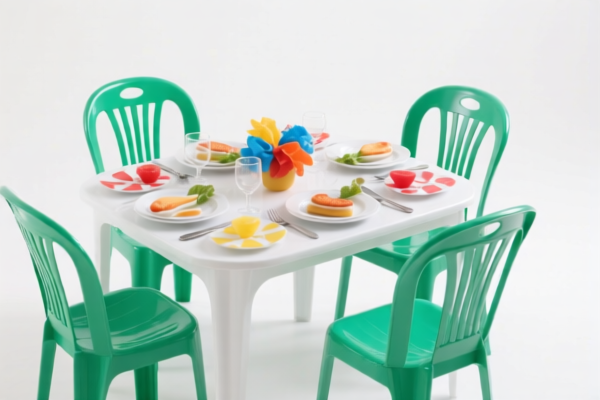
AI Analysis
🛍️ Plastic Table Covers & Decor (Plastic Table Arrangement)
🌐 HS Code Reference & Customs Clearance Guide | 2026 Latest Tariff Analysis | Strategic Classification for Plastic Tableware
📌 I. Product Definition & Classification: What is a "Plastic Table Arrangement"?
In international trade, "Plastic Table Arrangement" is not a single standardized commodity. It generally refers to plastic tablecloths, synthetic floral decorations, or plastic table settings. The key to correct classification lies in the material composition (polypropylene, polyethylene, PVC) and the physical form (sheet/film vs. impregnated textile).
Key Distinctions: * Pure Plastic Sheets/Films: Made entirely of plastic polymers (like PP or PE). These are classified under Chapter 39. * Plastic-Coated Textiles: Fabric (textile) that is impregnated, coated, covered, or laminated with plastic. These are classified under Chapter 59. * Plastic Flowers/Decor: Artificial flowers made of plastic. These are classified under Chapter 67.
⚠️ Critical Classification Point:
- If the product is a solid plastic sheet/film (no fabric base) → HS Code 3920 series.
- If the product is a fabric base coated/laminated with plastic → HS Code 5903 series.
- If the product is artificial plastic flowers → HS Code 6702 series.
📦 II. HS Code Classification Details (2026 Latest Tariff Authority Comparison)
Based on the provided data, here are the precise classifications for plastic table items:
| HS Code | Product Description | Material/Form | Primary Use |
|---|---|---|---|
3920.20.00.55 |
Plastic Tablecloth, Material: Polypropylene, Form: Sheet/Film | Pure PP Plastic | Disposable/Reusable plastic table covers |
5903.10.20.10 |
Plastic Tablecloth, Textile Fabric Impregnated/Coated with Plastic | Fabric + Plastic Layer | Durable plastic-coated tablecloths |
5903.10.20.90 |
Plastic Tablecloth, PVC or Other Plastics Impregnated/Covered Textile | Fabric + PVC/Other Plastic | Generic plastic-coated textile tablecloths |
3920.10.00.00 |
Plastic Tablecloth, Material: Ethylene Polymers, Form: Sheet/Film | Pure PE Plastic | Polyethylene sheet table covers |
6702.10.40.00 |
Plastic Flowers, Artificial Floral Arrangements | Solid Plastic | Decorative plastic plants/flowers for tables |
🔍 Key Reminder:
- Pure Plastic (3920) vs. Coated Textile (5903): The presence of a textile substrate changes the chapter.
- Ethylene Polymers (3920.10) vs. Other Plastics (3920.20): Polyethylene (PE) goes to 3920.10; Polypropylene (PP) goes to 3920.20.
- Decor vs. Cover: Artificial flowers are not tablecovers; they are decorative articles (Chapter 67).
💰 III. 2026 Latest Tariff Rate Breakdown (Including Surtaxes & Policy Add-ons)
✅ Applicable Country: United States (US)
✅ Country of Origin: China (CN)
✅ Effective Date: From November 10, 2025 (for subsequent imports)
🎯 1. 3920.20.00.55 & 3920.10.00.00 – Pure Plastic Tablecloths (PP/PE Sheets)
| Item | Detail |
|---|---|
| Base Tariff | 4.2% (Ad valorem) |
| Section 301 Surtax | +25.0% (USITC Footnote associated with Chapter 39 plastics) |
| IEEPA Surtax (122 Clause) | +10.0% (Targeting Chinese goods) |
| Total Tariff Rate | 39.2% |
| Tax Calculation | CIF Value × 39.2% |
| De Minimis Eligibility | ❌ Not Eligible (High tariff rate exceeds threshold for exemption) |
| Legal Basis Path | IEEPA:9903.01.25 → IEEPA:9903.01.24 → USITC:3920.xx.xx → FOOTNOTE:301 |
📌 Explanation:
- Base 4.2%: Standard MFN rate for plastic plates/sheets.
- 25% Surtax: Section 301 tariff on Chinese plastic products.
- 10% IEEPA: Additional 122 Clause tariff for specific Chinese imports.
- Total 39.2%: This is a high tariff category. Importers must factor this into pricing strategies.
🎯 2. 5903.10.20.10 & 5903.10.20.90 – Coated/Impregnated Plastic Textiles
| Item | Detail |
|---|---|
| Base Tariff | 0.0% (Ad valorem) |
| Section 301 Surtax | +25.0% (USITC Footnote associated with Chapter 59 textiles) |
| IEEPA Surtax (122 Clause) | +10.0% (Targeting Chinese goods) |
| Total Tariff Rate | 35.0% |
| Tax Calculation | CIF Value × 35.0% |
| De Minimis Eligibility | ❌ Not Eligible |
| Legal Basis Path | IEEPA:9903.01.25 → IEEPA:9903.01.24 → USITC:5903.10.20 → FOOTNOTE:301 |
📌 Note:
- Although the base tariff is 0%, the total effective rate is 35.0%.
- This applies to PVC-coated fabrics or other plastic-impregnated textiles.
- Do not confuse with pure plastic sheets (39.2%); the base tax difference (4.2% vs 0%) makes this category slightly cheaper, but still high.
🎯 3. 6702.10.40.00 – Plastic Artificial Flowers/Floral Arrangements
| Item | Detail |
|---|---|
| Base Tariff | 3.4% (Ad valorem) |
| Section 301 Surtax | 0.0% (No additional 301 tariff for this specific subheading) |
| IEEPA Surtax (122 Clause) | +10.0% (Targeting Chinese goods) |
| Total Tariff Rate | 13.4% |
| Tax Calculation | CIF Value × 13.4% |
| De Minimis Eligibility | ❌ Not Eligible (Due to IEEPA surtax) |
| Legal Basis Path | IEEPA:9903.01.25 → USITC:6702.10.40 |
📌 Advantage:
- This is the lowest tariff item in the list (13.4%).
- Reason: The base tariff is low (3.4%), and there is no 25% Section 301 surtax for this specific plastic floral category.
- Strategy: If your product is decorative rather than functional (table cover), classifying as "Plastic Flowers" can save significant tariffs.
🛠️ IV. Customs Clearance Practical Advice (Avoiding Pitfalls)
✅ 1. Documentation Checklist (Mandatory)
| Document | Required? | Purpose |
|---|---|---|
| ✅ Product Specification Sheet | ✔️ | Must detail material (PP, PE, PVC, Fabric) and structure (Sheet vs. Coated). |
| ✅ Material Composition Declaration | ✔️ | Explicitly state: "100% Polypropylene" OR "Cotton fabric coated with PVC". |
| ✅ Product Photos | ✔️ | Show cross-section (to prove if it's coated fabric or solid plastic). |
| ✅ Commercial Invoice | ✔️ | Must match HS Code description precisely (e.g., "PP Plastic Tablecloth" vs. "PVC Coated Tablecloth"). |
| ✅ Packing List | ✔️ | Weight and dimensions for duty calculation. |
✅ 2. Classification Strategy (Key Tips)
🔥 “Material Dictates Code, Structure Dictates Tax!”
| Scenario | Correct HS Code | Why? |
|---|---|---|
| Solid plastic sheet (like a vinyl mat) | 3920.20.00.55 or 3920.10.00.00 |
It is a plastic plate/sheet, not textile. |
| Fabric cloth with plastic coating (wipes clean) | 5903.10.20.10 / .90 |
It is a textile impregnated with plastic. |
| Plastic vase with plastic flowers | 6702.10.40.00 |
The flowers are artificial plastic articles. |
| Mix of plastic cover + plastic flowers | Separate Lines | Do not bundle! Classify each item separately to optimize tax. |
✅ 3. Common Errors & Pitfalls
❌ Error 1: Misclassifying Coated Fabric as Pure Plastic.
👉 Consequence: If you declare a PVC-coated tablecloth as 3920 (4.2% base), but it’s actually 5903 (0% base), it might seem better, BUT if it’s misclassified, customs may reject it or audit. However, 5903 has 0% base, so declaring it correctly saves 4.2% on the base. Always be accurate.
❌ Error 2: Calling "Plastic Flowers" a "Table Cover".
👉 Consequence: If you declare plastic flowers as table covers (3920 or 5903), you pay 35-39% instead of 13.4%. Massive cost increase!
❌ Error 3: Ignoring the 122 Clause (IEEPA 10%).
👉 Consequence: All items above are subject to this 10% surtax for Chinese origin. Do not assume "Section 301 only."
🌍 V. Global Market Comparison (2026 Update)
| Region | Recommended HS Code | Total Tariff (China Origin) | Notes |
|---|---|---|---|
| 🇺🇸 USA | 6702.10.40.00 |
13.4% | Best rate for plastic decor. |
| 🇺🇸 USA | 3920.xx.xx |
39.2% | High tax for pure plastic sheets. |
| 🇺🇸 USA | 5903.10.20.xx |
35.0% | Moderate tax for coated textiles. |
| 🇪🇺 EU | 5903.10.20.xx |
~6-12% | Lower base duties, no 301/IEEPA equivalent. |
| 🇨🇳 China | 3920.xx.xx |
~5-10% | Domestic import, lower tax burden. |
📌 Conclusion:
- USA is the most expensive market due to layered surtaxes (Section 301 + IEEPA).
- Plastic Flowers (6702) offer the lowest tariff (13.4%) in the US.
- Pure Plastic Tablecloths (3920) are the most expensive (39.2%).
📌 VI. Strategic Recommendations for Importers
-
Product Design Optimization:
- If possible, design products as artificial floral arrangements (
6702) rather than plain plastic sheets (3920) to benefit from the 25% tariff difference. - If selling tablecloths, clearly define if they are coated textiles (
5903, 35%) vs. pure plastic (3920, 39.2%). The difference is small (4%), but accuracy is key to avoid penalties.
- If possible, design products as artificial floral arrangements (
-
Pre-Import Ruling:
- Apply for an Advance Ruling from CBP if your product is a hybrid (e.g., a plastic tablecloth with a fabric backing that is unclear).
-
Supplier Communication:
- Ensure suppliers declare the exact material. "Plastic Tablecloth" is ambiguous. Use:
- ✅ "100% Polypropylene Film Tablecloth" →
3920.20.00.55 - ✅ "PVC Coated Cotton Tablecloth" →
5903.10.20.90
-
Cost Calculation Example:
- Item A: Plastic Flower Set, CIF $1,000 → Tax = $134
- Item B: PP Plastic Tablecloth, CIF $1,000 → Tax = $392
- Savings: $258 per $1,000 by choosing correct classification/design!
🎯 VII. Conclusion: Precision in Classification, Profit in Clearance
🎯 Remember the Golden Rule:
🔹 "Plastic Sheet = 39.2% | Coated Fabric = 35.0% | Plastic Flowers = 13.4%"
🔹 "One percentage point difference is hundreds of dollars!"
🔹 "Always verify material: Pure Plastic vs. Coated Textile vs. Artificial Decor."
📌 Pro Tip:
If you are importing large volumes of plastic table covers, consider sourcing from non-Chinese origins (e.g., Vietnam, Thailand) if available, as IEEPA 10% surtax and potentially Section 301 may be avoided or reduced, depending on current trade agreements.
📣 Action Required:
📞 Consult with a licensed customs broker.
📝 Provide material samples for classification.
🚀 Optimize your product design to fall under lower-tariff HS Codes where possible.
✨ Smart Classification Saves Money!
💼 Every dollar of duty saved is pure profit!
Customer Reviews
About HS Code Classification
The Harmonized System (HS) is an internationally standardized nomenclature developed by the World Customs Organization (WCO) to classify traded products. Over 200 countries use the HS system as the basis for customs tariffs, trade statistics, and import/export regulations.
Each HS code follows a hierarchical structure:
- Chapter (2 digits) — Broad category of goods (e.g., Chapter 84: Machinery and Mechanical Appliances)
- Heading (4 digits) — More specific grouping within the chapter
- Subheading (6 digits) — Internationally standardized breakdown, used by all WCO member countries
- National subdivisions (8-10 digits) — Country-specific extensions for further classification, such as US HTSUS 10-digit codes
Correct HS code classification is essential for smooth customs clearance, accurate duty payment, and compliance with trade regulations. Misclassification can lead to customs delays, overpayment of duties, or penalties.
When importing from CN to US, the applicable tariff rates may include:
- Most-Favored-Nation (MFN) rate — The standard duty rate applied to WTO members
- General rate — Applied to countries without trade agreements
- Trade remedy duties — Additional tariffs such as Section 301 (anti-dumping), Section 232 (national security), or countervailing duties
The information provided on this page is for reference purposes only. For official classification, please consult with your local customs authority or a licensed customs broker.