plastic textile composite wallpaper
CN → US| HS Code | Tariff Rate | Origin | Destination | Doc |
|---|---|---|---|---|
| 3921901500 | 41.5% | CN | US | Official Doc |
| 3921901100 | 39.2% | CN | US | Official Doc |
| 3921902900 | 39.4% | CN | US | Official Doc |
| 5903102500 | 42.5% | CN | US | Official Doc |
| 3918104050 | 40.3% | CN | US | Official Doc |
Product Images
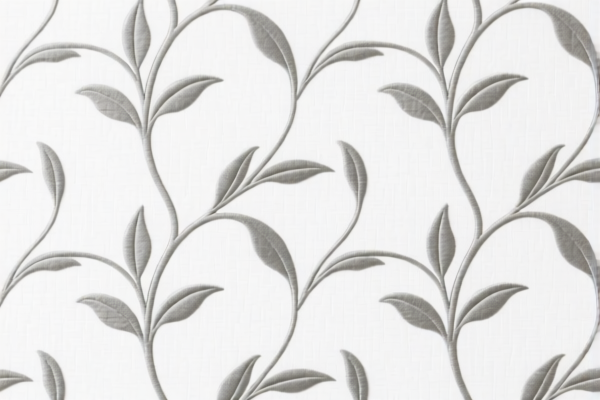

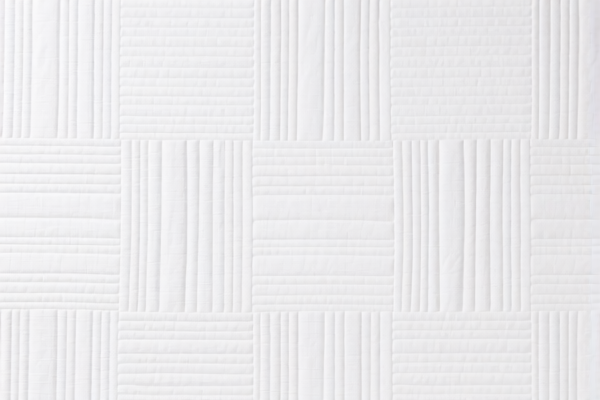

AI Analysis
🖼️ Plastic Textile Composite Wallpaper
🌐 HS Code Reference & Customs Clearance Guide | 2026 Latest Tariff Analysis | Professional Compliance Strategy
📌 I. Product Definition & Classification: What is "Plastic Textile Composite Wallpaper"?
Plastic Textile Composite Wallpaper (often referred to as "Textile-backed Vinyl Wallpaper" or "Non-woven Vinyl Wallpaper") is a wall covering material consisting of a textile or non-woven fabric base impregnated, coated, or covered with plastic (typically PVC or similar polymers).
In international trade, it is primarily classified under Chapter 39 (Plastics) or Chapter 59 (Impregnated Textile Fabrics). The key distinction lies in the manufacturing process and the dominant material:
- Plastic-Dominated (Chapter 39): If the plastic coating/impregnation is substantial, giving the product its essential character (waterproof, durable surface), it falls under Chapter 39. This is the most common classification for modern vinyl wallpapers.
- Textile-Dominated (Chapter 59): If the textile backing is the primary structural element and the plastic is merely a light impregnation for stability, it may fall under Chapter 59. However, for most commercial "wallcoverings," Chapter 39 is preferred due to the plastic layer's dominance.
⚠️ Key Distinction:
- Heavy Plastic Coating + Textile Backing → Chapter 39 (3921.90.xxxx)
- Light Impregnation + Strong Textile Structure → Chapter 59 (5903.10.xxxx)
- Woven/Non-woven Plastic Sheet Used as Wallcovering → Chapter 39 (3918.10.xxxx)
📦 II. HS Code Classification Details (2026 Latest Tariff Alignment)
Based on the provided data, here are the five potential HS Codes with their specific logic and tax implications.
| HS Code | Product Description & Matching Logic | Total Tax Rate (US/China) |
|---|---|---|
| 3921.90.15.00 | Plastic Foil/Film Composite: Matches "Plastic" material + "Foil" form. Suitable if the wallpaper is a plastic film backed by textile. Fits the "Other" general category for plastic films/fols combined with textiles. | 41.5% |
| 3921.90.11.00 | Plastic + Textile Composite (High Plastic Content): Matches "Plastic" material + "Foil" form. Infers a textile-plastic composite where plastic占比 is high. No material conflict. | 39.2% |
| 3921.90.29.00 | Plastic Plates/Sheets/Films (Other): Matches "Plastic" material. Wallcovering is typically a sheet/film form. Falls under "Other" plastic sheets/films. No material conflict. | 39.4% |
| 5903.10.25.00 | Impregnated/Coated Textile (PVC): Matches "Plastic" (PVC inferred) + "Textile Support". Specifically for textiles impregnated/coated with PVC. Fits the "Wallcovering" use case for textile-based wallpapers. | 42.5% |
| 3918.10.40.50 | Plastic Wall Coverings (Non-Woven/Other Substrate): Matches "Plastic" material + "Wallcovering" use. Since "Textile Support" may not be strictly "woven" in the traditional sense, it can fall under "Other" substrates in plastic wall coverings. | 40.3% |
🔍 Critical Note:
- 3921.90.15.00 and 3921.90.11.00 are very close; the difference often lies in the exact thickness/weight of the plastic layer and the specific definition of "foil" vs. "sheet." - 5903.10.25.00 is the only Chapter 59 option, specifically targeting PVC-coated textiles. If your product is explicitly a textile fabric coated with PVC, this is a strong candidate. - 3918.10.40.50 is specific to "Plastic Wall Coverings" regardless of the underlying substrate (if not specified as woven).
💰 III. 2026 Latest Tariff Rate Breakdown (Including Additional Duties)
✅ Applicable Country: United States (US)
✅ Origin: China (CN)
✅ Effective Date: November 10, 2025 (and subsequent imports)
🎯 1. 3921.90.15.00 —— Plastic Foil/Film Composite (Textile-Backed)
| Item | Detail |
|---|---|
| Base Tariff | 6.5% |
| Section 301 Tariff | +25.0% |
| IEEPA Tariff (Section 122) | +10.0% |
| Total Effective Rate | 41.5% |
| Tax Calculation | CIF Value × 41.5% |
| De Minimis Exemption? | ❌ No (deny_de_minimis applies) |
| Legal Path | USITC:3921.90.15.00 → FOOTNOTE:301 → IEEPA:9903.01.25 |
📌 Explanation:
- This code is chosen if the product is viewed as a plastic film/foil with a textile backing. - The 6.5% base duty is moderate, but the 25% Section 301 and 10% IEEPA tariffs significantly increase the cost.
🎯 2. 3921.90.11.00 —— Plastic + Textile Composite (High Plastic)
| Item | Detail |
|---|---|
| Base Tariff | 4.2% |
| Section 301 Tariff | +25.0% |
| IEEPA Tariff (Section 122) | +10.0% |
| Total Effective Rate | 39.2% |
| Tax Calculation | CIF Value × 39.2% |
| De Minimis Exemption? | ❌ No |
| Legal Path | USITC:3921.90.11.00 → FOOTNOTE:301 → IEEPA:9903.01.25 |
📌 Note:
- Slightly lower base tariff (4.2%) than 3921.90.15.00. - Still subject to the same punitive tariffs.
🎯 3. 3921.90.29.00 —— Plastic Plates/Sheets/Films (Other)
| Item | Detail |
|---|---|
| Base Tariff | 4.4% |
| Section 301 Tariff | +25.0% |
| IEEPA Tariff (Section 122) | +10.0% |
| Total Effective Rate | 39.4% |
| Tax Calculation | CIF Value × 39.4% |
| De Minimis Exemption? | ❌ No |
| Legal Path | USITC:3921.90.29.00 → FOOTNOTE:301 → IEEPA:9903.01.25 |
📌 Note:
- Used if the product is classified as a general plastic sheet/film for wallcovering, not specifically a "foil" or "composite" under 3921.90.1x.
🎯 4. 5903.10.25.00 —— Impregnated/Coated Textile (PVC)
| Item | Detail |
|---|---|
| Base Tariff | 7.5% |
| Section 301 Tariff | +25.0% |
| IEEPA Tariff (Section 122) | +10.0% |
| Total Effective Rate | 42.5% |
| Tax Calculation | CIF Value × 42.5% |
| De Minimis Exemption? | ❌ No |
| Legal Path | USITC:5903.10.25.00 → FOOTNOTE:301 → IEEPA:9903.01.25 |
📌 Note:
- Highest total tax rate (42.5%) among the options. - Only use if the product is definitively a textile fabric with PVC coating. If the plastic layer is too thick, CBP may reject this code and reclassify to Chapter 39.
🎯 5. 3918.10.40.50 —— Plastic Wall Coverings (Other Substrate)
| Item | Detail |
|---|---|
| Base Tariff | 5.3% |
| Section 301 Tariff | +25.0% |
| IEEPA Tariff (Section 122) | +10.0% |
| Total Effective Rate | 40.3% |
| Tax Calculation | CIF Value × 40.3% |
| De Minimis Exemption? | ❌ No |
| Legal Path | USITC:3918.10.40.50 → FOOTNOTE:301 → IEEPA:9903.01.25 |
📌 Note:
- Specifically for Plastic Wall Coverings. If your product is marketed and used as "wallpaper," this is a highly relevant code. - The "Other" category applies if the substrate is not specifically defined as woven in the standard sense.
🛠️ IV. Customs Clearance Practical Advice (Pitfall Avoidance Guide)
✅ 1. Documentation Checklist (Mandatory)
| Document | Required | Explanation |
|---|---|---|
| Product Specification Sheet | ✔️ | Must detail material composition (e.g., "PVC Layer: 0.2mm, Textile Backing: Non-woven Polyester"). |
| Product Photos | ✔️ | Clear images of the surface texture, backside, and cross-section (if possible). |
| Commercial Invoice | ✔️ | Must specify "Wallcovering" or "Wallpaper," not just "Plastic Sheet." |
| Packing List | ✔️ | Weight and dimensions per roll/square meter. |
| Origin Certificate | ✔️ | Required to prove origin (China) and assess tariffs. |
✅ 2. Declaration Tips (Key Mnemonic)
🔥 “Material is Key, Use Defines Code, Texture Tells the Story!”
| Scenario | Correct Declaration | Incorrect Approach |
|---|---|---|
| Plastic-heavy, textile-backed | 3921.90.15.00 or 3921.90.11.00 |
Describe as "Fabric" → Risk of Chapter 59 (Higher Tax) or Rejection. |
| PVC-coated Textile | 5903.10.25.00 |
Describe as "Plastic Film" → Risk of misclassification. |
| General Wallcovering | 3918.10.40.50 |
Use generic "Wall Decoration" → Delays and audits. |
| Any of the above | Always include Section 301 and IEEPA surcharges in cost analysis. | Assume base duty only → Severe profit margin loss. |
✅ 3. Special Cases
| Scenario | Handling Suggestion |
|---|---|
| Non-Woven Backing | Prefer 3921 or 3918. Non-woven is often considered a "plastic substrate" in customs practice if coated heavily. |
| Woven Fabric Backing | 5903.10.25.00 is more likely if the fabric is visibly woven and the plastic layer is thin. |
| Sample vs. Bulk | Samples may still be subject to tariffs if they are commercial samples. Do not rely on "sample" exemption. |
| Multiple Rolls in One Shipment | Declare total CIF value. Tariffs are applied per entry. |
🌍 V. Global Market Comparison (2026 Latest)
| Country/Region | Recommended HS Code | Base Tariff | Additional Tariffs (China) | Total Rate | Notes |
|---|---|---|---|---|---|
| 🇺🇸 USA | 3921.90.11.00 |
4.2% | +25% (301) +10% (IEEPA) | 39.2% | Highest risk. Pre-arrange tariff engineering. |
| 🇨🇳 China | 3921.90.11.00 |
~9% | None | ~9% | Low tariff for domestic sales. |
| 🇪🇺 EU | 3921.90.90 |
6.5% | No Section 301 | 6.5% | No punitive tariffs. Standard EU duties apply. |
| 🇬🇧 UK | 3921.90.90 |
6.5% | No Section 301 | 6.5% | Post-Brexit, similar to EU for most goods. |
| 🇦🇺 Australia | 3921.90.90 |
5% | None | 5% | Low duty. Free Trade Agreement benefits may apply. |
📌 Conclusion:
- The US market is the most challenging due to the 39.2%–42.5% total tariff burden. - EU, UK, and Australia are far more favorable with 5%–6.5% total duties. - Consider supply chain diversification (e.g., sourcing from Vietnam or India) if exporting to the US, as these countries may not be subject to Section 301 tariffs.
📌 VI. Common Errors & Pitfall Guide (Lessons Learned)
❌ Mistake 1: Declaring as "Textile Fabric" (5903) when it is actually a heavy plastic film (3921)
👉 Consequence: CBP reclassification → Back taxes + Penalties.
👉 Fix: Provide cross-section photos showing plastic dominance.
❌ Mistake 2: Ignoring Section 122 (IEEPA) tariffs
👉 Consequence: Underpayment of 10% on all plastic imports from China.
👉 Fix: Always include +10% IEEPA in cost calculations.
❌ Mistake 3: Using generic descriptions like "Wall Decoration"
👉 Consequence: CBP request for Information (RFI) → Delays in customs clearance.
👉 Fix: Use specific HS Code descriptions: "Vinyl Wallpaper on Non-Woven Backing."
❌ Mistake 4: Assuming De Minimis ($800) applies
👉 Consequence: Seizure of shipments under $800 if classified under Section 301/IEEPA items.
👉 Fix: All plastic/textile composite wallpapers from China are exempt from De Minimis.
✅ Correct Declaration Example:
"Wallcovering, consisting of a PVC layer (0.3mm) coated on a non-woven polyester fabric backing. Model: ABC-123. HS Code: 3921.90.11.00."
🎯 VII. Conclusion: Professional Declaration, Cost Optimization!
🎯 Remember the Mnemonic:
🔹 "Plastic Dominant = Chapter 39 (39.2%)
🔹 Textile Dominant = Chapter 59 (42.5%)
🔹 Wallcovering Specific = 3918 (40.3%)
🔹 Always Add 35% (25%+10%) for US Imports from China!
📌 Pro Tip:
- If your plastic content is >50% by weight, lean towards Chapter 39.
- If your textile content is >50% and the plastic is just a coating, lean towards Chapter 59 (but beware of the higher 42.5% rate).
- Pre-Arrange an Advance Ruling with CBP if you are unsure about the dominant material.
📣 Immediate Action:
📞 Contact your customs broker with product samples and photos.
🚀 Calculate landed cost including 39.2%–42.5% tariffs for US imports.
💡 Consider alternative origins if targeting the US market.
✨ Professional Customs Clearance Starts with Accurate Classification!
💼 Your Every Dollar Saved is a Dollar Earned!
Customer Reviews
About HS Code Classification
The Harmonized System (HS) is an internationally standardized nomenclature developed by the World Customs Organization (WCO) to classify traded products. Over 200 countries use the HS system as the basis for customs tariffs, trade statistics, and import/export regulations.
Each HS code follows a hierarchical structure:
- Chapter (2 digits) — Broad category of goods (e.g., Chapter 84: Machinery and Mechanical Appliances)
- Heading (4 digits) — More specific grouping within the chapter
- Subheading (6 digits) — Internationally standardized breakdown, used by all WCO member countries
- National subdivisions (8-10 digits) — Country-specific extensions for further classification, such as US HTSUS 10-digit codes
Correct HS code classification is essential for smooth customs clearance, accurate duty payment, and compliance with trade regulations. Misclassification can lead to customs delays, overpayment of duties, or penalties.
When importing from CN to US, the applicable tariff rates may include:
- Most-Favored-Nation (MFN) rate — The standard duty rate applied to WTO members
- General rate — Applied to countries without trade agreements
- Trade remedy duties — Additional tariffs such as Section 301 (anti-dumping), Section 232 (national security), or countervailing duties
The information provided on this page is for reference purposes only. For official classification, please consult with your local customs authority or a licensed customs broker.