plastic toilet brush
CN → US| HS Code | Tariff Rate | Origin | Destination | Doc |
|---|---|---|---|---|
| 3924900500 | 20.6% | CN | US | Official Doc |
| 3924905650 | 20.9% | CN | US | Official Doc |
| 3926909989 | 22.8% | CN | US | Official Doc |
| 3926909905 | 22.8% | CN | US | Official Doc |
| 3926909910 | 22.8% | CN | US | Official Doc |
Product Images

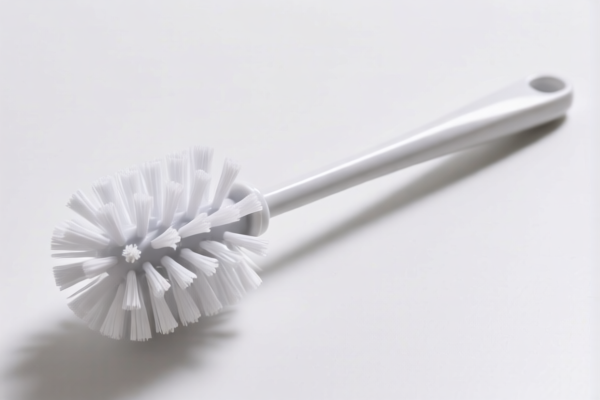
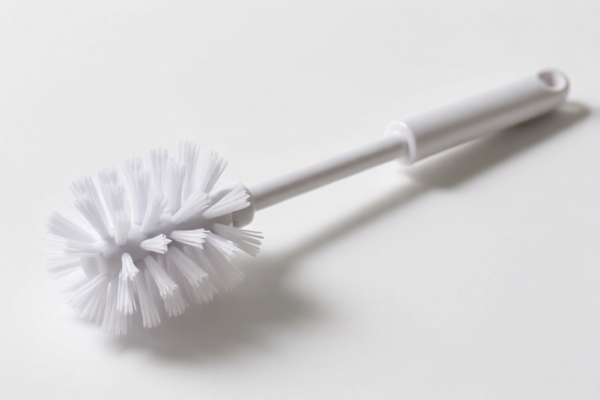

AI Analysis
🚽 Plastic Toilet Brush Heads & Accessories
HS Code Classification, Tariff Breakdown & Clearance Strategy | 2026 US Import Guide
🌐 Introduction: Is it Just a Brush?
While it may look like a simple household cleaning tool, the Plastic Toilet Brush Head falls under strict customs scrutiny in the United States. The key to successful clearance lies in distinguishing between:
1. Specific Household Plastic Articles (Part of a sanitary system)
2. General Plastic Articles (Catch-all categories for "other plastics")
Misclassification can lead to significant tariff differences (up to 2.2% total rate difference) and customs delays. Below is the precise breakdown based on the 2026 latest customs data.
📦 Part 1: HS Code Classification Matrix (Official Data)
Based on the provided dataset, there are 5 distinct HS Codes for plastic toilet brush heads. The difference lies in the specificity of the sub-heading (Part of a sanitary article vs. General plastic product).
| HS Code | Product Description (Summary) | Key Classification Logic | Total Tax Rate (US/CN) |
|---|---|---|---|
3924.90.05.00 |
Plastic Toilet Brush Head | Best Match: Specifically classified as a component of household/hygiene utensils (Chapter 39.24 covers tableware & kitchen/hygiene articles). | 20.6% |
3924.90.56.50 |
Plastic Toilet Brush Head | Sanitary Accessory: Classified as an accessory/part for sanitary or toilet use. Slightly higher base rate due to specific sub-heading. | 20.9% |
3926.90.99.89 |
Plastic Toilet Brush Head | Fallback/General: Classified as "Other plastics" (Chapter 39.26 is the catch-all). Less specific than 39.24. | 22.8% |
3926.90.99.05 |
Plastic Toilet Brush Head | Brush Component (General): Classified as a brush part under general plastics. Same rate as above. | 22.8% |
3926.90.99.10 |
Plastic Fish Tank Brush | Note: Although labeled "Fish Tank Brush," this HS Code is often used interchangeably for plastic bristle brushes under the "other plastics" fallback if 3924 is not applicable. | 22.8% |
⚠️ Critical Insight:
- HS 3924 (Tableware, Kitchenware, Hygiene Articles) is generally preferred for toilet brushes because it is more specific than HS 3926 (Other Plastic Articles).
- Lower Total Tax:3924.90.05.00(20.6%) is the most cost-effective classification if the product fits the definition.
💰 Part 2: Detailed Tariff Breakdown (China to US)
All items originate from China (CN) and are imported into the United States (US). The tax structure is composed of three layers:
📊 Tax Structure Formula
$$ \text{Total Tax} = \text{Base Duty} + \text{Section 301 Duty} + \text{Section 122 Duty} $$
🔍 Detailed Breakdown by HS Code
1. Preferred Option: 3924.90.05.00
| Component | Rate | Legal Basis |
|---|---|---|
| Base Duty | 3.1% | US Harmonized Tariff Schedule (HTSUS) |
| Section 301 Duty | 7.5% | US Trade Representative (USTR) List 3 |
| Section 122 Duty | 10% | Special measures (Note: Data specifies this component) |
| ✅ TOTAL | 20.6% |
2. Alternative Option: 3924.90.56.50
| Component | Rate | Legal Basis |
|---|---|---|
| Base Duty | 3.4% | HTSUS (Specific sub-heading for sanitary accessories) |
| Section 301 Duty | 7.5% | USTR List 3 |
| Section 122 Duty | 10% | Special measures |
| ✅ TOTAL | 20.9% |
3. Fallback Options: 3926.90.99.89 / .05 / .10
| Component | Rate | Legal Basis |
|---|---|---|
| Base Duty | 5.3% | HTSUS (General "Other plastics" category) |
| Section 301 Duty | 7.5% | USTR List 3 |
| Section 122 Duty | 10% | Special measures |
| ✅ TOTAL | 22.8% |
📌 Why is Base Duty Higher for 3926?
Chapter 39.26 is a "basket category" for plastic items that don't fit elsewhere. It has a higher statutory base rate (5.3%) compared to Chapter 39.24 (3.1%-3.4%), which is designed for specific domestic use items.
🛠️ Part 3: Customs Clearance Strategy & Tips
✅ 1. Optimal Classification Recommendation
Target HS Code: 3924.90.05.00
- Reason: It is the most specific description for "Toilet Brush Head" as a hygiene article.
- Benefit: Lowest base duty (3.1%) → Lowest Total Tax (20.6%).
- Risk: Must prove it is used for household/hygiene purposes, not industrial cleaning.
✅ 2. Documentation Requirements
To ensure smooth clearance and avoid reclassification to the higher 22.8% rate, provide:
- Product Name: Clearly state "Plastic Toilet Brush Head" (not just "Plastic Brush").
- Usage Description: "Replacement head for household bathroom toilet cleaning."
- Material: 100% Plastic (PP/PE).
- Photos: Show the bristles and the connector part. Avoid showing generic cleaning scenes that might imply industrial use.
✅ 3. What to Avoid (Red Flags)
- ❌ Do NOT declare as "Toilet Brush" (Complete Set):
If you ship the handle + head, it may still fall under 3924, but if the handle is wood/metal, classification changes. Stick to plastic parts only. - ❌ Do NOT use "General Plastic Brush":
Vague descriptions force customs to use the fallback code3926.90.99.89(22.8%). - ❌ Do NOT ignore Section 122:
The 10% tax is specific to the provided data. Ensure your commercial invoice declares the HTSUS code fully (10 digits).
✅ 4. Cost Comparison Scenario
Assume a shipment value of $10,000:
| HS Code | Total Tax Rate | Tax Amount | Savings vs. Fallback |
|---|---|---|---|
3924.90.05.00 |
20.6% | $2,060 | $220 Saved |
3924.90.56.50 |
20.9% | $2,090 | $190 Saved |
3926.90.99.89 |
22.8% | $2,280 | Baseline |
💡 Action Item: Always aim for
3924.90.05.00unless your product has unique features that force it into the "sanitary accessory" specific code (.56.50).
📌 Part 4: Common Mistakes & Pitfalls
| Mistake | Consequence | Solution |
|---|---|---|
| Declaring as "Plastic Bristles" | Customs may classify as raw material → Higher duty or rejection | Specify "Finished Article: Brush Head" |
| Using Generic "Plastic Brush" | Triggers fallback code 3926 → +2.2% extra tax |
Use precise term "Toilet Brush Head" |
| Ignoring Section 122 | Underpayment of duties → Penalties | Ensure 10% Section 122 is calculated in your landed cost |
| Mixing Handles & Heads | Complex classification if materials differ | Ship plastic heads separately from non-plastic handles |
🎯 Conclusion
For Plastic Toilet Brush Heads, the optimal clearance strategy is:
1. HS Code: 3924.90.05.00
2. Total Duty: 20.6% (3.1% Base + 7.5% Sec 301 + 10% Sec 122)
3. Key Tip: Emphasize hygiene/household use to stay within Chapter 39.24.
Avoid the generic 3926 codes unless necessary, as they add $220 per $10,000 in unnecessary taxes.
✨ Pro Tip:
If you are exporting Plastic Fish Tank Brushes, use 3926.90.99.10 (22.8%) unless they are explicitly marketed as toilet brushes, in which case 3924.90.05.00 might still be argued based on similar bristle structure. Always prioritize the most specific function.
📞 Need Pre-Ruling?
Submit a Binding Ruling Request to CBP with sample photos to lock in 3924.90.05.00 and avoid surprise audits.
💼 Clearance is not just about taxes—it's about precision.
✅ Classify Right. Pay Less. Clear Faster.
Customer Reviews
About HS Code Classification
The Harmonized System (HS) is an internationally standardized nomenclature developed by the World Customs Organization (WCO) to classify traded products. Over 200 countries use the HS system as the basis for customs tariffs, trade statistics, and import/export regulations.
Each HS code follows a hierarchical structure:
- Chapter (2 digits) — Broad category of goods (e.g., Chapter 84: Machinery and Mechanical Appliances)
- Heading (4 digits) — More specific grouping within the chapter
- Subheading (6 digits) — Internationally standardized breakdown, used by all WCO member countries
- National subdivisions (8-10 digits) — Country-specific extensions for further classification, such as US HTSUS 10-digit codes
Correct HS code classification is essential for smooth customs clearance, accurate duty payment, and compliance with trade regulations. Misclassification can lead to customs delays, overpayment of duties, or penalties.
When importing from CN to US, the applicable tariff rates may include:
- Most-Favored-Nation (MFN) rate — The standard duty rate applied to WTO members
- General rate — Applied to countries without trade agreements
- Trade remedy duties — Additional tariffs such as Section 301 (anti-dumping), Section 232 (national security), or countervailing duties
The information provided on this page is for reference purposes only. For official classification, please consult with your local customs authority or a licensed customs broker.