plastic tumbler
CN → US| HS Code | Tariff Rate | Origin | Destination | Doc |
|---|---|---|---|---|
| 3924102000 | 24.0% | CN | US | Official Doc |
| 3924104000 | 13.4% | CN | US | Official Doc |
| 3923300090 | 38.0% | CN | US | Official Doc |
| 3923900080 | 38.0% | CN | US | Official Doc |
Product Images
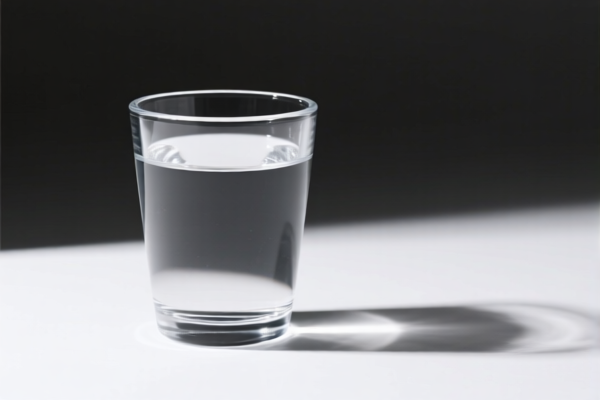
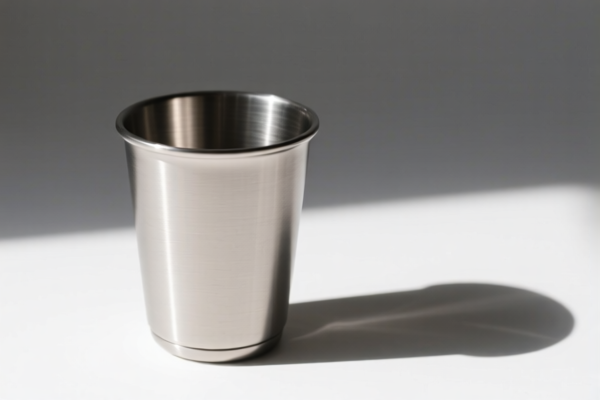

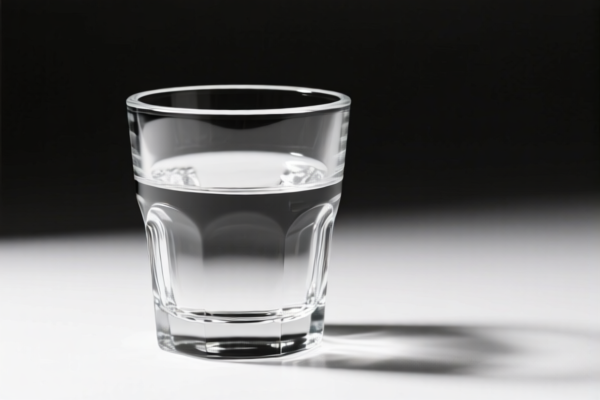
AI Analysis
☕ Plastic Tumblers (Drinkware of Plastic)
🌐 HS Code Reference & Customs Clearance Guide | 2026 Latest Tariff Analysis | Professional Compliance Strategy
📌 I. Product Definition & Classification: What Exactly Is a "Plastic Tumbler"?
A plastic tumbler is a rigid or semi-rigid drinking vessel made entirely or principally of plastic. In international trade, the classification depends heavily on its specific use and form factor:
Tableware/Kitchenware (Drinking Vessels): Cups, tumblers, mugs, and similar items used for serving beverages at the table or in the kitchen. This includes standard reusable plastic cups.
Packing/Conveyance Articles: Containers specifically designed for the transport, storage, or sale of goods (e.g., bulk liquid containers, carboys, or bottles intended for resale/transport rather than direct consumer serving as tableware).
⚠️ Key Distinction Point:
- If it is a single-serving or multi-serving vessel intended for use as dishware/cup → Group 3924 (Tableware/Kitchenware).
- If it is a container for bulk goods, liquid storage, or transport packaging (not for immediate eating/drinking as a plate/cup) → Group 3923 (Articles for Conveyance or Packing).
📦 II. HS Code Classification Details (2026 Latest Tariff Authority Comparison)
| HS Code | Product Description | Application Scenario | Classification Logic |
|---|---|---|---|
3924.10.20.00 |
Tableware and kitchenware: Plates, cups, saucers, soup bowls, cereal bowls, sugar bowls, creamers, gravy boats, serving dishes and platters | Standard plastic tumblers, cups, mugs, serving pitchers | ✅ Yes (Defined as "Cups" under Tableware) |
3924.10.40.00 |
Tableware and kitchenware: Other | Other plastic drinking vessels not explicitly listed in 3924.10.20 (e.g., specialized sports bottles if considered kitchenware, or non-standard shapes) | ✅ Yes (Residual category for Tableware) |
3923.30.00.90 |
Articles for conveyance or packing of goods; stoppers, lids, caps...: Carboys, bottles, flasks and similar articles (Other) | Bulk liquid containers, large plastic jugs for transport, industrial flasks | ❌ No (Used for storage/transport, not tableware) |
3923.90.00.80 |
Articles for conveyance or packing of goods; stoppers, lids, caps...: Other (Other) | General plastic packaging items, boxes, bins, other packing materials not elsewhere specified | ❌ No (General packing articles) |
🔍 Critical Reminder:
- Most consumer-grade plastic tumblers sold in stores (for home or restaurant use) must be classified under 3924.10.20.00 ("Cups").
- Do not misclassify a standard drinking tumbler as a "container" (3923 series) just because it holds liquid. The end-use as tableware dictates the classification.
- If the item is a bottle with a narrow neck and cap for transporting liquids (not a tumbler for direct drinking), it may fall under 3923.30.00.90.
💰 III. 2026 Latest Tariff Rate Details (Including Additional Taxes & Policy Surcharges)
✅ Applicable Country: United States (US)
✅ Country of Origin: China (CN)
✅ Effective Date: Current rates apply as per latest USITC & USTR determinations
🎯 1. 3924.10.20.00 —— Tableware and Kitchenware: Cups (Plastic Tumblers)
| Item | Content |
|---|---|
| Basic Tariff | 6.5% (ad valorem) |
| Section 301 Additional Tariff | +7.5% (Retaliatory tariff on Chinese imports) |
| Total Tariff Rate | 14.0% |
| Tax Calculation | CIF Value × 14.0% |
| De Minimis Eligibility | ❌ Not Applicable (De minimis ($800) does not exempt customs duties if goods are subject to Section 301 tariffs; however, administrative processing fees may still apply. Note: Recent policy shifts may affect de minimis treatment for high-tariff items, consult latest CBP guidance.) |
| Legal Authority Path | USITC:3924.10.20.00 → USTR:Section 301 List 4A/China |
📌 Explanation:
- The 6.5% is the standard Most Favored Nation (MFN) rate for plastic tableware.
- The 7.5% is the additional tariff imposed under the US-China trade agreement phase one/Section 301 adjustments.
- Total: 14%. This is a moderate-to-high duty for plastic goods.
- Compliance Note: Ensure the product is clearly labeled as "Plastic Tableware" or "Plastic Cups" to avoid misclassification into higher-tariff packaging categories.
🎯 2. 3924.10.40.00 —— Tableware and Kitchenware: Other (Plastic)
| Item | Content |
|---|---|
| Basic Tariff | 3.4% (ad valorem) |
| Section 301 Additional Tariff | +0.0% (Exempt or not included in additional tariff lists for this specific residual code) |
| Total Tariff Rate | 3.4% |
| Tax Calculation | CIF Value × 3.4% |
| De Minimis Eligibility | ⚠️ Check Current CBP Rulings |
| Legal Authority Path | USITC:3924.10.40.00 |
📌 Note:
- This code applies to plastic kitchenware items not explicitly listed in the "cups/plates" subheading.
- Benefit: Significantly lower tariff (3.4%) compared to the specific "cups" code.
- Risk: If CBP determines the item is a "cup/tumbler," they may reclassify it to3924.10.20.00and demand the 14% rate. Do not use this code unless the item is genuinely not a cup (e.g., a plastic ladle, scraper, or specialized kitchen tool that isn't a drinking vessel).
🎯 3. 3923.30.00.90 —— Carboys, Bottles, Flasks (Other)
| Item | Content |
|---|---|
| Basic Tariff | 0.0% |
| Section 301 Additional Tariff | +0.0% |
| Total Tariff Rate | 0.0% |
| Tax Calculation | CIF Value × 0.0% |
| De Minimis Eligibility | N/A (0% duty) |
| Legal Authority Path | USITC:3923.30.00.90 |
📌 Note:
- This code is for containers (bottles, flasks) used for conveyance or packing.
- Critical Warning: A standard tumbler (wide mouth, used for drinking) CANNOT be classified here. Misclassification leads to significant retroactive duty liabilities (14% + penalties). Only items designed as bottles/carboys for liquid transport/storage qualify.
🎯 4. 3923.90.00.80 —— Other Articles for Conveyance or Packing
| Item | Content |
|---|---|
| Basic Tariff | 3.0% (ad valorem) |
| Section 301 Additional Tariff | +25.0% (Broad Section 301 tariff on remaining Chinese goods) |
| Total Tariff Rate | 28.0% |
| Tax Calculation | CIF Value × 28.0% |
| De Minimis Eligibility | ❌ Not Applicable |
| Legal Authority Path | USITC:3923.90.00.80 → USTR:Section 301 List 4B |
📌 Note:
- This is a high-risk, high-tariff code.
- It applies to general plastic packing articles (boxes, cases, etc.) not specifically covered elsewhere.
- Do not use for tumblers. Using this for a tumbler is an obvious misclassification error.
🛠️ IV. Customs Clearance Practical Advice (Combat Pitfall Guide)
✅ 1. Required Documentation Checklist (None are Optional)
| Document | Must Provide | Description |
|---|---|---|
| ✅ Product Specification Sheet | ✔️ | Material (e.g., PP, PS, Tritan), capacity, dishwasher safe? |
| ✅ Product Photos (Labeled) | ✔️ | Clear image showing it is a drinking vessel (tumbler/cup), not a storage bottle. |
| ✅ Commercial Invoice | ✔️ | Description must be precise: "Plastic Tumbler" or "Plastic Cup," NOT "Plastic Container." |
| ✅ Packing List | ✔️ | Unit count, gross weight, net weight. |
| ✅ Country of Origin Certificate | ✔️ | If applicable for other markets, but for US, origin is declared. |
| ✅ FDA Compliance Statement | ✔️ | Since it’s food contact, confirm compliance with 21 CFR 177.xxxx (Plastic resins). |
✅ 2. Declaration Strategy (Key Mantra)
🔥 "If it’s for drinking, call it a Cup. If it’s for packing, call it a Bottle. Don’t Mix Up the Purpose!"
| Scenario | Correct Declaration | Wrong Action |
|---|---|---|
| Standard reusable plastic cup/tumbler | HS 3924.10.20.00 ("Cups") | Misclassified as "Container" (3923) → Risk of penalty |
| Large plastic jug for water storage/transport | HS 3923.30.00.90 ("Bottles/Flasks") | Misclassified as "Tableware" → Overpaying tax? (No, 0% vs 14%, but wrong classification still risks penalties) |
| Plastic box for holding tumblers | HS 3923.90.00.80 ("Other Packing") | N/A |
| Mixed shipment: Tumblers + Plastic Boxes | Split Declaration | Combine into one HS Code → Audit risk |
✅ 3. Special Case Handling
| Situation | Handling Advice |
|---|---|
| Transparent vs. Opaque | Both can be 3924.10.20.00. Transparency does not change classification. |
| With Straw or Lid | If sold as a set, the tumbler is the essential character. Classify as 3924.10.20.00. Do not split unless lids are sold separately. |
| Children’s Sippy Cups | Still Tableware (3924.10.20.00 or 3924.10.40.00). Not toys (9503). |
| Biodegradable Plastic Cups | Still 3924.10.20.00. Material composition (bioplastic) does not change HS Code if it’s still plastic. |
🌍 V. Global Market Customs Comparison (2026 Latest)
| Country/Region | Recommended HS Code | Duty Rate | Certification Required | Notes |
|---|---|---|---|---|
| 🇺🇸 USA | 3924.10.20.00 |
14.0% (CN Origin) | FDA Food Contact | High tariff due to Section 301. |
| 🇨🇳 China | 3924.10.20.00 |
6.5% | GB 4806.7 (Food Contact) | Standard import duty. |
| 🇪🇺 EU | 3924.10.00 |
6.5% | LFGB / EC 1935/2004 | No additional "Section 301" equivalent. |
| 🇬🇧 UK | 3924.10.00 |
6.5% | UKCA / FSA Guidelines | Post-Brexit rules apply. |
| 🇯🇵 Japan | 3924.10.00 |
8.0% | Food Sanitation Law | Slightly higher base rate. |
📌 Conclusion:
- The USA imposes the highest effective duty (14%) on Chinese plastic tumblers due to additional tariffs.
- EU and UK charge only the standard MFN rate (6.5%), making them more cost-effective markets for plastic tableware if tariffs are the primary concern.
- Compliance is key: FDA compliance is mandatory for US imports. Non-compliance leads to automatic rejection regardless of tariff accuracy.
📌 VI. Common Errors & Pitfall Guide (Lessons from Experience)
❌ Error 1: Classifying a plastic tumbler as 3923.30.00.90 (Bottle/Flask) to avoid tax.
👉 Consequence: CBP will reject this because a tumbler is not a "flask" or "carboy." Penalty for misclassification + back duties (14% - 0% = 14% + interest).
❌ Error 2: Ignoring FDA Food Contact requirements.
👉 Consequence: Shipment detained at US port. No amount of correct tariff classification can save a non-compliant product.
❌ Error 3: Mislabeling "Plastic Tableware" as "Plastic Toys" (9503).
👉 Consequence: Even if it looks like a toy, if it’s used for drinking, it’s tableware. Misclassification leads to duty discrepancies and potential CBP audits.
✅ Correct Practice:
"Polypropylene (PP) Plastic Tumbler, 16oz, Clear, Reusable, FDA Compliant, Model T-100"
🎯 VII. Conclusion: Accurate Classification Saves Money!
🎯 Remember the Mantra:
🔹 "Tumbler = Cup = 3924.10.20 = 14% Duty."
🔹 "Bottle/Flask = 3923.30 = 0% Duty (But Don't Fake It!)."
🔹 "Clear Labeling Prevents Delays."
📌 Pro Tip:
If you are shipping large volumes, consider Advance Ruling (Ruling Request) with US Customs to lock in the HS Code classification and avoid post-entry adjustments.
For biodegradable plastics, ensure the label matches the material specification exactly to avoid fraud allegations.
📣 Immediate Action:
📞 Verify FDA Compliance Certificate
📦 Confirm HS Code3924.10.20.00on Commercial Invoice
🚀 Ensure Smooth Customs Clearance for Your Plastic Tumblers!
✨ Professional Customs Clearance Starts with Accurate Classification!
💼 Every Percent of Duty Counts!
Customer Reviews
About HS Code Classification
The Harmonized System (HS) is an internationally standardized nomenclature developed by the World Customs Organization (WCO) to classify traded products. Over 200 countries use the HS system as the basis for customs tariffs, trade statistics, and import/export regulations.
Each HS code follows a hierarchical structure:
- Chapter (2 digits) — Broad category of goods (e.g., Chapter 84: Machinery and Mechanical Appliances)
- Heading (4 digits) — More specific grouping within the chapter
- Subheading (6 digits) — Internationally standardized breakdown, used by all WCO member countries
- National subdivisions (8-10 digits) — Country-specific extensions for further classification, such as US HTSUS 10-digit codes
Correct HS code classification is essential for smooth customs clearance, accurate duty payment, and compliance with trade regulations. Misclassification can lead to customs delays, overpayment of duties, or penalties.
When importing from CN to US, the applicable tariff rates may include:
- Most-Favored-Nation (MFN) rate — The standard duty rate applied to WTO members
- General rate — Applied to countries without trade agreements
- Trade remedy duties — Additional tariffs such as Section 301 (anti-dumping), Section 232 (national security), or countervailing duties
The information provided on this page is for reference purposes only. For official classification, please consult with your local customs authority or a licensed customs broker.