plastic vase
CN → US| HS Code | Tariff Rate | Origin | Destination | Doc |
|---|---|---|---|---|
| 6702104000 | 13.4% | CN | US | Official Doc |
| 6702102000 | 18.4% | CN | US | Official Doc |
| 9503000090 | 10.0% | CN | US | Official Doc |
| 3926400090 | 15.3% | CN | US | Official Doc |
| 3926400010 | 15.3% | CN | US | Official Doc |
Product Images
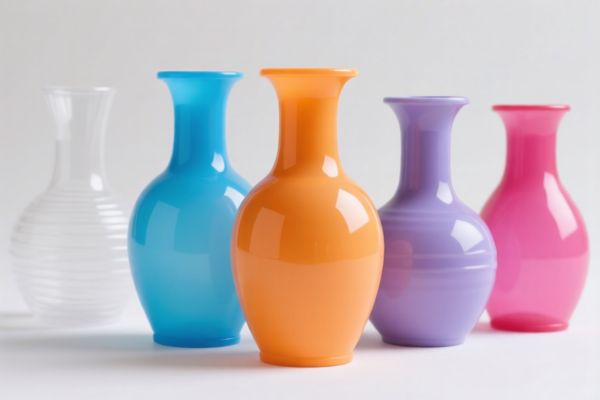
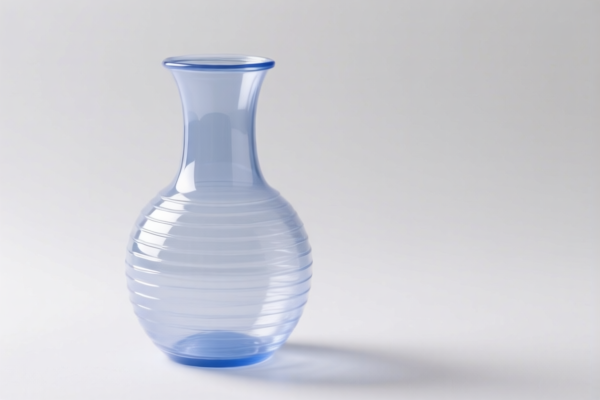
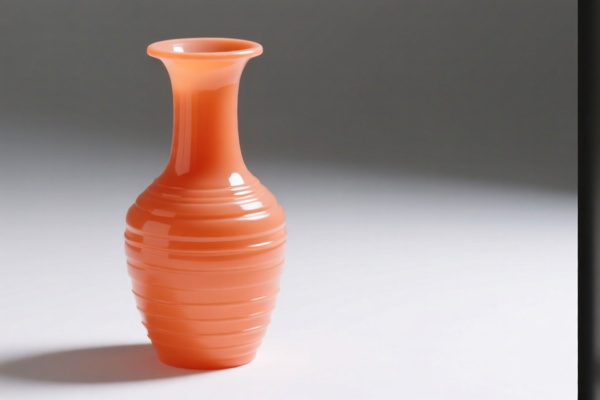
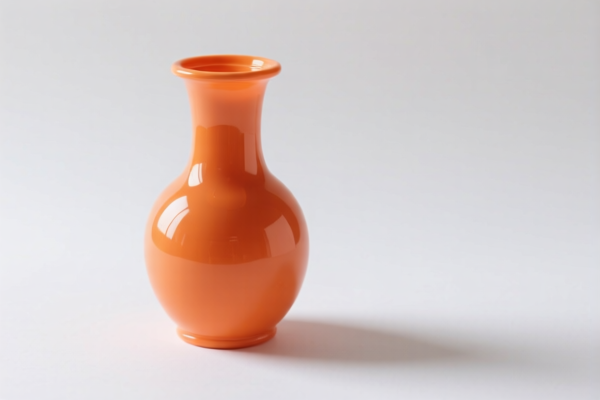
AI Analysis
🌸 Plastic Vases (Artificial Floral Decor & Accessories)
🌐 HS Code Reference & Customs Clearance Guide | 2026 Latest Tariff Analysis | Professional Customs Strategy
📌 1. Product Definition & Classification: What Exactly is a "Plastic Vase"?
In international trade, a "Plastic Vase" is not a single standardized commodity. Its HS Code classification depends entirely on its intended use, material composition, and structural complexity. It falls primarily into two conflicting categories: Plastic Articles (Chapter 39) or Artificial Flowers/Plants (Chapter 67).
Key Distinction Logic: * If it is purely decorative/artificial floral arrangement: It is classified as an "Artificial Flower, foliage or fruit" because it is part of a floral assembly or designed to mimic nature. * If it is a generic container/decorative object: It is classified as an "Article of Plastic" because it serves as a general-purpose decorative item. * If it is a toy: It is classified under "Toys" if it is designed for play.
⚠️ Critical Classification Point:
- If the item is explicitly sold as part of an artificial flower arrangement or is shaped like a natural vessel for such arrangements → Chapter 67 (6702.10.xxxx).
- If the item is a standalone decorative plastic piece (e.g., a geometric vase for home decor) → Chapter 39 (3926.40.xxxx).
- If the item is marketed as a toy or for children's play → Chapter 95 (9503.00.90).
📦 2. HS Code Classification Details (Based on Provided Data)
| HS Code | Product Description | Applicable Scenario | Tax Rate (Total) |
|---|---|---|---|
6702.10.40.00 |
Plastic artificial flowers, meeting plastic material and decorative use criteria | Artificial flower stems, foliage, or floral arrangements where the "vase" is part of the floral composition | 13.4% |
6702.10.20.00 |
Plastic artificial flowers, material and form fully match | Specific artificial flowers where the form is strictly defined as floral/plant-like | 18.4% |
9503.00.00.90 |
Plastic toys or decorative play items | Children's toys, play sets, or items explicitly marketed for play | 10.0% |
3926.40.00.90 |
Plastic decorative articles, belonging to other categories | Generic decorative plastic vases, home decor items not strictly "artificial flowers" | 15.3% |
3926.40.00.10 |
Plastic decorative articles, meeting material and use criteria | Standard plastic decorative containers/vases for general use | 15.3% |
🔍 Key Reminder:
- Chapter 67 (6702.10) is for Artificial Flowers/Plants. If your product is a vase holding artificial flowers, or is itself shaped like a natural plant part, this chapter applies.
- Chapter 39 (3926.40) is for Other Plastic Articles. If it is a standalone, abstract, or functional decorative vase not mimicking a plant, this chapter applies.
- Chapter 95 (9503.00) is for Toys. Only if explicitly sold as a toy.
💰 3. 2026 Latest Tariff Rate Details (Including Surcharges)
✅ Applicable Country: United States (US)
✅ Origin: China (CN)
✅ Effective Time: 2025/2026 (Current Trade Policy)
🎯 1. 6702.10.40.00 – Plastic Artificial Flowers (Decorative Use)
| Item | Details |
|---|---|
| Base Tariff | 3.4% |
| Section 301 Surcharge | 0.0% |
| Section 122 Tariff | 10.0% |
| Total Tariff | 13.4% |
| Tax Calculation | CIF Value × 13.4% |
| De Minimis Exemption | ❌ Not Eligible (Standard for Chapter 67) |
| Legal Basis | Section 301 (0%) + Section 122 (10%) |
📌 Explanation:
- This code has a low base tariff (3.4%) but incurs a 10% Section 122 tariff.
- Section 122 typically applies to specific consumer goods.
- Total cost: 13.4%, which is relatively moderate compared to other plastic categories.
🎯 2. 6702.10.20.00 – Plastic Artificial Flowers (Specific Form)
| Item | Details |
|---|---|
| Base Tariff | 8.4% |
| Section 301 Surcharge | 0.0% |
| Section 122 Tariff | 10.0% |
| Total Tariff | 18.4% |
| Tax Calculation | CIF Value × 18.4% |
| De Minimis Exemption | ❌ Not Eligible |
| Legal Basis | Section 301 (0%) + Section 122 (10%) |
📌 Note:
- Slightly higher base tariff (8.4%) due to stricter form/material matching.
- Total cost: 18.4%, still manageable but higher than6702.10.40.00.
🎯 3. 9503.00.00.90 – Plastic Toys/Play Items
| Item | Details |
|---|---|
| Base Tariff | 0.0% |
| Section 301 Surcharge | 0.0% |
| Section 122 Tariff | 10.0% |
| Total Tariff | 10.0% |
| Tax Calculation | CIF Value × 10.0% |
| De Minimis Exemption | ❌ Not Eligible |
| Legal Basis | Section 122 (10%) |
📌 Note:
- Lowest total tariff (10%) among all options.
- Only applicable if the product is clearly a toy. Misclassifying a decorative vase as a toy to avoid taxes is a high-risk violation.
🎯 4. 3926.40.00.90 & 3926.40.00.10 – Plastic Decorative Articles
| Item | Details |
|---|---|
| Base Tariff | 5.3% |
| Section 301 Surcharge | 0.0% |
| Section 122 Tariff | 10.0% |
| Total Tariff | 15.3% |
| Tax Calculation | CIF Value × 15.3% |
| De Minimis Exemption | ❌ Not Eligible |
| Legal Basis | Section 122 (10%) |
📌 Note:
- Both sub-headings have the same total tariff (15.3%).
- This is the standard rate for general plastic decorative items.
- If your vase is not an "artificial flower" and not a "toy," this is the default classification.
🛠️ 4. Customs Clearance Practical Advice (Pitfall Avoidance Guide)
✅ 1. Document Checklist (Essential)
| Document | Mandatory | Description |
|---|---|---|
| ✅ Product Specification Sheet | ✔️ | Material (e.g., PE, PP, PVC), dimensions, intended use |
| ✅ Product Photos (Real) | ✔️ | Clear images showing if it's a standalone vase or part of a floral arrangement |
| ✅ Commercial Invoice | ✔️ | Must clearly state "Plastic Decorative Vase" or "Artificial Flower Vase" |
| ✅ Packing List | ✔️ | Details quantity, weight, and packaging |
| ✅ Certificate of Origin (CO) | ✔️ | For potential future FTAs, though currently high tariffs apply |
| ✅ Brand/Model Info | ✔️ | Helps clarify if it's a toy (e.g., "Playset") or decor |
✅ 2. Declaration Strategy (Key Mantra)
🔥 "Use Defines Code: Toy=10%, Flower=13-18%, Decor=15.3%"
| Scenario | Correct HS Code | Wrong Code | Consequence of Error |
|---|---|---|---|
| Standalone Decorative Vase | 3926.40.00.90 / 3926.40.00.10 (15.3%) |
6702.10.40.00 |
Over-declaration of tariff benefits; potential audit |
| Artificial Flower Arrangement (with vase) | 6702.10.40.00 (13.4%) |
3926.40.00.90 |
Under-declaration; penalty & back taxes |
| Toy Vase (for children) | 9503.00.00.90 (10.0%) |
3926.40.00.90 |
Misclassification; high risk of seizure if not clearly a toy |
⚠️ Critical Warning:
- Do NOT misdeclare a decorative vase as a "Toy" to get the 10% rate unless it is explicitly designed for children's play (e.g., durable, non-breakable, marketed for kids).
- Do NOT declare a standalone plastic vase as "Artificial Flowers" if it doesn't contain or mimic floral parts. Customs may reject this for lack of "floral" characteristics.
✅ 3. Special Cases
| Case | Handling Advice |
|---|---|
| Vase with Artificial Flowers Inside | Classify as Artificial Flowers (6702.10). The flowers are the primary value driver. |
| Vase with Real Flowers | Classify as Living Plants/Flowers (Chapter 67) or Vase (Chapter 39) depending on packaging. Usually, if shipped with soil/water, it's different. |
| Packaged as Gift Set | If it's a "Vase + Fake Flowers" gift set, Classify as Artificial Flowers (6702.10). |
| Abstract Plastic Vase | Classify as Plastic Decorative Article (3926.40). No floral mimicry. |
🌍 5. Global Market Comparison (2026)
| Country/Region | Recommended HS Code | Tariff (China Origin) | Notes |
|---|---|---|---|
| 🇺🇸 USA | 6702.10.40.00 / 3926.40.00.90 |
13.4% – 15.3% | Section 122 Tariff applies. No de minimis exemption. |
| 🇨🇳 China | 6702.10.40.00 / 3926.40.00.90 |
Low Base Rate | Import duties into China are lower; focus on VAT. |
| 🇪🇺 EU | 6702.10.40.00 / 3926.40.00.90 |
4% – 6% | No Section 122. Lower overall cost. |
| 🇬🇧 UK | 6702.10.40.00 / 3926.40.00.90 |
4% – 6% | Post-Brexit rules apply. |
📌 Conclusion:
- USA is the most expensive market due to Section 122 (10%).
- EU/UK are more cost-effective for plastic imports.
- Tariff Optimization: If possible, ensure the product is clearly an "Artificial Flower" (13.4%) rather than a generic "Plastic Decorative Article" (15.3%) if it fits the definition.
📌 6. Common Mistakes & Pitfall Guide (Blood & Tears)
❌ Mistake 1: Declaring a decorative vase as a Toy to save 5.3%
👉 Consequence: Customs audit, penalty, and potential seizure if not proven to be a toy.
❌ Mistake 2: Declaring a standalone vase as Artificial Flowers
👉 Consequence: Customs may reject the code for lack of floral elements, leading to reclassification and delays.
❌ Mistake 3: Ignoring Section 122 Tariff
👉 Consequence: All listed codes include a 10% Section 122 tariff. If you calculate based only on base rates, your profit margin will be wiped out.
✅ Correct Practice:
"Plastic Artificial Flower Arrangement, 12-inch, Model A, for Home Decor" →
6702.10.40.00
"Plastic Decorative Vase, Blue, Abstract Design, Model B, for Home Decor" →3926.40.00.90
"Plastic Play Vase Set for Kids, Model C, Toy" →9503.00.00.90
🎯 7. Conclusion: Professional Classification, Save Costs, Ensure Clearance
🎯 Remember the Mantra:
🔹 "Toy=10%, Flower=13-18%, Decor=15.3%. Section 122 is 10%. Use Defines Code!"
🔹 "HS Code is Life, Tariff Difference is Money. Wrong Code, Big Pain!"
📌 Pro Tip:
If your plastic vase is part of an artificial flower arrangement, classify it under 6702.10 to potentially benefit from lower base tariffs (though Section 122 still applies).
If it is a standalone decorative item, use 3926.40.
Always verify if your product qualifies as a "Toy" before opting for the lowest rate (10%).
📣 Immediate Action:
📞 Contact your customs broker with product photos and intended use description.
🚀 Get an Advance Ruling if shipping high volumes to the US to mitigate risk.
✨ Professional Clearance Starts with Accurate Classification!
💼 Every Percentage Point of Tariff is Part of Your Cost!
Customer Reviews
About HS Code Classification
The Harmonized System (HS) is an internationally standardized nomenclature developed by the World Customs Organization (WCO) to classify traded products. Over 200 countries use the HS system as the basis for customs tariffs, trade statistics, and import/export regulations.
Each HS code follows a hierarchical structure:
- Chapter (2 digits) — Broad category of goods (e.g., Chapter 84: Machinery and Mechanical Appliances)
- Heading (4 digits) — More specific grouping within the chapter
- Subheading (6 digits) — Internationally standardized breakdown, used by all WCO member countries
- National subdivisions (8-10 digits) — Country-specific extensions for further classification, such as US HTSUS 10-digit codes
Correct HS code classification is essential for smooth customs clearance, accurate duty payment, and compliance with trade regulations. Misclassification can lead to customs delays, overpayment of duties, or penalties.
When importing from CN to US, the applicable tariff rates may include:
- Most-Favored-Nation (MFN) rate — The standard duty rate applied to WTO members
- General rate — Applied to countries without trade agreements
- Trade remedy duties — Additional tariffs such as Section 301 (anti-dumping), Section 232 (national security), or countervailing duties
The information provided on this page is for reference purposes only. For official classification, please consult with your local customs authority or a licensed customs broker.