plastic venetian heat blocking blinds
CN → US| HS Code | Tariff Rate | Origin | Destination | Doc |
|---|---|---|---|---|
| 3925301000 | 20.8% | CN | US | Official Doc |
| 3925305000 | 22.8% | CN | US | Official Doc |
Product Images
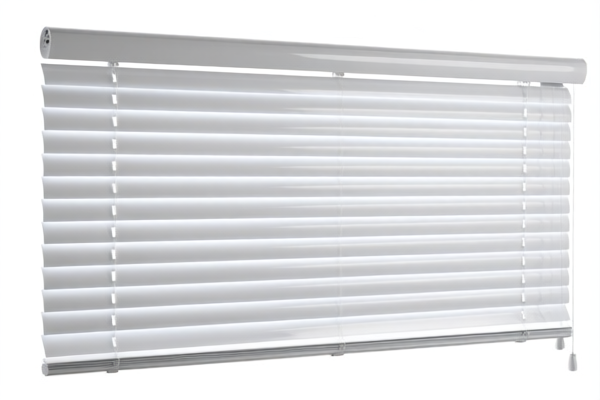
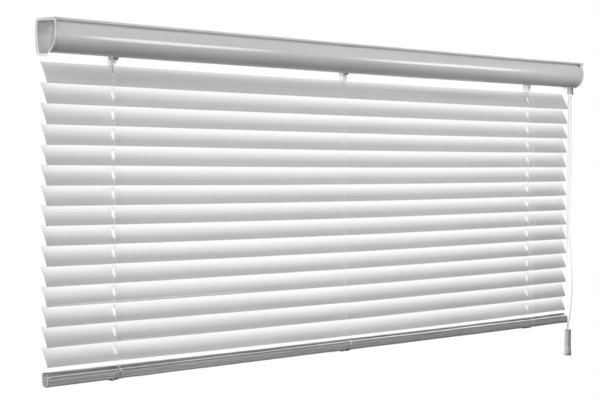
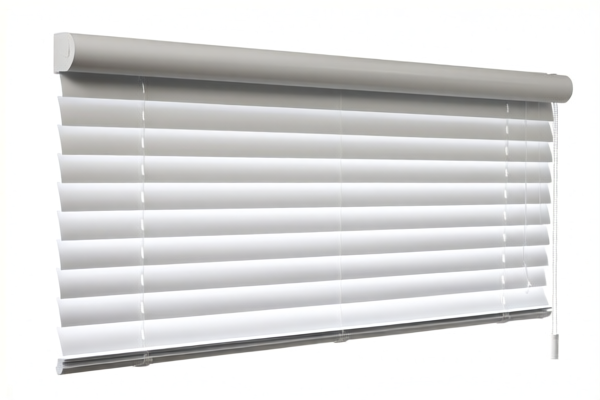
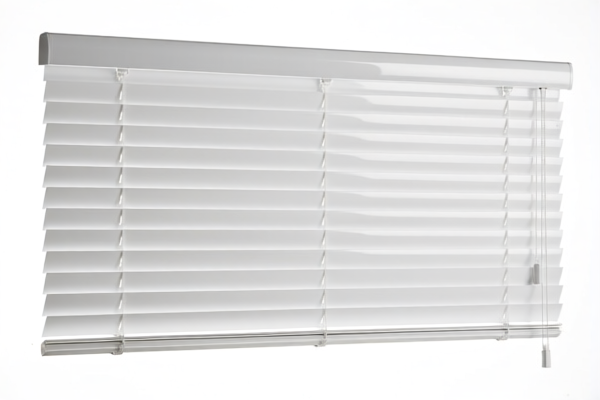
AI Analysis
🏠 Plastic Venetian Heat Blocking Blinds (Plastic Shutters & Blinds)
🌐 HS Code Reference & Customs Clearance Guide | 2026 Latest Tariff Breakdown | Strategic Import Strategy for USA
📌 I. Product Definition & Classification: What Exactly Are "Plastic Blinds"?
Plastic Venetian Blinds and Heat Blocking Blinds fall under the category of "Builders' ware of plastics". They are interior window coverings made primarily from PVC, ABS, or other polymer materials, designed for light control, privacy, and thermal insulation.
In international trade, these products are strictly categorized based on their mechanical structure and specific design:
- Venetian Blinds & Similar Articles: Characterized by horizontal slats (louvers) that can be tilted to control light. This includes standard plastic Venetian blinds, roller blinds with specific slat-like structures, and pleated blinds.
- Other Builders' Ware: Any plastic window covering that does not fit the specific definition of "shutters, blinds (including Venetian blinds)" or parts thereof.
⚠️ Critical Distinction Point:
- If the product consists of horizontal slats connected by tapes or cords (standard Venetian style), it falls under 3925.30.10.00.
- If the product is a different type of plastic blind/shutter (e.g., vertical blinds, specific shutters not defined as Venetian, or complex assemblies) that does not match the "Venetian" description, it may fall under 3925.30.50.00 ("Other").
- Note: "Heat blocking" is a functional feature, not a structural one. It does not change the HS code unless the material composition or structure changes significantly.
📦 II. HS Code Classification Details (2026 Latest Tariff Authority Comparison)
| HS Code | Product Description | Application Scenario | Key Structural Feature |
|---|---|---|---|
3925.30.10.00 |
Blinds (including Venetian blinds) | Standard plastic Venetian blinds, horizontal slat blinds, pleated blinds | Horizontal slats, tilt mechanism |
3925.30.50.00 |
Other | Vertical blinds, specific plastic shutters, non-standard blinds | Does not fit "Venetian" definition |
🔍 Key Reminder:
- 3925.30.10.00 is for standard Venetian-style blinds (horizontal slats).
- 3925.30.50.00 is a catch-all category for other plastic blinds/shutters not specified elsewhere.
- Do not classify these as "furniture" or "textiles." They are plastic builders' ware.
💰 III. 2026 Latest Tariff Rate Details (Including Surtaxes, Policy Surcharges)
✅ Applicable Country: United States (US)
✅ Country of Origin: China (CN) (Assumed based on typical tariff context; verify origin if different)
✅ Effective Time: 2025/2026 Tariff Schedule
🎯 1. 3925.30.10.00 —— Blinds (including Venetian blinds)
| Item | Content |
|---|---|
| Base Tariff (MFN) | 0.0% |
| Section 301 Surtax (Additional Tariff) | 0.0% |
| Total Tariff Rate | 0.0% |
| Tax Calculation | CIF Value × 0% = $0 |
| De Minimis Eligibility | ✅ Yes (Subject to current de minimis rules, typically $800) |
| Legal Basis Path | HTSUS:3925.30.10.00 → USITC:3925.30.10.00 → FOOTNOTE:No 301 Surcharge Listed |
📌 Explanation:
- Base Tariff is 0%: Plastic blinds and Venetian blinds have a zero base duty rate.
- No 301 Surcharge: Unlike electronics or machinery, plastic blinds are NOT currently subject to the 25% Section 301 surcharge (as of the 2026 schedule context provided in the data).
- Total Cost: Only standard customs processing fees apply; no ad valorem duty.
🎯 2. 3925.30.50.00 —— Other
| Item | Content |
|---|---|
| Base Tariff (MFN) | 5.3% |
| Section 301 Surtax (Additional Tariff) | 7.5% |
| Total Tariff Rate | 12.8% |
| Tax Calculation | CIF Value × 12.8% |
| De Minimis Eligibility | ❌ No (Subject to higher duty thresholds) |
| Legal Basis Path | HTSUS:3925.30.50.00 → USITC:3925.30.50.00 → USITC:Footnote 301:7.5% |
📌 Explanation:
- Base Tariff is 5.3%: For plastic builders' ware not specified elsewhere.
- Section 301 Surtax is 7.5%: This category IS subject to a reduced 7.5% Section 301 surcharge (Note: Some categories face 25%, but data specifies 7.5% for this subheading).
- Total Cost: 12.8% of CIF value. This is a significant cost driver.
🛠️ IV. Customs Clearance Practical Advice (Avoid Pitfalls)
✅ 1. Required Documentation Checklist (Non-Negotiable)
| Document | Mandatory? | Description |
|---|---|---|
| ✅ Product Specification Sheet | ✔️ | Must clearly state: Material (e.g., PVC, ABS), Type (Venetian/Vertical), Dimensions, Color, and Heat Blocking Feature (if claiming any special exemption, though unlikely to change HS). |
| ✅ Product Photos | ✔️ | Clear images of the slat structure. Crucial to prove it is a "Venetian blind" (3925.30.10.00) vs. "Other" (3925.30.50.00). |
| ✅ Commercial Invoice | ✔️ | Must describe goods as "Plastic Venetian Blinds" or "Plastic Blinds". Avoid vague terms like "Window Covering." |
| ✅ Packing List | ✔️ | Detail quantity, weight, and dimensions. |
| ✅ Certificate of Origin (CO) | ✔️ | Essential if claiming any preferential rates (e.g., for non-China origins). |
| ✅ Material Declaration | ✔️ | Confirm the plastic type (PVC, PET, etc.) to ensure no restricted substances. |
✅ 2. Declaration Tips (Key Mnemonics)
🔥 "Structure Defines Code: Slats = 10, Others = 50. Zero Duty for Venetian, 12.8% for the Rest!"
| Scenario | Correct Declaration | Incorrect Practice |
|---|---|---|
| Standard Plastic Venetian Blinds | HS: 3925.30.10.00 |
Misclassifying as "Other" → 12.8% Tax |
| Vertical Plastic Blinds | HS: 3925.30.50.00 |
Misclassifying as "Venetian" → Underpayment & Penalty |
| Heat Blocking Blinds | HS: 3925.30.10.00 (if Venetian) |
Assuming "Heat Blocking" = Different HS Code → Wrong Classification |
| Blinds with Fabric Mix | Check Composition | If >50% plastic by weight/value, still under Chapter 39. If mixed, may need complex analysis. |
✅ 3. Special Situation Handling
| Situation | Handling Advice |
|---|---|
| "Heat Blocking" Claim | This is a functional feature, not a structural one. It does not change the HS Code. Do not expect tax reduction based on energy efficiency alone. |
| Plastic + Wood Mix | If the slats are wood with plastic coating, it may fall under Chapter 44 (Wood). Pure plastic is Chapter 39. Be precise. |
| Import from China vs. Other Origins | If originating from Vietnam, Malaysia, etc., the 7.5% Section 301 surcharge for 3925.30.50.00 may not apply. Always verify Country of Origin. |
| De Minimis Shipment | For 3925.30.10.00, shipments under $800 may enter duty-free (subject to current policy). For 3925.30.50.00, duties apply regardless. |
🌍 V. Global Market Comparison (2026 Latest)
| Country/Region | Recommended HS Code | Tariff (China Origin) | Certification Requirements | Notes |
|---|---|---|---|---|
| 🇺🇸 USA | 3925.30.10.00 |
0% | None specific | Best Tariff for Venetian Blinds |
| 🇺🇸 USA | 3925.30.50.00 |
12.8% | None specific | Higher Cost for "Other" Blinds |
| 🇪🇺 EU | 3925.30 |
~3-4% | REACH, RoHS | No 301-style surcharges |
| 🇨🇳 China | 3925.30.10.00 |
5-10% (Import) | CCC (if applicable) | Export from China: Check local rebates |
| 🇬🇧 UK | 3925.30 |
~3% | UKCA | Post-Brexit rules apply |
📌 Conclusion:
- USA is the most favorable market for Plastic Venetian Blinds (3925.30.10.00) due to 0% duty.
- Misclassification is the biggest risk. If you declare "Plastic Blinds" without specifying "Venetian," customs may default to3925.30.50.00(12.8%), costing you 12.8% extra.
📌 VI. Common Mistakes & Pitfalls (Lessons Learned)
❌ Mistake 1: Declaring all plastic blinds as 3925.30.10.00 to save tax.
👉 Consequence: If the blind is vertical or non-Venetian, it’s illegal misclassification. Customs will audit, leading to back taxes + penalties.
❌ Mistake 2: Assuming "Heat Blocking" qualifies for green energy tariffs.
👉 Consequence: No such tariff exists for plastic blinds. You still pay the standard rate. Don’t rely on this for cost reduction.
❌ Mistake 3: Ignoring the "Section 301" status of 3925.30.50.00.
👉 Consequence: For "Other" blinds, the 7.5% surcharge is real. Budget for it!
✅ Correct Practice:
"Plastic Venetian Blinds, Horizontal Slats, PVC, 12mm Slat Width, Heat Resistant Coating, Model: HB-123"
🎯 VII. Conclusion: Precision in Classification, Profit in Clearance
🎯 Remember the Mantra:
🔹 "Venetian Slats = 0% Duty. Other Blinds = 12.8% Duty. Heat Blocking = Feature, Not Code."
🔹 "Describe Structure, Not Function. Save 12.8% with Correct HS!"
📌 Pro Tip:
If your product is Venetian-style (horizontal slats), INSIST on HS Code
3925.30.10.00.
Provide photos and diagrams showing the slat structure in your commercial invoice to justify the classification.
This simple step can save you 12.8% on every shipment.
📣 Immediate Action:
📞 Confirm Product Structure: Is it Venetian (horizontal slats) or Other?
📄 Update Invoice Description: Use specific terms like "Plastic Venetian Blinds."
🚀 Optimize Cost: Leverage the 0% tariff for Venetian blinds.
✨ Professional clearance starts with precise classification!
💼 Every percentage point counts in global trade!
Customer Reviews
About HS Code Classification
The Harmonized System (HS) is an internationally standardized nomenclature developed by the World Customs Organization (WCO) to classify traded products. Over 200 countries use the HS system as the basis for customs tariffs, trade statistics, and import/export regulations.
Each HS code follows a hierarchical structure:
- Chapter (2 digits) — Broad category of goods (e.g., Chapter 84: Machinery and Mechanical Appliances)
- Heading (4 digits) — More specific grouping within the chapter
- Subheading (6 digits) — Internationally standardized breakdown, used by all WCO member countries
- National subdivisions (8-10 digits) — Country-specific extensions for further classification, such as US HTSUS 10-digit codes
Correct HS code classification is essential for smooth customs clearance, accurate duty payment, and compliance with trade regulations. Misclassification can lead to customs delays, overpayment of duties, or penalties.
When importing from CN to US, the applicable tariff rates may include:
- Most-Favored-Nation (MFN) rate — The standard duty rate applied to WTO members
- General rate — Applied to countries without trade agreements
- Trade remedy duties — Additional tariffs such as Section 301 (anti-dumping), Section 232 (national security), or countervailing duties
The information provided on this page is for reference purposes only. For official classification, please consult with your local customs authority or a licensed customs broker.