plastic wall sound insulation material textile
CN → US| HS Code | Tariff Rate | Origin | Destination | Doc |
|---|---|---|---|---|
| 6307909891 | 24.5% | CN | US | Official Doc |
| 5903102090 | 35.0% | CN | US | Official Doc |
| 6307908500 | 23.3% | CN | US | Official Doc |
| 5903102010 | 35.0% | CN | US | Official Doc |
| 5903102500 | 42.5% | CN | US | Official Doc |
Product Images
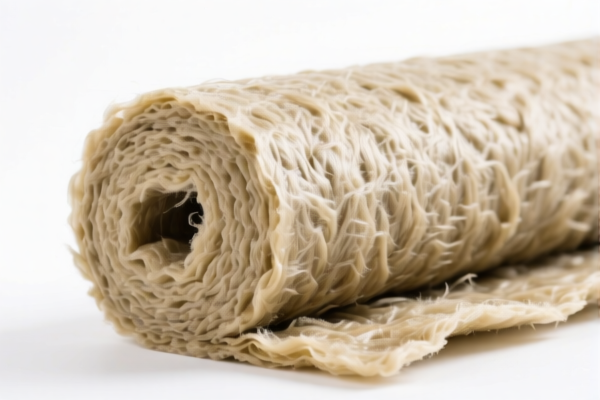
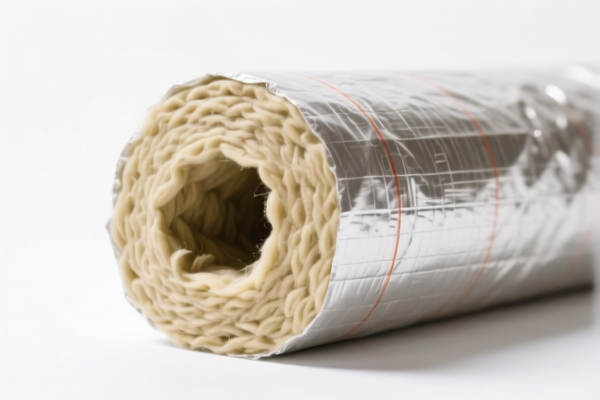
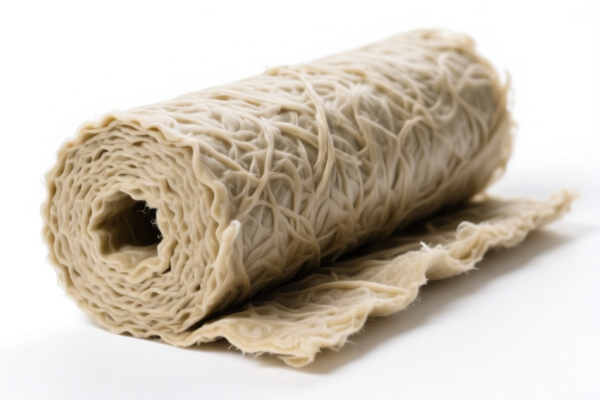
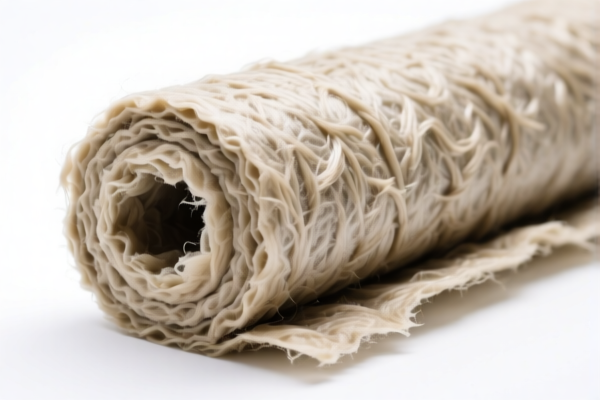
AI Analysis
🧱 Plastic Wall Sound Insulation Material (Textile Composite)
🌐 HS Code Reference & Customs Clearance Guide | 2026 Latest Tariff Analysis | Professional Compliance Strategy
📌 Part I: Product Definition & Classification: What Exactly Are We Dealing With?
Plastic wall sound insulation materials, particularly those with a textile base, are composite products used for acoustic damping and thermal insulation in construction. In international trade, the classification depends heavily on the primary material characteristic and the manufacturing process.
Key Distinctions:
1. Textile-Based Composites (Chapter 59): If the fabric is impregnated, coated, covered, or laminated with plastics (e.g., PVC, PE), and this treatment constitutes the essential character, it falls under Chapter 59 (Impregnated, Coated, Covered or Laminated Textile Fabrics).
2. Made-Up Articles (Chapter 63): If the product is considered a "finished article" for soundproofing, regardless of material, it may fall under Chapter 63 (Other made-up textile articles; sets; worn clothing and articles).
⚠️ Critical Determination Point:
- If the plastic coating is merely for water resistance or slight stiffening without defining the product's primary function → Chapter 63.
- If the plastic lamination/impregnation is the defining feature creating the acoustic barrier → Chapter 59.
📦 Part II: HS Code Classification Details (2026 Latest Tariff Authority Comparison)
| HS Code | Product Description | Application Scenario | Key Classification Logic |
|---|---|---|---|
6307.90.98.91 |
Other made-up articles, including those of plastic components in textile material | Finished soundproofing panels where textile + plastic mix is treated as a "finished good" | Chapter 63 Fallback: Classified as a finished article rather than a raw fabric. |
5903.10.20.90 |
Textile fabrics impregnated, coated, covered or laminated with plastics | PVC-coated acoustic textile rolls/fabrics | Chapter 59 Primary: The plastic layer is the essential character. |
6307.90.85.00 |
Other made-up articles (catch-all for specific use cases) | Soundproofing materials that don't fit other specific textile or plastic headings | Chapter 63 Fallback: Based on general made-up article rules. |
5903.10.20.10 |
Textile fabrics impregnated, coated, covered or laminated with plastics (specific subtype) | Standard PVC/PE laminated acoustic fabrics without specific exclusions | Chapter 59 Specific: Clear classification as plastic-laminated textile. |
5903.10.25.00 |
Textile fabrics impregnated/Coated with Polyvinyl Chloride (PVC) | Acoustic materials specifically inferred to be PVC-based textile supports | Chapter 59 Specific: PVC-specific subheading for textile composites. |
🔍 Key Reminder:
- All products where the plastic lamination/impregnation defines the function (acoustic barrier) should strictly look at HS 5903.
- If the product is sold as a "pre-cut panel" or "ready-to-install decoration," customs may prefer HS 6307.
💰 Part III: 2026 Latest Tariff Rate Breakdown (Including Surcharges & Policy Add-ons)
✅ Applicable Country: USA (US)
✅ Origin: China (CN)
✅ Effective Date: From November 10, 2025 (for subsequent imports)
🎯 1. 6307.90.98.91 —— Other Made-Up Articles (Plastic/Textile Mix)
| Item | Content |
|---|---|
| Base Tariff Rate | 7.0% (ad valorem) |
| Section 301 Surcharge | +7.5% |
| IEEPA Surcharge (Section 122) | +10% |
| Total Tariff Rate | 24.5% |
| Tax Calculation | CIF Value × 24.5% |
| De Minimis Exemption Eligibility | ❌ No (deny_de_minimis) |
| Legal Basis Path | USITC:6307.90.98.91 → Section 301: 7.5% → IEEPA: 10% |
📌 Explanation:
- This is the lowest cost option among the listed codes.
- "Base Tariff 7%" is applied because it's classified as a general made-up article.
- The 301 tariff (7.5%) and IEEPA tariff (10%) are added on top of the base rate.
🎯 2. 5903.10.20.90 —— Plastic-Impregnated Textile Fabrics (General)
| Item | Content |
|---|---|
| Base Tariff Rate | 0.0% |
| Section 301 Surcharge | +25.0% |
| IEEPA Surcharge (Section 122) | +10% |
| Total Tariff Rate | 35.0% |
| Tax Calculation | CIF Value × 35.0% |
| De Minimis Exemption Eligibility | ❌ No (deny_de_minimis) |
| Legal Basis Path | USITC:5903.10.20.90 → Section 301: 25% → IEEPA: 10% |
📌 Note:
- Although the base tariff is 0%, the 301 surcharge is much higher (25%) compared to Chapter 63 products.
- Total rate: 35%. This is significantly more expensive than6307.90.98.91.
- Applies to standard plastic-laminated textiles.
🎯 3. 6307.90.85.00 —— Other Made-Up Articles (Catch-All)
| Item | Content |
|---|---|
| Base Tariff Rate | 5.8% |
| Section 301 Surcharge | +7.5% |
| IEEPA Surcharge (Section 122) | +10% |
| Total Tariff Rate | 23.3% |
| Tax Calculation | CIF Value × 23.3% |
| De Minimis Exemption Eligibility | ❌ No (deny_de_minimis) |
| Legal Basis Path | USITC:6307.90.85.00 → Section 301: 7.5% → IEEPA: 10% |
📌 Note:
- This is the lowest total tariff rate (23.3%) available in the dataset.
- Use this only if your product clearly fits the "other made-up article" description without conflicting material rules.
- Recommended for cost optimization if compliant.
🎯 4. 5903.10.20.10 —— Plastic-Impregnated Textile Fabrics (Specific Subtype)
| Item | Content |
|---|---|
| Base Tariff Rate | 0.0% |
| Section 301 Surcharge | +25.0% |
| IEEPA Surcharge (Section 122) | +10% |
| Total Tariff Rate | 35.0% |
| Tax Calculation | CIF Value × 35.0% |
| De Minimis Exemption Eligibility | ❌ No (deny_de_minimis) |
| Legal Basis Path | USITC:5903.10.20.10 → Section 301: 25% → IEEPA: 10% |
📌 Note:
- Identical to5903.10.20.90in terms of total tax burden.
- Distinguished by specific subheading details in the tariff schedule, but same financial impact.
🎯 5. 5903.10.25.00 —— PVC-Impregnated/Covered Textile Fabrics
| Item | Content |
|---|---|
| Base Tariff Rate | 7.5% |
| Section 301 Surcharge | +25.0% |
| IEEPA Surcharge (Section 122) | +10% |
| Total Tariff Rate | 42.5% |
| Tax Calculation | CIF Value × 42.5% |
| De Minimis Exemption Eligibility | ❌ No (deny_de_minimis) |
| Legal Basis Path | USITC:5903.10.25.00 → Section 301: 25% → IEEPA: 10% |
📌 Note:
- Highest tariff rate (42.5%).
- Only apply if the product is specifically and undeniably PVC-based textile.
- Avoid this code unless necessary, as it adds a 7.5% base tariff + 25% 301 surcharge.
🛠️ Part IV: Customs Clearance Practical Advice (Pitfall Avoidance Guide)
✅ 1. Preparation Checklist (No Missing Items)
| Document | Required | Notes |
|---|---|---|
| ✅ Product Specification Sheet | ✔️ | Must detail material composition (e.g., "50% Cotton, 50% PVC Lamination"). |
| ✅ Photos of Product & Packaging | ✔️ | Show texture, thickness, and any labels indicating "Soundproofing" or "Acoustic." |
| ✅ Commercial Invoice | ✔️ | Clearly describe item as "Plastic-Coated Textile Sound Insulation" or "Made-Up Soundproof Panel." |
| ✅ Packing List | ✔️ | Detail quantities and weights. |
| ✅ Certificate of Origin (CO) | ✔️ | Essential for origin verification. |
| ✅ Third-Party Test Report | ✔️ | Acoustic performance test (NRC/STC values) helps justify "Sound Insulation" purpose. |
✅ 2. Declaration Strategy (Key Mnemonics)
🔥 "Character is Key: Fabric vs. Finished Good!"
| Scenario | Correct Declaration | Wrong Declaration |
|---|---|---|
| Rolls of PVC-coated fabric (for further processing) | 5903.10.20.90 / 5903.10.20.10 |
6307... → Risk of misclassification penalty. |
| Pre-cut Acoustic Panels (Ready to install on walls) | 6307.90.98.91 / 6307.90.85.00 |
5903... → May be rejected as "unfinished." |
| PVC-Specific Textile (Clearly PVC) | 5903.10.25.00 |
5903.10.20... → Higher base tax possible. |
📌 Strategy:
- If the product is sold as a finished solution (cut to size, ready to hang), argue for Chapter 63 (6307) to benefit from lower 301 surcharges (7.5% vs 25%).
- If the product is sold as raw material (rolls of fabric), it must be classified under Chapter 59 (5903).
✅ 3. Special Situations Handling
| Situation | Advice |
|---|---|
| Mixed Material Composition | Provide detailed % breakdown. If plastic is >50% by weight/size, Chapter 59 is safer. |
| OEM Custom Branding | Ensure invoice matches sample. Branding does not change HS code. |
| Small Packages (De Minimis) | ❌ No Exemption: All listed codes are NOT eligible for de minimis exemption (Section 321) due to IEEPA/301 restrictions. Expect full tariff payment. |
| Dispute on "Plastic" Definition | Provide lab tests proving the nature of the coating (e.g., PVC vs. Rubber). |
🌍 Part V: Cost Optimization Summary
| HS Code | Base Tariff | 301 Surcharge | IEEPA Surcharge | Total Effective Rate | Recommendation |
|---|---|---|---|---|---|
6307.90.85.00 |
5.8% | 7.5% | 10% | 23.3% | 🥇 Best Option (Lowest Cost) |
6307.90.98.91 |
7.0% | 7.5% | 10% | 24.5% | 🥈 Good Option (Safe Fallback) |
5903.10.20.90 |
0.0% | 25.0% | 10% | 35.0% | 🥉 Neutral (High 301 Risk) |
5903.10.20.10 |
0.0% | 25.0% | 10% | 35.0% | 🥉 Neutral (High 301 Risk) |
5903.10.25.00 |
7.5% | 25.0% | 10% | 42.5% | ❌ Avoid (Highest Cost) |
📌 Conclusion:
- If your product qualifies as a made-up article (e.g., pre-cut, finished panels), prioritize6307.90.85.00for the lowest total tax (23.3%).
- If it is strictly textile fabric rolls, you are forced into Chapter 59, accepting the higher 301 surcharge (35.0%).
- Do NOT declare PVC-coated fabrics as5903.10.25.00unless absolutely certain, as the total cost jumps to 42.5%.
📌 Part VI: Common Errors & Pitfalls (Lessons Learned)
❌ Error 1: Declaring "Finished Acoustic Panels" as "Textile Fabric" (5903)
👉 Consequence: Customs may reject the declaration, requiring reclassification to 6307, causing delays and potential penalties. However, if you insist on 5903, you pay 35% instead of 23.3%.
❌ Error 2: Using "Sound Insulation" as the sole description without material details
👉 Consequence: Customs officer must guess the material. If they assume PVC fabric, they apply 35%. Provide exact material specs.
❌ Error 3: Assuming De Minimis Exemption Applies
👉 Consequence: All these HS codes are subject to IEEPA Section 122 and Section 301 surcharges, which block de minimis exemption. Expect full tax payment on all shipments, even small ones.
✅ Correct Practice:
"Acoustic Wall Panel, Made-up Article, Textile with Plastic Lamination, Pre-cut, Model ABC" → Use
6307.90.85.00.
🎯 Part VII: Conclusion: Professional Declaration, Save Costs, Smooth Clearance
🎯 Remember the Mantra:
🔹 "Finished Panels? Go 6307 (Low Tax 23%). Raw Fabric? Go 5903 (High Tax 35%). PVC Specific? Avoid 5903.25 (High Tax 42%). No De Minimis!"
📌 Pro Tip:
If your product can be reasonably described as a "made-up article" rather than just "fabric," choose Chapter 63. The 7.5% vs 25% Section 301 difference saves you 17.5% on every dollar of CIF value.
📣 Immediate Action:
📞 Contact your freight forwarder + Provide Material Composition + Request HS Code Pre-Ruling for
6307.90.85.00.
🚀 Minimize Tariffs, Maximize Profit!
✨ Professional Clearance Starts with Precise Classification!
💼 Every Percent of Tariff Matters!
Customer Reviews
About HS Code Classification
The Harmonized System (HS) is an internationally standardized nomenclature developed by the World Customs Organization (WCO) to classify traded products. Over 200 countries use the HS system as the basis for customs tariffs, trade statistics, and import/export regulations.
Each HS code follows a hierarchical structure:
- Chapter (2 digits) — Broad category of goods (e.g., Chapter 84: Machinery and Mechanical Appliances)
- Heading (4 digits) — More specific grouping within the chapter
- Subheading (6 digits) — Internationally standardized breakdown, used by all WCO member countries
- National subdivisions (8-10 digits) — Country-specific extensions for further classification, such as US HTSUS 10-digit codes
Correct HS code classification is essential for smooth customs clearance, accurate duty payment, and compliance with trade regulations. Misclassification can lead to customs delays, overpayment of duties, or penalties.
When importing from CN to US, the applicable tariff rates may include:
- Most-Favored-Nation (MFN) rate — The standard duty rate applied to WTO members
- General rate — Applied to countries without trade agreements
- Trade remedy duties — Additional tariffs such as Section 301 (anti-dumping), Section 232 (national security), or countervailing duties
The information provided on this page is for reference purposes only. For official classification, please consult with your local customs authority or a licensed customs broker.