plastic water pipe
CN → US| HS Code | Tariff Rate | Origin | Destination | Doc |
|---|---|---|---|---|
| 3917210000 | 38.1% | CN | US | Official Doc |
| 3926909989 | 22.8% | CN | US | Official Doc |
| 3917290090 | 38.1% | CN | US | Official Doc |
| 3926909987 | 22.8% | CN | US | Official Doc |
| 4009120050 | 20.0% | CN | US | Official Doc |
Product Images
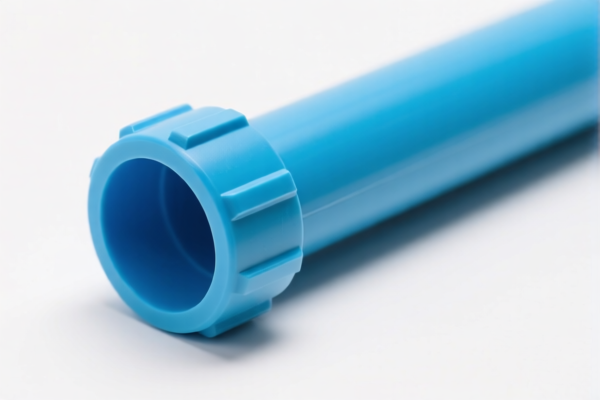


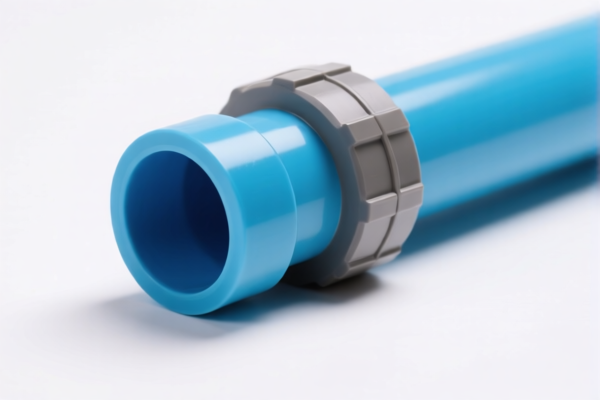
AI Analysis
🚰 Plastic Water Pipe (Plastic Piping Systems)
🌐 HS Code Reference & Customs Clearance Guide | 2026 Latest Tariff Analysis | Professional Compliance Strategy
📌 I. Product Definition & Classification: Do You Really Understand "Plastic Water Pipes"?
Plastic water pipes are essential components in modern plumbing, irrigation, and industrial fluid transport systems. In international trade, they are primarily classified based on material composition (Plastic vs. Rubber) and physical form (Pipe/Hose/Tubing).
The classification hinges on two critical factors: 1. Material Nature: Is it rigid/plastic (Chapter 39) or elastic/rubber (Chapter 40)? 2. Form Factor: Is it a defined "pipe" with specific dimensions/lengths, or a "fitting/accessory"?
⚠️ Key Distinction:
- If the product is made of vulcanized rubber (elastic, flexible) → Classify under Chapter 40 (Rubber).
- If the product is made of plastic (rigid or semi-rigid, e.g., PVC, PP, PE) → Classify under Chapter 39 (Plastics).
- Within Chapter 39, distinguish between "Pipes" (3917) and "Other Plastic Articles" (3926). Pipes are usually defined as having a uniform circular cross-section and being suitable for conveying fluids.
📦 II. HS Code Classification Details (2026 Latest Tariff Authority Comparison)
Based on the provided data for Plastic Water Pipes, here are the matched HS Codes, summaries, and tax breakdowns:
| HS Code | Product Description & Summary | Matching Criteria | Total Tax Rate | Tax Detail Breakdown |
|---|---|---|---|---|
3917.21.00.00 |
Plastic Pipes | Matches plastic material and pipe morphology. | 38.1% | Base: 3.1% Section 301: 25.0% Section 122: 10.0% |
3926.90.99.89 |
Other Plastic Articles | Matches plastic material, classified under the "basket/other" category for plastic products. | 22.8% | Base: 5.3% Section 301: 7.5% Section 122: 10.0% |
3917.29.00.90 |
Other Plastic Pipes | Matches plastic material and pipe morphology, applies to other length specifications not covered by 3917.21. | 38.1% | Base: 3.1% Section 301: 25.0% Section 122: 10.0% |
3926.90.99.87 |
Other Plastic Articles (Pipe-shaped) | Matches plastic material and pipe morphology, classified as "other plastic articles." | 22.8% | Base: 5.3% Section 301: 7.5% Section 122: 10.0% |
4009.12.00.50 |
Vulcanized Rubber Hoses/Pipes | Matches pipe morphology; inferred material is vulcanized rubber. | 20.0% | Base: 2.5% Section 301: 7.5% Section 122: 10.0% |
🔍 Critical Analysis:
- Plastic Pipes (3917) carry a high tariff burden (38.1%) due to the 25% Section 301 duty.
- Other Plastic Articles (3926) offer a lower burden (22.8%) but require proving the item doesn't fit the strict definition of a "pipe" (e.g., custom fittings, irregular shapes).
- Rubber Pipes (4009) have the lowest burden (20.0%) but are only applicable if the material is actually rubber, not plastic. Misclassifying plastic as rubber is a major compliance risk.
💰 III. 2026 Latest Tariff Rate Details (Including Additional Taxes & Policy Surcharges)
✅ Applicable Country: United States (US)
✅ Origin: China (CN)
✅ Effective Date: Ongoing (Includes subsequent imports)
🎯 1. 3917.21.00.00 & 3917.29.00.90 —— Plastic Pipes (High Tariff Category)
These two codes cover the majority of standard plastic water pipes (PVC, PE, PP).
| Item | Content |
|---|---|
| Base Rate | 3.1% (Ad valorem) |
| Section 301 Duty | +25.0% (USITC Footnote, China-origin goods) |
| Section 122 Duty | +10.0% (Specific surcharge applicable to these items) |
| Total Rate | 38.1% |
| Tax Calculation | CIF Value × 38.1% |
| De Minimis Eligibility | ❌ Not Eligible (Deny De Minimis) |
| Legal Basis Path | USITC:3917.xx.xx.xx → SECTION301:25% → SECTION122:10% |
📌 Explanation:
- The 25% Section 301 duty is the primary cost driver for plastic pipes. - The 10% Section 122 duty is an additional surcharge that applies to these specific plastic pipe HS codes. - Total 38.1% makes plastic pipe imports from China very expensive. Cost mitigation strategies are essential.
🎯 2. 3926.90.99.89 & 3926.90.99.87 —— Other Plastic Articles (Medium Tariff Category)
These codes are used when the plastic item is not strictly classified as a "pipe" (e.g., plastic fittings, valves, or non-standard shapes).
| Item | Content |
|---|---|
| Base Rate | 5.3% (Ad valorem) |
| Section 301 Duty | +7.5% (Reduced Section 301 rate for this sub-category) |
| Section 122 Duty | +10.0% |
| Total Rate | 22.8% |
| Tax Calculation | CIF Value × 22.8% |
| De Minimis Eligibility | ❌ Not Eligible (Deny De Minimis) |
| Legal Basis Path | USITC:3926.90.99.xx → SECTION301:7.5% → SECTION122:10% |
📌 Strategy:
- If your product is a plastic connector, fitting, or irregular shape, classify under 3926 to save 15.3% in duties compared to 3917. - Warning: Do not misdeclare a standard pipe as a "fitting" to lower taxes. Customs will inspect and reclassify, leading to penalties.
🎯 3. 4009.12.00.50 —— Vulcanized Rubber Pipes (Low Tariff Category)
| Item | Content |
|---|---|
| Base Rate | 2.5% (Ad valorem) |
| Section 301 Duty | +7.5% |
| Section 122 Duty | +10.0% |
| Total Rate | 20.0% |
| Tax Calculation | CIF Value × 20.0% |
| De Minimis Eligibility | ❌ Not Eligible (Deny De Minimis) |
| Legal Basis Path | USITC:4009.12.00.50 → SECTION301:7.5% → SECTION122:10% |
📌 Important:
- Only use this code if the product is actually made of rubber (e.g., silicone hoses, EPDM rubber tubes). - Plastic pipes cannot be declared here. Misclassification leads to severe fines and shipment delays.
🛠️ IV. Customs Clearance Practical Advice (Battle-Tested Pitfall Avoidance)
✅ 1. Documentation Checklist (All Required)
| Document | Mandatory | Notes |
|---|---|---|
| ✅ Product Specification Sheet | ✔️ | Must specify material (e.g., PVC, PE, Rubber), diameter, wall thickness, pressure rating. |
| ✅ Material Certificate | ✔️ | Crucial! Proves if it's Plastic (39) or Rubber (40). Lab test reports recommended. |
| ✅ Product Photos (Clear) | ✔️ | Show cross-section, labels, and any branding. |
| ✅ Commercial Invoice | ✔️ | Must clearly state "Plastic Pipe" or "Rubber Hose," not generic "Tube." |
| ✅ Packing List | ✔️ | Detail quantities, weights, and dimensions. |
| ✅ Country of Origin Certificate | ✔️ | Required for Section 301 duty assessment. |
✅ 2. Declaration Tips (Key Mantras)
🔥 "Material First, Form Second, Name Specific!"
| Scenario | Correct Declaration | Incorrect Practice |
|---|---|---|
| Standard PVC Water Pipe | 3917.21.00.00 |
Declare as "Plastic Fitting" → Risk of Audit |
| Rubber Irrigation Hose | 4009.12.00.50 |
Declare as "Plastic Hose" → Wrong Code |
| Plastic Pipe Connector/Fitting | 3926.90.99.89 |
Declare as "Pipe" → Pay 38.1% instead of 22.8% |
| Irregular Plastic Tube | 3926.90.99.87 |
Declare as "Pipe" → Overpay duties |
✅ 3. Special Case Handling
| Situation | Handling Advice |
|---|---|
| Composite Pipes (Plastic + Metal) | May require different classification. Consult a customs broker. |
| Colored vs. Transparent Pipes | No change in HS code, but specify in description. |
| Pressure Rating | High-pressure pipes might be scrutinized more closely; ensure specs match the declared code. |
| OEM/White Label | Provide client order + design drawings to prove intended use and classification. |
🌍 V. Global Market Comparison (2026 Latest)
| Country/Region | Recommended HS Code | Tariff Rate | Certification Requirements | Notes |
|---|---|---|---|---|
| 🇺🇸 USA | 3917.21.00.00 (Plastic) |
38.1% | ASTM, NSF/ANSI 61 (if for potable water) | Highest cost due to 301 & 122 duties. |
| 🇨🇳 China | 3917.21.00.00 |
5% - 8% | CCC (if applicable) | No Section 301/122. |
| 🇪🇺 EU | 3917.21.00 (NC) |
0% - 4% | CE, REACH, NSF61 | Low tariffs, strict environmental regs. |
| 🇬🇧 UK | 3917.21.00 |
0% - 4% | UKCA, REACH | Post-Brexit rules apply. |
| 🇦🇺 Australia | 3917.21.00 |
5% | RCM, AS/NZS Standards | Moderate tariffs. |
| 🇯🇵 Japan | 3917.21.00 |
3% - 5% | JIS, PSE (if electrical components) | Low tariffs. |
📌 Conclusion:
- USA is the most expensive market for plastic pipes due to 38.1% total duty. - Cost-saving strategy: If possible, classify fittings/connectors under 3926 (22.8%) instead of pipes (38.1%). - Material verification is key: Rubber pipes (4009) are cheaper (20.0%) but only if the material is genuine rubber.
📌 VI. Common Errors & Pitfall Guide (Lessons from Blood and Tears)
❌ Mistake 1: Declaring a Plastic Pipe as a Plastic Fitting to save 15.3%
👉 Consequence: Customs inspection reveals it's a pipe → Back taxes + 25% penalty + Shipment delay!
❌ Mistake 2: Declaring a Rubber Hose as a Plastic Pipe
👉 Consequence: Material test fails → Seizure, destruction, or heavy fines.
❌ Mistake 3: Not providing Material Certificates
👉 Consequence: Customs cannot verify Chapter 39 vs. Chapter 40 → Held in warehouse for weeks.
❌ Mistake 4: Using vague terms like "Tube" or "Conduit"
👉 Consequence: Ambiguity leads to conservative classification (higher duty) or manual examination.
✅ Best Practice:
"PVC Water Pipe, 1-inch Diameter, Pressure Rating 100 PSI, NSF/ANSI 61 Certified, Chinese Origin, HS 3917.21.00.00"
🎯 VII. Conclusion: Precise Classification Saves Money!
🎯 Remember the Mantra:
🔹 "Plastic Pipe = 38.1% (High Tax)"
🔹 "Plastic Fitting = 22.8% (Medium Tax)"
🔹 "Rubber Hose = 20.0% (Low Tax)"
🔹 "De Minimis = NO (All above deny de minimis)"
📌 Pro Tip:
If your product is a fitting, valve, or connector, declare it under 3926 to save significant costs. If it's a long, uniform pipe, it must be 3917. Always provide lab test reports to prove material composition.
📣 Immediate Action:
📞 Contact a licensed customs broker.
📄 Provide Product Specs + Material Test Report + Photos.
🚀 Apply for an Advance Ruling if the classification is borderline.
✨ Professional Clearance, Start with Accurate Classification!
💼 Every Percent Matters in International Trade!
Customer Reviews
About HS Code Classification
The Harmonized System (HS) is an internationally standardized nomenclature developed by the World Customs Organization (WCO) to classify traded products. Over 200 countries use the HS system as the basis for customs tariffs, trade statistics, and import/export regulations.
Each HS code follows a hierarchical structure:
- Chapter (2 digits) — Broad category of goods (e.g., Chapter 84: Machinery and Mechanical Appliances)
- Heading (4 digits) — More specific grouping within the chapter
- Subheading (6 digits) — Internationally standardized breakdown, used by all WCO member countries
- National subdivisions (8-10 digits) — Country-specific extensions for further classification, such as US HTSUS 10-digit codes
Correct HS code classification is essential for smooth customs clearance, accurate duty payment, and compliance with trade regulations. Misclassification can lead to customs delays, overpayment of duties, or penalties.
When importing from CN to US, the applicable tariff rates may include:
- Most-Favored-Nation (MFN) rate — The standard duty rate applied to WTO members
- General rate — Applied to countries without trade agreements
- Trade remedy duties — Additional tariffs such as Section 301 (anti-dumping), Section 232 (national security), or countervailing duties
The information provided on this page is for reference purposes only. For official classification, please consult with your local customs authority or a licensed customs broker.