plastic waterproof tablecloths
CN → US| HS Code | Tariff Rate | Origin | Destination | Doc |
|---|---|---|---|---|
| 5903102010 | 35.0% | CN | US | Official Doc |
| 3920100000 | 39.2% | CN | US | Official Doc |
| 5903102090 | 35.0% | CN | US | Official Doc |
| 3920200055 | 39.2% | CN | US | Official Doc |
| 5903102010 | 35.0% | CN | US | Official Doc |
Product Images
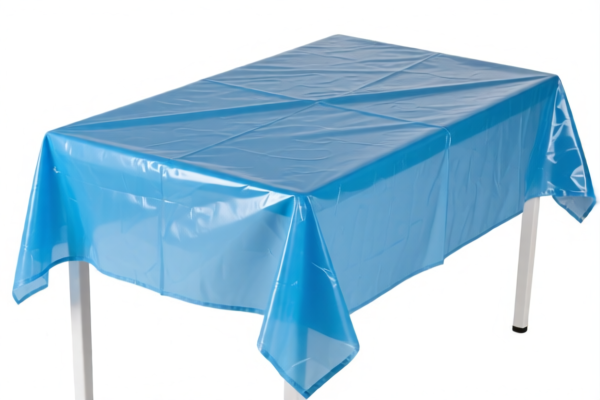
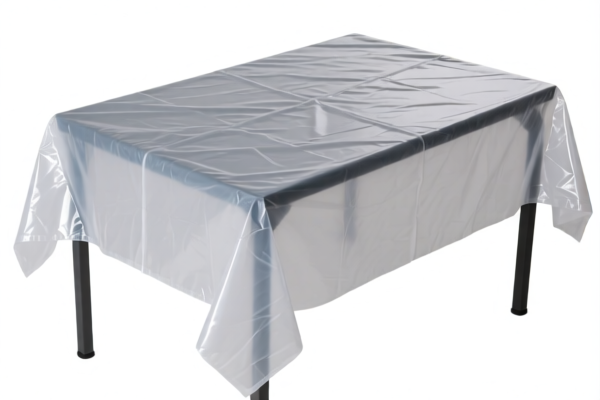
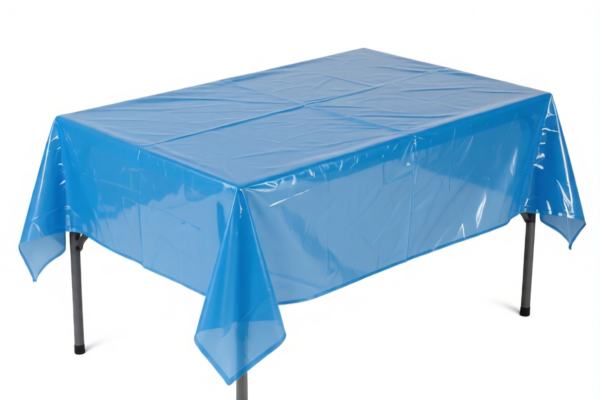
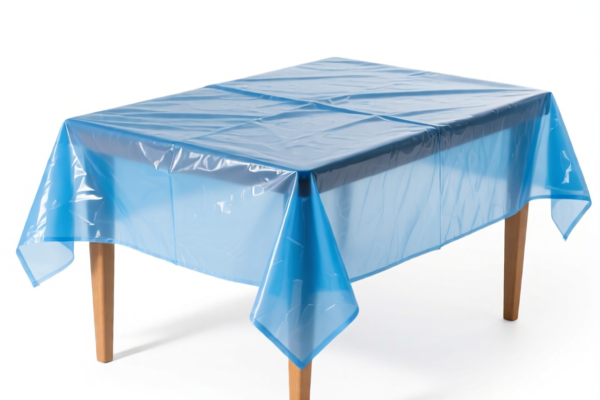
AI Analysis
🌧️ Plastic Waterproof Tablecloths (Immersed/Coated Textile Fabrics & Plastic Sheets)
🌐 HS Code Reference & Customs Clearance Guide | 2026 Latest Tariff Analysis | Professional Clearance Strategy
📌 I. Product Definition & Classification: Do You Truly Understand "Plastic Tablecloths"?
Plastic waterproof tablecloths are common household or commercial items used for protection against spills and stains. In international trade, their classification depends heavily on material composition and manufacturing process. They generally fall into two main categories:
1. Plastic-Coated Textile Fabrics (5903.10.20): - Characteristics: A textile fabric (like polyester or cotton) that has been impregnated, coated, covered, or laminated with plastic (typically PVC). - Key Feature: The base is fabric, but it is made waterproof by a plastic layer. - Common Use: Vinyl tablecloths, PVC-coated canvas table covers.
2. Pure Plastic Sheets/Films (3920.xx.xx): - Characteristics: Made entirely of plastics (such as Polyethylene PE, Polypropylene PP, or PVC) in the form of plates, sheets, film, foil, or strips, without a textile base. - Key Feature: Homogeneous plastic material, not a composite with fabric. - Common Use: Clear disposable plastic sheets, solid vinyl tables.
⚠️ Key Distinction Point:
- If the item feels like fabric but is waterproof and has a plastic backing/coating → Go with Chapter 59 (5903).
- If the item is a uniform plastic sheet (no weave, no fabric texture) → Go with Chapter 39 (3920).
📦 II. HS Code Classification Details (2026 Latest Tariff Authority Comparison)
Based on the provided data, here are the specific HS Codes and their rationales:
| HS Code | Product Description | Application Scenario | Material/State |
|---|---|---|---|
5903.10.20.10 |
Textile fabrics impregnated, coated, covered or laminated with PVC, other than those of heading 59.02 | Plastic tablecloths, waterproof canvas | Textile + PVC Coating |
5903.10.20.90 |
Textile fabrics impregnated, coated, covered or laminated with PVC, other than those of heading 59.02 | Plastic tablecloths, waterproof covers | Textile + PVC Coating |
3920.10.00.00 |
Plates, sheets, film, foil and strip, of polymers of ethylene | Plastic tablecloths (PE-based) | Pure Plastic (PE) |
3920.20.00.55 |
Plates, sheets, film, foil and strip, of polymers of propylene | Plastic tablecloths (PP-based) | Pure Plastic (PP) |
🔍 Important Note:
- 5903.10.20 variants are for "Plastic-Textile Composites". If your tablecloth is a woven fabric with a plastic layer, this is the most likely category. - 3920 variants are for "Solid Plastic Sheets". If it is a single-layer plastic film or sheet without any fabric weave, use these codes.
💰 III. 2026 Latest Tariff Rate Breakdown (Including Additional Duties & Policy Surcharges)
✅ Applicable Country: United States (US)
✅ Origin: China (CN)
✅ Effective Date: From November 10, 2025 (including subsequent imports)
🎯 1. 5903.10.20.10 & 5903.10.20.90 —— Plastic-Coated Textile Fabrics
| Item | Content |
|---|---|
| Base Tariff | 0.0% (Ad Valorem) |
| USITC Additional Duty | +25.0% (Under Section 301) |
| IEEPA Additional Duty | +10.0% (Targeting China/HK products, effective Nov 10, 2025) |
| Total Rate | 35.0% |
| Tax Calculation | CIF Value × 35% |
| De Minimis Exemption | ❌ Not Eligible (deny_de_minimis) |
| Legal Basis Path | IEEPA:9903.01.25 → IEEPA:9903.01.24 → USITC:5903.10.20.10/90 → FOOTNOTE:9903.88.01 |
📌 Explanation:
- The 25% USITC surcharge comes from the "Section 301" additional tariffs. - The 10% IEEPA surcharge is an additional tariff under the International Emergency Economic Powers Act. - Total 35%, which is a high tariff, must be anticipated in advance!
🎯 2. 3920.10.00.00 & 3920.20.00.55 —— Pure Plastic Sheets/Films (PE/PP)
| Item | Content |
|---|---|
| Base Tariff | 4.2% (Ad Valorem) |
| USITC Additional Duty | +25.0% |
| IEEPA Additional Duty | +10.0% |
| Total Rate | 39.2% |
| Tax Calculation | CIF Value × 39.2% |
| De Minimis Exemption | ❌ Not Eligible (deny_de_minimis) |
| Legal Basis Path | IEEPA:9901.25 → IEEPA:9903.01.24 → USITC:3920.xx.xx → FOOTNOTE:9903.88.01 |
📌 Explanation:
- Base tariff is higher (4.2%) compared to coated fabrics (0%). - Same additional duties (25% + 10%) apply due to Chinese origin. - Total 39.2%, which is slightly higher than the 35% for coated fabrics.
🛠️ IV. Customs Clearance Practical Advice (Practical Pitfall Avoidance Guide)
✅ 1. Documentation Checklist (All Required)
| Document | Mandatory | Description |
|---|---|---|
| ✅ Product Specification Sheet | ✔️ | Include dimensions, material type (PVC/PP/PE), thickness, weight |
| ✅ Product Photos (With Labels) | ✔️ | Clear images showing texture (fabric vs. plastic), brand, model |
| ✅ Commercial Invoice | ✔️ | Clearly state "Plastic Coated Tablecloth" or "Plastic Sheet Tablecloth" |
| ✅ Packing List | ✔️ | Detail quantity, gross weight, net weight, packaging type |
| ✅ Certificate of Origin (CO) | ✔️ | Required for tariff calculation; must indicate China origin if applicable |
| ✅ Third-Party Test Report | ✔️ | If applicable, FDA food contact safety test (if for food service) |
✅ 2. Declaration Tips (Key Mnemonics)
🔥 "Fabric Base = 5903 (35%), Solid Plastic = 3920 (39.2%), Don't Split, Declare as One!"
| Scenario | Correct Declaration | Incorrect Action |
|---|---|---|
| Vinyl Tablecloth (Fabric + Plastic) | 5903.10.20.10 or .90 |
Misdeclare as pure plastic → Higher tariff + Compliance Risk |
| Clear Plastic Sheet Tablecloth | 3920.10.00.00 or .20.00.55 |
Misdeclare as textile → Classification Error |
| Tablecloth + Napkins Set | Declare Together | Split declaration → Each item taxed separately, potentially higher total cost |
| OEM Custom Tablecloth | Provide Customer PO + Design Specs | Vague description → Customs Detention |
✅ 3. Special Circumstances Handling
| Situation | Handling Advice |
|---|---|
| Food-Grade Tablecloths | Provide FDA compliance documents; avoid misdeclaration as non-food contact |
| Large Volume Imports | Consider applying for Advance Ruling to confirm HS Code and avoid audits |
| Re-export to Third Country | If using US as hub, check FTAA/USMCA rules; however, Chinese origin goods still face 35-39.2% unless substantially transformed |
| Return of Goods | If defective, apply for return admission (HTS 9801.00.80) to claim duty refund |
🌍 V. Global Market Clearance Comparison (2026 Latest)
| Country/Region | Recommended HS Code | Tariff | Certification Requirements | Notes |
|---|---|---|---|---|
| 🇺🇸 USA | 5903.10.20 / 3920.xx |
35% - 39.2% (CN Origin) | FDA (if food contact), Prop 65 | High tariff due to Section 301 & IEEPA |
| 🇨🇳 China | 5903.10.20 / 3920.xx |
5% - 10% | CCC (if applicable), RoHS | No additional surcharges |
| 🇪🇺 EU | 5903.10 / 3920.xx |
0% - 6% (if GSP/Bilateral) | CE, REACH, RoHS | No anti-dumping duties |
| 🇬🇧 UK | 5903.10 / 3920.xx |
0% - 6% | UKCA, REACH | Post-Brexit rules apply |
| 🇦🇺 Australia | 5903.10 / 3920.xx |
5% | RCM, Standard | No major surcharges |
📌 Conclusion:
- USA is the most costly market for plastic tablecloths due to the 35-39.2% total tariff rate. - EU, UK, and Australia are significantly cheaper, with no additional punitive tariffs. - Recommendation: If targeting the US, consider supply chain diversification (e.g., sourcing from Vietnam or Thailand) to avoid IEEPA/Section 301 tariffs, subject to substantial transformation rules.
📌 VI. Common Errors & Pitfall Guide (Lessons from Blood and Tears)
❌ Error 1: Declaring a PVC-coated fabric tablecloth as a pure plastic sheet
👉 Consequence: Undervaluation of material type → Customs Audit, Back Taxes, Fines!
❌ Error 2: Splitting a tablecloth set (tablecloth + napkins) into separate shipments to exploit de minimis
👉 Consequence: Shipment rejected or seized; de minimis is denied for Section 301 goods!
❌ Error 3: Vague description: "Tablecloth"
👉 Consequence: Customs cannot determine HS Code → Delay in clearance, storage fees!
❌ Error 4: Ignoring Food Contact Safety
👉 Consequence: If used in restaurants, FDA non-compliance → Product Recall or Destruction!
✅ Correct Approach:
"PVC-Coated Polyester Tablecloth, Waterproof, 60x120 inch, FDA Compliant, Model ABC, Made in China"
🎯 VII. Conclusion: Professional Declaration, Save Time and Money!
🎯 Remember the Mnemonic:
🔹 "Fabric Base = 5903 (35%), Pure Plastic = 3920 (39.2%), No De Minimis, High Tariff Alert!"
🔹 "HS Code determines destiny, 4% difference matters, wrong declaration costs thousands!"
📌 Tips:
- If your tablecloths are originated from Vietnam, Mexico, Thailand, or Malaysia, you may apply for IEEPA/Section 301 Exemption, reducing tariffs to 0%~5%.
- It is strongly recommended to apply for an Advance Ruling before shipment to avoid clearance risks.
📣 Immediate Action:
📞 Contact a professional customs broker + Provide product photos + Apply for HS Code Advance Ruling
🚀 Let your tablecloths pass customs smoothly, expand globally, and maximize profits!
✨ Professional Clearance Starts with Accurate Classification!
💼 Every penny of your cost deserves precise calculation!
Customer Reviews
About HS Code Classification
The Harmonized System (HS) is an internationally standardized nomenclature developed by the World Customs Organization (WCO) to classify traded products. Over 200 countries use the HS system as the basis for customs tariffs, trade statistics, and import/export regulations.
Each HS code follows a hierarchical structure:
- Chapter (2 digits) — Broad category of goods (e.g., Chapter 84: Machinery and Mechanical Appliances)
- Heading (4 digits) — More specific grouping within the chapter
- Subheading (6 digits) — Internationally standardized breakdown, used by all WCO member countries
- National subdivisions (8-10 digits) — Country-specific extensions for further classification, such as US HTSUS 10-digit codes
Correct HS code classification is essential for smooth customs clearance, accurate duty payment, and compliance with trade regulations. Misclassification can lead to customs delays, overpayment of duties, or penalties.
When importing from CN to US, the applicable tariff rates may include:
- Most-Favored-Nation (MFN) rate — The standard duty rate applied to WTO members
- General rate — Applied to countries without trade agreements
- Trade remedy duties — Additional tariffs such as Section 301 (anti-dumping), Section 232 (national security), or countervailing duties
The information provided on this page is for reference purposes only. For official classification, please consult with your local customs authority or a licensed customs broker.