plastic/leather outsole
CN → US| HS Code | Tariff Rate | Origin | Destination | Doc |
|---|---|---|---|---|
| 6404206080 | 55.0% | CN | US | Official Doc |
| 6404206040 | 55.0% | CN | US | Official Doc |
| 6403599061 | 20.0% | CN | US | Official Doc |
| 6403999071 | 20.0% | CN | US | Official Doc |
| 6402993165 | 16.0% | CN | US | Official Doc |
Product Images
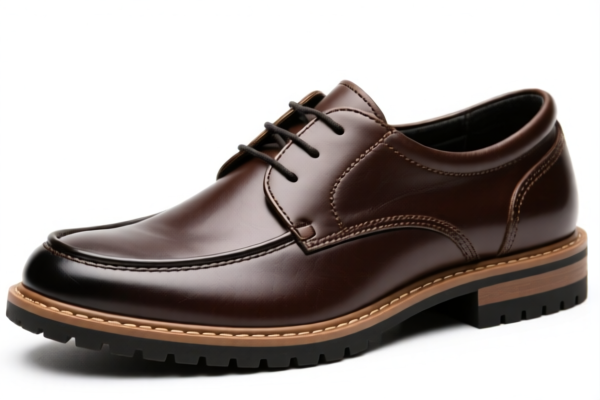
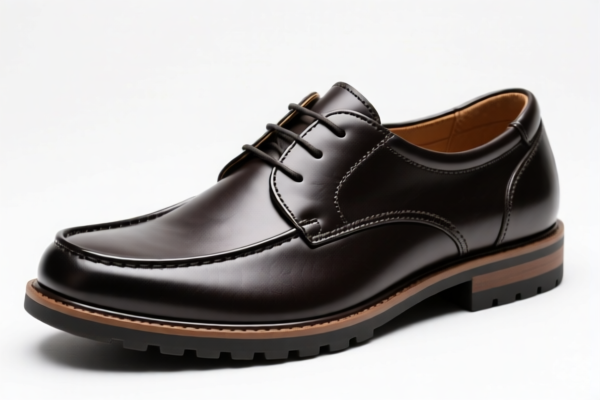
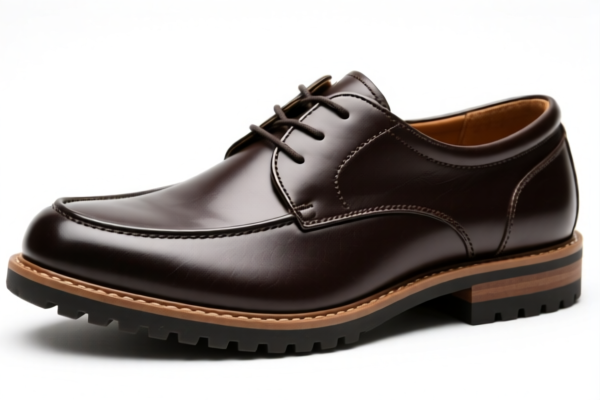
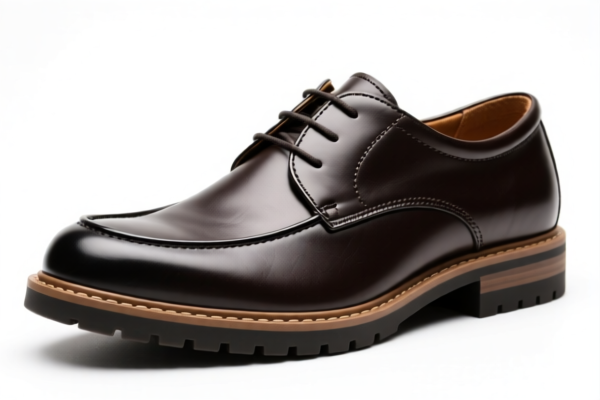
AI Analysis
👞 Shoes with Plastic/Leather Outsoles
🌐 HS Code Reference & Clearance Guide | 2026 Latest Tariff Analysis | Professional Clearance Strategy
📌 I. Product Definition & Classification: Do You Really Understand "Shoe Outsoles"?
"Plastic/Leather Outsole" refers to the bottom part of a shoe that contacts the ground. In international trade, classification depends strictly on the material composition of the outsole and its connection to the upper part. This item falls under Chapter 64 (Footwear), specifically targeting shoes with outer soles of rubber, plastic, leather, or reground leather.
Key Distinction Points:
- Plastic Outsole: If the outer sole is primarily plastic/rubber-based, it falls under Heading 6402.
- Leather Outsole: If the outer sole is leather or composite leather, it falls under Heading 6403 or 6404.
- Mixed Materials: If the product contains both, customs will prioritize the primary material or the material specified in the commercial invoice. Misclassification leads to significant tariff differences.
📦 II. HS Code Classification Details (2026 Latest Tariff Authority Comparison)
Based on the provided data, here are the 5 potential HS Codes and their matching logic:
| HS Code | Product Description & Matching Logic | Total Tax Rate |
|---|---|---|
6404.20.60.80 |
Leather Outer Soles Match: Explicitly matches "Leather Outer Soles". Core material requirement: "Outsole is leather or composite leather." No attribute conflicts. | 55.0% |
6404.20.60.40 |
Material Match: Explicitly includes outer sole material (Plastics/Leather). Matches classification explanation: "Outer sole is rubber, plastic, leather, or reground leather." | 55.0% |
6403.59.90.61 |
Partial Match: Matches "Leather Outer Soles" core requirement. Since upper material/use is unspecified, it defaults to the "Catch-all" category under Leather Outsole shoes. | 20.0% |
6403.99.90.71 |
Material Match: Material (Plastics/Leather) is consistent with outer sole materials (Rubber/Plastic/Leather). Belongs to basic footwear material category, no obvious conflicts. | 20.0% |
6402.99.31.65 |
Plastic Match: Contains Plastic (Plastics), matching "Rubber or Plastic outer sole" requirement. Form: Shoe sole type, fits footwear classification logic. | 16.0% |
🔍 Key Reminder:
- 55.0% Tax Bracket (6404.xx.xx.xx): Applies to shoes with leather/composite leather outsoles. High risk due to additional tariffs.
- 20.0% Tax Bracket (6403.xx.xx.xx): Applies to other footwear with leather outsoles or mixed materials falling under general leather footwear.
- 16.0% Tax Bracket (6402.xx.xx.xx): Applies to footwear with rubber/plastic outsoles. Generally the lowest risk for mixed materials if plastic is dominant.
💰 III. 2026 Latest Tariff Rate Details (Including Additional Taxes & Policy Add-ons)
✅ Applicable Country: United States (US)
✅ Origin: China (CN)
✅ Effective Time: 2025/2026 Import Period (Subject to current Section 301/122 policies)
🎯 1. 6404.20.60.80 & 6404.20.60.40 —— Footwear with Leather/Composite Leather Outsoles
| Item | Content |
|---|---|
| Base Tariff | 37.5% |
| Additional Tariff (Section 301/Reciprocal) | 7.5% |
| Section 122 Tariff | 10.0% |
| Total Tax Rate | 55.0% |
| Tax Calculation | CIF Value × 55% |
| De Minimis Exemption | ❌ Not Eligible (Deny De Minimis for footwear from China under current enforcement) |
| Legal Basis Path | USITC:6404.20.60.80/40 → Section 301: 7.5% → Section 122: 10% |
📌 Explanation:
- Base Tariff 37.5%: Standard MFN rate for specific leather-outsole footwear.
- Additional Tariff 7.5%: Part of the ongoing trade remedy tariffs.
- Section 122 Tariff 10%: A specific provision often applied to certain footwear imports from China.
- Total 55%: This is a high-cost category. Accurate declaration of "Leather" is critical.
🎯 2. 6403.59.90.61 & 6403.99.90.71 —— Other Footwear with Leather/Mixed Outsoles
| Item | Content |
|---|---|
| Base Tariff | 10.0% |
| Additional Tariff | 0.0% |
| Section 122 Tariff | 10.0% |
| Total Tax Rate | 20.0% |
| Tax Calculation | CIF Value × 20% |
| De Minimis Exemption | ❌ Not Eligible |
| Legal Basis Path | USITC:6403.xx.xx.xx → Section 122: 10% |
📌 Note:
- These codes are for footwear where leather is involved but may not fit the specific "Leather Outsole" definition of 6404, or are considered "Other" under 6403.
- The 0% additional tariff is a significant advantage over the 6404 codes, reducing the total from 55% to 20%.
🎯 3. 6402.99.31.65 —— Footwear with Rubber/Plastic Outsoles
| Item | Content |
|---|---|
| Base Tariff | 6.0% |
| Additional Tariff | 0.0% |
| Section 122 Tariff | 10.0% |
| Total Tax Rate | 16.0% |
| Tax Calculation | CIF Value × 16% |
| De Minimis Exemption | ❌ Not Eligible |
| Legal Basis Path | USITC:6402.99.31.65 → Section 122: 10% |
📌 Note:
- If the "Plastic" component is dominant and can be classified as "Rubber/Plastic," this is the most cost-effective option (16%).
- However, if the product contains significant "Leather," customs may reject this code and force a reclassification to 6403 or 6404, resulting in back taxes.
🛠️ IV. Clearance Practical Advice (Practical Pitfall Avoidance Guide)
✅ 1. Documentation Checklist (Essential)
| Document | Must Provide | Description |
|---|---|---|
| ✅ Product Spec Sheet | ✔️ | Must clearly specify Outer Sole Material (e.g., "TPU Plastic," "Full Grain Leather," "Composite"). |
| ✅ Material Breakdown | ✔️ | Percentage breakdown of Plastic vs. Leather in the outsole. |
| ✅ Product Photos | ✔️ | Clear close-ups of the outsole texture and cross-section showing layers. |
| ✅ Commercial Invoice | ✔️ | Must state: "Shoes, Plastic/Leather Outsole, Model XYZ." |
| ✅ Bill of Lading/Packing List | ✔️ | Ensure no discrepancies in quantity/value. |
✅ 2. Declaration Tips (Key Mantra)
🔥 "Material is King, Leather Triggers High Tax, Plastic Lowers Cost!"
| Scenario | Correct Declaration | Wrong Practice |
|---|---|---|
| Outsole is >90% Leather | 6404.20.60.80/40 (55%) |
Declare as Plastic → High Penalty for Misdeclaration |
| Outsole is Mixed (Plastic dominant) | 6402.99.31.65 (16%) |
Declare as Leather → Overpay Tax |
| Outsole is Mixed (Leather dominant) | 6403.59.90.61 or 6404 (20% or 55%) |
Declare as Plastic → Seizure Risk |
| Unclear Material | Provide Cross-Section Photo | Vague description like "Synthetic" |
✅ 3. Special Case Handling
| Scenario | Handling Advice |
|---|---|
| Composite Leather | Must prove it is "Leather" per customs definition. If it's "Man-made leather," it may fall under Plastic/Rubber codes (16%). |
| Layered Outsole | If plastic and leather are layered, customs may use the surface material or bulk material for classification. Clarify in invoice. |
| OEM Custom Shoes | Provide design files showing material composition. Avoid generic names like "Shoes." |
| Section 122 Impact | All listed codes include a 10% Section 122 tariff. Factor this into your pricing model. |
🌍 V. Global Market Comparison (2026 Latest)
| Country/Region | Recommended HS Code | Tariff (China Origin) | Certification | Notes |
|---|---|---|---|---|
| 🇺🇸 USA | 6402.99.31.65 (Best Case) |
16% - 55% | None specific | High Risk: Section 122 applies to all. |
| 🇨🇳 China | 6402 or 6403 |
10% - 18% | CCC (if applicable) | Lower base tariffs. |
| 🇪🇺 EU | 6402 or 6404 |
6% - 12% | CE (if safety shoes) | No Section 122 equivalent. |
| 🇬🇧 UK | 6402 or 6404 |
6% - 12% | UKCA (if safety shoes) | Post-Brexit rules apply. |
| 🇦🇺 Australia | 6402 or 6404 |
5% - 10% | N/A | Lower tariffs than US. |
📌 Conclusion:
- USA is the most expensive market due to the combination of Base Tariffs + Section 301/122.
- Plastic-dominant outsoles (16%) offer the best margin but require proof.
- Leather-dominant outsoles (20%-55%) are high-risk, high-cost.
📌 VI. Common Mistakes & Pitfall Guide (Blood & Tears Lessons)
❌ Mistake 1: Declaring "Leather" shoes as "Plastic" to save tax.
👉 Consequence: Customs inspection reveals leather → Back taxes + Penalties + Audit.
❌ Mistake 2: Ignoring "Section 122" in cost calculations.
👉 Consequence: Underpricing → Profit erosion (10% is not negligible).
❌ Mistake 3: Vague description "Shoe Outsole" without material detail.
👉 Consequence: Customs assigns highest duty rate (55%) by default → Unnecessary tax burden.
❌ Mistake 4: Confusing "Composite Leather" with "Synthetic Leather."
👉 Consequence: Misclassification between 6403/6404 (Leather) and 6402 (Plastic) → Rejection.
✅ Correct Approach:
"Men's Running Shoes, Rubber/Plastic Outsole, Textile Upper, Model ABC, Origin China"
or
"Women's Leather Dress Shoes, Leather Outsole & Upper, Model XYZ, Origin China"
🎯 VII. Conclusion: Professional Declaration Saves Money!
🎯 Remember the Mantra:
🔹 "Plastic is Low (16%), Leather is High (20-55%), Section 122 is Always On (10%)!"
🔹 "Material Proof is Key, Misdeclaration is Fatal!"
📌 Pro Tip:
If your product is Plastic-heavy, provide cross-section photos to support 6402 classification.
If your product is Leather-heavy, ensure the "Leather" definition is met to avoid "Synthetic" misclassification penalties.
Pre-clearance ruling is highly recommended for mixed-material outsoles.
📣 Immediate Action:
📞 Contact Customs Broker + Provide Material Breakdown + Apply for Pre-Ruling
🚀 Let your footwear Clear Smoothly, Maximize Profit, Minimize Risk!
✨ Professional Clearance Starts with Accurate Classification!
💼 Your Bottom Line Depends on the Details!
Customer Reviews
About HS Code Classification
The Harmonized System (HS) is an internationally standardized nomenclature developed by the World Customs Organization (WCO) to classify traded products. Over 200 countries use the HS system as the basis for customs tariffs, trade statistics, and import/export regulations.
Each HS code follows a hierarchical structure:
- Chapter (2 digits) — Broad category of goods (e.g., Chapter 84: Machinery and Mechanical Appliances)
- Heading (4 digits) — More specific grouping within the chapter
- Subheading (6 digits) — Internationally standardized breakdown, used by all WCO member countries
- National subdivisions (8-10 digits) — Country-specific extensions for further classification, such as US HTSUS 10-digit codes
Correct HS code classification is essential for smooth customs clearance, accurate duty payment, and compliance with trade regulations. Misclassification can lead to customs delays, overpayment of duties, or penalties.
When importing from CN to US, the applicable tariff rates may include:
- Most-Favored-Nation (MFN) rate — The standard duty rate applied to WTO members
- General rate — Applied to countries without trade agreements
- Trade remedy duties — Additional tariffs such as Section 301 (anti-dumping), Section 232 (national security), or countervailing duties
The information provided on this page is for reference purposes only. For official classification, please consult with your local customs authority or a licensed customs broker.