platinum fox fur unassembled
CN → USProduct Images
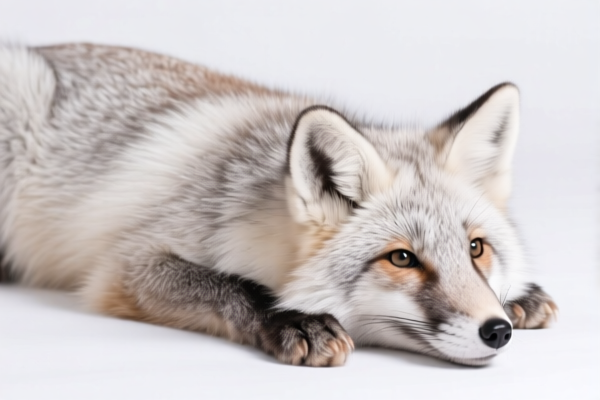
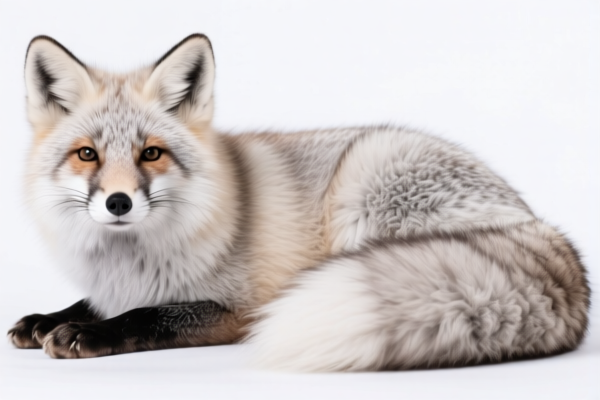
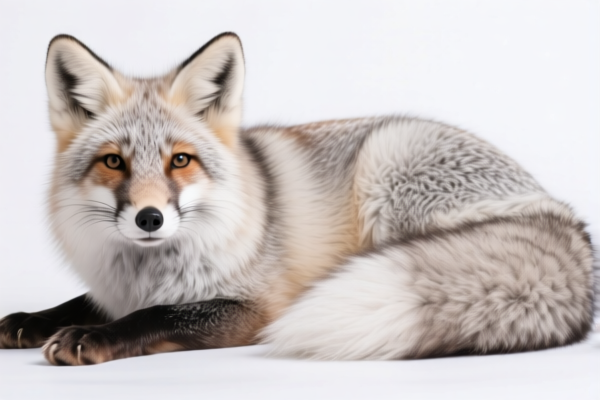
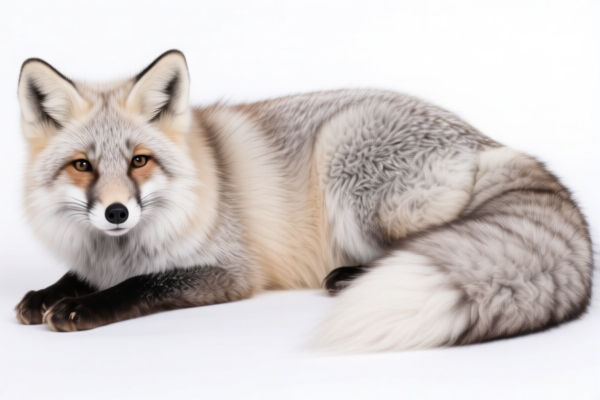
AI Analysis
🦊 Platinum Fox Fur (Unassembled/Loose)
🌐 HS Code Reference & Clearance Guide | 2026 Customs Classification Analysis | Premium Leather & Fur Trading Strategy
📌 I. Product Definition: What is "Unassembled Platinum Fox Fur"?
"Platinum Fox Fur" refers to high-grade fox fur, typically processed through a specific bleaching and dyeing technique that yields a pale, silver-white appearance with a distinct sheen. It is one of the most valuable furs in the global luxury market.
The term "Unassembled" is critical for classification. It means the fur pelts are not sewn into garments (coats, jackets, stoles) but are: 1. Raw or Tanned Pelts: Whole skins, cut from the spine or other parts. 2. Loose Fur: Fur that has been sheared or gathered but not stitched into a defined product. 3. Not "Articles of Clothing": They lack the final form of a wearable item.
⚠️ Key Distinction:
- Unassembled/Loose/Tanned: Classify under Chapter 43 (Furskins and Artificial Fur).
- Sewn Garments (Coats/Jackets): Classify under Chapter 43 (Articles of Fur) or potentially Chapter 61/62 if lined with other materials, but specifically 4303 for fur articles.
- Sheared Fur for Carpet/Rug: May fall under 5702 or 4303 depending on construction.
📦 II. HS Code Classification Details (2026 Latest Tariff Schedule)
| HS Code | Product Description | Application Scenario | Assembled? |
|---|---|---|---|
4302.10.00.00 |
Unworked, dressed or dyed furskins (Whole skins only) | Raw/processed pelts, ready for cutting | ❌ No (Whole Skin) |
4302.20.00.00 |
Unworked, dressed or dyed furskins (Pieces, other than whole skins) | Cut pelts, back pieces, bellies, loose fox fur bundles | ❌ No (Cut/Loose) |
4302.30.00.00 |
Furskins, assembled (Sewn into panels/strips, not garments) | Fur panels ready for garment construction | ⚠️ Partially (Sewn but not wearable) |
4303.10.00.00 |
Articles of furskin, including garments | Completed coats, jackets, stoles, hats | ✅ Yes (Finished Garment) |
4303.90.00.00 |
Other articles of furskin | Fur trimmings, linings, decorative pieces | ✅ Yes (Article) |
🔍 Critical Note for "Unassembled":
- If the fur is loose or cut into pieces (not whole skins), it typically falls under4302.20.00.00.
- If it is whole skins (unworked, dressed, or dyed), it falls under4302.10.00.00.
- Do not misclassify as4303unless it is sewn into a garment or a definite article. Misclassification leads to massive duty differences and customs holds.
💰 III. 2026 Latest Tariff Rate Details (US Market Focus)
✅ Applicable Country: United States (US)
✅ Origin: China (CN) – Assuming common origin for platinum fox fur trade
✅ Effective Date: Post-2024 Trade Policies (Section 301, IEEPA)
🎯 1. 4302.10.00.00 – Unworked/Dressed Whole Furskins
| Item | Content |
|---|---|
| Base Rate | 10% (Ad Valorem) |
| USITC Additional Duty (Section 301) | +25% |
| IEEPA Additional Duty | +10% (China-specific) |
| Total Effective Rate | 45% |
| Tax Calculation | CIF Value × 45% |
| De Minimis Eligibility | ❌ No (Deny De Minimis for Fur Products from China under recent enforcement) |
| Legal Path | IEEPA:9903.01.25 → USITC:4302.10.00.00 → FOOTNOTE:9903.88.01 |
📌 Explanation:
- Furskins are subject to the standard 10% MFN rate.
- Due to geopolitical trade tensions, Section 301 adds 25%.
- IEEPA adds another 10% for Chinese-origin furs.
- Total: 45%. This is a high-duty category.
🎯 2. 4302.20.00.00 – Pieces/Cut Furskins (Most Common for "Loose")
| Item | Content |
|---|---|
| Base Rate | 10% |
| USITC Additional Duty | +25% |
| IEEPA Additional Duty | +10% |
| Total Effective Rate | 45% |
| Tax Calculation | CIF Value × 45% |
| De Minimis Eligibility | ❌ No |
| Legal Path | IEEPA:9903.01.25 → USITC:4302.20.00.00 → FOOTNOTE:9903.88.01 |
📌 Note:
- Even if the fur is cut into smaller pieces (e.g., for trimming or custom sewing), it remains under 4302.
- Platinum Fox is not a separate HS code; it is classified by species (Fox) and processing state (Unassembled).
- The "Platinum" color is a result of dyeing/bleaching, which is covered under "Dressed or Dyed" in 4302.
🛠️ IV. Clearance Practical Advice (Real-World Pitfall Avoidance)
✅ 1. Required Documentation Checklist
| Document | Mandatory? | Description |
|---|---|---|
| ✅ Commercial Invoice | ✔️ | Must specify "Fox Fur, Unassembled, Dressed/Dyed" |
| ✅ Packing List | ✔️ | Detail weight, number of pelts, and dimensions |
| ✅ Fur Origin Certificate | ✔️ | Proof of origin (China, Canada, etc.) |
| ✅ CITES Permit | ✔️ | CRITICAL: Red Fox (Vulpes vulpes) is CITES Appendix II. Export/Import permits required. |
| ✅ Pelt Inspection Report | ✔️ | Grade certification (e.g., B2, B1, AA) to justify value |
| ✅ HS Code Pre-Ruling | ✔️ | Recommended for first-time importers to avoid misclassification |
✅ 2. Declaration Tips (Key Mantras)
🔥 "Loose is 4302, Sewn is 4303. CITES is King. Never Hide Origin."
| Scenario | Correct Declaration | Wrong Declaration |
|---|---|---|
| Loose Fox Pelts (Cut) | 4302.20.00.00 – "Fox Fur Pieces, Unassembled" |
"Fox Coat" → 4303 (Wrong) |
| Whole Fox Skins | 4302.10.00.00 – "Fox Fur Skins, Dressed" |
"Fox Fur Trim" → 4303 (Wrong) |
| Sewn Fur Panels | 4302.30.00.00 – "Assembled Furskins" |
"Fox Fur Garment" → 4303 (Wrong) |
| Completed Coat | 4303.10.00.00 – "Fox Fur Coat" |
"Fox Fur Pieces" → 4302 (Wrong) |
✅ 3. Special Cases & Compliance
| Situation | Handling Advice |
|---|---|
| CITES Violation | Severe Penalty. Red Fox is CITES Appendix II. Ensure valid export permit from country of origin AND import permit from USA. |
| Hybrid Fur | If fur is mixed with synthetic materials, classification may change to Chapter 40 or 61/62. Clearly disclose composition. |
| Sheared vs. Whole | Sheared fur for rugs may fall under 5702 (Carpeting). If for garments, still 4302. Specify end-use. |
| Platinum Dye | "Platinum" is a trade name. Use technical description: "Dyed White Fox Fur." |
🌍 V. Global Customs Comparison (2026)
| Country/Region | Recommended HS Code | Tariff (China Origin) | Certification | Notes |
|---|---|---|---|---|
| 🇺🇸 USA | 4302.20.00.00 |
45% (10+25+10) | CITES + EPA | High duty, strict CITES enforcement |
| 🇨🇳 China | 4302.20.00.00 |
10% | CITES (Import) | Major consumer market |
| 🇪🇺 EU | 4302.20 |
0-4% (depending on deal) | CITES + EU Fur Labeling | Strict animal welfare laws |
| 🇨🇦 Canada | 4302.20 |
0% (CUSMA if Canadian origin) | CITES | Free trade if Canadian-sourced |
| 🇬🇧 UK | 4302.20 |
0-4% | CITES | Post-Brexit rules apply |
📌 Conclusion:
- USA imposes the highest duties on Chinese-origin unassembled furs (45%).
- EU and UK have stricter animal welfare labeling and CITES enforcement but lower tariffs.
- CITES Compliance is Non-Negotiable globally for Red Fox fur.
📌 VI. Common Mistakes & Pitfalls (Blood & Tears Lessons)
❌ Mistake 1: Classifying "Loose Fur" as "Garment" (4303)
👉 Consequence: Under-declaration of duty → Penalty + Back Taxes.
👉 Fix: Use 4302 for unassembled.
❌ Mistake 2: Ignoring CITES Permits for Red Fox
👉 Consequence: Seizure of goods + Fines ($10k+) + Criminal charges.
👉 Fix: Obtain CITES Export Permit from origin country AND Import Permit from destination.
❌ Mistake 3: Mislabeling "Platinum" as a separate HS Code
👉 Consequence: Customs rejects declaration → Delays + Inspection Fees.
👉 Fix: Use "Fox Fur, Dyed White" under 4302.
❌ Mistake 4: Declaring "Sheared Fur" as "Carpet Material" to avoid duties
👉 Consequence: Misclassification fraud → Audit + Seizure.
👉 Fix: Declare true end-use. If for garments, it’s 4302.
🎯 VII. Conclusion: Professional Declaration Saves Money!
🎯 Remember the Mantras:
🔹 "Unassembled = 4302, Sewn = 4303."
🔹 "CITES is Mandatory for Fox Fur."
🔹 "Platinum is a Dye, Not a Species."🔹 "USA Tariff: 45%. EU/UK: Low Tariff, High Compliance."
📌 Pro Tip:
If your fur is originating from Canada or Russia, check for preferential trade agreements (e.g., USMCA for Canada). However, CITES still applies.
For Platinum Fox, consider applying for an Advance Ruling from US Customs to confirm 4302.20.00.00 classification and avoid delays.
📣 Immediate Action:
📞 Contact a licensed customs broker
📄 Secure CITES Permits
📦 Accurately Describe as "Fox Fur Pieces, Unassembled"
🚀 Ensure Smooth Clearance, Avoid Seizures, Protect Your Luxury Supply Chain!
✨ Professional Customs Clearance Starts with Accurate Classification!
💼 Your High-Value Fur Deserves High-Value Compliance!
Customer Reviews
About HS Code Classification
The Harmonized System (HS) is an internationally standardized nomenclature developed by the World Customs Organization (WCO) to classify traded products. Over 200 countries use the HS system as the basis for customs tariffs, trade statistics, and import/export regulations.
Each HS code follows a hierarchical structure:
- Chapter (2 digits) — Broad category of goods (e.g., Chapter 84: Machinery and Mechanical Appliances)
- Heading (4 digits) — More specific grouping within the chapter
- Subheading (6 digits) — Internationally standardized breakdown, used by all WCO member countries
- National subdivisions (8-10 digits) — Country-specific extensions for further classification, such as US HTSUS 10-digit codes
Correct HS code classification is essential for smooth customs clearance, accurate duty payment, and compliance with trade regulations. Misclassification can lead to customs delays, overpayment of duties, or penalties.
When importing from CN to US, the applicable tariff rates may include:
- Most-Favored-Nation (MFN) rate — The standard duty rate applied to WTO members
- General rate — Applied to countries without trade agreements
- Trade remedy duties — Additional tariffs such as Section 301 (anti-dumping), Section 232 (national security), or countervailing duties
The information provided on this page is for reference purposes only. For official classification, please consult with your local customs authority or a licensed customs broker.