platinum platinum group metal
CN → USProduct Images
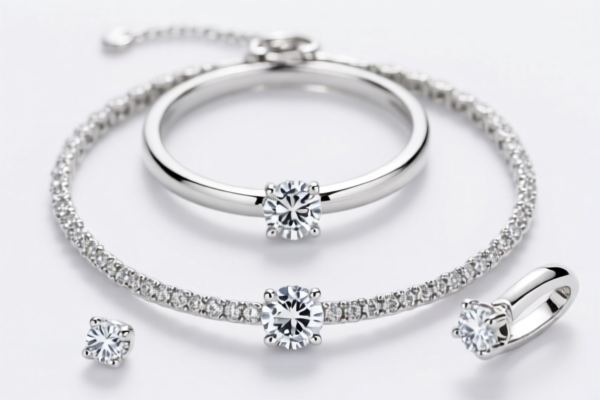
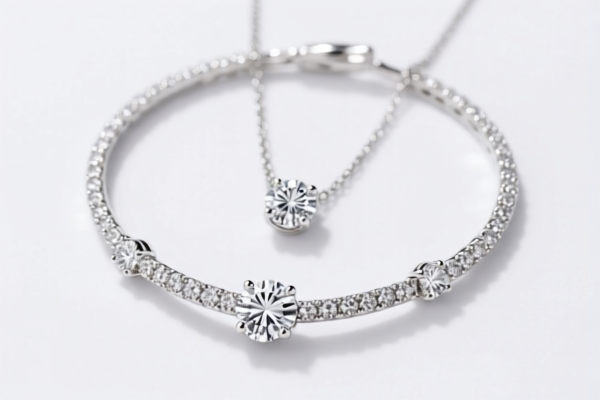
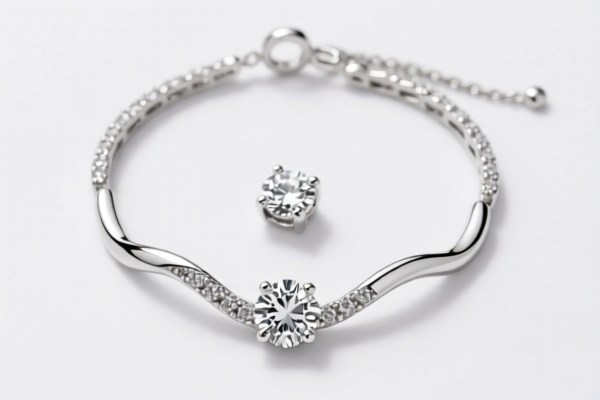
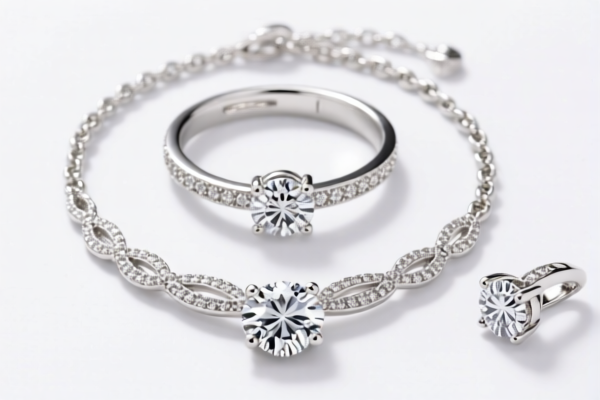
AI Analysis
💎 Platinum & Platinum Group Metals (PGMs): The Precious Metal Taxonomy
🌐 HS Code Reference & Customs Clearance Guide | 2026 Latest Tariff Breakdown | Professional Classification Strategy
📌 I. Product Definition & Classification: What Exactly Are "Platinum Group Metals"?
Platinum Group Metals (PGMs) are a cluster of six rare, precious metallic elements that are almost always found together in the same ore deposits. In international trade, they are categorized not just by their chemical form, but by their state and purity.
The Six PGMs: 1. Platinum (Pt) 2. Palladium (Pd) 3. Rhodium (Rh) 4. Iridium (Ir) 5. Osmium (Os) 6. Ruthenium (Ru)
⚠️ Critical Distinction:
- Unwrought PGMs: Raw metal, powder, granules, or sponge (HS Chapter 71).
- Manufactured PGMs: Catalytic converters, jewelry, electrodes, or laboratory apparatus (HS Chapters 84, 85, 71, etc.).
- Alloys: Mixtures of PGMs with other metals (e.g., Platinum-Iridium) follow specific alloy rules.
📦 II. HS Code Classification Matrix (2026 Latest Tariff Schedule)
| HS Code | Product Description | Applicable State | Purity Requirement |
|---|---|---|---|
7110.11.00 |
Platinum, unwrought | Raw metal, sponge, powder, granules | ≥ 99.95% pure |
7110.19.00 |
Platinum, wrought or in powder form (wrought) | Sheets, rods, bars, wire | ≥ 99.95% pure |
7110.21.00 |
Palladium, unwrought | Raw metal, sponge, powder | ≥ 99.95% pure |
7110.29.00 |
Palladium, wrought or in powder form | Sheets, rods, bars, wire | ≥ 99.95% pure |
7110.41.00 |
Rhodium, unwrought | Raw metal, powder, sponge | ≥ 99.95% pure |
7110.49.00 |
Rhodium, wrought or in powder form | Sheets, rods, bars | ≥ 99.95% pure |
7110.51.00 |
Iridium, unwrought | Raw metal, powder | ≥ 99.95% pure |
7110.61.00 |
Osmium, unwrought | Raw metal, powder | ≥ 99.95% pure |
7110.71.00 |
Ruthenium, unwrought | Raw metal, powder | ≥ 99.95% pure |
7110.91.00 |
Other PGMs (mixtures/alloys) | Alloys containing PGMs | If PGM content > 2% |
🔍 Key Reminder:
- "Unwrought" refers to metal that has not been significantly worked or manufactured into a specific article.
- "Wrought" refers to metal that has been shaped (rolled, drawn, forged) but not yet made into a finished product like a catalytic converter.
- Powder/Sponge: Often treated as unwrought if it hasn't been pressed into a specific shape.
- Alloys: If the alloy contains ≥ 2% of any PGM, it may still fall under Chapter 71, but specific composition declarations are required.
💰 III. 2026 Latest Tariff Rate Details (Including Additional Duties)
✅ Applicable Country: United States (US)
✅ Origin: China (CN) or South Africa (ZA) or Russia (RU) (Rates vary by origin)
✅ Effective Date: Post-2025 Trade Policy Adjustments
🎯 1. 7110.11.00 / 7110.19.00 — Platinum (Wrought/Unwrought)
| Item | Content |
|---|---|
| Base Rate (MFN) | 0% (ad valorem) |
| Section 301 Tariff | +25% (if origin is China) |
| IEEPA Surcharge | +10% (if origin is China, effective Nov 10, 2025) |
| Total Rate (China Origin) | 35% |
| Total Rate (SA/Russia Origin) | 0% (Base MFN) |
| Calculation Basis | CIF Value × Total Rate |
| De Minimis Exemption | ❌ Denied (Precious metals are exempt from de minimis relief) |
| Legal Authority Path | USITC:7110.11.00 → Section 301: Footnote 9903.88.01 → IEEPA:9903.01.25 |
📌 Explanation:
- Platinum is a strategic metal used in catalytic converters, hydrogen fuel cells, and electronics.
- Chinese-origin platinum faces a 35% effective tariff due to Section 301 and IEEPA measures.
- South African-origin platinum (major global producer) enjoys 0% MFN rates, but must prove origin strictly to avoid transshipment penalties.
🎯 2. 7110.21.00 / 7110.29.00 — Palladium
| Item | Content |
|---|---|
| Base Rate (MFN) | 0% |
| Section 301 Tariff | +25% (if origin is China) |
| IEEPA Surcharge | +10% (if origin is China) |
| Total Rate (China Origin) | 35% |
| Total Rate (Other Origins) | 0% |
| De Minimis Exemption | ❌ Denied |
| Legal Authority Path | USITC:7110.21.00 → Section 301 → IEEPA |
📌 Note:
- Palladium is critical for automotive catalytic converters (especially gasoline engines).
- Volatile global prices mean customs duties are calculated on declaration value, not spot market price.
- China is a major refiner of palladium; thus, Chinese-origin refined palladium is heavily taxed.
🎯 3. 7110.41.00 — Rhodium
| Item | Content |
|---|---|
| Base Rate (MFN) | 0% |
| Section 301 Tariff | +25% (if origin is China) |
| IEEPA Surcharge | +10% (if origin is China) |
| Total Rate (China Origin) | 35% |
| De Minimis Exemption | ❌ Denied |
📌 Critical Alert:
- Rhodium is the most expensive of the PGMs (often >$10,000/oz).
- Even a small error in classification can lead to massive duty discrepancies.
- Rhodium is rarely exported from China in large quantities; most comes from South Africa/Russia. Ensure Certificate of Origin (CO) is authentic.
🛠️ IV. Customs Clearance Practical Advice (Real-World Pitfall Guide)
✅ 1. Required Documentation Checklist (Non-Negotiable)
| Document | Must Provide | Purpose |
|---|---|---|
| ✅ Certificate of Origin (CO) | ✔️ | Proves origin to claim MFN (0%) vs. 301 tariffs |
| ✅ Purity Certificate (Assay Report) | ✔️ | Confirms ≥99.95% purity to qualify for Chapter 71 |
| ✅ Technical Data Sheet | ✔️ | Describes physical form (powder, sponge, sheet) |
| ✅ Commercial Invoice | ✔️ | Must state "Platinum Group Metal - Unwrought" |
| ✅ Packing List | ✔️ | Detailed weight breakdown (gross/net) |
| ✅ Safety Data Sheet (SDS) | ✔️ | Required for powder forms due to flammability/hazard |
| ✅ Bill of Lading/Air Waybill | ✔️ | Standard shipping docs |
✅ 2. Declaration Tips (Key Mantra)
🔥 "Form Defines Form, Origin Defines Duty, Purity Defines Chapter!"
| Scenario | Correct Declaration | Wrong Practice |
|---|---|---|
| Platinum powder | 7110.11.00 - Platinum, unwrought |
Misdeclare as "Industrial Chemical" → 15% tariff |
| Palladium sheet | 7110.29.00 - Palladium, wrought |
Misdeclare as "Jewelry Part" → 20% tariff + restrictions |
| Rhodium sponge | 7110.41.00 - Rhodium, unwrought |
Vague description "Metal Powder" → Inspection delay |
| PGM Alloy (>2% PGM) | 7110.91.00 - Other PGMs |
Fail to declare PGM content → Customs seizure |
📌 Advice:
- Never use generic terms like "Precious Metal" or "Industrial Metal."
- Always specify the element (Pt, Pd, Rh, etc.) and form (unwrought/wrought/powder).
- If the product is a catalytic converter, it is NOT Chapter 71. It is 8708.50 (Exhaust pipe systems).
✅ 3. Special Cases Handling
| Situation | Handling Advice |
|---|---|
| PGM Powder in Shipment | Must declare as Dangerous Goods (DG) if fine powder is combustible. Provide UN3077 or UN3089 packaging certification. |
| Platinum in Jewelry | Do not use Chapter 71. Use Chapter 71.13 (Jewelry). Tariff is ~0-2.5%, not 35%. |
| Catalytic Converters | Use 8708.50. Subject to Section 301 (25%) if from China. Do not confuse with raw PGMs. |
| Electrodes for Laboratories | Use 9027.80 (Laboratory Equipment) or 8545.11 (Carbon/Electrodes). Different tariff profile. |
🌍 V. Global Market Comparison (2026)
| Country/Region | Recommended HS Code | Tariff (China Origin) | Certification | Notes |
|---|---|---|---|---|
| 🇺🇸 USA | 7110.11.00 |
35% (301 + IEEPA) | None specific | High duty on raw PGMs from China |
| 🇪🇺 EU | 7110.11 |
0% | REACH Registration | REACH required for powder forms |
| 🇨🇳 China | 7110.11 |
0% (Import) | N/A | Major exporter of refined PGMs |
| 🇿🇦 South Africa | 7110.11 |
0% (US MFN) | N/A | Preferred origin for Pt/Pd |
📌 Conclusion:
- US Market: Highly punitive for Chinese-origin raw PGMs.
- EU Market: Relatively open, but REACH compliance for powders is strict.
- Supply Chain Strategy: Source raw PGMs from South Africa or Russia (if sanctions allow) to avoid US tariffs, or process into finished goods in a third country (e.g., Mexico) to claim USMCA benefits.
📌 VI. Common Errors & Pitfalls (Lessons Learned)
❌ Error 1: Declaring "Platinum Catalyst" as raw Platinum
👉 Consequence: Misclassification. Catalysts are automotive parts (8708.50), not metals (7110.11). Leads to wrong duty calculation.
❌ Error 2: Ignoring Origin when shipping from China
👉 Consequence: Paying 0% MFN when 35% is due. Back duties + Penalties.
❌ Error 3: Using vague descriptions like "Metal Powder"
👉 Consequence: Customs holds shipment for content analysis. Can take weeks.
❌ Error 4: Not declaring Purity
👉 Consequence: If purity <99.95%, it may be classified under Chapter 72/73 (Base Metals) or 28 (Chemicals), with different duties and environmental regulations.
✅ Correct Practice:
"Platinum, Unwrought, Powder Form, 99.95% Purity, Net Weight 10kg, Origin: South Africa, HS Code: 7110.11.00"
🎯 VII. Conclusion: Precision in Classification, Savings in Cost
🎯 Remember the Mantra:
🔹 "Raw Metal = 7110, Jewelry = 7113, Catalyst = 8708."
🔹 "China Origin = 35%, South Africa = 0%."
🔹 "Powder = DG Check, Purity = 99.95% Minimum."
📌 Pro Tip:
If you are importing small quantities (e.g., lab samples), ensure you are not using the de minimis exemption ($800) for PGMs. The US Customs and Border Protection (CBP) strictly denies de minimis for precious metals and certain chemical precursors. Always file a formal entry.
📣 Immediate Action:
📞 Pre-arrival Notification: Contact your customs broker 72 hours before arrival.
📄 Pre-emptive Ruling: Apply for an Binding Tariff Information (BTI) or USCBP Ruling for large, recurring shipments.
🚀 Optimize Supply Chain: Consider sourcing from non-China origins or processing in a Free Trade Zone to mitigate tariff risks.
✨ Professional Customs Clearance Starts with Accurate Classification!
💼 Every Percent of Duty Saved is Pure Profit.
Customer Reviews
About HS Code Classification
The Harmonized System (HS) is an internationally standardized nomenclature developed by the World Customs Organization (WCO) to classify traded products. Over 200 countries use the HS system as the basis for customs tariffs, trade statistics, and import/export regulations.
Each HS code follows a hierarchical structure:
- Chapter (2 digits) — Broad category of goods (e.g., Chapter 84: Machinery and Mechanical Appliances)
- Heading (4 digits) — More specific grouping within the chapter
- Subheading (6 digits) — Internationally standardized breakdown, used by all WCO member countries
- National subdivisions (8-10 digits) — Country-specific extensions for further classification, such as US HTSUS 10-digit codes
Correct HS code classification is essential for smooth customs clearance, accurate duty payment, and compliance with trade regulations. Misclassification can lead to customs delays, overpayment of duties, or penalties.
When importing from CN to US, the applicable tariff rates may include:
- Most-Favored-Nation (MFN) rate — The standard duty rate applied to WTO members
- General rate — Applied to countries without trade agreements
- Trade remedy duties — Additional tariffs such as Section 301 (anti-dumping), Section 232 (national security), or countervailing duties
The information provided on this page is for reference purposes only. For official classification, please consult with your local customs authority or a licensed customs broker.