play mat
CN → US| HS Code | Tariff Rate | Origin | Destination | Doc |
|---|---|---|---|---|
| 3926907500 | 14.2% | CN | US | Official Doc |
| 8543709860 | 37.6% | CN | US | Official Doc |
| 3926909989 | 22.8% | CN | US | Official Doc |
| 6406909000 | 17.5% | CN | US | Official Doc |
| 6406102061 | 28.0% | CN | US | Official Doc |
Product Images
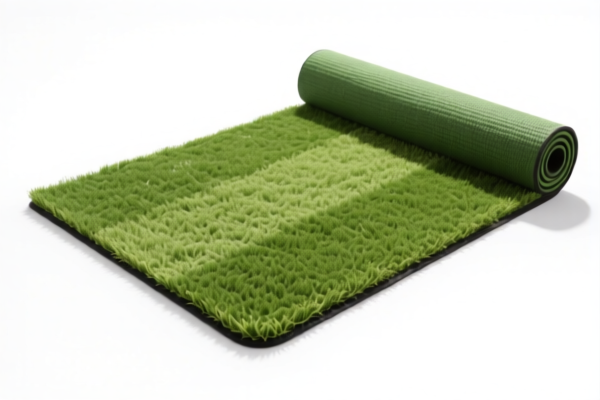
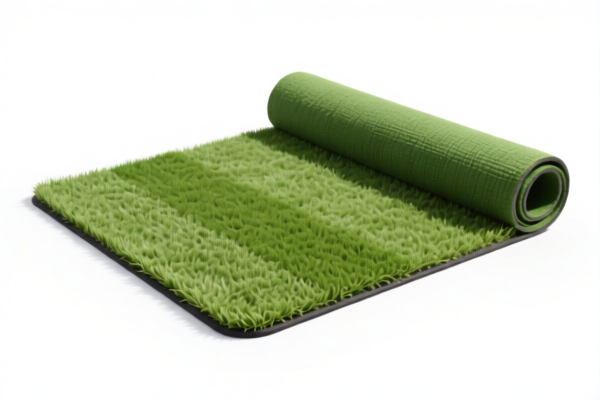
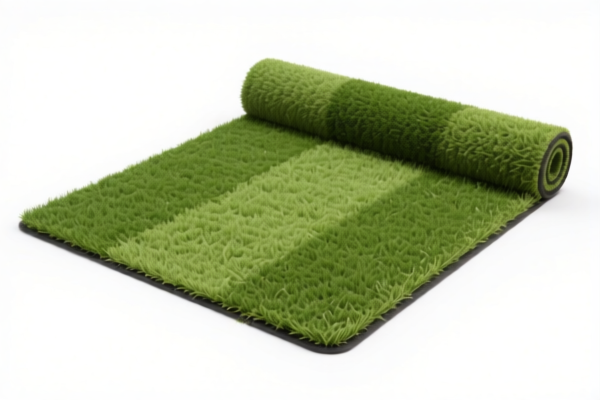
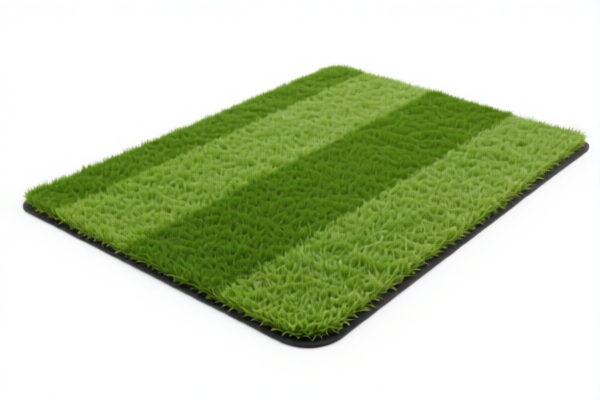
AI Analysis
🧸 Play Mat (儿童游戏垫 / 健身垫)
🌐 HS Code Reference & Customs Clearance Guide | 2026 Latest Tariff Analysis | Strategic Import Strategy for USA
📌 1. Product Definition & Classification: Do You Really Understand "Play Mats"?
A "Play Mat" is a versatile product used for infants, toddlers, or fitness enthusiasts. In international trade, its classification depends strictly on material and specific use. It generally falls into two main categories:
- Inflatable/Soft Plastic Mats: Often made of PVC or vinyl, filled with air, used for baby playpens or soft flooring.
- Non-Inflatable Plastic/Synthetic Mats: Solid foam or rubber-like plastic, used for exercise or non-inflatable flooring.
⚠️ Key Distinction Point:
- If the mat is inflated (has air chambers) or is a flexible plastic sheet used as a general "other inflatable article" → It falls under Chapter 39 (Plastics).
- If the mat is non-inflatable, solid, and has no specific electrical function → It falls under the "catch-all" for Other Plastic Articles (Chapter 39).
- ⚠️ Note: If it were a shoe insert, it would be Chapter 64, but "Play Mat" typically implies flooring/play surface, not footwear. However, the data provided includes potential misclassifications or alternative uses (like shoe inserts), which we will analyze below to ensure you avoid costly errors.
📦 2. HS Code Classification Details (2026 Latest Tariff Authority Comparison)
| HS Code | Product Description | Applicability | Material/State | Total Tax Rate |
|---|---|---|---|---|
3926.90.75.00 |
Other inflatable articles (Plastic/Synthetic) | Inflatable baby mats, soft play pools, air cushions | Inflatable/Soft Plastic | 14.2% |
8543.70.98.60 |
Other machines & apparatus (Electronic Music/Devices) | ⚠️ Likely Misclassification for standard mats. Only applies if the mat has integrated electronic musical functions. | Electronic Device | 37.6% |
3926.90.99.89 |
Other plastic articles (Unspecified) | Solid foam mats, non-inflatable exercise mats, standard baby floor mats | Solid Plastic/Foam | 22.8% |
6406.90.90.00 |
Other parts of footwear (Detachable Insoles) | ⚠️ High Risk Misclassification. Only applies if the "mat" is actually a shoe insert/insole. | Shoe Component | 17.5% |
6406.10.20.61 |
Detachable insoles & similar articles | ⚠️ High Risk Misclassification. Strictly for footwear components, not play surfaces. | Shoe Component | 28.0% |
🔍 Critical Warning:
- Standard Play Mats (for babies or exercise) should NOT be classified under6406(Footwear parts) or8543(Electronics) unless they have specific electronic music components.
- Inflatable mats → Use3926.90.75.00.
- Solid/Foam mats → Use3926.90.99.89.
- Shoe Inserts → Use6406codes.
💰 3. 2026 Latest Tariff Rate Details (Detailed Breakdown)
✅ Applicable Country: USA
✅ Origin: China (CN)
✅ Effective Date: 2025/2026 (Section 301 & IEEPA Tariffs Apply)
🎯 1. 3926.90.75.00 — Other Inflatable Articles (Plastic)
Best for: Inflatable baby play mats, air-filled soft flooring.
| Item | Details |
|---|---|
| Base Duty | 4.2% |
| Section 301 Surcharge | 0.0% (Note: Some inflatable plastics may be exempt or lower, check specific HTS) |
| 122 Clause (IEEPA) | +10% |
| Total Tax Rate | 14.2% |
| Calculation | CIF Value × 14.2% |
| De Minimis Exemption | ❌ No (Section 321 does not apply to Section 301/IEEPA goods from China) |
| Legal Basis | HTS:3926.90.75.00 + IEEPA:9903.01.24 |
📌 Explanation:
- Inflatable plastic items often face lower Section 301 rates compared to other plastics, but the 10% IEEPA tariff is mandatory for Chinese origin.
- Total 14.2% is relatively moderate compared to other plastic goods.
🎯 2. 8543.70.98.60 — Other Electronic Apparatus
Only for: Mats with built-in electronic music/sound functions.
| Item | Details |
|---|---|
| Base Duty | 2.6% |
| Section 301 Surcharge | +25.0% |
| 122 Clause (IEEPA) | +10% |
| Total Tax Rate | 37.6% |
| Calculation | CIF Value × 37.6% |
| De Minimis Exemption | ❌ No |
| Legal Basis | HTS:8543.70.98.60 + Section 301 + IEEPA |
📌 Explanation:
- This is a high-risk, high-cost classification.
- If your mat is not an electronic device, DO NOT use this code. Misclassification can lead to penalties.
- 37.6% is significantly higher than standard plastic mats.
🎯 3. 3926.90.99.89 — Other Plastic Articles (Solid/Non-Inflatable)
Best for: Foam mats, rubber-like play mats, solid exercise mats.
| Item | Details |
|---|---|
| Base Duty | 5.3% |
| Section 301 Surcharge | +7.5% |
| 122 Clause (IEEPA) | +10% |
| Total Tax Rate | 22.8% |
| Calculation | CIF Value × 22.8% |
| De Minimis Exemption | ❌ No |
| Legal Basis | HTS:3926.90.99.89 + Section 301 + IEEPA |
📌 Explanation:
- This is the most common code for standard, non-inflatable plastic/foam play mats.
- The 7.5% Section 301 surcharge is critical.
- 22.8% is a standard rate for general plastic articles.
🎯 4. 6406.90.90.00 & 6406.10.20.61 — Footwear Parts (Insoles)
Only for: Detachable shoe insoles, heel pads.
| HS Code | Base | 301 Surcharge | 122 (IEEPA) | Total Tax |
|---|---|---|---|---|
6406.90.90.00 |
0.0% | 7.5% | 10% | 17.5% |
6406.10.20.61 |
10.5% | 7.5% | 10% | 28.0% |
📌 Critical Warning:
- These codes are ONLY for footwear components.
- If you ship a "Play Mat" but declare it as a "Shoe Insole" to save tax, Customs will reject it if the product is clearly a mat.
- Misclassification risks: Fines, Seizure, and Legal Action.
🛠️ 4. Customs Clearance Practical Advice
✅ 1. Documentation Checklist (Must-Haves)
| Document | Required? | Description |
|---|---|---|
| Product Spec Sheet | ✅ Yes | Material composition (e.g., 100% PVC, EVA Foam), dimensions, thickness. |
| Product Photos | ✅ Yes | Clear images showing the product is a mat (not a shoe part) and inflated/solid. |
| Commercial Invoice | ✅ Yes | Accurate description: "PVC Inflatable Baby Play Mat" or "EVA Foam Exercise Mat". |
| Certificate of Origin | ✅ Yes | Proof of Chinese origin for tariff calculation. |
| Test Reports | ✅ Yes | CPSIA (for baby products), REACH, Prop 65. |
✅ 2. Declaration Tips (Golden Rules)
🔥 “Be Specific, Don’t Guess, Match Material!”
| Scenario | Correct HS Code | Incorrect Code | Risk |
|---|---|---|---|
| Inflatable Baby Mat | 3926.90.75.00 (14.2%) |
3926.90.99.89 (22.8%) |
Overpaying tax |
| Solid Foam Mat | 3926.90.99.89 (22.8%) |
3926.90.75.00 (14.2%) |
Misclassification, potential fine |
| Electronic Music Mat | 8543.70.98.60 (37.6%) |
3926... |
Misclassification |
| Shoe Insoles | 6406.10.20.61 (28.0%) |
3926... |
Misclassification |
⚠️ Never declare a "Play Mat" as a "Shoe Insole" to avoid higher taxes. Customs uses X-ray and physical inspections. If the product is clearly a mat, you will be penalized.
✅ 3. Special Cases
| Case | Advice |
|---|---|
| Baby Play Mats | Must comply with CPSIA (Consumer Product Safety Improvement Act). Provide lead/phthalate test reports. |
| OEM/Custom Mats | Provide design drawings to prove it’s a "mat" and not a generic plastic sheet. |
| Mixed Containers | If shipping both mats and insoles, declare separately. Do not mix codes. |
🌍 5. Global Market Comparison (2026)
| Market | Recommended HS Code (Standard Mat) | Total Tax (China Origin) | Notes |
|---|---|---|---|
| 🇺🇸 USA | 3926.90.99.89 (Solid) or 3926.90.75.00 (Inflatable) |
22.8% or 14.2% | High Section 301 tariffs apply. |
| 🇪🇺 EU | 9503.00.30 (Toys) or 3926.90.97 |
Varies | Lower tariffs, but strict safety standards. |
| 🇨🇳 China | 9503.00.30 (Import) |
~5-10% | No Section 301. |
📌 Conclusion:
- The US market is the most expensive due to Section 301 and IEEPA tariffs.
- Inflatable mats (14.2%) are cheaper than Solid mats (22.8%) due to lower Section 301 rates.
- Avoid8543and6406codes unless the product strictly matches those definitions.
📌 6. Common Mistakes & Pitfalls
❌ Mistake 1: Declaring a Solid Foam Mat as 3926.90.75.00 (Inflatable)
👉 Result: Customs may accept it initially, but if inspected, it’s a misdeclaration. If they flag it, you pay back taxes + penalties.
❌ Mistake 2: Declaring a Play Mat as 6406 (Shoe Insole)
👉 Result: High Risk of Seizure. Customs knows a play mat is not a shoe part. This is considered fraudulent declaration.
❌ Mistake 3: Ignoring IEEPA 10%
👉 Result: Underpaying taxes by 10% on every shipment. Ensure your broker includes this in the entry.
✅ Correct Practice:
- Use "PVC Inflatable Baby Play Mat" for
3926.90.75.00.- Use "EVA Foam Exercise Play Mat" for
3926.90.99.89.- Always include material composition in the commercial invoice.
🎯 7. Conclusion: Strategic Clearance for Play Mats
🎯 Key Takeaway:
🔹 Inflatable Mats = 14.2% (Cheaper)
🔹 Solid Foam Mats = 22.8% (More Common)
🔹 Electronic Mats = 37.6% (Expensive)
🔹 Shoe Insoles = 17.5%-28.0% (Not for Play Mats)
📌 Pro Tip:
If you are importing baby play mats, ensure you have CPSIA compliance. If you are importing exercise mats, ensure the material is clearly described as EVA or PVC foam.
📣 Immediate Action:
📞 Consult a Licensed Customs Broker to confirm the exact HS code based on your product’s material and structure.
🚀 Optimize for 14.2% (Inflatable) if possible, or prepare for 22.8% (Solid). Avoid high-tax misclassifications.
✨ Professional Clearance Starts with Accurate Classification!
💼 Every Percent Matters in the US Market!
Customer Reviews
About HS Code Classification
The Harmonized System (HS) is an internationally standardized nomenclature developed by the World Customs Organization (WCO) to classify traded products. Over 200 countries use the HS system as the basis for customs tariffs, trade statistics, and import/export regulations.
Each HS code follows a hierarchical structure:
- Chapter (2 digits) — Broad category of goods (e.g., Chapter 84: Machinery and Mechanical Appliances)
- Heading (4 digits) — More specific grouping within the chapter
- Subheading (6 digits) — Internationally standardized breakdown, used by all WCO member countries
- National subdivisions (8-10 digits) — Country-specific extensions for further classification, such as US HTSUS 10-digit codes
Correct HS code classification is essential for smooth customs clearance, accurate duty payment, and compliance with trade regulations. Misclassification can lead to customs delays, overpayment of duties, or penalties.
When importing from CN to US, the applicable tariff rates may include:
- Most-Favored-Nation (MFN) rate — The standard duty rate applied to WTO members
- General rate — Applied to countries without trade agreements
- Trade remedy duties — Additional tariffs such as Section 301 (anti-dumping), Section 232 (national security), or countervailing duties
The information provided on this page is for reference purposes only. For official classification, please consult with your local customs authority or a licensed customs broker.