plush toy
CN → US| HS Code | Tariff Rate | Origin | Destination | Doc |
|---|---|---|---|---|
| 9503000071 | 10.0% | CN | US | Official Doc |
| 6307907500 | 14.3% | CN | US | Official Doc |
| 6307909891 | 24.5% | CN | US | Official Doc |
| 9503000073 | 10.0% | CN | US | Official Doc |
| 3926400090 | 15.3% | CN | US | Official Doc |
Product Images
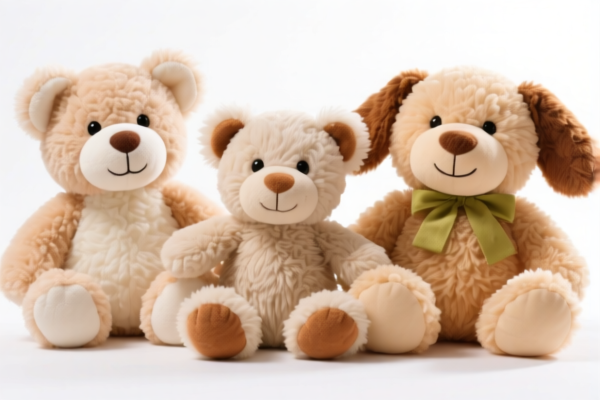
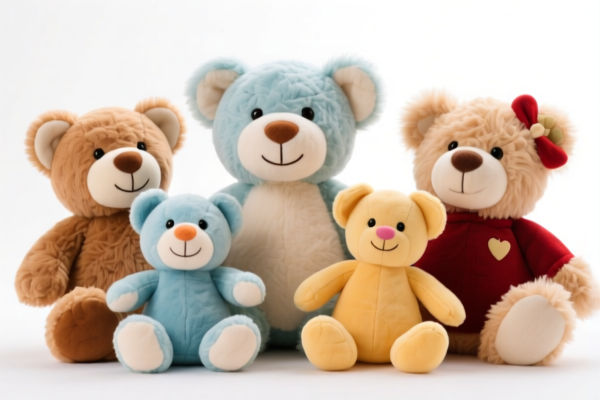
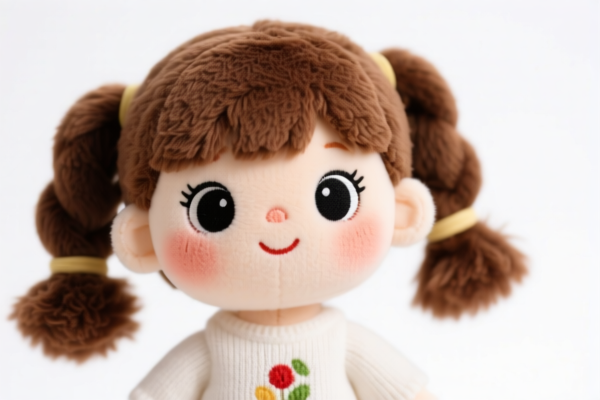
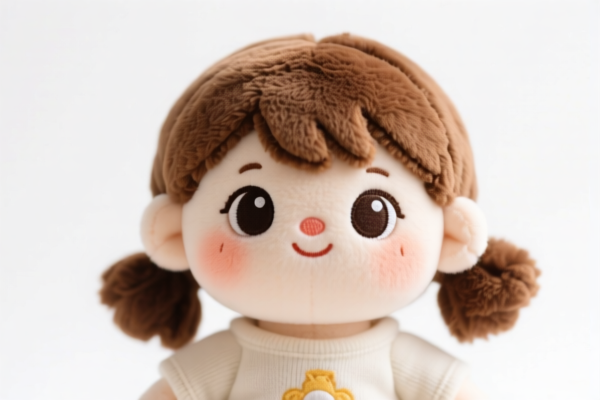
AI Analysis
🧸 Plush Toys (Stuffed Animals, Dolls & Soft Toys)
🌐 HS Code Reference & Customs Clearance Guide | 2026 Latest Tax Rate Analysis | Strategic Entry Strategy
📌 I. Product Definition & Classification: Do You Really Know "Plush Toys"?
Plush toys are soft, stuffed figures typically filled with cotton, synthetic fibers, or plastic pellets. In international trade, they are NOT a single category. Their classification depends strictly on: 1. Primary Function: Is it a child's toy (play) or a decorative/item (pet toy, gift, craft)? 2. Material Composition: Is it primarily textile/fleece or plastic/polymer-based? 3. Construction: Is it a simple stuffed figure or a complex "filler-decorative" item?
⚠️ Critical Classification Point:
- Child's Toys (Pure Textile/Fleece) → Often9503.00.00(Low Tariff)
- Pet Toys / Non-Decorative → Often6307.90.75(Medium Tariff)
- Plastic-Filled / Decorative Items → Often3926.40or6307.90.98(High Tariff)
- "Other" / Ambiguous Items → Often6307.90.98.91(Highest Tariff due to "Other Made Up" + Trade Penalties)
📦 II. HS Code Classification Details (2026 US Import Rules)
| HS Code | Product Description | Material/Type | Primary Use | Tax Profile |
|---|---|---|---|---|
9503.00.00.71 |
Plush Toys (Pure Textile) | Fleece/Plush (Textile) | Children's Toy | 10.0% (Base 0% + 10% Section 301) |
9503.00.00.73 |
Plush Toys (Textile/Fabric) | Fleece/Fabric Mix | Children's Toy | 10.0% (Base 0% + 10% Section 301) |
6307.90.75.00 |
Pet Toys / Soft Toys | Textile Materials | Pet Toy or General Toy | 14.3% (Base 4.3% + 10% Section 301) |
3926.40.00.90 |
Decorative/Filler Dolls | Plastic/Other Materials | Decorative / Filler Item | 15.3% (Base 5.3% + 10% Section 301) |
6307.90.98.91 |
Other Made-Up Plush Items | Fiber/Plush (Generic) | Ambiguous / Other | 24.5% (Base 7.0% + 7.5% Sec 301 + 10% Sec 301) |
🔍 Key Insight:
- If your plush toy is clearly for children and made of textile, it gets the 0% Base Duty (9503), but still pays the 10% Section 301 penalty. - If it is a pet toy or decorative item not strictly defined as a "toy" for children, it falls under6307or3926, increasing the Base Duty significantly. -6307.90.98.91is the DANGEROUS category: It applies if the item is "made up" but doesn't fit the specific "toy" or "pet toy" definitions, attracting both 7.5% and 10% Section 301 tariffs.
💰 III. 2026 US Tariff Rate Breakdown (Detailed Tax Logic)
✅ Target Market: USA (US)
✅ Country of Origin: China (CN)
✅ Applicable Policies: Section 301 (122 clauses) & Base MFN Rates
🎯 Category 1: Child's Plush Toys (9503.00.00.71 & 73)
The "Lowest Cost" Option
| Tax Component | Rate | Explanation |
|---|---|---|
| Base Duty (MFN) | 0.0% | Children's toys are generally duty-free under normal trade. |
| Section 301 (122 Clause) | 10.0% | Mandatory penalty on Chinese goods under Trade Action 122. |
| Add'l Tariffs (Other) | 0.0% | No additional 7.5% or 25% applies here. |
| TOTAL RATE | 10.0% | Most Competitive for standard stuffed animals. |
📌 Strategy: Ensure your marketing and packaging explicitly state "For Children" and "Toy". If you market it as a "Decorative Plush" to avoid toy regulations, you risk being bumped to a higher tax bracket.
🎯 Category 2: Pet Toys & General Soft Toys (6307.90.75.00)
The "Medium Cost" Option
| Tax Component | Rate | Explanation |
|---|---|---|
| Base Duty (MFN) | 4.3% | Textile articles (other than toys) carry a small duty. |
| Section 301 (122 Clause) | 10.0% | Standard 10% penalty on Chinese origin. |
| Add'l Tariffs | 0.0% | No extra penalty applies. |
| TOTAL RATE | 14.3% | 10% Base + 4.3% = Higher than Category 1. |
📌 Strategy: Only use this if the item is specifically designed for pets (e.g., squeaky dog toys). If a dog toy is misclassified as a "child's toy," it can be rejected; if a child's toy is misclassified as a "pet toy," you pay extra tax.
🎯 Category 3: Plastic-Filled Decorative Dolls (3926.40.00.90)
The "Material-Dependent" Option
| Tax Component | Rate | Explanation |
|---|---|---|
| Base Duty (MFN) | 5.3% | Plastic articles generally have a small duty. |
| Section 301 (122 Clause) | 10.0% | Standard 10% penalty. |
| Add'l Tariffs | 0.0% | No extra penalty. |
| TOTAL RATE | 15.3% | Highest Base Duty in this group. |
📌 Strategy: Applies if the "plush" part is actually plastic molding (e.g., hard plastic head with soft cloth body, or fully plastic "filler" items). Avoid this if the item is 100% textile; it costs more.
🎯 Category 4: "Other" Made-Up Plush Items (6307.90.98.91)
The "High Risk / High Tax" Trap
| Tax Component | Rate | Explanation |
|---|---|---|
| Base Duty (MFN) | 7.0% | "Other made up textile articles" carry the highest base rate. |
| Section 301 (7.5%) | 7.5% | Additional 301 penalty for "Other" textile articles. |
| Section 301 (122 Clause) | 10.0% | Standard 10% penalty. |
| TOTAL RATE | 24.5% | DANGER ZONE: More than double the cost of standard toys. |
📌 Warning: This code is often used for items that fail to qualify as standard toys (
9503) or pet toys (6307.75). Examples: "Plush keychains," "Decorative cushions," or "Mixed material crafts" that don't fit specific toy definitions. Avoid this code if possible.
🛠️ IV. Customs Clearance实操 Recommendations (实战避坑指南)
✅ 1. Classification Strategy (The "Golden Rule")
🔥 "Define as Toy, Avoid 'Other', Check Material!"
| Scenario | Recommended HS Code | Reason |
|---|---|---|
| Standard Stuffed Animal for Kids | 9503.00.00.71 / 73 |
Lowest tax (10%). Priority #1. |
| Squeaky Dog Toy | 6307.90.75.00 |
Correct for pets (14.3%). Do NOT use 9503. |
| Plastic "Squishy" Doll | 3926.40.00.90 |
Material is plastic (15.3%). |
| Plush Keychain / Gift Item | 9503.00.00.71 (If functional) |
Try to argue it's a "toy" accessory. If rejected → 6307.90.98.91 (24.5%). |
✅ 2. Documentation Requirements (Critical for Success)
| Document | Requirement | Why it Matters |
|---|---|---|
| Product Description | Must explicitly state "For Children" or "Pet Toy" | 海关 needs to see the use to pick 9503 vs 6307. |
| Material List | Specify % of Textile vs. Plastic | Prevents reclassification to 3926 or 6307.98. |
| Photos (360°) | Show stuffing, tags, and packaging | Proves it is a soft toy, not a hard plastic doll. |
| Intended Use Statement | Written declaration of target audience (Kids/Pets) | Crucial for avoiding the "Other" (24.5%) trap. |
✅ 3. Special Advice for 2026 Clearance
-
Avoid the "Other" Code (
6307.90.98.91):- This code carries a 24.5% tax rate. If your product is a standard plush toy, you are overpaying by 14.5% if you land here.
- Action: If your item is a plush toy for kids, insist on
9503. Do not accept6307.90.98.91unless the item is genuinely a non-toy craft item.
-
Material Composition is Key:
- If the item is 100% textile/fleece → Go for
9503(10%). - If the item has significant plastic parts (e.g., plastic eyes, hard plastic shell) → Be prepared for
3926or6307.
- If the item is 100% textile/fleece → Go for
-
Labeling Matters:
- NEVER label a children's toy as "Home Decor" to save money. It triggers higher scrutiny and potential fines.
- ALWAYS label as "Toy" on the package to ensure
9503classification.
📌 V. Quick Comparison Summary
| HS Code | Base Duty | 301 Penalty 1 | 301 Penalty 2 | TOTAL | Risk Level |
|---|---|---|---|---|---|
9503.00.00.71 |
0.0% | 10.0% | 0.0% | 10.0% | 🟢 Low |
9503.00.00.73 |
0.0% | 10.0% | 0.0% | 10.0% | 🟢 Low |
6307.90.75.00 |
4.3% | 10.0% | 0.0% | 14.3% | 🟡 Medium |
3926.40.00.90 |
5.3% | 10.0% | 0.0% | 15.3% | 🟡 Medium |
6307.90.98.91 |
7.0% | 10.0% | 7.5% | 24.5% | 🔴 High |
🎯 VI. Conclusion & Call to Action
🚀 Final Verdict:
For standard Plush Toys, the goal is to secure9503.00.00.71or73. This gives you the lowest possible tax burden (10%).⚠️ Warning: Misclassifying a child's toy as a "pet toy" or "decorative item" can inadvertently increase your tax to 14.3%, 15.3%, or even 24.5%.
✅ Action Plan:
1. Verify your product is 100% textile or primarily textile.
2. Ensure packaging clearly states "For Children" or "Toy".
3. Prepare material breakdown and product photos for Customs Broker.
4. Avoid6307.90.98.91unless absolutely necessary!
📣 Pro Tip:
If you are importing from China to the US, always include the Section 301 (122 Clause) in your cost calculation. Do not just look at the "Base Duty"; the 10% penalty is non-negotiable for these goods.
Your Plush Toy Business Starts with the Right HS Code! 🧸📦
Customer Reviews
About HS Code Classification
The Harmonized System (HS) is an internationally standardized nomenclature developed by the World Customs Organization (WCO) to classify traded products. Over 200 countries use the HS system as the basis for customs tariffs, trade statistics, and import/export regulations.
Each HS code follows a hierarchical structure:
- Chapter (2 digits) — Broad category of goods (e.g., Chapter 84: Machinery and Mechanical Appliances)
- Heading (4 digits) — More specific grouping within the chapter
- Subheading (6 digits) — Internationally standardized breakdown, used by all WCO member countries
- National subdivisions (8-10 digits) — Country-specific extensions for further classification, such as US HTSUS 10-digit codes
Correct HS code classification is essential for smooth customs clearance, accurate duty payment, and compliance with trade regulations. Misclassification can lead to customs delays, overpayment of duties, or penalties.
When importing from CN to US, the applicable tariff rates may include:
- Most-Favored-Nation (MFN) rate — The standard duty rate applied to WTO members
- General rate — Applied to countries without trade agreements
- Trade remedy duties — Additional tariffs such as Section 301 (anti-dumping), Section 232 (national security), or countervailing duties
The information provided on this page is for reference purposes only. For official classification, please consult with your local customs authority or a licensed customs broker.