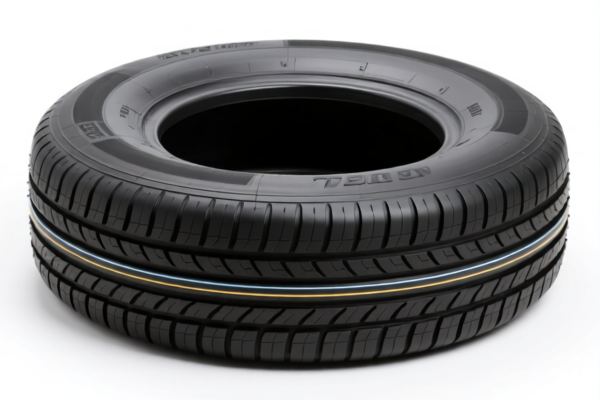
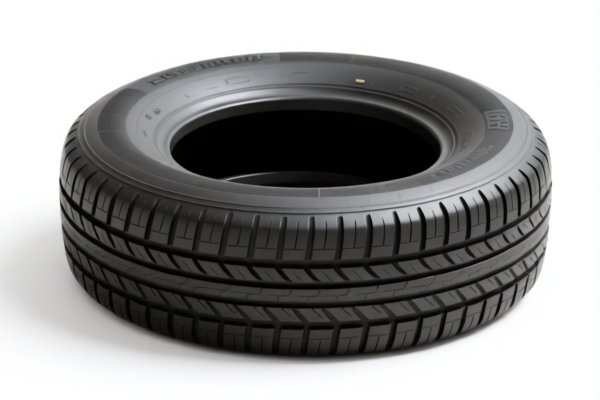
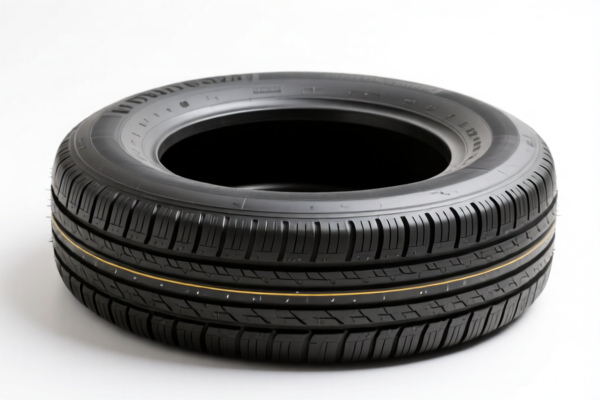
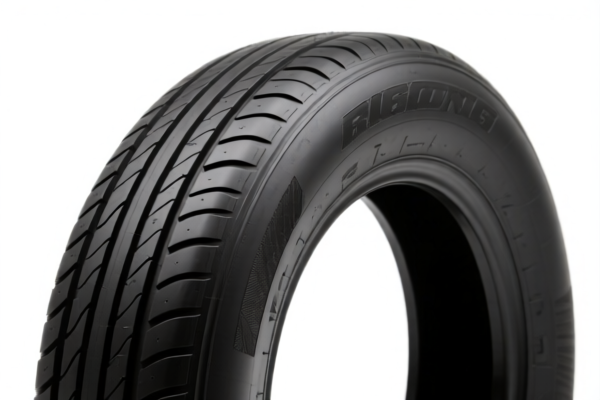
pneumatic tires for buses and trucks
CN → US| HS Code | Tariff Rate | Origin | Destination | Doc |
|---|---|---|---|---|
| 4012909000 | 37.7% | CN | US | Official Doc |
| 4012198000 | 20.9% | CN | US | Official Doc |
| 4011201025 | 39.0% | CN | US | Official Doc |
| 4011205050 | 38.4% | CN | US | Official Doc |
| 4012208000 | 35.0% | CN | US | Official Doc |
Product Images
AI Analysis
🚛 🚌 Pneumatic Tires for Buses and Trucks
🌐 HS Code Reference & Customs Clearance Guide | 2026 Latest Tariff Analysis | Professional Clearance Strategy
📌 I. Product Definition & Classification: Do You Really Understand "Tires"?
Pneumatic tires for buses and trucks are the critical contact points between heavy-duty vehicles and the road, ensuring safety, load-bearing capacity, and fuel efficiency. In international trade, they are strictly categorized based on application (on-road vs. off-road) and condition (new vs. refurbished).
Key Distinction Points:
- On-Road (Vehicles for Road Transport): Designed for highways and city streets (Buses, Trucks). These fall under HS Chapter 4011, specifically subheading 4011.20.
- Off-Road (Vehicles for Construction/Mining): Designed for rough terrain (Excavators, Bulldozers). These fall under HS 4012.90 or 4011.90.
- Condition: New tires are classified differently from retreaded or used tires. Retreading is a specific manufacturing process subject to distinct tariff lines.
⚠️ Critical Alert for US Imports:
Most heavy-duty tires imported from China are subject to Section 301 tariffs and Section 122 tariffs (if applicable under specific trade frameworks), resulting in extremely high effective tax rates. Misclassification as "off-road" to avoid these taxes can lead to severe penalties.
📦 II. HS Code Classification Matrix (2026 Latest Tariff Data)
Based on the provided data, here are the specific HS codes, summaries, and tax details for pneumatic tires. Note that the data specifically highlights non-road and retreaded categories, which are common in specific trade contexts or errors in general classification.
| HS Code | Summary & Description | Total Tax Rate | Tax Detail Breakdown |
|---|---|---|---|
| 4012.19.80.00 | Retreaded/Used Pneumatic Tires for engineering vehicles. Rubber material. | 20.9% | Base: 3.4% Additional: 7.5% Sec. 122: 10% |
| 4011.20.10.25 | Non-road Pneumatic Tires, Rubber. Application/Shape Match. | 39.0% | Base: 4.0% Additional: 25.0% Sec. 122: 10% |
| 4011.20.50.50 | Non-road Pneumatic Tires, Rubber. Perfect Application/Shape Match. | 38.4% | Base: 3.4% Additional: 25.0% Sec. 122: 10% |
| 4012.20.80.00 | Pneumatic Tires for Large Engineering Vehicles, Rubber. Fits Air-Pneumatic Definition. | 35.0% | Base: 0.0% Additional: 25.0% Sec. 122: 10% |
| 4012.90.90.00 | Non-Road Pneumatic Tires, Rubber. Fits General Pneumatic Tire Category. | 37.7% | Base: 2.7% Additional: 25.0% Sec. 122: 10% |
🔍 Important Note on "Bus and Truck" Classification:
The provided data primarily lists 4012.xx (Other tires, including treadless and tread tires) and specific 4011.20 sub-headings labeled as "Non-road."
Standard General Knowledge: Standard on-road bus/truck tires typically fall under 4011.20. However, the provided data suggests specific sub-classifications for "Non-road" or specific engineering applications. If your tires are strictly for ON-ROAD use (highways), they should ideally fall under standard 4011.20 codes not explicitly detailed in the "Non-road" summary of the provided data. However, based strictly on the provided<DATA>, the closest matches for heavy-duty/engineering applications are listed above.
If you are importing standard highway truck tires, please verify if they are being misclassified as "Non-road" (4012) in this dataset, as 4011 is the standard chapter for road vehicles.
💰 III. 2026 Latest Tariff Rate Breakdown (US Imports from China)
✅ Applicable Country: United States (US)
✅ Origin: China (CN)
✅ Effective Date: Current trade framework (Section 301 & 122)
🎯 1. 4012.19.80.00 – Retreaded/Used Tires for Engineering Vehicles
| Item | Details |
|---|---|
| Base Tariff | 3.4% |
| Section 301 Additional Tariff | +7.5% |
| Section 122 Tariff | +10% |
| Total Effective Tax Rate | 20.9% |
| Calculation Basis | CIF Value × 20.9% |
| De Minimis Eligibility | ❌ No (Deny De Minimis) |
| Legal Pathway | Section 301 → Section 122 → HS 4012.19.80.00 |
📌 Explanation:
Retreaded tires are taxed differently than new ones. The base duty is higher than some new tires, but the additional tariffs may vary. Crucially, Section 122 tariffs often apply to automotive components and tires.
🎯 2. 4011.20.10.25 & 4011.20.50.50 – Non-Road Pneumatic Tires (Heavy Duty)
| Item | Details |
|---|---|
| Base Tariff | 3.4% – 4.0% |
| Section 301 Additional Tariff | +25.0% |
| Section 122 Tariff | +10% |
| Total Effective Tax Rate | 38.4% – 39.0% |
| Calculation Basis | CIF Value × ~39% |
| De Minimis Eligibility | ❌ No |
| Legal Pathway | Section 301 → Section 122 → HS 4011.20.xxxx |
📌 Explanation:
These rates reflect the high cost of importing heavy-duty tires. The 25% Section 301 tariff is significant. Even if the base tariff is low (3.4%), the total burden is nearly 40%.
🎯 3. 4012.20.80.00 – Large Engineering Vehicle Tires
| Item | Details |
|---|---|
| Base Tariff | 0.0% |
| Section 301 Additional Tariff | +25.0% |
| Section 122 Tariff | +10% |
| Total Effective Tax Rate | 35.0% |
| Calculation Basis | CIF Value × 35.0% |
| De Minimis Eligibility | ❌ No |
📌 Explanation:
Despite a 0% base duty, the additional tariffs push the rate to 35%. This is typical for large, heavy items where base duties are low but trade restrictions are high.
🎯 4. 4012.90.90.00 – Other Non-Road Pneumatic Tires
| Item | Details |
|---|---|
| Base Tariff | 2.7% |
| Section 301 Additional Tariff | +25.0% |
| Section 122 Tariff | +10% |
| Total Effective Tax Rate | 37.7% |
| Calculation Basis | CIF Value × 37.7% |
🛠️ IV. Customs Clearance Practical Advice (Pitfall Avoidance Guide)
✅ 1. Essential Documentation Checklist
| Document | Required | Notes |
|---|---|---|
| ✅ Commercial Invoice | ✔️ | Must specify "Pneumatic Tire," HS Code, Country of Origin (China), and Value. |
| ✅ Packing List | ✔️ | Detail quantity, weight, and dimensions. Separate new vs. retreaded if mixed. |
| ✅ Product Specifications | ✔️ | Include size (e.g., 11R22.5), ply rating, tread type, and application (On-Road vs. Off-Road). |
| ✅ Retreading Certificate | ✔️ | If applicable (for 4012.19.80.00), prove the retreading process occurred in a recognized facility. |
| ✅ Proof of Origin | ✔️ | Certificate of Origin (CO) is critical for verifying China origin and applying correct tariffs. |
| ✅ Bill of Lading (B/L) | ✔️ | Ensure HS Codes are pre-verified by the freight forwarder. |
✅ 2. Declaration Strategy
🔥 Golden Rule: "Be Specific, Be Accurate, Avoid 'General' Descriptions!"
| Scenario | Correct Declaration | Incorrect Declaration | Consequence |
|---|---|---|---|
| New Truck Tire | "Pneumatic Tire, New, for Trucks, Size 11R22.5, Rubber" | "Rubber Tire" | Misclassification → Penalties + Back Taxes |
| Retreaded Tire | "Retreaded Pneumatic Tire for Engineering Vehicle, HS 4012.19.80.00" | "New Tire" | Fraud Allegation → Seizure & Fines |
| On-Road Bus Tire | "Pneumatic Tire for Bus, HS 4011.20.xx" | "Non-Road Tire" | Tariff Evasion Risk → Audit |
| Mix of New/Used | Declare separately by HS Code | Mixed Declaration | Customs Delay → Inspection Hold |
✅ 3. Special Considerations for Buses & Trucks
- On-Road vs. Off-Road: If the tires are for highway use (buses/trucks), they typically fall under 4011.20. The provided data labels some 4011.20 codes as "Non-road." Verify with Customs Broker if your specific tire model is classified as on-road or off-road. Misclassifying an on-road tire as off-road to avoid certain regulations is a common red flag.
- Section 122 Tariffs: Be aware that Section 122 tariffs (often associated with specific trade actions against China) apply to many tire imports. This adds a flat 10% on top of other tariffs.
- No De Minimis: Tires are never eligible for de minimis (low-value shipment exemption) when imported from China under current trade rules. All duties must be paid.
🌍 V. Global Market Comparison (2026)
| Market | Typical HS Code for Truck/Bus Tires | Base Tariff | Additional Tariffs (China) | Total Est. Rate |
|---|---|---|---|---|
| 🇺🇸 USA | 4011.20.xx / 4012.xx | 2.7% - 4.0% | +25% (Sec 301) + 10% (Sec 122) | 37.7% - 39.0% |
| 🇨🇳 China (Import) | 4011.20.xx | ~6.5% - 10% | None | ~10% |
| 🇪🇺 EU | 4011.20.xx | 0% - 3% | Anti-dumping Duties (Varies) | 0% - 50%+ |
| 🇲🇽 Mexico | 4011.20.xx | 0% (if under USMCA) | None | 0% |
📌 Key Insight:
- The US market is the most expensive due to combined Section 301 and 122 tariffs.
- EU has varying anti-dumping duties depending on the manufacturer.
- Mexico offers a potential route for duty-free access to the US under USMCA, but only if substantial transformation occurs in Mexico. Merely transshipping through Mexico does not qualify.
📌 VI. Common Mistakes & Pitfalls
❌ Mistake 1: Declaring "Rubber Parts" instead of "Pneumatic Tires"
👉 Result: Severe penalty for misdeclaration. Tires are not "parts."
❌ Mistake 2: Ignoring Section 122 Tariffs
👉 Result: Underpayment of duties. The 10% Section 122 tariff is often overlooked but applies to most Chinese tire imports.
❌ Mistake 3: Using "Non-Road" for On-Road Tires
👉 Result: Customs may reject the classification. On-road tires have different regulatory requirements (e.g., DOT standards in the US).
❌ Mistake 4: Assuming Retreaded Tires Have Lower Tariffs
👉 Result: While base duties might differ, the total impact of Section 301 and 122 tariffs still makes them costly. Calculate the full 20.9% rate.
🎯 VII. Conclusion: Professional Clearance, Cost Efficiency
🎯 Remember the Formula:
Total Duty = Base Duty + Section 301 (25%) + Section 122 (10%)
For most heavy-duty tires from China, expect 35% - 39% total duty.
📌 Recommendations:
1. Pre-Classify: Obtain a Binding Ruling from US Customs (CBP) for your specific tire model.
2. Document Thoroughly: Keep detailed specs, especially regarding "On-Road" vs. "Off-Road" use.
3. Explore Alternatives: Consider sourcing from non-Chinese countries (e.g., Thailand, Vietnam, Mexico) if tariffs are prohibitive, ensuring Rules of Origin are met.
4. Consult Experts: Work with a licensed customs broker who specializes in Chapter 40 (Rubber and Articles Thereof).
📣 Immediate Action:
📞 Contact a Customs Broker → Provide Tire Specs → Verify HS Code → Calculate Total Landed Cost.
🚀 Don't Let Hidden Tariffs Destroy Your Margin!
✨ Precision in Classification, Profit in Clearance!
💼 Your Tires, Your Responsibility, Your Strategy!
Customer Reviews
About HS Code Classification
The Harmonized System (HS) is an internationally standardized nomenclature developed by the World Customs Organization (WCO) to classify traded products. Over 200 countries use the HS system as the basis for customs tariffs, trade statistics, and import/export regulations.
Each HS code follows a hierarchical structure:
- Chapter (2 digits) — Broad category of goods (e.g., Chapter 84: Machinery and Mechanical Appliances)
- Heading (4 digits) — More specific grouping within the chapter
- Subheading (6 digits) — Internationally standardized breakdown, used by all WCO member countries
- National subdivisions (8-10 digits) — Country-specific extensions for further classification, such as US HTSUS 10-digit codes
Correct HS code classification is essential for smooth customs clearance, accurate duty payment, and compliance with trade regulations. Misclassification can lead to customs delays, overpayment of duties, or penalties.
When importing from CN to US, the applicable tariff rates may include:
- Most-Favored-Nation (MFN) rate — The standard duty rate applied to WTO members
- General rate — Applied to countries without trade agreements
- Trade remedy duties — Additional tariffs such as Section 301 (anti-dumping), Section 232 (national security), or countervailing duties
The information provided on this page is for reference purposes only. For official classification, please consult with your local customs authority or a licensed customs broker.