pole holder
CN → US| HS Code | Tariff Rate | Origin | Destination | Doc |
|---|---|---|---|---|
| 7326190080 | 87.9% | CN | US | Official Doc |
| 7616107090 | 40.5% | CN | US | Official Doc |
| 7326908688 | 87.9% | CN | US | Official Doc |
| 7616995150 | 37.5% | CN | US | Official Doc |
| 3926305000 | 22.8% | CN | US | Official Doc |
Product Images
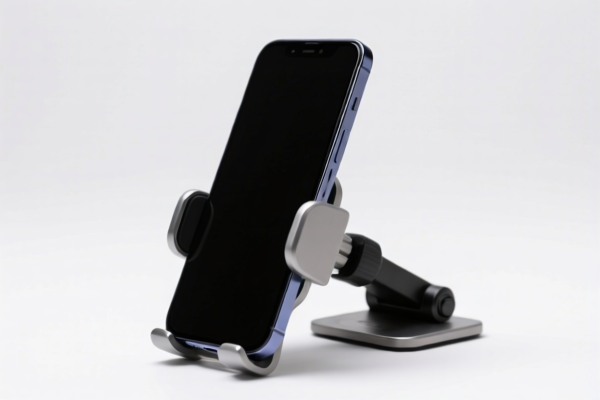
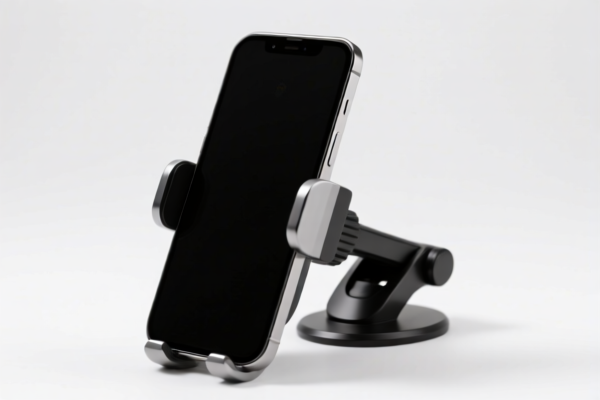
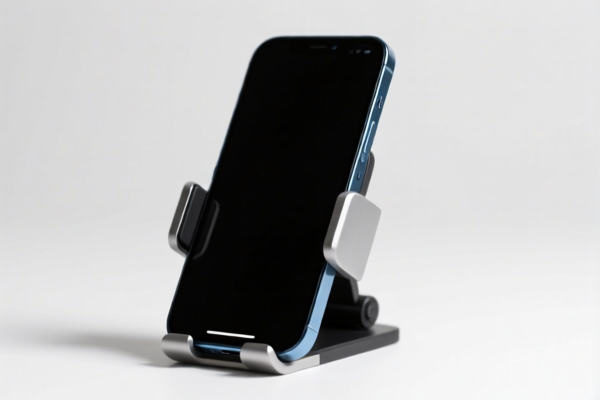

AI Analysis
🛠️ Pole Holder (Support Bracket for Poles/Structures)
🌐 HS Code Classification & Tariff Guide | 2026 U.S. Trade Policy Deep Dive | Professional Customs Clearance Strategy
📌 One Product, Multiple Classifications — Why the Tax Rate Varies So Much!
📌 I. What Is a "Pole Holder"? The Hidden Complexity Behind a Simple Part
A pole holder is a mechanical component used to secure, support, or mount poles, tubes, or structural elements in applications ranging from street lighting, traffic signals, industrial racks, to solar panel frames. Despite its simple appearance, this small part can be classified under multiple HS codes depending on material, design, and function, leading to dramatically different tariffs.
⚠️ Critical Insight:
- If made of steel/iron → High tariff (up to 87.9%)
- If made of aluminum → Moderate tariff (37.5%–40.5%)
- If made of plastic → Low tariff (22.8%)🔥 The material determines the fate of your shipment — choose wisely!
📦 II. HS Code Breakdown (2026 U.S. Tariff Schedule – Official Data)
| HS Code | Product Description | Material | Key Tax Implications |
|---|---|---|---|
7326.19.00.80 |
Steel/iron pole holder — general steel parts, non-specific | Steel/Iron | 87.9% total tax |
7616.10.70.90 |
Aluminum pole holder — other aluminum parts for poles/tubes | Aluminum | 40.5% total tax |
7326.90.86.88 |
Iron/steel pole holder — general steel parts, non-specific | Steel/Iron | 87.9% total tax |
7616.99.51.50 |
Aluminum support/stanchion — general aluminum brackets | Aluminum | 37.5% total tax |
3926.30.50.00 |
Plastic pole holder — other plastic parts for connections | Plastic | 22.8% total tax |
✅ All codes are valid depending on material and structure
❌ Do NOT assume one code fits all — misclassification = massive tariff penalties
💰 III. 2026 U.S. Tariff Breakdown – The Full Tax Formula (With Legal Basis)
✅ Applicable Country: United States (US)
✅ Origin: China (CN)
✅ Effective Date: November 10, 2025 (and ongoing)
✅ Legal Framework: Section 301, IEEPA, and U.S. Trade Act 1974
🎯 1. 7326.19.00.80 — Steel/Iron Pole Holder (General Steel Parts)
| Component | Detail |
|---|---|
| Base Duty | 2.9% (ad valorem) |
| Section 301 (USITC) Additional Duty | +25.0% |
| Section 122 (Steel & Aluminum) Additional Duty | +10% (Steel Products) |
| Section 122 (Copper/Aluminum/Steel) Additional Duty | +50% (for steel, aluminum, copper products) |
| Total Effective Rate | 87.9% |
| Tax Calculation | CIF Value × 87.9% |
| De Minimis Exemption? | ❌ No (denied under U.S. law) |
| Legal Pathway | IEEPA:9903.01.25 → Section 122:9903.01.24 → USITC:7326.19.00.80 → FOOTNOTE:9903.88.01 |
📌 Explanation:
- The +50% rate is the most aggressive — applies to all steel, aluminum, and copper products under Section 122 of the Trade Act.
- Even if the pole holder is a small bracket, if it’s steel-based, it triggers the full 50% add-on.
- This is not a "light" tariff — it’s a trade war weapon.
🎯 2. 7616.10.70.90 — Aluminum Pole Holder (Other Aluminum Parts for Poles)
| Component | Detail |
|---|---|
| Base Duty | 5.5% |
| Section 301 (USITC) Additional Duty | +25.0% |
| Section 122 (Steel & Aluminum) Additional Duty | +10% |
| Total Effective Rate | 40.5% |
| Tax Calculation | CIF × 40.5% |
| De Minimis? | ❌ No |
| Legal Pathway | IEEPA:9901.25 → Section 122:9903.01.24 → USITC:7616.10.70.90 → FOOTNOTE:9903.88.01 |
📌 Note:
- Aluminum is not subject to the 50% steel tax, but still faces 25% + 10% = 35% extra.
- The +5.5% base is higher than steel — but the total tax is much lower than steel.
- Aluminum wins — if you can design it that way.
🎯 3. 7326.90.86.88 — Steel/Iron Pole Holder (General Steel Parts — Alternative Code)
| Component | Detail |
|---|---|
| Base Duty | 2.9% |
| Section 301 (USITC) | +25.0% |
| Section 122 (Steel) | +10% |
| Section 122 (Copper/Aluminum/Steel) | +50% |
| Total | 87.9% |
Same as 7326.19.00.80 |
✅ Yes — identical tax treatment |
📌 Key Point:
- Two different codes, same tax — both are "general steel parts" under the "other steel products" category.
- No escape — if it’s steel, it’s 87.9%.
🎯 4. 7616.99.51.50 — Aluminum Support/Bracket (General Aluminum Parts)
| Component | Detail |
|---|---|
| Base Duty | 2.5% |
| Section 301 (USITC) | +25.0% |
| Section 122 (Steel & Aluminum) | +10% |
| Total | 37.5% |
| Tax Calculation | CIF × 37.5% |
| De Minimis? | ❌ No |
| Legal Pathway | IEEPA:9901.25 → Section 122:9903.01.24 → USITC:7616.99.51.50 → FOOTNOTE:9903.88.01 |
📌 Why This Is Better:
- Lower base duty (2.5% vs 5.5%)
- Same +25% +10% = 35% extra, but total = 37.5%
- Best aluminum option — use this if possible.
🎯 5. 3926.30.50.00 — Plastic Pole Holder (Other Plastic Connection Parts)
| Component | Detail |
|---|---|
| Base Duty | 5.3% |
| Section 301 (USITC) | +7.5% |
| Section 122 (Steel & Aluminum) | +10% (applies to plastic parts used in steel/aluminum assemblies?) |
| Total | 22.8% |
| Tax Calculation | CIF × 22.8% |
| De Minimis? | ❌ No |
| Legal Pathway | IEEPA:9901.25 → USITC:3926.30.50.00 → FOOTNOTE:9903.88.01 |
📌 Big Win for Plastic!
- Only 22.8% — less than half of steel’s tax.
- No 50% steel tax — plastic is exempt from Section 122’s worst penalties.
- Best option for cost control — if design allows.
🛠️ IV. Customs Clearance Best Practices (Real-World Pro Tips)
✅ 1. Critical Documentation Checklist (Must-Have!)
| Document | Required? | Why It Matters |
|---|---|---|
| ✅ Product Technical Specs | ✔️ | Prove material (steel/aluminum/plastic) |
| ✅ Material Certificate (MTC) | ✔️ | Confirm alloy or resin type |
| ✅ 3D CAD / Assembly Drawing | ✔️ | Show structural design & function |
| ✅ Product Photos (with markings) | ✔️ | Prove actual composition |
| ✅ Commercial Invoice | ✔️ | Must state correct HS Code & material |
| ✅ Certificate of Origin (CO) | ✔️ | Needed for tariff claims |
| ✅ Test Report (if plastic) | ✔️ | UL, RoHS, or flammability test |
✅ 2. 申报策略 — The Golden Rule
🔥 "Material First, Function Second — The Tax Follows the Metal!"
| Scenario | Correct HS Code | Wrong Code | Risk |
|---|---|---|---|
| Steel bracket | 7326.19.00.80 or 7326.90.86.88 |
7616.99.51.50 |
+50% tax → 87.9% |
| Aluminum bracket | 7616.10.70.90 or 7616.99.51.50 |
7326.19.00.80 |
+50% tax → 87.9% |
| Plastic bracket | 3926.30.50.00 |
7326.19.00.80 |
+87.9% tax → 87.9% |
| Mixed material (steel + plastic) | Split申报? ❌ | No — declare as steel | Full 87.9% tax |
📌 Rule:
- If any steel component is present, the entire part is taxed as steel — even if 90% plastic.
✅ 3. Advanced Tactics to Reduce Tariff Burden
| Strategy | How It Works | Risk Level |
|---|---|---|
| ✅ Switch to Aluminum | Drop from 87.9% → 37.5% | Low |
| ✅ Switch to Plastic | Drop from 87.9% → 22.8% | Medium (check durability) |
| ✅ Design as "Non-Structural" | Avoid "support" or "holder" — use "clip" or "connector" | High (risk of rejection) |
| ✅ Use Non-China Origin | Vietnam, Mexico, India → IEEPA exemption | Medium (need CO) |
| ✅ Apply for Advance Ruling (Pre-Clearance) | Get official HS Code confirmation before shipment | Low (costs $2k–$5k) |
🌍 V. Global Market Tariff Comparison (2026)
| Country | Recommended HS Code | Base Duty | Additional Taxes | Total Tax |
|---|---|---|---|---|
| 🇺🇸 USA | 7326.19.00.80 (steel) |
2.9% | +25% +10% +50% | 87.9% |
| 🇨🇳 China | 7326.19.00.80 |
5% | None | 5% |
| 🇪🇺 EU | 7326.19.00.80 |
0% | None | 0% |
| 🇦🇺 Australia | 7326.19.00.80 |
5% | None | 5% |
| 🇯🇵 Japan | 7326.19.00.80 |
0% | None | 0% |
📌 Insight:
- The U.S. is the only market with 50%+ tariffs on steel/aluminum.
- China, EU, Japan, Australia have no additional tariffs — ideal for export.
📌 VI. Common Mistakes & Real-World Consequences
❌ Mistake 1: Declare a steel pole holder as 7616.99.51.50 (aluminum)
👉 Result: 87.9% tax → $10,000+ in penalties + audit risk
❌ Mistake 2: Ship plastic pole holder without material proof
👉 Result: Customs reclassifies as steel → 87.9% tax + detention
❌ Mistake 3: Think “small part” = “low tax”
👉 Result: Even a 100g bracket triggers full 87.9% if steel
❌ Mistake 4: Use “support bracket” in description but claim plastic
👉 Result: Customs flags for “structural component” → steel classification
✅ Correct Description Example:
"Plastic Pole Connector, 3D-Printed, Non-Structural, for Solar Frame Assembly, Material: ABS Resin, CO: CN, Model XYZ"
🎯 VII. Final Verdict: How to Win the Tariff War
🔥 "If it's steel → 87.9%
🔥 If it's aluminum → 37.5%
🔥 If it's plastic → 22.8%
🔥 If it's from Vietnam/Mexico → 0% (if eligible)"
📣 Action Plan: What You Must Do Now
- 🔍 Audit your pole holder material — steel? aluminum? plastic?
- 🧩 Redesign if possible — switch to aluminum or plastic
- 📄 Gather material certs, drawings, photos
- 📞 Contact a U.S. customs broker or apply for Advance Ruling
- 🌐 Consider shifting production to Vietnam/Mexico for tariff relief
✨ Pro Tip:
🚨 Don’t wait until shipment is delayed.
A $5,000 pre-clearance ruling can save $50,000 in tariffs.
🎯 Conclusion: Precision Pays — Your Profit Depends on the Right HS Code
📌 Remember:
- Steel = 87.9% → Trade War Weapon
- Aluminum = 37.5% → Smart Choice
- Plastic = 22.8% → Best for Cost Control
- Non-China Origin = 0% → Golden Ticket
💼 Your pole holder isn’t just a part — it’s a tax liability.
🔐 Get the HS Code right, and your margins stay healthy.
📞 Need help?
🚀 Contact a U.S. customs specialist today — before your next shipment hits the port.
💼 Because one wrong code can cost you 87.9% of your profit.
Customer Reviews
About HS Code Classification
The Harmonized System (HS) is an internationally standardized nomenclature developed by the World Customs Organization (WCO) to classify traded products. Over 200 countries use the HS system as the basis for customs tariffs, trade statistics, and import/export regulations.
Each HS code follows a hierarchical structure:
- Chapter (2 digits) — Broad category of goods (e.g., Chapter 84: Machinery and Mechanical Appliances)
- Heading (4 digits) — More specific grouping within the chapter
- Subheading (6 digits) — Internationally standardized breakdown, used by all WCO member countries
- National subdivisions (8-10 digits) — Country-specific extensions for further classification, such as US HTSUS 10-digit codes
Correct HS code classification is essential for smooth customs clearance, accurate duty payment, and compliance with trade regulations. Misclassification can lead to customs delays, overpayment of duties, or penalties.
When importing from CN to US, the applicable tariff rates may include:
- Most-Favored-Nation (MFN) rate — The standard duty rate applied to WTO members
- General rate — Applied to countries without trade agreements
- Trade remedy duties — Additional tariffs such as Section 301 (anti-dumping), Section 232 (national security), or countervailing duties
The information provided on this page is for reference purposes only. For official classification, please consult with your local customs authority or a licensed customs broker.