polishing device
CN → US| HS Code | Tariff Rate | Origin | Destination | Doc |
|---|---|---|---|---|
| 8460120080 | 39.4% | CN | US | Official Doc |
| 6805301000 | 35.0% | CN | US | Official Doc |
| 8460190150 | 39.4% | CN | US | Official Doc |
| 6804221000 | 0.0% | CN | US | Official Doc |
| 3926904590 | 38.5% | CN | US | Official Doc |
Product Images
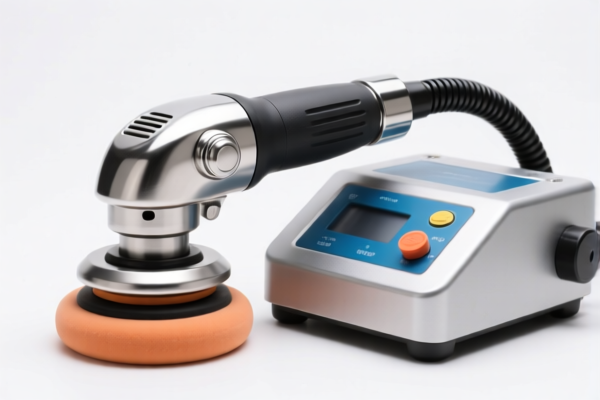
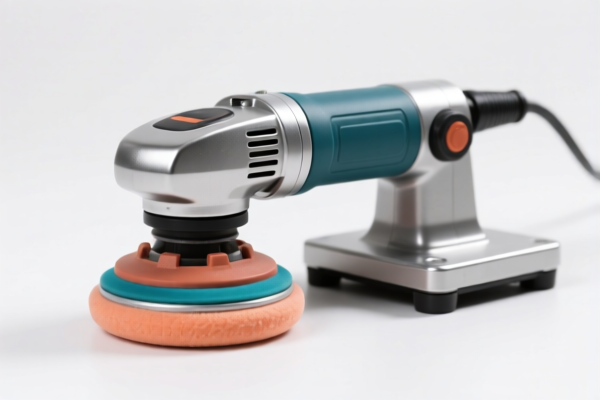
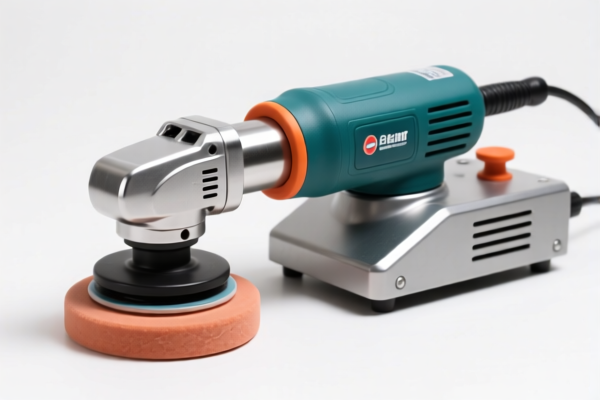
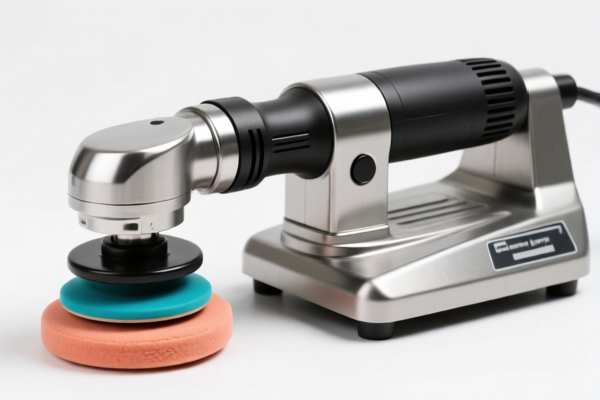
AI Analysis
🛠️ Polishing Device: HS Code Classification & US Customs Clearance Guide
🌐 HS Code Reference & Clearance Strategy | 2026 Latest Tariff Analysis | Professional Compliance Guide
📌 I. Product Definition & Classification: What is a "Polishing Device"?
"Polishing Device" is a broad term in international trade that can refer to several distinct types of goods. In the context of US customs classification, the correct HS Code depends entirely on the physical form, material, and specific function of the item.
Based on the provided data, the classification splits into two main categories: 1. Machinery/Equipment: Mechanical devices used for the process of polishing (e.g., polishing machines, lathes). 2. Consumables/Accessories: The actual tools or parts used to perform polishing (e.g., polishing discs, abrasives, seals).
⚠️ Key Distinction:
- If it is a machine that performs the polishing action → Likely Chapter 84 (Machinery).
- If it is an abrasive tool (stone/ceramic) used on a machine → Likely Chapter 68 (Articles of Stone/Glass).
- If it is a plastic part/accessory → Likely Chapter 39 (Plastics).
📦 II. HS Code Classification Details (Latest 2026 Tariff Data)
| HS Code | Product Description | Application Scenario | Key Classification Logic |
|---|---|---|---|
8460.12.00.80 |
Machines for grinding, cutting, or polishing metals (Specific Subcategory) | Industrial polishing machines, metal finishing equipment | Function Match: Explicitly covers "polishing" as a machining process. No material conflict. |
6805.30.10.00 |
Artificial or natural abrasive powder, grain, or sand (兜底/Subcategory) | Polishing powders, abrasive grains, loose abrasives | Use Match: Infers "polishing" use. Matches "grinding/polishing powder" attributes. Fits the "residual/other" logic. |
8460.19.01.50 |
Other machines for grinding, cutting, or polishing metals (Residual/Subcategory) | Polishing machines not covered in 8460.12 | Function Match: Covers "polishing" as a精加工 (fine machining) process. Uses "residual category" rule due to lack of specific form description. |
6804.22.10.00 |
Handstones and whetstones, of other materials (specifically Polishing Discs/Wheels) | Polishing discs, grinding wheels, ceramic/cemented abrasive tools | Form & Material: "Polishing disc" matches "grinding stones/discs". Inferred as cemented abrasive or ceramic material. |
3926.90.45.90 |
Other articles of plastics (Seals, Gaskets, Parts) | Plastic polishing pads, plastic components, seals for polishing equipment | Accessory/Part: Inferred as plastic parts/accessories. No material/conflict with "other gaskets/seals" definition. |
🔍 Critical Note:
- Machinery vs. Consumables: Do not confuse a polishing machine (8460) with a polishing wheel/disc (6804). The former is the driver; the latter is the tool. - "Polishing" as a Function: If the item is a machine, it generally falls under8460.19. If the item is the abrasive medium itself (like a stone or powder), it falls under6805or6804.
💰 III. 2026 US Tariff Rate Breakdown (Detailed Analysis)
✅ Applicable Country: United States (US)
✅ Origin: China (CN)
✅ Effective Date: November 10, 2025 (and onwards)
🎯 1. 8460.12.00.80 & 8460.19.01.50 – Polishing Machines (Machinery)
| Item | Content |
|---|---|
| Base Duty Rate | 4.4% (Ad Valorem) |
| Section 301 Duty (Additional) | +25.0% (Retaliatory/Trade Action) |
| Section 122 Duty (Additional) | +10.0% (Specific Chinese Import Surcharge) |
| Total Effective Tax Rate | 39.4% |
| Tax Calculation | CIF Value × 39.4% |
| De Minimis Eligibility | ❌ No (Denied for Section 301/122 goods) |
| Legal Basis Path | USITC:8460.12.00.80 / 8460.19.01.50 → Section 301: 25% → Section 122: 10% |
📌 Interpretation:
- Machinery intended for metal grinding/polishing attracts a high cumulative tariff of 39.4%. - This is a Section 301 targeted item. There is no de minimis exemption for shipments under $800 if they fall under these codes and originate from China.
🎯 2. 6805.30.10.00 – Abrasive Powders/Grains
| Item | Content |
|---|---|
| Base Duty Rate | 0.0% |
| Section 301 Duty (Additional) | +25.0% |
| Section 122 Duty (Additional) | +10.0% |
| Total Effective Tax Rate | 35.0% |
| Tax Calculation | CIF Value × 35.0% |
| De Minimis Eligibility | ❌ No |
| Legal Basis Path | USITC:6805.30.10.00 → Section 301: 25% → Section 122: 10% |
📌 Interpretation:
- Although the base duty is 0%, the additional tariffs push the total cost to 35%. - Common for loose polishing compounds or industrial abrasive grains.
🎯 3. 6804.22.10.00 – Polishing Discs / Grinding Stones
| Item | Content |
|---|---|
| Base Duty Rate | 5¢/kg + 2% (Specific/Ad Valorem Mix) |
| Section 301 Duty (Additional) | +25.0% |
| Section 122 Duty (Additional) | +10.0% |
| Total Effective Tax Rate | 5¢/kg + 2% + 35% (Additional) |
| Note on Calculation | Complex: Base is weight-based + ad valorem. Additional tariffs are typically ad valorem on the declared value. |
| De Minimis Eligibility | ❌ No |
| Legal Basis Path | USITC:6804.22.10.00 → Section 301: 25% → Section 122: 10% |
📌 Interpretation:
- This code has a mixed duty structure. You must pay both a per-kg fee (5 cents) and a percentage fee (2%) on the value, PLUS the 35% in additional tariffs. - Common for ceramic, cemented, or vitrified polishing wheels/discs.
🎯 4. 3926.90.45.90 – Plastic Parts/Seals (Accessories)
| Item | Content |
|---|---|
| Base Duty Rate | 3.5% |
| Section 301 Duty (Additional) | +25.0% |
| Section 122 Duty (Additional) | +10.0% |
| Total Effective Tax Rate | 38.5% |
| Tax Calculation | CIF Value × 38.5% |
| De Minimis Eligibility | ❌ No |
| Legal Basis Path | USITC:3926.90.45.90 → Section 301: 25% → Section 122: 10% |
📌 Interpretation:
- Applies to plastic polishing pads, holders, or seals. - Slightly lower total rate (38.5%) than metal machinery (39.4%) due to a lower base rate (3.5% vs 4.4%).
🛠️ IV. Customs Clearance Operational Advice (Risk Avoidance)
✅ 1. Preparation Checklist (Mandatory)
| Document | Required | Explanation |
|---|---|---|
| ✅ Product Specifications | ✔️ | Must clearly define: Is it a machine, a disc, or powder? Material composition? |
| ✅ Technical Diagrams | ✔️ | For machines: Show control systems. For discs: Show material layers (ceramic/resin). |
| ✅ Clear Photos | ✔️ | Show the item in use and detailed views of labels/model numbers. |
| ✅ Commercial Invoice | ✔️ | Description must be precise: "Metal Polishing Machine" vs "Ceramic Polishing Disc". Vague terms like "Polisher" can cause delays. |
| ✅ Origin Certificate | ✔️ | Proof of Chinese origin is expected; helps verify Section 301/122 applicability. |
✅ 2. Declaration Strategy (Key Tips)
🔥 "Define Function, Define Form, Define Material!"
| Scenario | Correct Declaration | Common Error |
|---|---|---|
| Industrial Polishing Machine | 8460.19.01.50 or 8460.12.00.80 |
Declaring as "Tool" → Wrong Chapter |
| Ceramic Polishing Disc | 6804.22.10.00 |
Declaring as "Machine Part" → Wrong Chapter |
| Loose Polishing Powder | 6805.30.10.00 |
Declaring as "Chemical" → Wrong Chapter |
| Plastic Polishing Pad/Holder | 3926.90.45.90 |
Declaring as "Rubber" → Wrong Material Class |
⚠️ Warning:
- Do not use generic terms like "Polishing Device" in the commercial invoice.
- Use specific terms: "CNC Metal Polishing Machine", "Vitrified Bond Polishing Wheel", "Silicon Carbide Polishing Powder".
✅ 3. Special Circumstances
| Situation | Advice |
|---|---|
| Kit Contents | If a machine comes with polishing discs, declare them separately. The machine is 8460, the discs are 6804. Do not lump them under one code to avoid misclassification penalties. |
| Used Equipment | If importing used polishing machines, ensure they are cleaned and free of hazardous residues. Customs may require additional inspection. |
| Plastic Parts | If the plastic part is integral to the machine (e.g., a housing), it might still be classified with the machine. If it's a spare part (e.g., a seal), use 3926. |
🌍 V. Global Market Comparison (2026)
| Country/Region | Recommended HS Code | Approx. Tariff (China Origin) | Key Requirement |
|---|---|---|---|
| 🇺🇸 USA | Varies (See Above) | 35% – 39.4% (High) | FCC (for electronics), UL/ETL (for safety) |
| 🇨🇳 China | Varies | 0% – 5% (Import Duty) | CCC Certification (for some machinery) |
| 🇪🇺 EU | Varies (e.g., 8460.19) | ~4% + VAT (20%) | CE Marking, RoHS Compliance |
| 🇯🇵 Japan | Varies | ~5% – 10% | PSE Mark (for electrical devices) |
📌 Conclusion:
- The US market is the most expensive for Chinese polishing goods due to Section 301 and Section 122 tariffs. - Total landed cost in the US could be nearly 40% higher than the CIF value.
📌 VI. Common Mistakes & Pitfalls (Lessons Learned)
❌ Mistake 1: Declaring a Polishing Machine as "Auto Parts"
👉 Consequence: Misclassification. If caught, back taxes + penalties. Correct code is 8460.
❌ Mistake 2: Declaring Polishing Discs as "Tools" (HS 82)
👉 Consequence: Wrong duty structure. Ceramic discs are 6804 (Stone/Glass), not 82 (Metal Tools). Duty rates differ significantly.
❌ Mistake 3: Ignoring Section 122 Tariffs
👉 Consequence: Many importers forget the 10% Section 122 surcharge, leading to unexpected bills at customs. Total tax is NEVER just Base + 25%.
✅ Correct Practice:
"Ceramic Bond Polishing Wheel, Diameter 300mm, Used for Stainless Steel Finishing, Model PW-300"
🎯 VII. Conclusion: Precision is Profit!
🎯 Remember the Golden Rules:
🔹 "Machine? Chapter 84. Abrasive Stone? Chapter 68. Plastic Part? Chapter 39."
🔹 "US Tariffs are High! Plan for 35-40% total duty."
🔹 "Describe Specifics! 'Polishing Device' is a red flag for Customs!"
📌 Pro Tip:
If your product is originally manufactured in Vietnam, Mexico, or Thailand, you may qualify for IEEPA/Section 301 exemptions. Always verify the Country of Origin carefully. Consider applying for an Advance Ruling from CBP if your product structure is complex.
📣 Immediate Action:
📞 Engage a licensed US Customs Broker
📄 Prepare detailed technical sheets
🚀 Ensure Smooth Clearance & Maximize Profit Margins!
✨ Professional Customs Clearance Starts with Accurate Classification!
💼 Every Cent Saved is Pure Profit!
Customer Reviews
About HS Code Classification
The Harmonized System (HS) is an internationally standardized nomenclature developed by the World Customs Organization (WCO) to classify traded products. Over 200 countries use the HS system as the basis for customs tariffs, trade statistics, and import/export regulations.
Each HS code follows a hierarchical structure:
- Chapter (2 digits) — Broad category of goods (e.g., Chapter 84: Machinery and Mechanical Appliances)
- Heading (4 digits) — More specific grouping within the chapter
- Subheading (6 digits) — Internationally standardized breakdown, used by all WCO member countries
- National subdivisions (8-10 digits) — Country-specific extensions for further classification, such as US HTSUS 10-digit codes
Correct HS code classification is essential for smooth customs clearance, accurate duty payment, and compliance with trade regulations. Misclassification can lead to customs delays, overpayment of duties, or penalties.
When importing from CN to US, the applicable tariff rates may include:
- Most-Favored-Nation (MFN) rate — The standard duty rate applied to WTO members
- General rate — Applied to countries without trade agreements
- Trade remedy duties — Additional tariffs such as Section 301 (anti-dumping), Section 232 (national security), or countervailing duties
The information provided on this page is for reference purposes only. For official classification, please consult with your local customs authority or a licensed customs broker.