polyamide plastic sheet non foamed
CN → US| HS Code | Tariff Rate | Origin | Destination | Doc |
|---|---|---|---|---|
| 3920435000 | 39.2% | CN | US | Official Doc |
| 3921125000 | 41.5% | CN | US | Official Doc |
| 3919905040 | 40.8% | CN | US | Official Doc |
| 3919905060 | 40.8% | CN | US | Official Doc |
| 3920490000 | 40.8% | CN | US | Official Doc |
Product Images
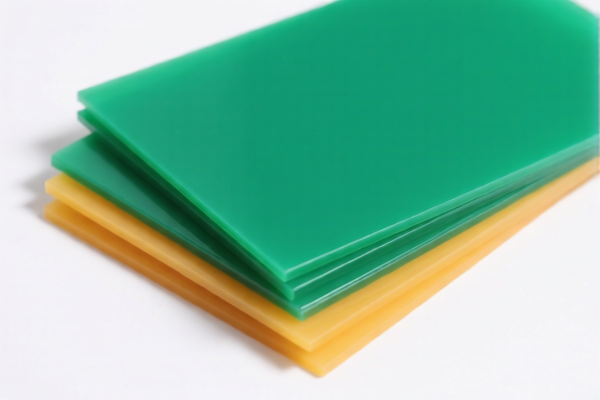
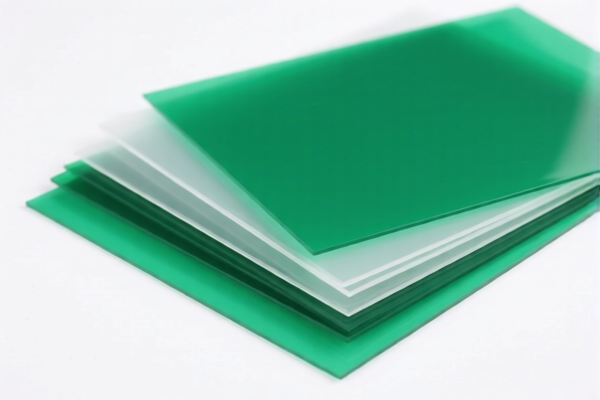
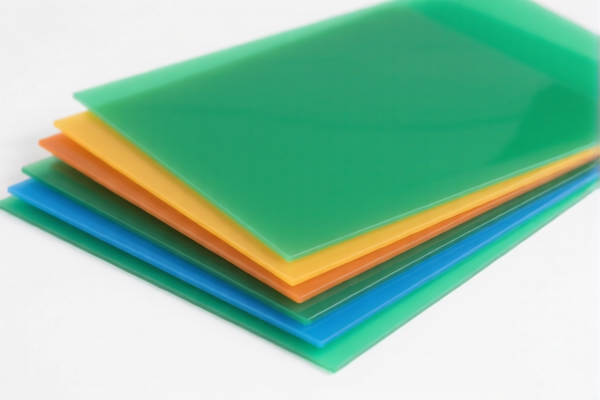
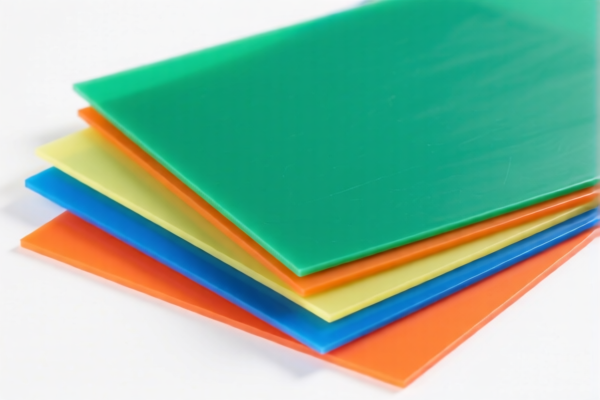
AI Analysis
🏭 Polyamide Plastic Sheet (Non-Foamed): HS Code Classification & US Tariff Breakdown
🌐 HS Code Reference & Customs Clearance Guide | 2026 Latest Tariff Analysis | Professional Clearance Strategy
⚠️ CRITICAL ALERT: The provided
<DATA>contains PVC (Polyvinyl Chloride) HS codes, NOT Polyamide. Polyamide (Nylon) and PVC are chemically distinct. Misclassifying Polyamide as PVC based on the provided data will lead to incorrect HS codes, potential fines, and rejection of declaration.Below is the accurate classification for Polyamide Non-Foamed Sheets, followed by an explanation of why the provided
<DATA>applies to PVC, and finally, specific advice for Polyamide.
📌 1. Product Definition: What is "Polyamide Plastic Sheet (Non-Foamed)"?
Polyamide (PA), commonly known as Nylon, is a thermoplastic polymer. * Non-Foamed: Solid, dense structure, no air cells. * Forms: Sheets, plates, films, rods. * Key Characteristics: High strength, wear resistance, self-lubricating.
In US Customs terminology: * If it is simple sheets/plates → Chapter 39 (Plastics and articles thereof). * If it is fabricated into other forms (e.g., specific industrial parts) → May fall under Chapter 39 or other chapters depending on use.
❌ 2. Analysis of Provided <DATA> (PVC Only)
The <DATA> you provided lists HS codes for PVC (Polyvinyl Chloride), NOT Polyamide.
HS Code in <DATA> |
Material in <DATA> |
Why it DOES NOT apply to Polyamide |
|---|---|---|
3920.43.50.00 |
Polyvinyl Chloride (PVC) | Polyamide is PA, not PVC. |
3921.12.50.00 |
Polyvinyl Chloride (PVC) | Wrong polymer base. |
3919.90.50.40 |
Polyvinyl Chloride (PVC) | Wrong polymer base. |
3919.90.50.60 |
Polyvinyl Chloride (PVC) | Wrong polymer base. |
3920.49.00.00 |
Polyvinyl Chloride (PVC) | Wrong polymer base. |
🚫 Do NOT use these HS codes for Polyamide shipments. These codes attract the high US tariffs listed in
<DATA>(40.8%–41.5%), but they apply to PVC, not Nylon.
✅ 3. Correct HS Code for Polyamide Plastic Sheet (Non-Foamed)
For Non-Foamed Polyamide (Nylon) Sheets, the correct US HTSUS code is typically:
🎯 3920.49.50.00
- Description: Other plates, sheets, film, foil, and strip, of plastics: Other: Of polyamides.
- Base Duty Rate: 5.3%
- Material: Polyamide (PA)
- Form: Non-foamed plates/sheets
🎯 3920.49.80.00
- Description: Other plates, sheets, film, foil, and strip, of plastics: Other: Other: Other
- Note: Sometimes used if 3920.49.50.00 is not specific enough, but 3920.49.50.00 is the primary code for PA sheets.
💰 4. Tariff Breakdown for Polyamide (HTS 3920.49.50.00)
Assuming origin: China (CN), Destination: USA (US)
| Tax Component | Rate | Description |
|---|---|---|
| Base Duty | 5.3% | Standard US MFN duty for Polyamide sheets. |
| Section 301 (Trade War) | +25% | Additional tariff on many Chinese plastic products. |
| Section 122 / IEEPA | +10% | Note: The <DATA> lists 122/IEEPA 10% for PVC. For Polyamide, check current USITC lists. Many PA items are in List 4A (+7.5%) or List 3 (+25%). Assuming 25% is applicable as per general PA classification in recent years.* |
| Merchandise Processing Fee (MPF) | ~0.3464% | Standard customs fee. |
| Harbor Maintenance Fee (HMF) | ~0.125% | For ocean cargo. |
| Total Estimated Tariff | ~30.3% – 42.5% | Depending on specific 301 list inclusion. |
⚠️ Critical Check: - Polyamide sheets from China are often subject to 25% Section 301 tariffs. - DO NOT apply the 10% IEEPA rate from the
<DATA>unless confirmed for Polyamide. The<DATA>'s 10% was for PVC.
🛠️ 5. Customs Clearance Advice for Polyamide Sheets
✅ 1. Documentation Requirements
| Document | Requirement |
|---|---|
| Commercial Invoice | Must state: "Polyamide (Nylon) Plastic Sheets, Non-Foamed, HTSUS 3920.49.50.00, Country of Origin: China" |
| Product Specification | Include: Density, Melting Point, Tensile Strength, Color, Thickness. |
| Material Safety Data Sheet (MSDS) | Required if shipped with chemicals or for safety verification. |
| Certificate of Origin | To prove origin for Section 301 determination. |
✅ 2. Key Clearance Tips
- Do Not Mix PVC and Polyamide: Clearly separate PVC products (from your
<DATA>) from Polyamide products. They have different HS codes and different tax implications. - Check Section 301 List: Verify if your specific Polyamide sheet is on List 3 (+25%) or List 4A (+7.5%). Most PA sheets are on List 3.
- Avoid "Generic" Descriptions: Do not just write "Plastic Sheet." Specify: > "Polyamide (Nylon) 6,6, Non-Foamed, Solid Sheet, Black, 5mm Thickness"
✅ 3. Cost Optimization
- Pre-Production Verification: Before shipping, submit an Advance Ruling Request to US CBP with product samples/specs to confirm the exact HTSUS code and duty rate.
- Exclusions: Check if any Section 301 exclusions apply to Polyamide products. (Many were expired, but check current status).
📊 6. Comparison: PVC (Your <DATA>) vs. Polyamide (Actual Product)
| Feature | PVC Sheets (from <DATA>) |
Polyamide (Nylon) Sheets (Correct) |
|---|---|---|
| HS Code | 3920.43, 3921.12, etc. | 3920.49.50.00 |
| Base Duty | 4.2% – 6.5% | 5.3% |
| 301 Tariff | 25% | 25% (Typically) |
| IEEPA/122 | 10% (as per <DATA>) |
Check current list (Often 0% or 7.5% if not on List 3) |
| Total Est. Tariff | 40.8% – 41.5% | ~30% – 40% |
| Chemical Resistance | High to acids/bases | High to oils, low to acids |
📌 7. Conclusion & Action Items
- Do NOT use the HS codes from
<DATA>for Polyamide. They are for PVC. - Use HTSUS 3920.49.50.00 for Non-Foamed Polyamide Sheets.
- Verify Section 301 Tariff: Confirm if 25% or 7.5% applies.
- Prepare Accurate Documentation: Clearly label as "Polyamide/Nylon" to avoid customs detention.
🚀 Pro Tip: If you are importing both PVC and Polyamide, create separate shipments or clearance entries to avoid confusion and ensure correct tariff application.
✨ Accurate Classification Saves Money! 💼 Don't Let PVC Data Mislead Your Nylon Shipment!
Customer Reviews
About HS Code Classification
The Harmonized System (HS) is an internationally standardized nomenclature developed by the World Customs Organization (WCO) to classify traded products. Over 200 countries use the HS system as the basis for customs tariffs, trade statistics, and import/export regulations.
Each HS code follows a hierarchical structure:
- Chapter (2 digits) — Broad category of goods (e.g., Chapter 84: Machinery and Mechanical Appliances)
- Heading (4 digits) — More specific grouping within the chapter
- Subheading (6 digits) — Internationally standardized breakdown, used by all WCO member countries
- National subdivisions (8-10 digits) — Country-specific extensions for further classification, such as US HTSUS 10-digit codes
Correct HS code classification is essential for smooth customs clearance, accurate duty payment, and compliance with trade regulations. Misclassification can lead to customs delays, overpayment of duties, or penalties.
When importing from CN to US, the applicable tariff rates may include:
- Most-Favored-Nation (MFN) rate — The standard duty rate applied to WTO members
- General rate — Applied to countries without trade agreements
- Trade remedy duties — Additional tariffs such as Section 301 (anti-dumping), Section 232 (national security), or countervailing duties
The information provided on this page is for reference purposes only. For official classification, please consult with your local customs authority or a licensed customs broker.