polyester folding backpack
CN → US| HS Code | Tariff Rate | Origin | Destination | Doc |
|---|---|---|---|---|
| 4202923120 | 52.6% | CN | US | Official Doc |
| 4202923131 | 52.6% | CN | US | Official Doc |
| 6305390000 | 25.9% | CN | US | Official Doc |
| 3923290000 | 38.0% | CN | US | Official Doc |
| 6305330080 | 25.9% | CN | US | Official Doc |
Product Images
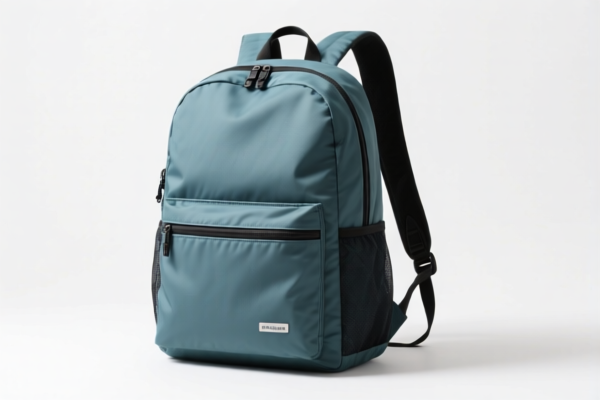
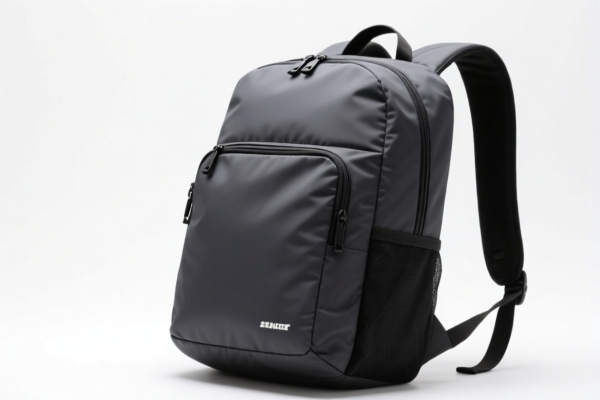
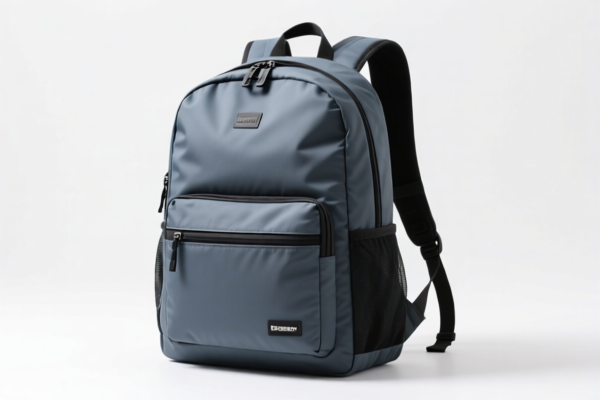
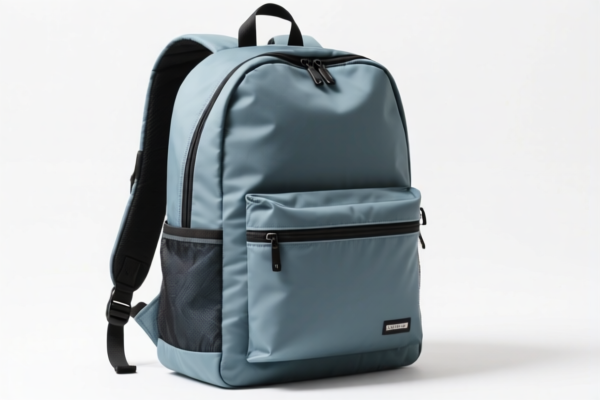
AI Analysis
🎒 Polyester Folding Backpack
🌐 HS Code Reference & Customs Clearance Guide | 2026 Latest Tariff Analysis | Strategic Logistics Strategy
📌 I. Product Definition & Classification: Do You Really Understand "Folding Backpack"?
A Polyester Folding Backpack is a lightweight, portable bag designed for travel, sports, or daily use, characterized by its ability to be compacted into a small pouch when not in use. In international trade, the classification depends heavily on the specific material composition (synthetic vs. artificial fibers) and the functional form (backpack vs. general bag).
⚠️ Key Distinction Point:
- If the bag is specifically a Backpack or Sports Bag made of Synthetic Fibers (e.g., Polyester woven fabric) → Classified under 4202.
- If the bag is a generic Bag/Pouch (not strictly a backpack) made of Artificial Textile Materials → Classified under 6305.
- If the bag is primarily a Plastic/Synthetic Fiber Packaging Item → Classified under 3923.
📦 II. HS Code Classification Details (2026 Latest Tariff Authority Cross-Reference)
| HS Code | Product Description | Application Scenario | Tax Rate (Total) | Tax Breakdown |
|---|---|---|---|---|
4202.92.31.20 |
Polyester Tear-Resistant Backpack/Sports Bag; Material: Synthetic Fibers; Form: Backpack or Sports Bag. | High-end tear-resistant hiking bags, gym bags made of synthetic polyester. | 52.6% | Base: 17.6% + Additional: 25.0% + Section 122: 10% |
4202.92.31.31 |
Polyester Tear-Resistant Backpack; Material: Artificial Fibers; Form: Travel, Sports, and Similar Bags. | Lightweight travel backpacks made of artificial synthetic fabrics. | 52.6% | Base: 17.6% + Additional: 25.0% + Section 122: 10% |
6305.39.00.00 |
Polyester Sports Bag; Material: Artificial Textile Materials; Form: Bag. | Generic polyester sports bags, duffel bags, or tote-style sports packs. | 25.9% | Base: 8.4% + Additional: 7.5% + Section 122: 10% |
3923.29.00.00 |
Polyester Sports Bag; Material: Plastic/Synthetic Fiber; Use: Packaging/Carrying Supplies. | Bags functioning primarily as packaging carriers, often with plastic coating or liner. | 38.0% | Base: 3.0% + Additional: 25.0% + Section 122: 10% |
6305.33.00.80 |
Polyester Sports Bag; Material: Artificial Textile Materials; Form: Bags for Packaging/Carrying. | Soft-sided bags, drawstring packs, or collapsible bags used for carrying goods. | 25.9% | Base: 8.4% + Additional: 7.5% + Section 122: 10% |
🔍 Key Reminder:
- Backpacks with straps designed for shoulder carry are strictly categorized under 4202 (Articles of Leather, Travel Goods, Handbags).
- Generic Bags (pouches, sacks, non-structured bags) fall under 6305 (Sacks and Bags).
- Plastic-Coated Bags that serve as packaging containers may fall under 3923, but this is less common for consumer backpacks unless specifically designed as disposable packaging.
💰 III. 2026 Latest Tariff Rate Details (Including Surtaxes & Policy Add-ons)
✅ Applicable Country: United States (US)
✅ Origin: China (CN)
✅ Effective Date: Current rates apply (Including Section 301 & Section 122 measures)
🎯 1. 4202.92.31.20 / 4202.92.31.31 —— Polyester Tear-Resistant Backpack/Sports Bag
| Item | Content |
|---|---|
| Base Tariff | 17.6% (ad valorem) |
| Section 301 Additional Tariff | +25.0% (USITC Footnote 9903.88.01) |
| Section 122 Tariff | +10.0% (Targeting specific textile/clothing imports) |
| Total Tariff Rate | 52.6% |
| Tax Calculation | CIF Value × 52.6% |
| De Minimis Exemption | ❌ Not Eligible (Section 301 & 122 tariffs generally exclude de minimis benefits for direct shipments from China) |
| Legal Basis Path | Section 301: 17.6% → Section 122: 10% → USITC: 4202.92.31.20/31 |
📌 Explanation:
- Base Tariff (17.6%): Standard MFN rate for travel goods/sports bags.
- Section 301 (25%): Applies to most Chinese-origin goods under HTS 4202.
- Section 122 (10%): Additional surcharge on specific textile/apparel categories.
- Total Impact: 52.6% is a very high tariff, significantly impacting profit margins. Must be factored into pricing.
🎯 2. 6305.39.00.00 / 6305.33.00.80 —— Polyester Sports Bag (Artificial Textile)
| Item | Content |
|---|---|
| Base Tariff | 8.4% (ad valorem) |
| Section 301 Additional Tariff | +7.5% (Reduced rate for some textile bags under Section 301) |
| Section 122 Tariff | +10.0% |
| Total Tariff Rate | 25.9% |
| Tax Calculation | CIF Value × 25.9% |
| De Minimis Exemption | ❌ Not Eligible (For direct China shipments subject to Section 122) |
| Legal Basis Path | Section 301: 8.4%+7.5% → Section 122: 10% → USITC: 6305.39/33 |
📌 Note:
- These codes apply to non-backpack bags (e.g., drawstring bags, tote sports bags).
- Total Rate: 25.9% is half of the backpack rate, making this a more cost-effective classification if the product form allows.
🎯 3. 3923.29.00.00 —— Polyester Sports Bag (Plastic/Synthetic Packaging)
| Item | Content |
|---|---|
| Base Tariff | 3.0% (ad valorem) |
| Section 301 Additional Tariff | +25.0% |
| Section 122 Tariff | +10.0% |
| Total Tariff Rate | 38.0% |
| Tax Calculation | CIF Value × 38.0% |
| De Minimis Exemption | ❌ Not Eligible |
| Legal Basis Path | Section 301: 3.0%+25% → Section 122: 10% → USITC: 3923.29.00.00 |
📌 Note:
- This classification is risky for consumer backpacks. It is typically reserved for packaging bags (e.g., large plastic-lined sacks). Misclassification can lead to customs audits.
🛠️ IV. Customs Clearance Practical Advice (Battle-Tested Pitfall Guide)
✅ 1. Preparation Checklist (Non-Negotiable)
| Document | Required? | Explanation |
|---|---|---|
| ✅ Product Spec Sheet | ✔️ | Must detail material (Polyester %), dimensions, weight, and folding mechanism. |
| ✅ Photos (Labeled) | ✔️ | Show the bag unfolded (to prove it's a backpack/bag) and folded (to prove portability). |
| ✅ Commercial Invoice | ✔️ | Clearly state "Polyester Folding Backpack" or "Polyester Sports Bag" – DO NOT use vague terms like "Bag". |
| ✅ Material Declaration | ✔️ | Specify if it is "Synthetic Fiber" (Polyester woven) or "Artificial Textile". This determines 4202 vs 6305. |
| ✅ Packing List | ✔️ | Ensure packaging contents match the invoice. |
✅ 2. Classification Strategy (Key Mantra)
🔥 “Backpacks go to 4202, Bags go to 6305, Plastic to 3923 – Wrong Code = Penalty!”
| Scenario | Correct HS Code | Wrong Action | Consequence |
|---|---|---|---|
| Strap Design + Backpack Shape | 4202.92.31.20 or 31 |
Misclassifying as 6305 (25.9%) |
Overpayment of 26.7% + Risk of audit for undervaluation. |
| Drawstring/Pouch (No Straps) | 6305.39.00.00 or 33 |
Misclassifying as 4202 (52.6%) |
Overpayment of 26.7% + Unnecessary tax burden. |
| Plastic-Coated Packaging Bag | 3923.29.00.00 |
Misclassifying as 4202 |
Overpayment of 14.6% + Potential fraud flag. |
| Mixed Materials (Fabric + Plastic Lining) | 4202 or 6305 |
Splitting invoice | Customs Rejection + Delays. |
✅ 3. Special Situations
| Situation | Handling Advice |
|---|---|
| OEM Custom Backpacks | Provide design files to prove "Backpack" form factor. If straps are non-standard, argue for 6305 if possible, but 4202 is safer for structural backpacks. |
| "Folding" Feature | Emphasize "Portable" and "Lightweight" in description. Does not change HS code, but helps justify value and function. |
| Section 122 Impact | Since Section 122 adds 10% to all these codes, ensure your pricing model accounts for this additional 10% on top of Section 301. |
| De Minimis (Section 321) | High Risk. Section 301 and Section 122 tariffs cannot be avoided via de minimis for direct China imports. Do not rely on $800 exemption for B2B shipments. |
🌍 V. Global Market Comparison (2026 Latest)
| Country/Region | Recommended HS Code | Tariff (China Origin) | Certification | Notes |
|---|---|---|---|---|
| 🇺🇸 USA | 4202.92.31.20 |
52.6% | N/A | Highest cost due to Sec 301 + 122. |
| 🇨🇳 China | 4202.92.31.20 |
~10-15% | N/A | Lower duties for domestic sale. |
| 🇪🇺 EU | 4202.92 |
~4.0-7.0% | CE/RoHS (if applicable) | No Section 301/122. Much more competitive. |
| 🇬🇧 UK | 4202.92 |
~5.0-10.0% | UKCA | Post-Brexit rates vary. |
| 🇨🇦 Canada | 4202.92 |
~0-18% (MFN) | N/A | CUSMA benefit if made in NA. |
📌 Conclusion:
- The US market is extremely expensive for polyester backpacks from China due to the 52.6% effective tariff.
- European markets are far more competitive with rates under 10%.
- Consider supply chain diversification (e.g., Vietnam, Bangladesh) to avoid US Section 301/122 tariffs.
📌 VI. Common Errors & Pitfall Guide (Lessons from Tears)
❌ Error 1: Calling a "Backpack" a "Bag" to get a lower rate (6305 vs 4202)
👉 Consequence: Customs audits the straps. If straps are structural, you owe 26.7% more + penalties.
❌ Error 2: Ignoring Section 122
👉 Consequence: Your cost model is off by 10%. You might think you can sell at $20, but after taxes, you lose money.
❌ Error 3: Using "Plastic Bag" description for a Polyester Backpack
👉 Consequence: Misclassification under 3923. While cheaper (38%), it’s legally incorrect for a textile backpack, leading to seizure or fines.
❌ Error 4: Assuming De Minimis applies
👉 Consequence: Shipments under $800 are NOT exempt from Section 301/122 tariffs for China-origin goods. Expect tax bills at entry.
✅ Correct Approach:
"Polyester Teard-Resistant Folding Backpack, Synthetic Fabric, Model XYZ, 20L Capacity, With Shoulder Straps"
🎯 VII. Conclusion: Professional Classification, Save Costs, Ensure Clearance!
🎯 Remember the Mantra:
🔹 "Backpacks = 52.6%, Bags = 25.9%, Plastic = 38%. Pick the Right Code!"
🔹 "Section 122 adds 10%, Don't Forget It!"
🔹 "Straps make it a Backpack, Pouch makes it a Bag."
📌 Pro Tip:
If you are selling to the US, consider re-engineering the product as a "Drawstring Sports Bag" (HS 6305.39.00.00) if the design allows. This reduces the tariff from 52.6% to 25.9%, saving $26.6 per $100 of value. However, ensure it does not have structured backpack straps to avoid reclassification.
For high-end tear-resistant backpacks, stick to 4202.92.31.20 and factor the 52.6% into your pricing strategy.
📣 Immediate Action:
📞 Contact a Licensed Customs Broker to verify the "Backpack" vs "Bag" definition for your specific design.
🚀 Audit Your BOM (Bill of Materials) to confirm Synthetic vs. Artificial fiber content.
💼 Optimize Your Landed Cost by choosing the most favorable (yet compliant) HS Code.
✨ Professional Clearance Starts with Precise Classification!
💼 Every Cent of Your Cost Deserves Precision!
Customer Reviews
About HS Code Classification
The Harmonized System (HS) is an internationally standardized nomenclature developed by the World Customs Organization (WCO) to classify traded products. Over 200 countries use the HS system as the basis for customs tariffs, trade statistics, and import/export regulations.
Each HS code follows a hierarchical structure:
- Chapter (2 digits) — Broad category of goods (e.g., Chapter 84: Machinery and Mechanical Appliances)
- Heading (4 digits) — More specific grouping within the chapter
- Subheading (6 digits) — Internationally standardized breakdown, used by all WCO member countries
- National subdivisions (8-10 digits) — Country-specific extensions for further classification, such as US HTSUS 10-digit codes
Correct HS code classification is essential for smooth customs clearance, accurate duty payment, and compliance with trade regulations. Misclassification can lead to customs delays, overpayment of duties, or penalties.
When importing from CN to US, the applicable tariff rates may include:
- Most-Favored-Nation (MFN) rate — The standard duty rate applied to WTO members
- General rate — Applied to countries without trade agreements
- Trade remedy duties — Additional tariffs such as Section 301 (anti-dumping), Section 232 (national security), or countervailing duties
The information provided on this page is for reference purposes only. For official classification, please consult with your local customs authority or a licensed customs broker.