polyester resin curing agent for casting
CN → US| HS Code | Tariff Rate | Origin | Destination | Doc |
|---|---|---|---|---|
| 3824401000 | 41.5% | CN | US | Official Doc |
| 3824992500 | 41.5% | CN | US | Official Doc |
| 3909310000 | 41.5% | CN | US | Official Doc |
| 3909505000 | 41.3% | CN | US | Official Doc |
| 3824401000 | 41.5% | CN | US | Official Doc |
Product Images
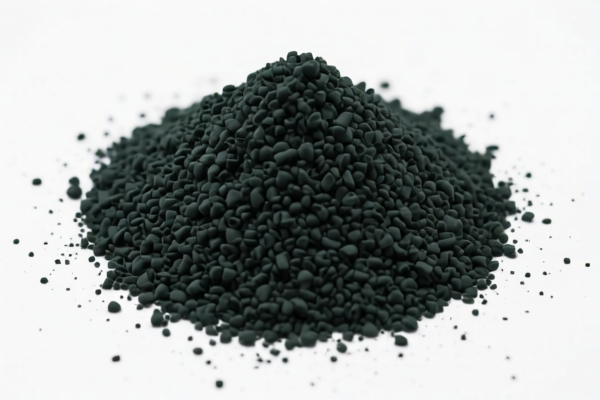
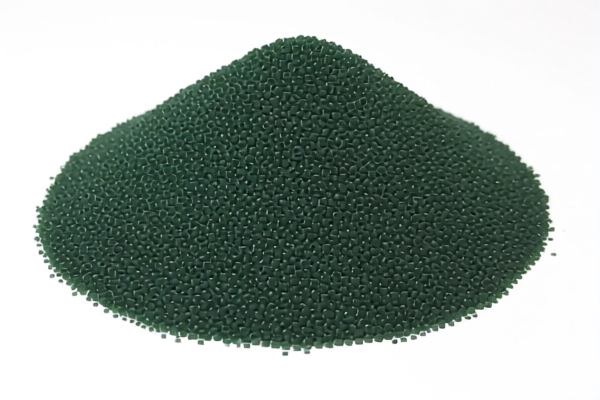
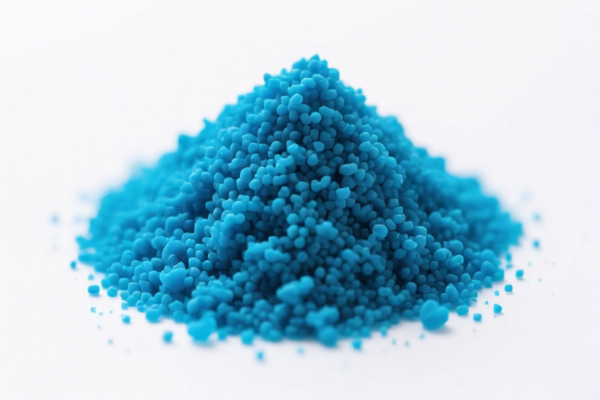
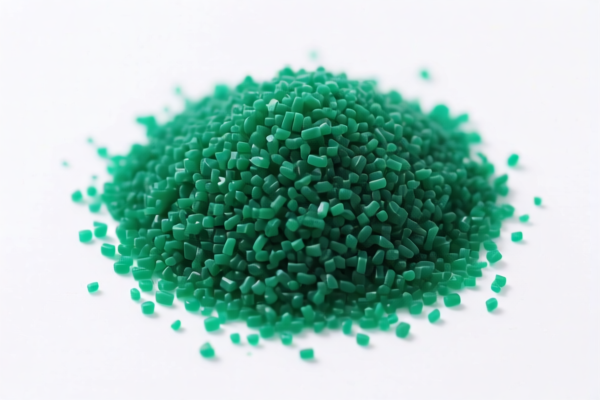
AI Analysis
🏭 Polyester Resin Curing Agent for Casting (Chemical Raw Materials)
🌐 HS Code Reference & Customs Clearance Guide | 2026 Latest Tariff Analysis | Professional Clearance Strategy
📌 I. Product Definition & Classification: What is a "Curing Agent"?
The Polyester Resin Curing Agent for Casting is a critical chemical component used in the manufacturing of composite materials, particularly in casting processes. It acts as a catalyst or cross-linking agent to harden polyester resins. In international trade, these products are generally categorized under Chapter 38 (Miscellaneous Chemical Products) or Chapter 39 (Plastics and Articles Thereof), depending on their specific chemical composition and primary function.
Key Classification Distinction: * Chemical Preparations/Additives: If the product is primarily a chemical additive or a mixture designed to facilitate the curing process (e.g., MEKP or specific aromatic modifiers), it falls under HS 3824. * Isocyanates/PU Components: If the product contains Methylene Diphenyl Diisocyanate (MDI) or is a polyurethane-based precursor, it falls under HS 3909.
⚠️ Critical Distinction Point:
- If the product is a "chemical preparation" (mixture/additive) for use in resin systems →归类 to 3824.40.10.00.
- If the product is specifically an Isocyanate-based material (MDI/Polyurethane class) → 归类 to 3909.31.00.00 or 3909.50.50.00.
- If it is a generic "other chemical product" not specifically listed elsewhere, potentially 3824.99.25.00.
📦 二、HS Code Classification Details (2026 Latest Tariff Authority Reference)
| HS Code | Product Description | Application Scenario | Key Attribute |
|---|---|---|---|
3824.40.10.00 |
Polyester resin curing agent raw material; chemical industry pre-added additives/components | General polyester resin casting systems; standard chemical additives | ✅ Chemical Preparation |
3824.40.10.00 |
Polyester Resin Curing Agent for Casting (English Description) | Chemical resin raw materials and curing agents | ✅ Chemical Preparation |
3824.99.25.00 |
Other chemical products; aromatic or modified aromatic substances | Specialized aromatic curing agents; non-specific chemical components | ✅ Aromatic/Modified |
3909.31.00.00 |
Isocyanate casting curing agent; Poly(methylene phenyl isocyanate) (MDI class) | MDI-based casting systems; basic attribute isocyanates | ✅ MDI Class |
3909.50.50.00 |
Isocyanate casting curing agent; Polyurethane class | Primary form chemical components; PU-based curing | ✅ Polyurethane Class |
🔍 Important Reminder:
- 3824 Series covers "Chemical preparations" and "other chemical products." This is the most common category for general polyester resin curing agents (often containing accelerators or stabilizers). - 3909 Series is strictly for Isocyanates (urea, isocyanate, polyisocyanate, polyurethane). If your product is primarily MDI, it must be classified here, not in 3824. - Misclassification between 3824 and 3909 can lead to significant discrepancies in duty rates and regulatory compliance.
💰 三、2026 Latest Tariff Rate Breakdown (Including Surcharges & Policy Add-ons)
✅ Applicable Country: United States (US)
✅ Origin: China (CN)
✅ Effective Date: Ongoing (Includes subsequent imports)
🎯 1. 3824.40.10.00 & 3824.99.25.00 —— Chemical Preparations & Other Chemical Products
| Item | Content |
|---|---|
| Base Tariff Rate | 6.5% (Ad valorem) |
| Section 301 Surcharge | +25.0% (From USITC Footnote 9903.88.01) |
| Section 122 Tariff | +10.0% (Specific clause for certain chemical products) |
| Total Tariff Rate | 41.5% |
| Tax Calculation | CIF Value × 41.5% |
| De Minimis Exemption | ❌ Not Eligible (Deny de minimis) |
| Legal Basis Path | Base: 6.5% → Section 301: +25% → Section 122: +10% → Total: 41.5% |
📌 Explanation:
- The 6.5% is the standard Most Favored Nation (MFN) rate for these chemical categories. - The 25% is the standard Section 301 tariff applicable to Chinese-origin goods in this category. - The 10% is a specific Section 122 surcharge often applied to certain chemical imports to protect domestic industry or address trade imbalances. - Total 41.5% is a high tariff burden. Accurate classification is vital to avoid penalties.
🎯 2. 3909.31.00.00 & 3909.50.50.00 —— Isocyanate & Polyurethane Classes
| Item | Content |
|---|---|
| Base Tariff Rate | 6.3% (Ad valorem) |
| Section 301 Surcharge | +25.0% (From USITC Footnote 9903.88.01) |
| Section 122 Tariff | +10.0% (Specific clause) |
| Total Tariff Rate | 41.3% |
| Tax Calculation | CIF Value × 41.3% |
| De Minimis Exemption | ❌ Not Eligible (Deny de minimis) |
| Legal Basis Path | Base: 6.3% → Section 301: +25% → Section 122: +10% → Total: 41.3% |
📌 Note:
- Isocyanate-based products have a slightly lower base rate (6.3% vs 6.5%), but the surcharges are identical. - Total 41.3% is also a high tariff burden. - Even though the difference is small (0.2%), the legal classification differs significantly (3909 vs 3824), affecting regulatory reporting and safety data sheets (SDS) requirements.
🛠️ 四、Customs Clearance Practical Advice (Combat Pitfall Avoidance Guide)
✅ 1. Preparation Checklist (Missing items are not acceptable)
| Material | Must Provide | Description |
|---|---|---|
| ✅ Product Specification Sheet | ✔️ | Detailed chemical composition, CAS numbers, concentration, and intended use. |
| ✅ Safety Data Sheet (SDS) | ✔️ | Crucial. Must match the HS Code classification. For 3909, emphasize Isocyanate content; for 3824, emphasize chemical preparation nature. |
| ✅ Product Photos (Including Labels) | ✔️ | Clear view of the label, hazard symbols, and packaging. |
| ✅ Commercial Invoice | ✔️ | Must specify "Curing Agent for Polyester Resin Casting" or "Isocyanate Material" clearly. Avoid vague terms like "Chemical Mix." |
| ✅ Packing List | ✔️ | Detail net/gross weight and volume. |
| ✅ Manufacturer Declaration | ✔️ | Confirm origin and chemical structure (e.g., MDI vs. MEKP). |
✅ 2. Declaration Skills (Key Mantra)
🔥 “Chemical Prep = 3824, Isocyanate = 3909, Label Clearly, Rates Are High!”
| Scenario | Correct Declaration | Incorrect Practice |
|---|---|---|
| General Polyester Curing Agent | 3824.40.10.00 or 3824.99.25.00 |
Misclassifying as 3909 → Potential penalty for wrong classification. |
| MDI-Based Curing Agent | 3909.31.00.00 |
Misclassifying as 3824 → Regulatory non-compliance (Isocyanates are hazardous). |
| Polyurethane Precursor | 3909.50.50.00 |
Vague description "Resin Additive" → Delays and questions. |
| Generic Chemical Mixture | 3824.99.25.00 |
Assuming lower rates without verifying Section 122 applicability. |
✅ 3. Special Situation Handling
| Situation | Handling Advice |
|---|---|
| Mixture of Components | If the product contains both isocyanates and other chemicals, the primary character determines the HS code. If >50% isocyanate, lean towards 3909. |
| Hazardous Material | All these products are likely hazardous. Ensure DOT/IMO compliance for transport. Customs will check SDS rigorously. |
| Section 122 Applicability | Verify if your specific product falls under the 10% Section 122 surcharge. Not all chemicals are subject to it, but the DATA indicates it applies here. |
| Origin Marking | Ensure "Made in China" is clearly marked on the product and packaging to avoid origin fraud claims. |
🌍 五、Global Major Market Comparison (2026 Latest)
| Country/Region | Recommended HS Code | Tariff (China Origin) | Certification Requirement | Notes |
|---|---|---|---|---|
| 🇺🇸 USA | 3824.40.10.00 / 3909.31.00.00 |
41.5% / 41.3% | SDS, DOT Hazardous | High tariffs due to 301 & 122 clauses. |
| 🇨🇳 China | 3824.40.10.00 / 3909.31.00.00 |
5% - 6.5% | None | Low import tariffs. |
| 🇪🇺 EU | 3824.40.00 / 3909.10 |
4% - 6% | REACH, CLP | Strict chemical regulations. |
| 🇬🇧 UK | 3824.40.00 / 3909.10 |
4% - 6% | UK REACH | Post-Brexit regulations apply. |
📌 Conclusion:
- USA is the most expensive market due to aggressive tariff policies (Section 301 + Section 122). - EU and UK have lower base tariffs but stricter chemical compliance (REACH). - China offers low tariffs but is the origin country, so export controls and environmental regulations apply.
📌 六、Common Errors & Pitfall Avoidance Guide (Lessons Learned)
❌ Error 1: Using vague descriptions like "Chemical Additive" without specifying the chemical nature.
👉 Consequence: Customs may reclassify to a higher duty category or delay shipment for inspection.
❌ Error 2: Misclassifying Isocyanates (MDI) as general Polyester Curing Agents (3824).
👉 Consequence: Failure to declare hazardous material correctly; potential safety violations and fines.
❌ Error 3: Ignoring the Section 122 10% Surcharge.
👉 Consequence: Underpayment of duties; subsequent audits will result in back taxes and penalties.
❌ Error 4: Failing to provide an up-to-date SDS.
👉 Consequence: Shipment held at port for safety review; demurrage charges accrue.
✅ Correct Approach:
"Polyester Resin Curing Agent, Chemical Preparation, Contains MEKP, for Casting Use, Model XYZ, SDS Provided, CAS No. 123-45-6"
🎯 七、Conclusion: Professional Declaration Saves Money!
🎯 Remember the Mantra:
🔹 “3824 for Chemical Prep, 3909 for Isocyanate, 41%+ Duty, Be Accurate!”
🔹 “Section 122 is 10%, Section 301 is 25%, Total is Over 40%!”
📌 Tips:
- If your product is MDI-based, use HS 3909.
- If it is a generic chemical mixture for polyester, use HS 3824.
- Always check the latest Section 122 list for any exemptions or changes.
- Consider applying for an Advance Ruling from US Customs (CBP) to secure the correct HS Code and tariff rate before shipping.
📣 Immediate Action:
📞 Contact a professional customs broker + Provide Product SDS + Request HS Code Advance Ruling
🚀 Ensure your Polyester Resin Curing Agent clears customs smoothly, minimizes costs, and avoids delays!
✨ Professional clearance starts with accurate classification!
💼 Every cent in tariff cost deserves precise calculation!
Customer Reviews
About HS Code Classification
The Harmonized System (HS) is an internationally standardized nomenclature developed by the World Customs Organization (WCO) to classify traded products. Over 200 countries use the HS system as the basis for customs tariffs, trade statistics, and import/export regulations.
Each HS code follows a hierarchical structure:
- Chapter (2 digits) — Broad category of goods (e.g., Chapter 84: Machinery and Mechanical Appliances)
- Heading (4 digits) — More specific grouping within the chapter
- Subheading (6 digits) — Internationally standardized breakdown, used by all WCO member countries
- National subdivisions (8-10 digits) — Country-specific extensions for further classification, such as US HTSUS 10-digit codes
Correct HS code classification is essential for smooth customs clearance, accurate duty payment, and compliance with trade regulations. Misclassification can lead to customs delays, overpayment of duties, or penalties.
When importing from CN to US, the applicable tariff rates may include:
- Most-Favored-Nation (MFN) rate — The standard duty rate applied to WTO members
- General rate — Applied to countries without trade agreements
- Trade remedy duties — Additional tariffs such as Section 301 (anti-dumping), Section 232 (national security), or countervailing duties
The information provided on this page is for reference purposes only. For official classification, please consult with your local customs authority or a licensed customs broker.