polyethylene clothing bag with slider
CN → US| HS Code | Tariff Rate | Origin | Destination | Doc |
|---|---|---|---|---|
| 3923210030 | 38.0% | CN | US | Official Doc |
| 3923210011 | 38.0% | CN | US | Official Doc |
| 3923210095 | 38.0% | CN | US | Official Doc |
| 3923210085 | 38.0% | CN | US | Official Doc |
| 3923210080 | 38.0% | CN | US | Official Doc |
Product Images
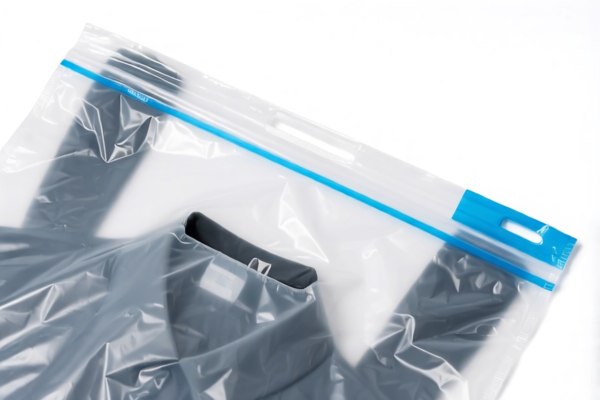
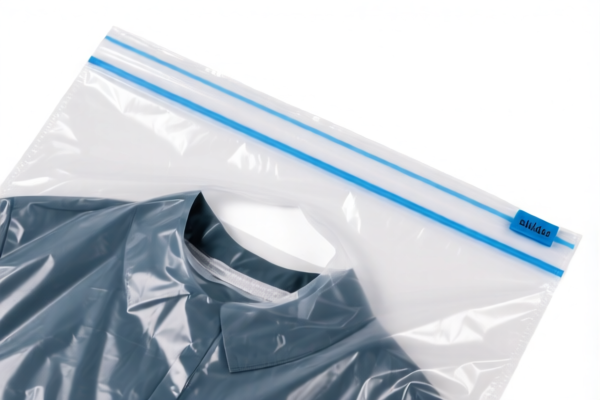
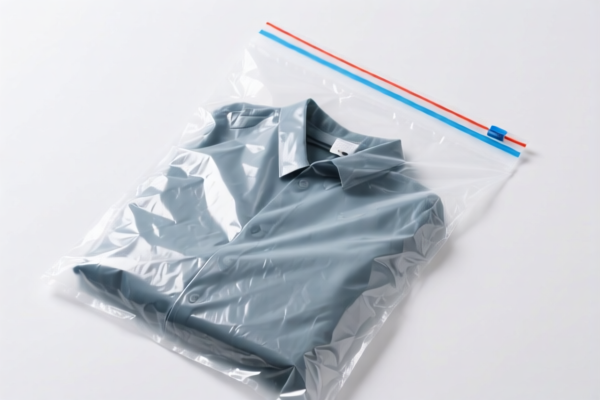
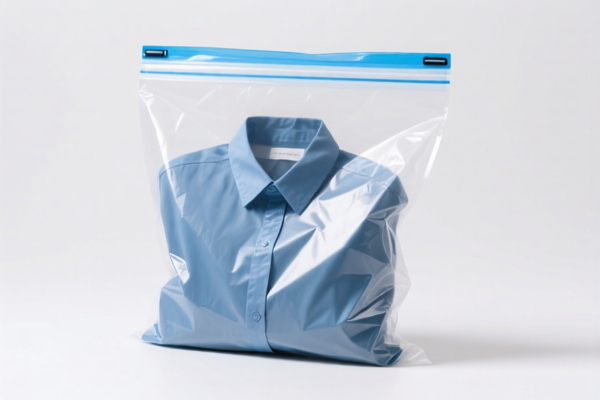
AI Analysis
👗 Polyethylene Clothing Bag with Slider (Hangers Bags / Slider Bags)
🌐 HS Code Reference & Customs Clearance Guide | 2026 Latest Tariff Analysis | Professional Compliance Strategy
📌 I. Product Definition & Classification: Do You Really Know "Polyethylene Clothing Bags"?
Polyethylene clothing bags with sliders (often called Slider Bags, Hanger Bags, or Zipper Bags) are specialized packaging solutions used in the apparel industry. They are designed to protect garments during transit and retail display, featuring a sliding fastener for easy access.
In international trade, these are classified under Chapter 39 (Plastics and Articles Thereof), specifically within the subheading for Sacs and Pouches of polymers of ethylene.
⚠️ Key Distinction Points:
- If the bag has perforations (holes for ventilation or hanging) → Likely 3923.21.00.30 or 11
- If the bag has a drawstring closure → Likely 3923.21.00.95 or 85
- If it is a standard sliding fastener zipper bag without specific sub-classification → Likely 3923.21.00.80
- If it doesn’t fit neatly into specific listed types → Likely 3923.21.00.95
📦 II. HS Code Classification Details (2026 Latest Tariff Authority Comparison)
| HS Code | Product Description | Application Scenario | Closure Type |
|---|---|---|---|
3923.21.00.30 |
Perforated Polyethylene Slider Bag, plastic material, bag form, for packaging | Breathable garment bags, retail display with hanging holes | ✅ Sliding Fastener + Perforations |
3923.21.00.11 |
Perforated Polyethylene Slider Bag, plastic material, zip-form bag, conforms to bag & seal characteristics | High-end apparel packaging, vented protection bags | ✅ Sliding Fastener + Perforations |
3923.21.00.95 |
Polyethylene Bag with Drawstring, plastic material, bag form, not specifically listed | Garment bags with elastic/cord drawstring closure | ❌ Drawstring (Not Slider) |
3923.21.00.85 |
Polyethylene Bag with Drawstring, plastic material, form conforms to classification interpretation | Custom drawstring bags, non-standard slider/drawstring hybrid | ❌ Drawstring (Not Slider) |
3923.21.00.80 |
Polyethylene Bag, plastic material, bag form, meets material & usage requirements | Standard slider bags, no special perforations or drawstrings | ✅ Standard Slider/Zipper |
🔍 Key Reminder:
- Slider Bags (with plastic sliders) are generally grouped under 3923.21.00.
- The exact 8-digit code depends on physical features (e.g., perforations, drawstrings, or generic form).
- Misclassification Alert: Do not classify "Slider Bags" as "Drawstring Bags" if they use a plastic slider mechanism. This can lead to customs disputes.
💰 III. 2026 Latest Tariff Rate Details (Including Additional Taxes & Policy Surcharges)
✅ Applicable Country: United States (US)
✅ Origin: China (CN)
✅ Effective Date: From November 10, 2025 (for subsequent imports)
🎯 1. 3923.21.00.30 & 3923.21.00.11 —— Perforated Polyethylene Slider Bags
| Item | Content |
|---|---|
| Basic Tariff Rate | 3.0% (ad valorem) |
| Section 301 Additional Tariff | +25% (from USITC Footnote 9903.39.02) |
| Section 122 Tariff | +10% (Specific surcharge for certain plastic products) |
| Total Tariff Rate | 38.0% |
| Tax Calculation | CIF Value × 38% |
| De Minimis Eligibility | ❌ No (deny_de_minimis) |
| Legal Basis Path | USITC:3923.21.00.30 → FOOTNOTE:9903.39.02 → Section 122 |
📌 Explanation:
- "Section 301 Additional Tariff 25%": Part of the US Trade Law Section 301 actions against China.
- "Section 122 Tariff 10%": A specific surcharge applied to certain plastic packaging items.
- Total 38%: This is a high tariff burden. Importers must factor this into pricing strategies.
🎯 2. 3923.21.00.80 —— Standard Polyethylene Slider Bags
| Item | Content |
|---|---|
| Basic Tariff Rate | 3.0% |
| Section 301 Additional Tariff | +25% |
| Section 122 Tariff | +10% |
| Total Tariff Rate | 38.0% |
| Tax Calculation | CIF Value × 38% |
| De Minimis Eligibility | ❌ No |
| Legal Basis Path | USITC:3923.21.00.80 → FOOTNOTE:9903.39.02 → Section 122 |
📌 Note:
- Same tariff structure as perforated versions.
- Applies to generic slider/zipper bags without special features like drawstrings or heavy perforations.
🎯 3. 3923.21.00.95 & 3923.21.00.85 —— Polyethylene Bags with Drawstrings
| Item | Content |
|---|---|
| Basic Tariff Rate | 3.0% |
| Section 301 Additional Tariff | +25% |
| Section 122 Tariff | +10% |
| Total Tariff Rate | 38.0% |
| Tax Calculation | CIF Value × 38% |
| De Minimis Eligibility | ❌ No |
| Legal Basis Path | USITC:3923.21.00.95 → FOOTNOTE:9903.39.02 → Section 122 |
📌 Note:
- Even if the closure is a drawstring (not slider), it falls under the same tariff bracket if it’s a polyethylene bag.
- Ensure the product description matches the closure type (Slider vs. Drawstring) to avoid classification errors.
🛠️ IV. Customs Clearance Practical Advice (Battle-Tested Pitfall Guide)
✅ 1. Preparation Checklist (All Required)
| Document | Must Provide | Explanation |
|---|---|---|
| ✅ Product Specifications | ✔️ | Material (PE HD/LD), thickness, size, closure type (Slider/Drawstring) |
| ✅ Product Photos | ✔️ | Clear images of the bag, slider mechanism, and any perforations |
| ✅ Commercial Invoice | ✔️ | Clearly state "Polyethylene Clothing Bag" and "HS Code: 3923.21.xx" |
| ✅ Packing List | ✔️ | Weight, dimensions, quantity per carton |
| ✅ Material Declaration | ✔️ | Confirm 100% Polyethylene content; no mixed materials |
| ✅ Origin Certificate (CO) | ✔️ | If non-China origin, may qualify for lower tariffs |
✅ 2. Declaration Tips (Key Mantras)
🔥 "Material First, Closure Specific, Name Precise, Tariff Clear!"
| Scenario | Correct Declaration | Wrong Practice |
|---|---|---|
| Bag with Plastic Slider | 3923.21.00.80 (or .30/.11 if perforated) |
Calling it "Plastic Pouch" → Ambiguity |
| Bag with Drawstring | 3923.21.00.95 or .85 |
Calling it "Slider Bag" → Misclassification |
| Bag with Perforations | 3923.21.00.30 or .11 |
Omitting "Perforated" → Risk of audit |
| Generic PE Bag | 3923.21.00.80 |
Using vague terms like "Plastic Bag" |
✅ 3. Special Case Handling
| Scenario | Handling Advice |
|---|---|
| OEM Custom Bags | Provide design files + material certs to prove PE content |
| Mixed Shipments | Declare each HS Code separately; do not lump all "plastic bags" together |
| Recycled PE | Declare "Recycled Polyethylene" if applicable; may affect sustainability claims |
| Small Orders (De Minimis) | ❌ No De Minimis Exemption: All entries above 25% additional tariff are not eligible for $800 de minimis exemption |
🌍 V. Global Market Comparison (2026 Latest)
| Country/Region | Recommended HS Code | Tariff | Certification | Notes |
|---|---|---|---|---|
| 🇺🇸 USA | 3923.21.00.80 |
38% | FDA (if food-grade), CPSIA | 38% includes 25% Sec 301 + 10% Sec 122 |
| 🇨🇳 China | 3923.21.00.80 |
5% | CCC (if applicable) | No additional tariffs for imports into China |
| 🇪🇺 EU | 3923.21.00 |
4.5% | REACH, RoHS | No Section 301/122 equivalents |
| 🇬🇧 UK | 3923.21.00 |
4.5% | UKCA | Post-Brexit alignment with EU |
| 🇦🇺 Australia | 3923.21.00 |
5% | RCM | No additional tariffs |
📌 Conclusion:
- USA is the most challenging market due to 38% total tariff.
- EU/UK/Australia are more tariff-friendly (4.5%~5%).
- Strategy: Consider sourcing from Vietnam, Mexico, or Thailand to avoid Section 301 tariffs (if eligible for FTA benefits).
📌 VI. Common Errors & Pitfall Guide (Lessons from the Field)
❌ Error 1: Declaring "Slider Bag" as "Plastic Pouch" without specifying closure
👉 Consequence: Customs may reclassify, leading to 38% penalty + delay.
❌ Error 2: Ignoring "Section 122 Tariff" for plastic products
👉 Consequence: Underpayment by 10% → Back taxes + interest.
❌ Error 3: Mixing "Drawstring" and "Slider" bags in one HS Code
👉 Consequence: Classification error → Audit risk.
❌ Error 4: Assuming De Minimis applies
👉 Consequence: Packages with >25% tariff are NOT eligible for $800 exemption → Full duty owed.
✅ Correct Practice:
"Polyethylene Clothing Bag, PE 100%, Sliding Fastener Closure, Perforated, for Garment Packaging, Model XYZ, Non-Food Grade"
🎯 VII. Conclusion: Professional Declaration, Cost Efficiency, Risk Mitigation
🎯 Remember the Mantra:
🔹 "PE Material, Slider Closure, 38% Total, No De Minimis!"
🔹 "HS Code Precision Saves Dollars, Misclassification Costs Thousands!"
📌 Pro Tip:
If your polyethylene bags are originating from Vietnam, Mexico, or Thailand, you may exempt Section 301 tariffs.
Recommend pre-ruling application (Advance Ruling) to confirm HS Code and avoid clearance risks.
📣 Immediate Action:
📞 Contact Professional Customs Broker + Provide Product Photos + Apply for HS Code Advance Ruling
🚀 Ensure Smooth Clearance, Efficient Export, Maximized Profit!
✨ Professional Customs Clearance Starts with Accurate Classification!
💼 Every Cent of Cost Deserves Precise Calculation!
Customer Reviews
About HS Code Classification
The Harmonized System (HS) is an internationally standardized nomenclature developed by the World Customs Organization (WCO) to classify traded products. Over 200 countries use the HS system as the basis for customs tariffs, trade statistics, and import/export regulations.
Each HS code follows a hierarchical structure:
- Chapter (2 digits) — Broad category of goods (e.g., Chapter 84: Machinery and Mechanical Appliances)
- Heading (4 digits) — More specific grouping within the chapter
- Subheading (6 digits) — Internationally standardized breakdown, used by all WCO member countries
- National subdivisions (8-10 digits) — Country-specific extensions for further classification, such as US HTSUS 10-digit codes
Correct HS code classification is essential for smooth customs clearance, accurate duty payment, and compliance with trade regulations. Misclassification can lead to customs delays, overpayment of duties, or penalties.
When importing from CN to US, the applicable tariff rates may include:
- Most-Favored-Nation (MFN) rate — The standard duty rate applied to WTO members
- General rate — Applied to countries without trade agreements
- Trade remedy duties — Additional tariffs such as Section 301 (anti-dumping), Section 232 (national security), or countervailing duties
The information provided on this page is for reference purposes only. For official classification, please consult with your local customs authority or a licensed customs broker.