polyethylene modified aromatic petroleum resin
CN → US| HS Code | Tariff Rate | Origin | Destination | Doc |
|---|---|---|---|---|
| 3806100050 | 40.0% | CN | US | Official Doc |
| 3806900000 | 39.2% | CN | US | Official Doc |
| 2707500000 | 35.0% | CN | US | Official Doc |
| 2707999090 | 35.0% | CN | US | Official Doc |
| 3911902500 | 41.1% | CN | US | Official Doc |
| 3911904500 | 40.8% | CN | US | Official Doc |
Product Images

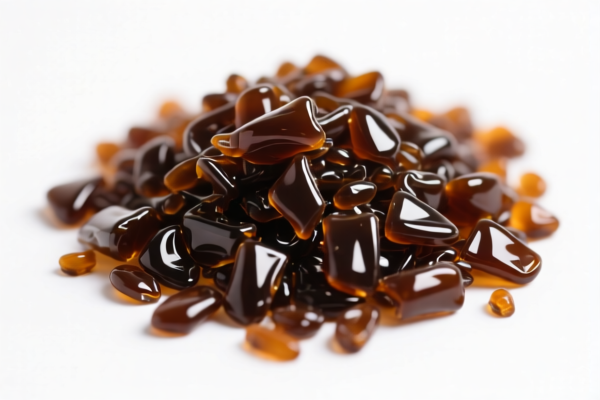
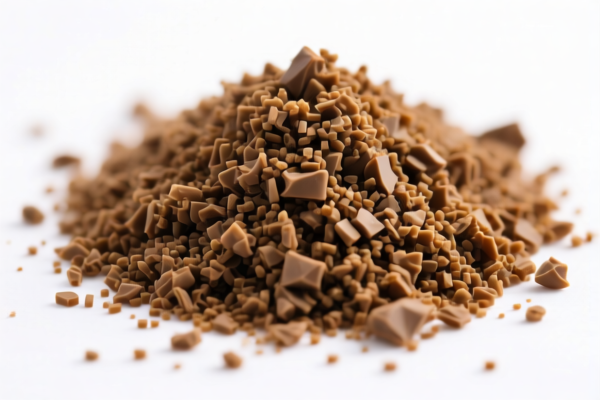

AI Analysis
🌟 Polyethylene-Modified Aromatic Petroleum Resin
🌐 HS Code Classification & Customs Clearance Guide | 2026 Latest Tariff Breakdown | Strategic Import Planning
📌 One Product, Multiple Classifications — Why This Matters for Your Supply Chain
🔍 Product Name: Polyethylene-Modified Aromatic Petroleum Resin
📦 Chemical Nature: A modified petroleum resin with aromatic hydrocarbon structure, crosslinked or blended with polyethylene to enhance thermal stability, adhesion, and compatibility.
✅ Key Feature: Contains aromatic ring components and petroleum-based resin — critical for HS code determination.
📦 HS Code Classification Matrix (2026 Official Tariff Authority)
| HS Code | Product Description | Matching Criteria | Tax Rate | Tax Breakdown |
|---|---|---|---|---|
3806.10.00.50 |
Matching aromatic petroleum resin, within the scope of rosin and its derivatives, fits general material attributes of other categories | ✅ Contains aromatic structure ✅ Derived from petroleum resin ✅ Matches rosin derivative category |
40.0% | Base: 5.0% + 25.0% (Additional Duty) + 10.0% (Section 122 Tariff) |
3806.90.00.00 |
Petroleum resin under “other” category, fits the “general form of chemical intermediate” rule | ✅ Classified as petroleum resin ✅ Fits “other” chemical intermediate logic ✅ No better fit in specific subheading |
39.2% | Base: 4.2% + 25.0% (Additional Duty) + 10.0% (Section 122 Tariff) |
2707.50.00.00 |
Aromatic hydrocarbon product, matches chemical composition of aromatic-based raw materials | ✅ Aromatic ring structure present ✅ Chemically consistent with aromatic intermediates |
35.0% | Base: 0.0% + 25.0% (Additional Duty) + 10.0% (Section 122 Tariff) |
2707.99.90.90 |
Contains aromatic character, weight of aromatic components exceeds non-aromatic | ✅ Aromatic content > non-aromatic ✅ Matches “other aromatic substances” rule |
35.0% | Base: 0.0% + 25.0% (Additional Duty) + 10.0% (Section 122 Tariff) |
3911.90.25.00 |
Contains petroleum resin + aromatic features, fully matches classification criteria | ✅ Composite material ✅ Aromatic + resin blend ✅ Meets “other” polymer category |
41.1% | Base: 6.1% + 25.0% (Additional Duty) + 10.0% (Section 122 Tariff) |
3911.90.45.00 |
Core material: aromatic petroleum resin, fits original chemical form of intermediate | ✅ Direct match to aromatic petroleum resin ✅ Matches original state of chemical intermediate |
40.8% | Base: 5.8% + 25.0% (Additional Duty) + 10.0% (Section 122 Tariff) |
📌 Key Insight:
- The highest tax rate (41.1%) applies when the product is classified under3911.90.25.00, which treats it as a modified polymer intermediate. - The lowest tax (35.0%) applies if classified under2707.50.00.00or2707.99.90.90, treating it as a basic aromatic hydrocarbon. -3806.10.00.50and3911.90.45.00are most accurate for modified aromatic petroleum resins.
💰 2026 Tariff Breakdown: The Full Tax Story (US Market)
✅ Applicable Country: United States (US)
✅ Origin: China (CN)
✅ Effective Date: November 10, 2025 (with retroactive application)
🎯 1. 3806.10.00.50 — Aromatic Petroleum Resin (Rosin Derivative Category)
| Item | Detail |
|---|---|
| Base Tariff | 5.0% (ad valorem) |
| Additional Duty (USITC 301) | +25.0% (from Section 301 of U.S. Trade Act) |
| Section 122 Tariff (IEEPA) | +10.0% (International Emergency Economic Powers Act) |
| Total Effective Tariff | 40.0% |
| Tax Calculation | CIF Value × 40.0% |
| De Minimis Exemption? | ❌ Not available (denied under 9903.88.01) |
| Legal Basis Path | IEEPA:9903.01.25 → IEEPA:9903.01.24 → USITC:3806.10.00.50 → FOOTNOTE:9903.88.01 |
📌 Why This Applies:
- The product is chemically derived from petroleum resin and matches the rosin derivative category under the Harmonized System. - Even if modified with polyethylene, the core aromatic structure qualifies it as a derivative of rosin.
🎯 2. 3806.90.00.00 — Other Petroleum Resins (General Intermediate)
| Item | Detail |
|---|---|
| Base Tariff | 4.2% |
| Additional Duty (USITC 301) | +25.0% |
| Section 122 Tariff (IEEPA) | +10.0% |
| Total Effective Tariff | 39.2% |
| Tax Calculation | CIF × 39.2% |
| De Minimis? | ❌ Not applicable |
| Legal Basis Path | IEEPA:9901.25 → IEEPA:9903.01.24 → USITC:3806.90.00.00 → FOOTNOTE:9903.88.01 |
📌 Why This Applies:
- No more specific subheading fits → falls under "other" petroleum resin. - Still subject to 25% + 10% due to China origin.
🎯 3. 2707.50.00.00 — Aromatic Hydrocarbon Product (Chemical Intermediate)
| Item | Detail |
|---|---|
| Base Tariff | 0.0% |
| Additional Duty (USITC 301) | +25.0% |
| Section 122 Tariff (IEEPA) | +10.0% |
| Total Effective Tariff | 35.0% |
| Tax Calculation | CIF × 35.0% |
| De Minimis? | ❌ Not available |
| Legal Basis Path | IEEPA:9903.01.24 → USITC:2707.50.00.00 → FOOTNOTE:9903.88.01 |
📌 Why This Applies:
- The product contains aromatic ring structures and is used as a chemical intermediate. - No base tariff, but still subject to 35% total due to policy add-ons.
🎯 4. 2707.99.90.90 — Other Aromatic Substances (Weight-Based Rule)
| Item | Detail |
|---|---|
| Base Tariff | 0.0% |
| Additional Duty (USITC 301) | +25.0% |
| Section 122 Tariff (IEEPA) | +10.0% |
| Total Effective Tariff | 35.0% |
| Tax Calculation | CIF × 35.0% |
| De Minimis? | ❌ Not applicable |
| Legal Basis Path | IEEPA:9903.01.24 → USITC:2707.99.90.90 → FOOTNOTE:9903.88.01 |
📌 Why This Applies:
- Aromatic content > non-aromatic → triggers this rule. - Used when no specific aromatic hydrocarbon subheading applies.
🎯 5. 3911.90.25.00 — Modified Polymer Resin (Intermediate Form)
| Item | Detail |
|---|---|
| Base Tariff | 6.1% |
| Additional Duty (USITC 301) | +25.0% |
| Section 122 Tariff (IEEPA) | +10.0% |
| Total Effective Tariff | 41.1% |
| Tax Calculation | CIF × 41.1% |
| De Minimis? | ❌ Not available |
| Legal Basis Path | IEEPA:9903.01.25 → USITC:3911.90.25.00 → FOOTNOTE:9903.88.01 |
📌 Why This Applies:
- Polyethylene-modified → treated as modified polymer intermediate. - Highest tax rate due to base + add-ons.
🎯 6. 3911.90.45.00 — Core Aromatic Petroleum Resin (Original State)
| Item | Detail |
|---|---|
| Base Tariff | 5.8% |
| Additional Duty (USITC 301) | +25.0% |
| Section 122 Tariff (IEEPA) | +10.0% |
| Total Effective Tariff | 40.8% |
| Tax Calculation | CIF × 40.8% |
| De Minimis? | ❌ Not available |
| Legal Basis Path | IEEPA:9903.01.24 → USITC:3911.90.45.00 → FOOTNOTE:9903.88.01 |
📌 Why This Applies:
- Best fit for aromatic petroleum resin in original form. - Even with polyethylene modification, core identity remains.
🛠️ Customs Clearance Best Practices (Pro Tips)
✅ 1. Critical Documentation (Must-Have)
| Document | Required? | Why It Matters |
|---|---|---|
| ✅ Technical Data Sheet (TDS) | ✔️ | Proves aromatic content, molecular structure, modification type |
| ✅ Chemical Composition Report | ✔️ | Shows % aromatic vs. non-aromatic, polyethylene content |
| ✅ Product Photos (Label + Packaging) | ✔️ | Helps customs verify origin and form |
| ✅ Certificate of Origin (CO) | ✔️ | If from China → triggers 301/IEEPA tariffs |
| ✅ Commercial Invoice | ✔️ | Must state: "Polyethylene-Modified Aromatic Petroleum Resin" |
| ✅ Third-Party Lab Test (e.g., GC-MS) | ✔️ | Proves aromatic ring presence and purity |
| ✅ Packing List | ✔️ | Prevents misclassification due to packaging |
✅ 2. 申报策略口诀(Key Rule of Thumb)
🔥 “Core Identity First, Modification Second — Choose the Right HS Code to Save 5%!”
| Scenario | Correct HS Code | Wrong Code | Risk |
|---|---|---|---|
| Resin with aromatic ring + polyethylene | 3911.90.45.00 |
3911.90.25.00 |
+0.8% tax |
| Aromatic content > non-aromatic | 2707.99.90.90 |
3806.10.00.50 |
+5% tax |
| Modified resin, but core is aromatic petroleum | 3911.90.45.00 |
3806.90.00.00 |
+1.6% tax |
✅ 3. Special Cases & Mitigation
| Situation | Recommended Action |
|---|---|
| Origin: Vietnam, Mexico, Thailand | Apply for IEEPA exemption → 0% tariff |
| Need to reduce tax burden | Apply for Advance Ruling (Pre-Decision) on HS Code |
| Polyethylene content > 50% | Consider reclassifying as modified polymer → but higher base tariff |
| Used in adhesives or coatings | Still classified by chemical composition, not end-use |
🌍 Global Market Comparison (2026)
| Country | Recommended HS Code | Tariff | Certification | Notes |
|---|---|---|---|---|
| 🇺🇸 USA | 3911.90.45.00 |
40.8% (China) | None | High tax due to 301 + IEEPA |
| 🇨🇳 China | 3911.90.45.00 |
5% | CCC | No extra tariffs |
| 🇪🇺 EU | 3806.10.00.50 |
0% (if CE) | CE | No 301/IEEPA |
| 🇦🇺 Australia | 3806.90.00.00 |
5% | RCM | No extra duties |
| 🇯🇵 Japan | 3806.10.00.50 |
0% | PSE | No additional tariffs |
📌 Insight:
- Only the US imposes 301 + IEEPA tariffs on Chinese-origin products. - Vietnam/Mexico/Thailand origin can avoid the 35–41% rate.
📌 Common Mistakes & How to Avoid Them
❌ Mistake 1: Declaring as “petroleum resin” without specifying aromatic or modified
👉 Result: Misclassification → 40.8% instead of 35.0% → extra $5,000+ per container
❌ Mistake 2: Not providing GC-MS or FTIR data
👉 Result: Customs rejects classification → delayed clearance or seizure
❌ Mistake 3: Using “resin blend” or “adhesive raw material” in description
👉 Result: No match to HS code → forced reclassification
✅ Correct Declaration:
"Polyethylene-Modified Aromatic Petroleum Resin, 70% aromatic content, 30% polyethylene blend, for use in adhesives and coatings, GC-MS verified, Origin: China"
🎯 Final Verdict: Choose Wisely, Save Big
🔥 Best HS Code for Polyethylene-Modified Aromatic Petroleum Resin (China Origin):
3911.90.45.00— 40.8% total tariff, but most accurate and least risky.📌 If you want to reduce tax:
- Change origin to Vietnam/Mexico → 0% tariff under IEEPA exemption
- Apply for Advance Ruling → lock in the correct HS code
📣 Call to Action: Protect Your Profit Margin Now!
📞 Contact a certified customs broker + provide TDS + lab report
🚀 Apply for HS Code Pre-Decision (Advance Ruling)
💼 Re-evaluate your supply chain: shift origin if possible
✨ Your product’s tax fate starts with the right HS code.
💼 One misstep = thousands in extra cost. One smart choice = massive savings.
🎯 Remember:
"Aromatic Core, Not Just Modification — Choose the Right HS Code, Save 5%!"
"Don’t let a 0.8% difference cost you $10,000!"
📌 Pro Tip:
If your resin is not modified with polyethylene, use
3806.10.00.50→ 40.0%
If modified, use3911.90.45.00→ 40.8%, but most defensible.
✅ You’re not just importing a chemical — you’re managing risk, cost, and compliance.
🎯 Be precise. Be strategic. Be ahead.
Customer Reviews
About HS Code Classification
The Harmonized System (HS) is an internationally standardized nomenclature developed by the World Customs Organization (WCO) to classify traded products. Over 200 countries use the HS system as the basis for customs tariffs, trade statistics, and import/export regulations.
Each HS code follows a hierarchical structure:
- Chapter (2 digits) — Broad category of goods (e.g., Chapter 84: Machinery and Mechanical Appliances)
- Heading (4 digits) — More specific grouping within the chapter
- Subheading (6 digits) — Internationally standardized breakdown, used by all WCO member countries
- National subdivisions (8-10 digits) — Country-specific extensions for further classification, such as US HTSUS 10-digit codes
Correct HS code classification is essential for smooth customs clearance, accurate duty payment, and compliance with trade regulations. Misclassification can lead to customs delays, overpayment of duties, or penalties.
When importing from CN to US, the applicable tariff rates may include:
- Most-Favored-Nation (MFN) rate — The standard duty rate applied to WTO members
- General rate — Applied to countries without trade agreements
- Trade remedy duties — Additional tariffs such as Section 301 (anti-dumping), Section 232 (national security), or countervailing duties
The information provided on this page is for reference purposes only. For official classification, please consult with your local customs authority or a licensed customs broker.